Stellantis has been in the wars lately, bruised by bloated Jeep inventories, stung by tariff whiplash, and nudged (some might say shoved) by shifting US regulations. But at this year’s Detroit Auto Show, new CEO Antonio Filosa struck a tone far closer to “victory lap” than “damage control,” promising a muscular product revival featuring fresh Jeeps, revamped Rams, and yes, the glorious return of the Hemi V8.
If you’re a fan of big engines, bold styling, and brands with attitude, this turnaround story might just be the automotive comeback we didn’t realise we were waiting for.
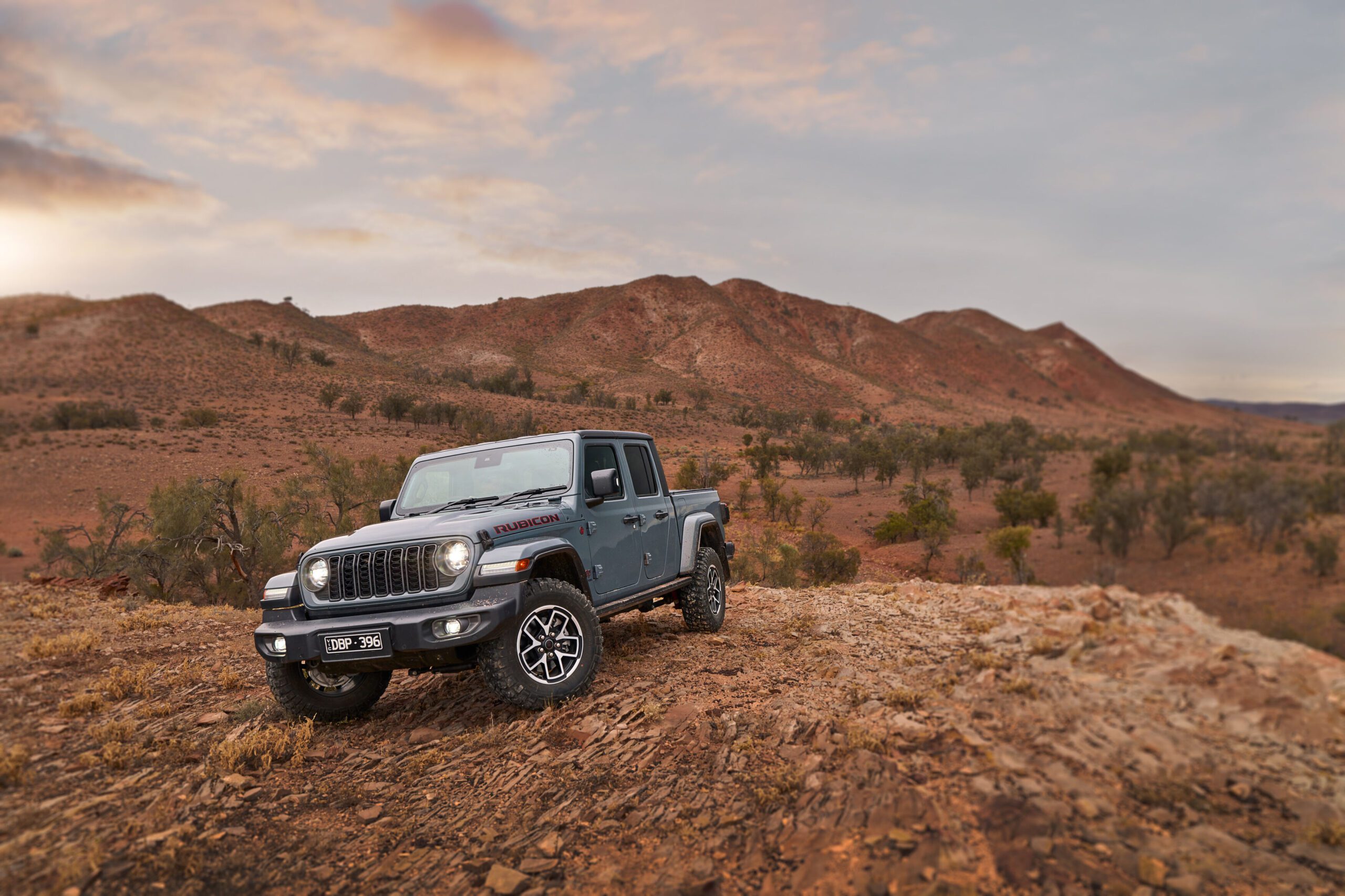
Filosa is barely eight months into the top job, yet he’s already made some decisive moves. Step one: cut Jeep prices to clear the sea of aging stock left behind by the previous strategy of raising prices to chase margin, a move that alienated buyers and dealers alike. Step two: push out more accessible models and bring back beloved nameplates like the Jeep Cherokee, a cornerstone of the ultra-competitive midsize SUV segment that’s still the US market’s biggest battleground.
And step three? Well, that’s where things get interesting.
While Filosa won’t spill all the beans until Stellantis’ next Capital Markets Day, he dropped enough hints to whet the appetite. Expect renewed focus on Ram and Jeep (historically Stellantis’ US powerhouses) supported by reinvigorated product lineups across Dodge and Alfa Romeo. More models, sharper pricing, fewer misses, more hits. In his own words, “I see the changes that we will make, that we need to make to create the bright future that we need”.
And some changes are already locked in. Stellantis recently announced a massive US$13 billion manufacturing investment aimed at expanding its American footprint, boosting US production by 50%, launching five new models, and creating 5,000 jobs over four years. That’s a stake in the ground for sure.
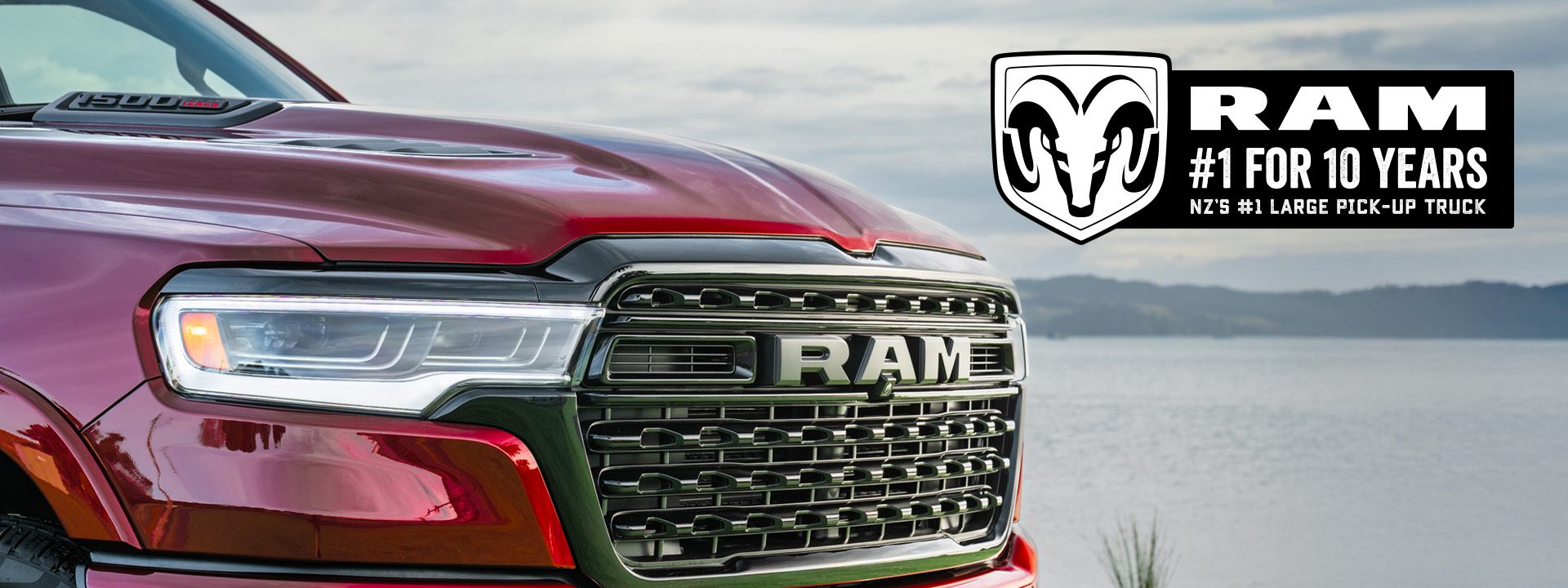
Of course, all of this unfolds against the backdrop of President Trump’s renewed trade wars, which have targeted allies including the EU, Mexico, and Canada. The resulting tariffs hit Stellantis hard, to the tune of US$1.7 billion in the first half of last year alone. But the political landscape gave with one hand what it took with the other: relaxed CAFE fuel economy standards. That regulatory pivot means automakers can keep building traditional petrol-powered vehicles for longer without having to force EVs into their lineups at great cost. For brands like Dodge and Ram (whose DNA is soaked in octane) that’s nothing short of a lifeline.
This helps explain the return of the Hemi V8. While the industry at large stampedes toward electrification, Stellantis now has breathing room to blend EV development with the kind of big-engine bravado that defines its Americana-heavy brands. In a market where nostalgia sells almost as well as horsepower, the move feels more clever than retrograde.
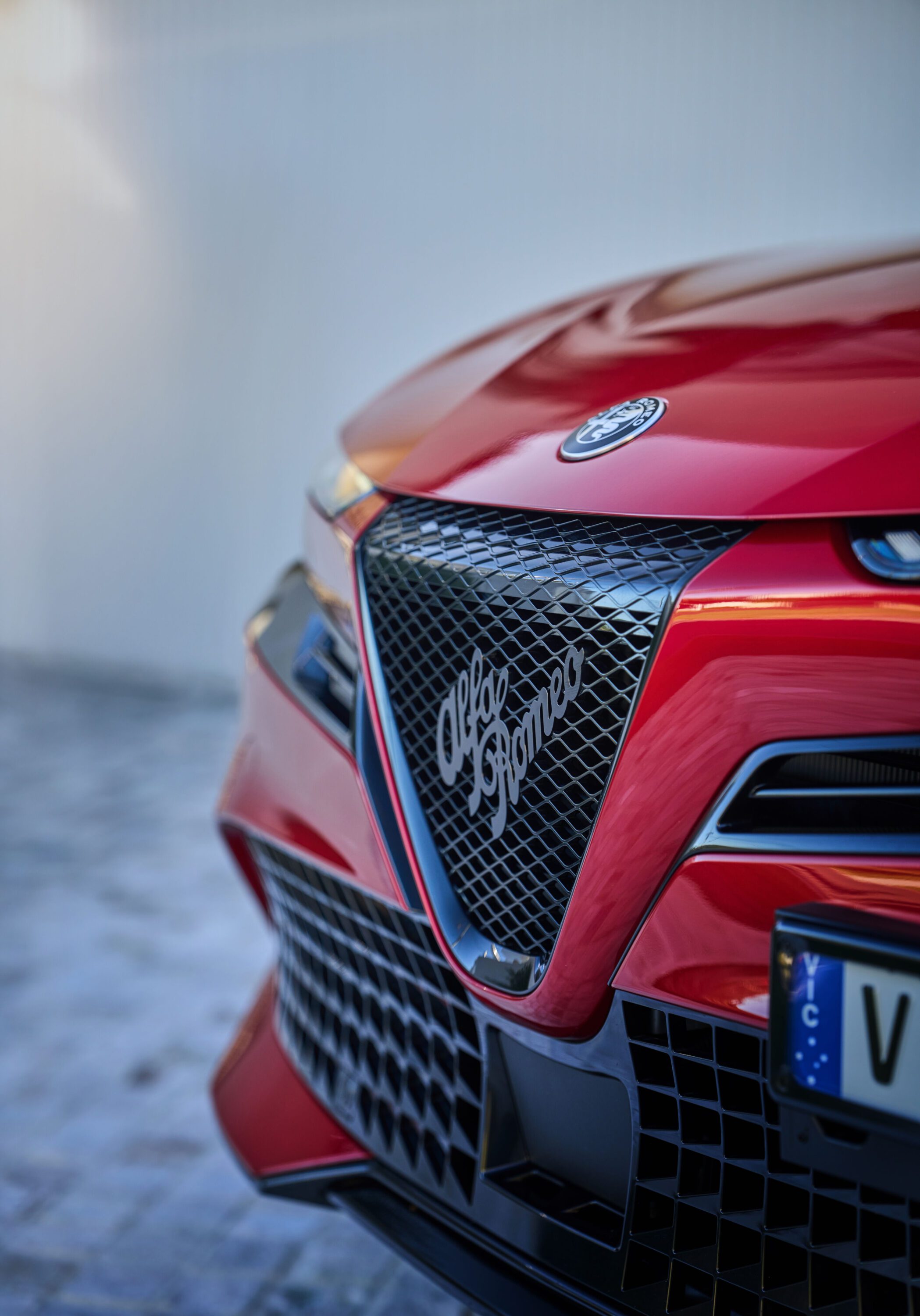
So what does this all mean for consumers? For one, more choice. More Jeeps spanning more price points. Rams that blend old-school grunt with new-school tech. Dodges that double down on performance without abandoning the EV future. And Alfa Romeos with (hopefully) the build-quality consistency their Italian flair deserves.
Will Stellantis’ turnaround plan work? Time will tell. But if confidence counts for anything, Filosa certainly has it. Back on the floor of the Detroit Auto Show, surrounded by spotlights, SUVs, and an industry that loves a comeback. He summed up the moment with characteristic optimism: Stellantis has a “solid plan” and an “expanded product offering” aimed squarely at reclaiming ground in America’s most important segments.
For a company that’s spent the past few years on the defensive, it’s refreshing to see Stellantis shifting gears, and, if the revived Hemi is any indication, doing it with some proper noise.