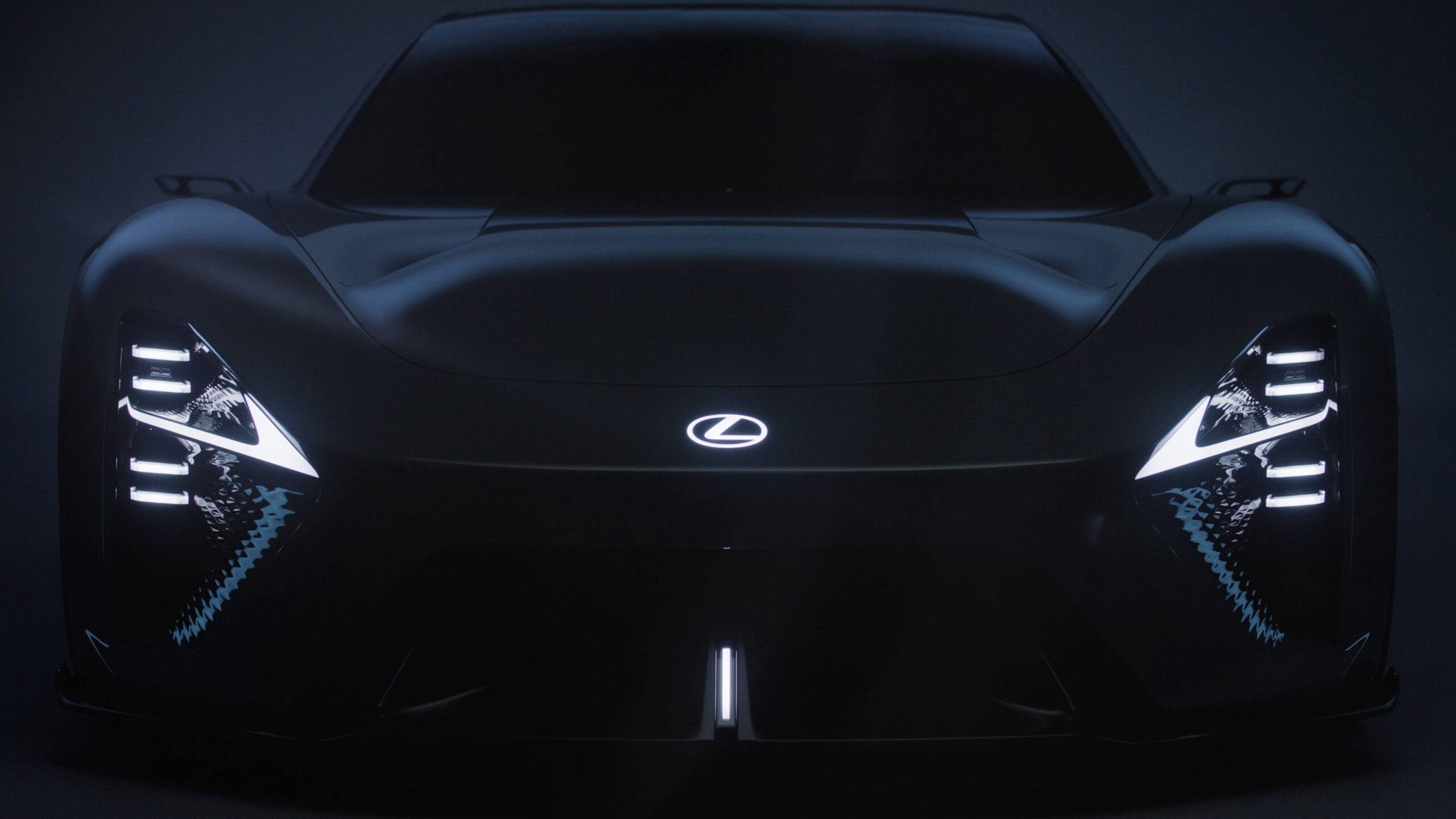
Lexus has revived one of its most celebrated nameplates, unveiling the new LFA Concept and signalling a bold step into an electrified performance future. The Concept marks the first time Lexus has applied the LFA name to a fully electric sports car – or to another car for that matter, reshaping what the badge represents while drawing on the famous craftsmanship, purity and emotional energy that made the original LFA a cult icon – and one of my grails to this day.
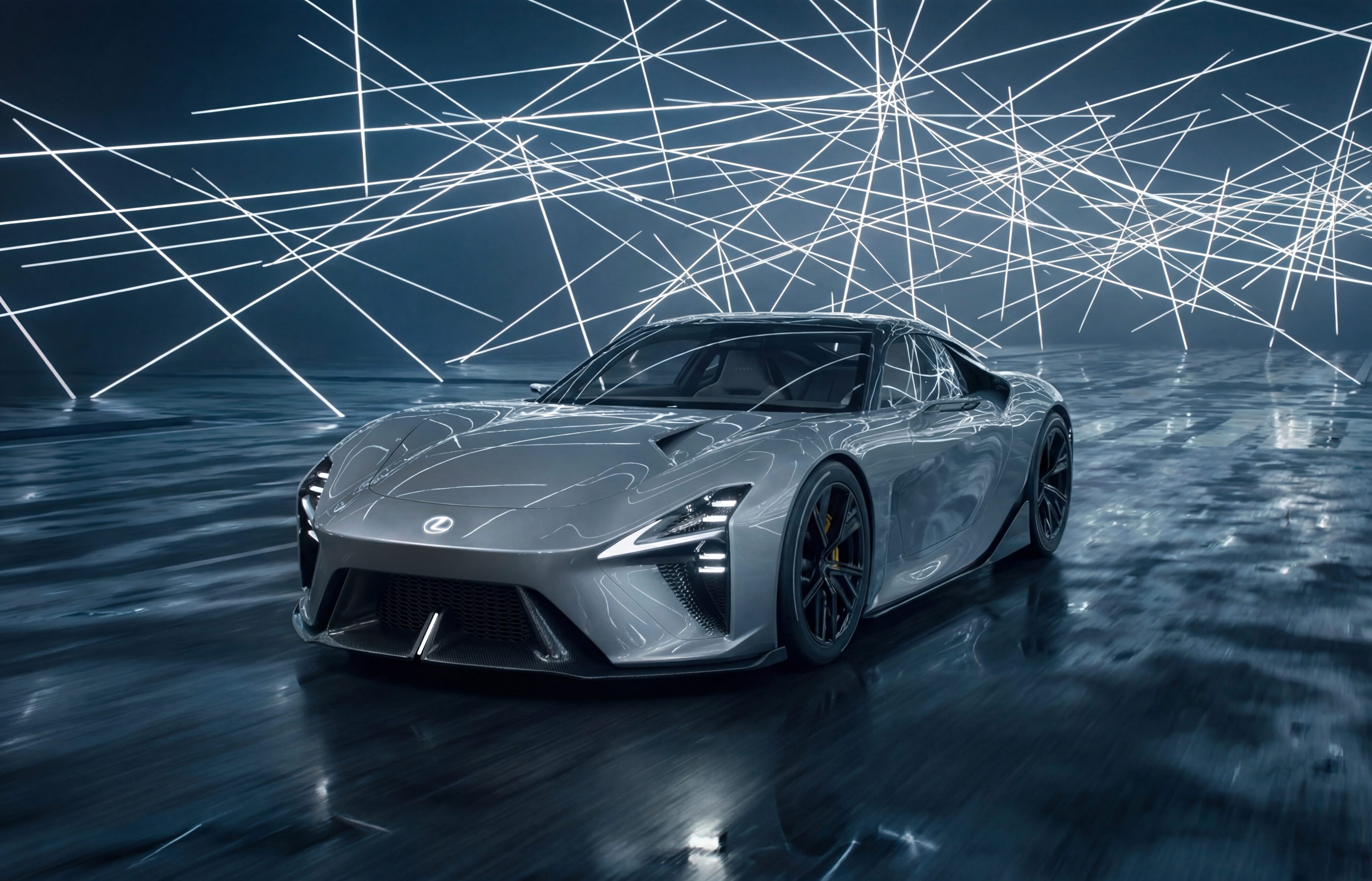
According to Lexus, the reborn LFA is not a homage to the V10 supercar of old. Instead, it is a modern interpretation of the brand’s performance values, adapted to a world moving towards sustainable mobility. Engineers describe the philosophy behind it as an exercise in preserving and passing down the essence of car-making to the next generation, likened to the Japanese tradition of Shikinen Sengu, where structures are periodically rebuilt to maintain heritage and technique. It is a fitting metaphor for a car intended to bridge past and future, and something the Japanese do like no one else.
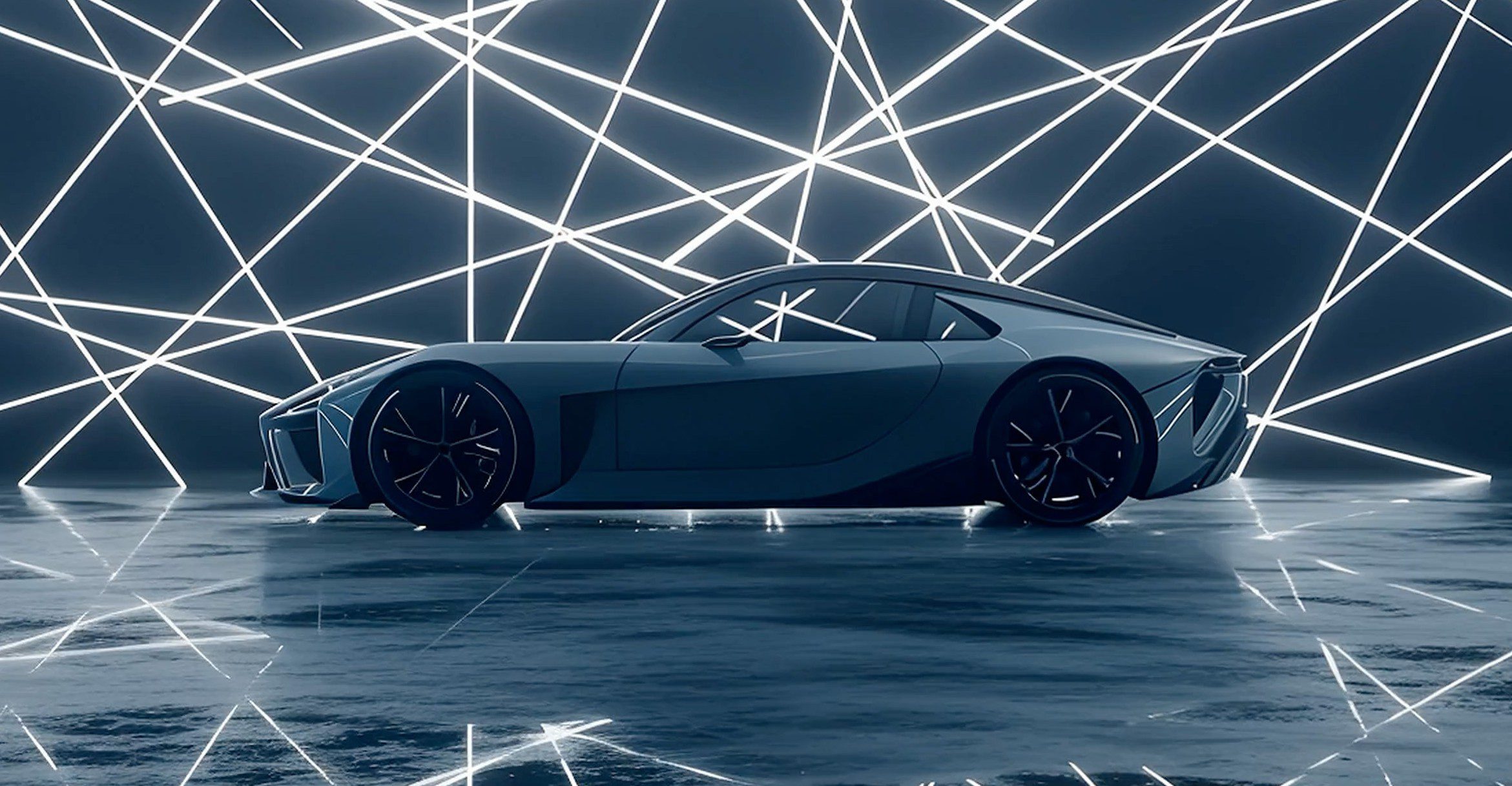
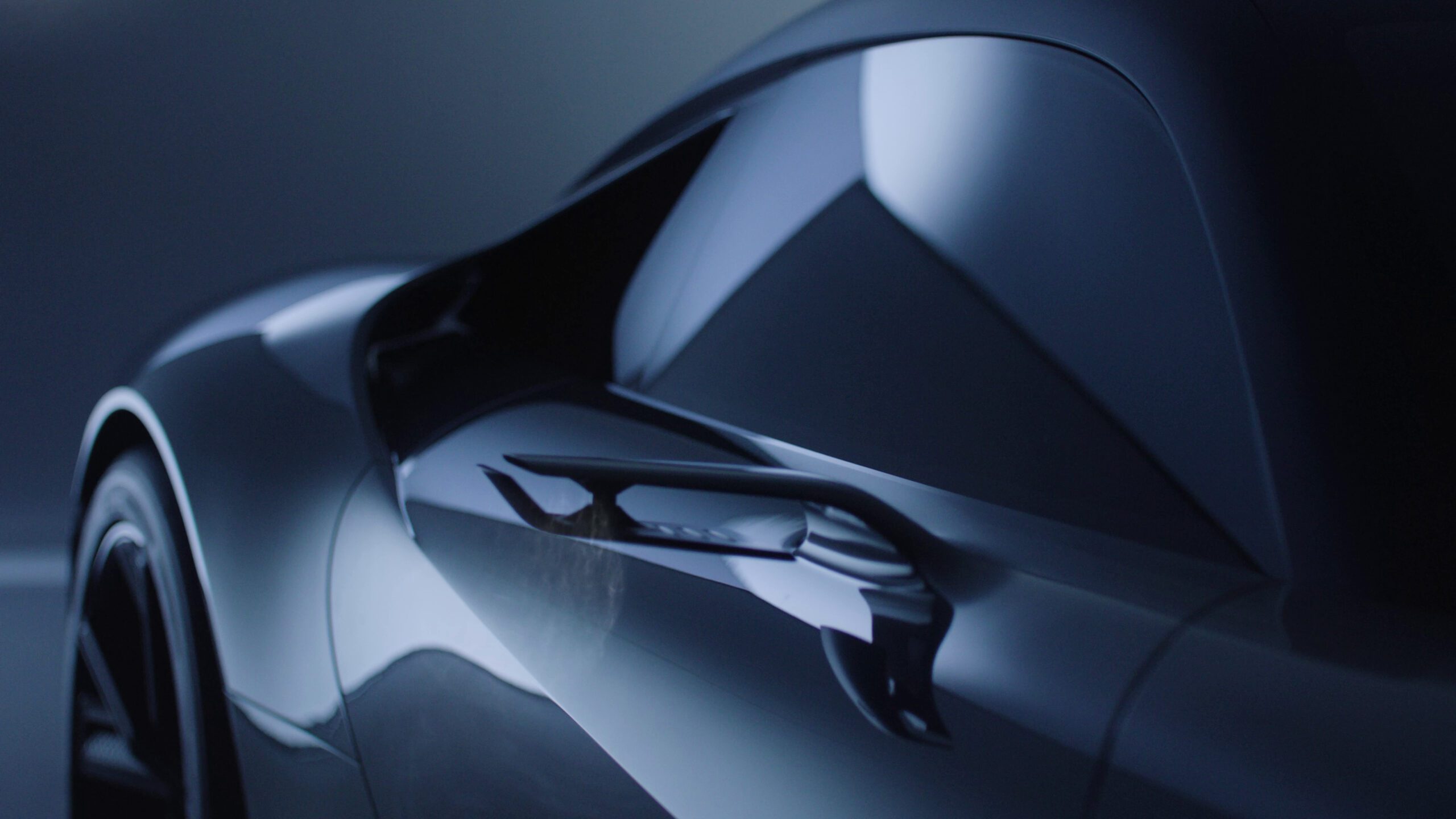
The overall shape of the LFA Concept reflects this continuity of spirit. It adopts a classic low-slung coupe silhouette, with a long bonnet, taut surfaces and a flowing roofline that has been refined over these years. Lexus says the aim was to create a timeless form that would remain visually compelling for decades, rather than chasing short-lived trends. Its size, however, has stepped up a level, measuring 4,690 mm in length and 2,040 mm in width, with a 2,725 mm wheelbase, making it larger and more substantial than the original model.
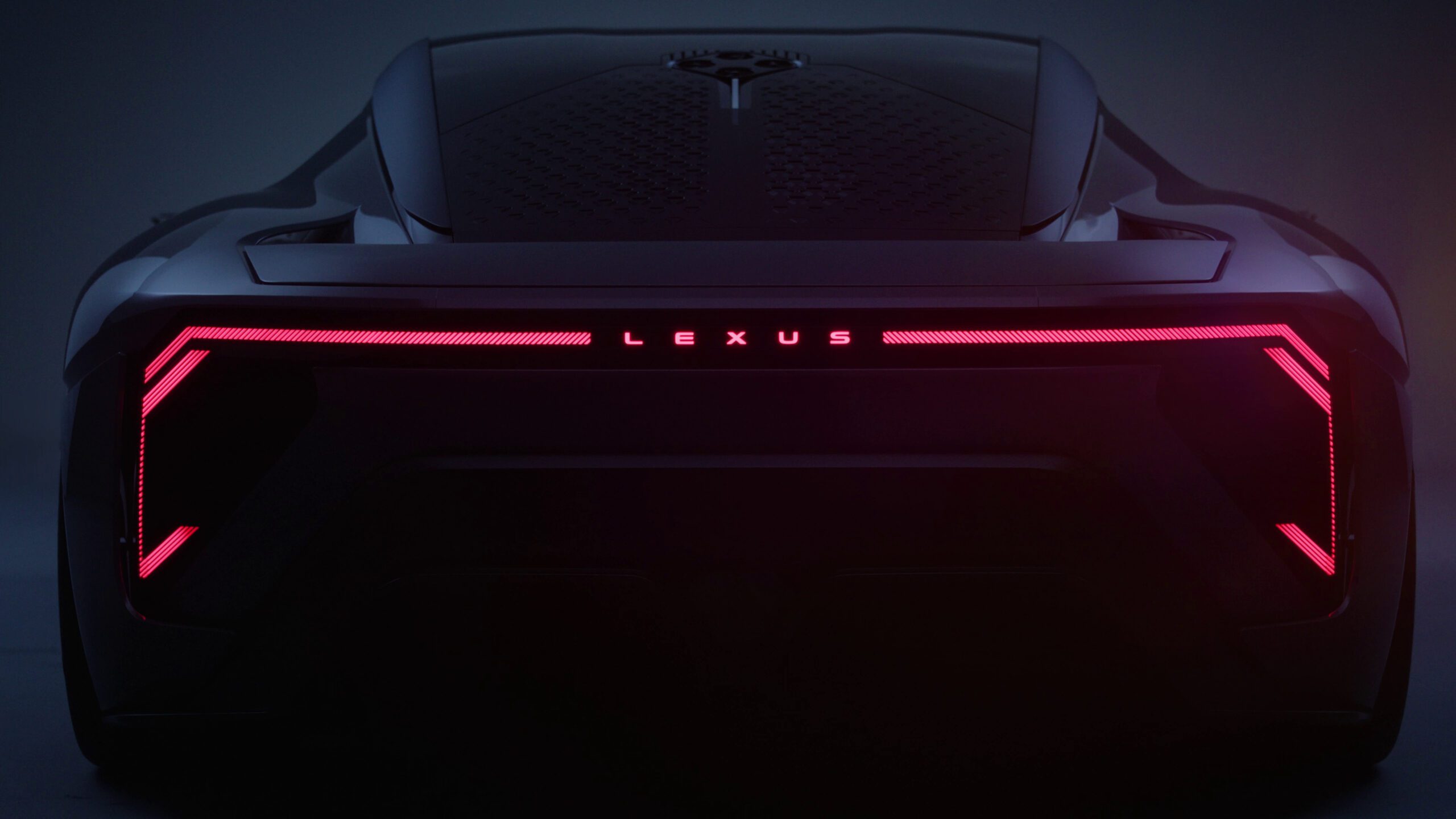
Underneath the bodywork, the LFA Concept is built upon a lightweight and highly rigid aluminium chassis shared with Toyota’s GR GT and GR GT3 development programs. This platform is designed to deliver a low centre of gravity and exceptional torsional rigidity, helping the concept achieve the poise expected of a true flagship sports car. Lexus frames the structure not just as a technical exercise, but as part of its commitment to refining the craft of building high-performance vehicles, even as the industry transitions away from combustion engines. If you are after V8 power, the aforementioned models might scratch that itch.
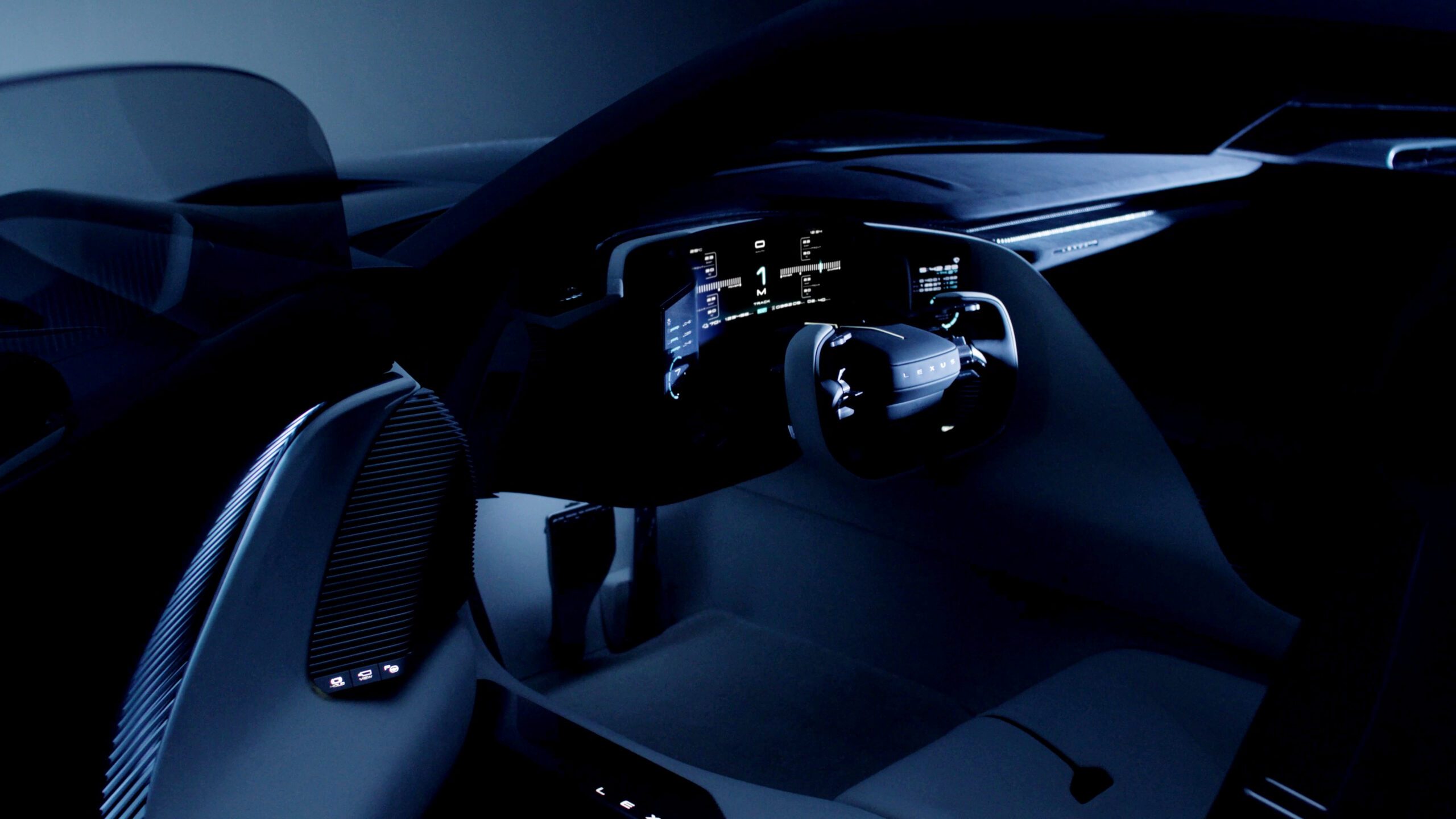
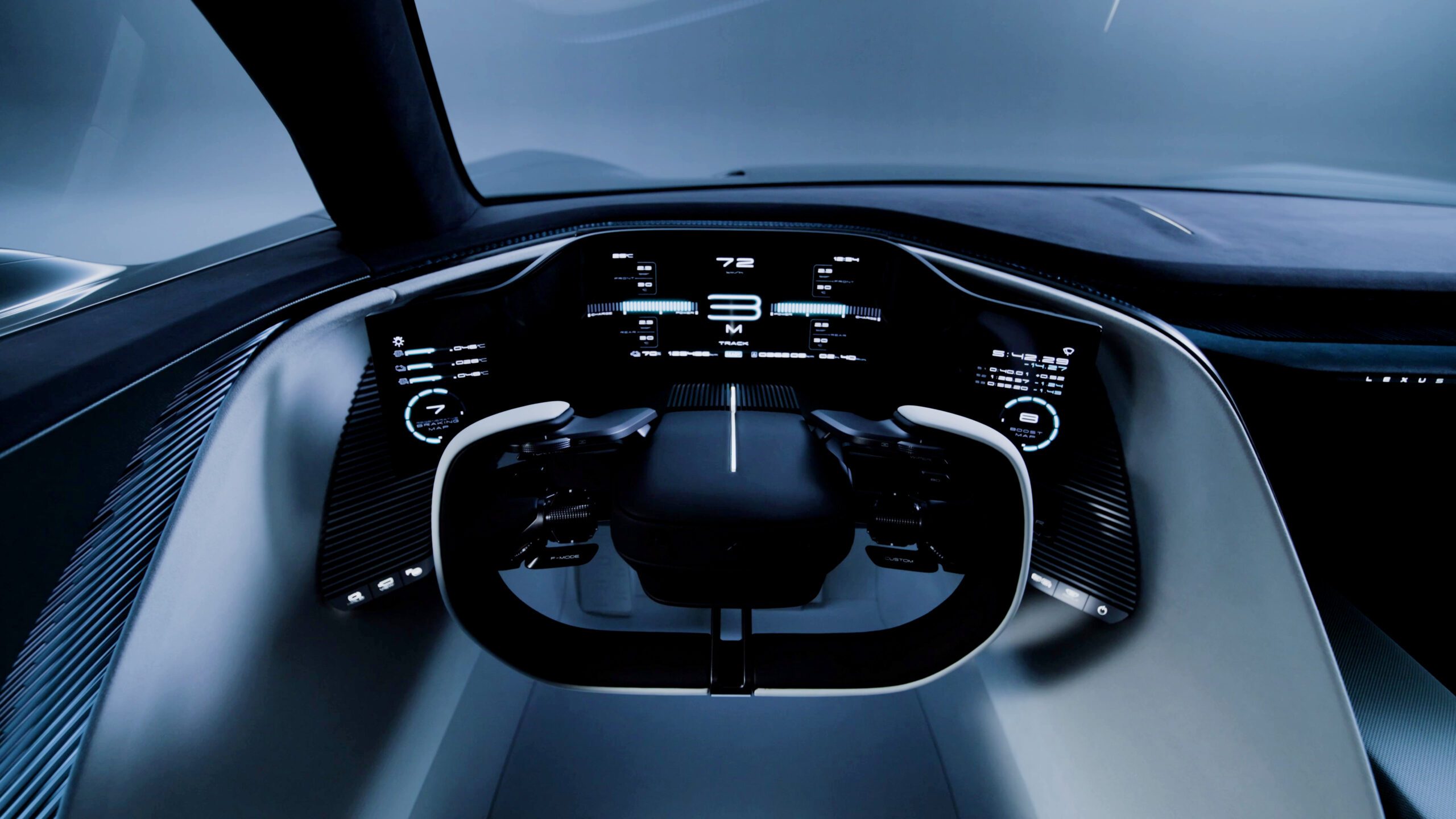
Inside, the focus shifts to what Lexus calls “Discover Immersion,” a design philosophy centred on the driving position and the purity of the interface between driver and machine. The cockpit is intentionally minimalist and driver-focused, with controls placed intuitively and distractions kept to a minimum. Although still a concept interior, the layout gives a strong indication of Lexus’s intention to create an EV that feels alive and deeply connected rather than dominated by screens or excessive digitalisation.
Despite its dramatic debut, the LFA Concept remains just that for now. Lexus has not revealed power figures, battery specifications, acceleration targets or expected range. Nor has the company confirmed whether a production version is guaranteed. The car’s advanced chassis and cohesive design suggest the project could become ready with relatively minimal changes, but the final decision will depend on the market’s appetite for high-end electric sports cars, the pace of technological development and the regulatory environment leading into the next decade.
What is clear is that Lexus wants to show the world that electrification does not mean the end of emotional, crafted performance vehicles (which yours truly wholeheartedly agress, by the way). The original LFA became legendary not only because of its engine, but because of the obsessive engineering that went into its dynamics, materials and sound. The new concept aims to reinterpret that legacy without relying on combustion, demonstrating that the future of the supercar can still be shaped by passion as much as by efficiency.
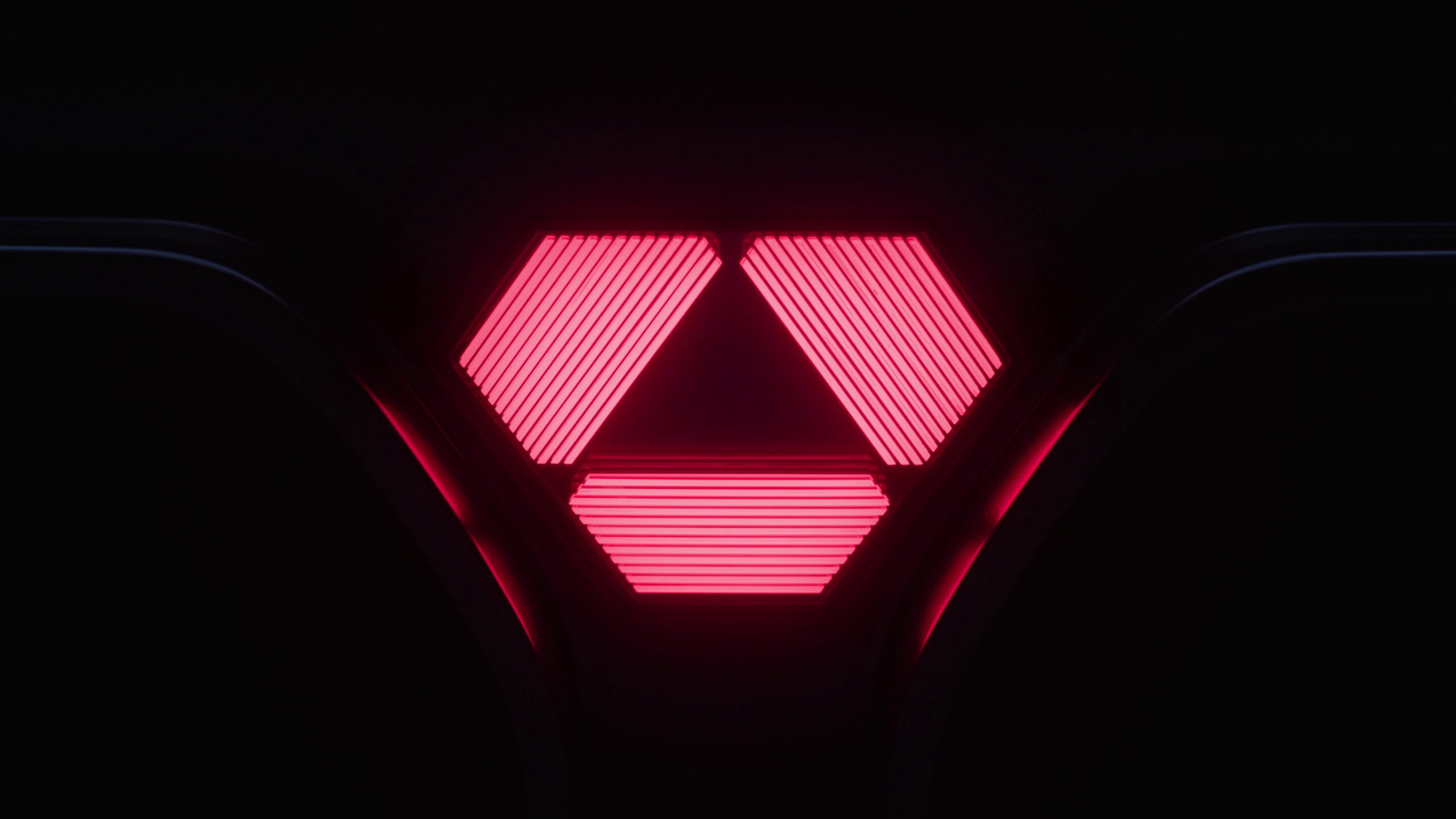
The LFA Concept strikes us as a statement of intent: Lexus plans to evolve, not abandon, the artistry of its halo performance machines. If this concept reaches production, it could redefine what the next era of supercars looks like, yet still deeply rooted in the values that enthusiasts cherish. For now, it offers an exciting glimpse at how one of the most storied names in modern automotive history might live on in a world powered not by petrol, but by electrons.