Not too long ago, I attended the launch and first drive of the new Volkswagen Tayron, and while there, my biggest takeaway was that VW had gotten a two for one in making their lineup easier to understand while also improving the product offering. Now, after spending more time with the entry-level version of their newest entrant, that feeling has only solidified. Running the risk of doing a TL;DR, the Tayron isn’t just a stretched Tiguan, so join me while I explain why.
The Tayron slots neatly between the Tiguan and the Touareg in VW’s SUV tree, and yes, the alliteration of all the “T”s will go further than just the text title. But, unlike its predecessor, it feels a bit more built from the ground up to be a proper seven-seater rather than an extended five-seater, and that alone changes its proportions, stance, and character.
What really makes my time with the Tayron interesting, though, is the trim level breakdown. During the launch event, I had the range topping example with all options ticked. But this Tayron I’ve been living with is the entry level, Elegance trim. The product planning decisions made here led to an entry trim that doesn’t feel like you’ve cut corners, or that punishes you for not going all out.
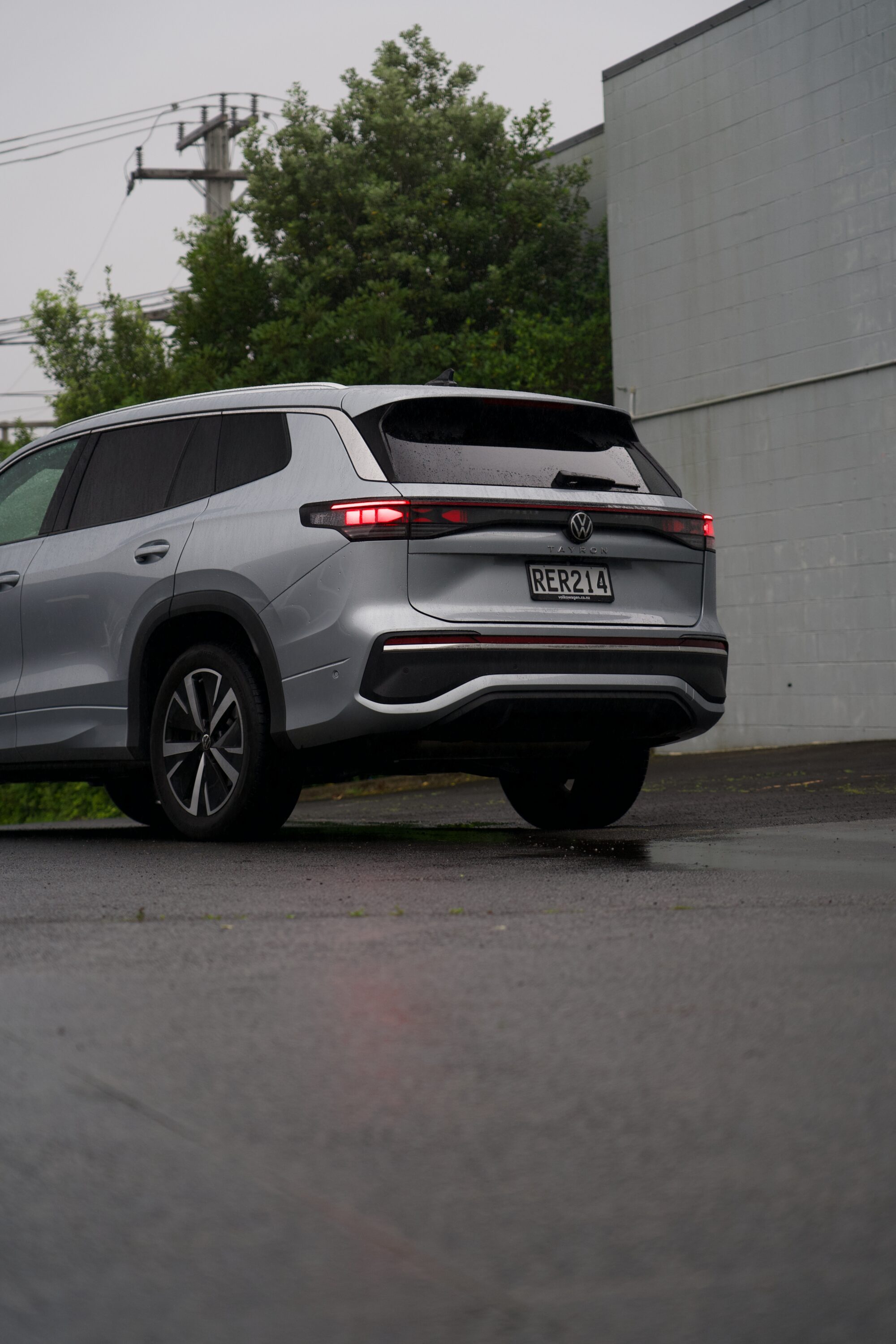
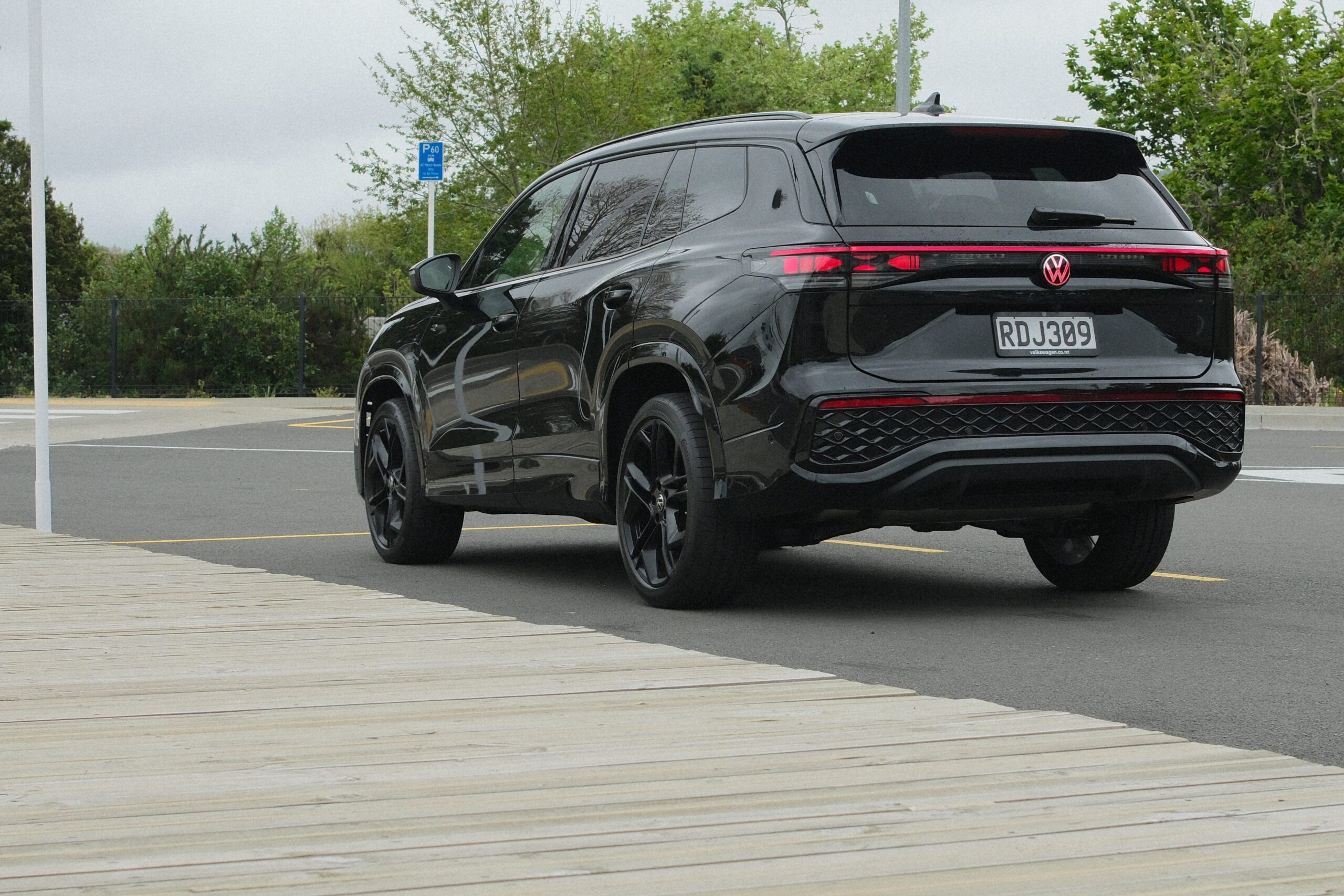
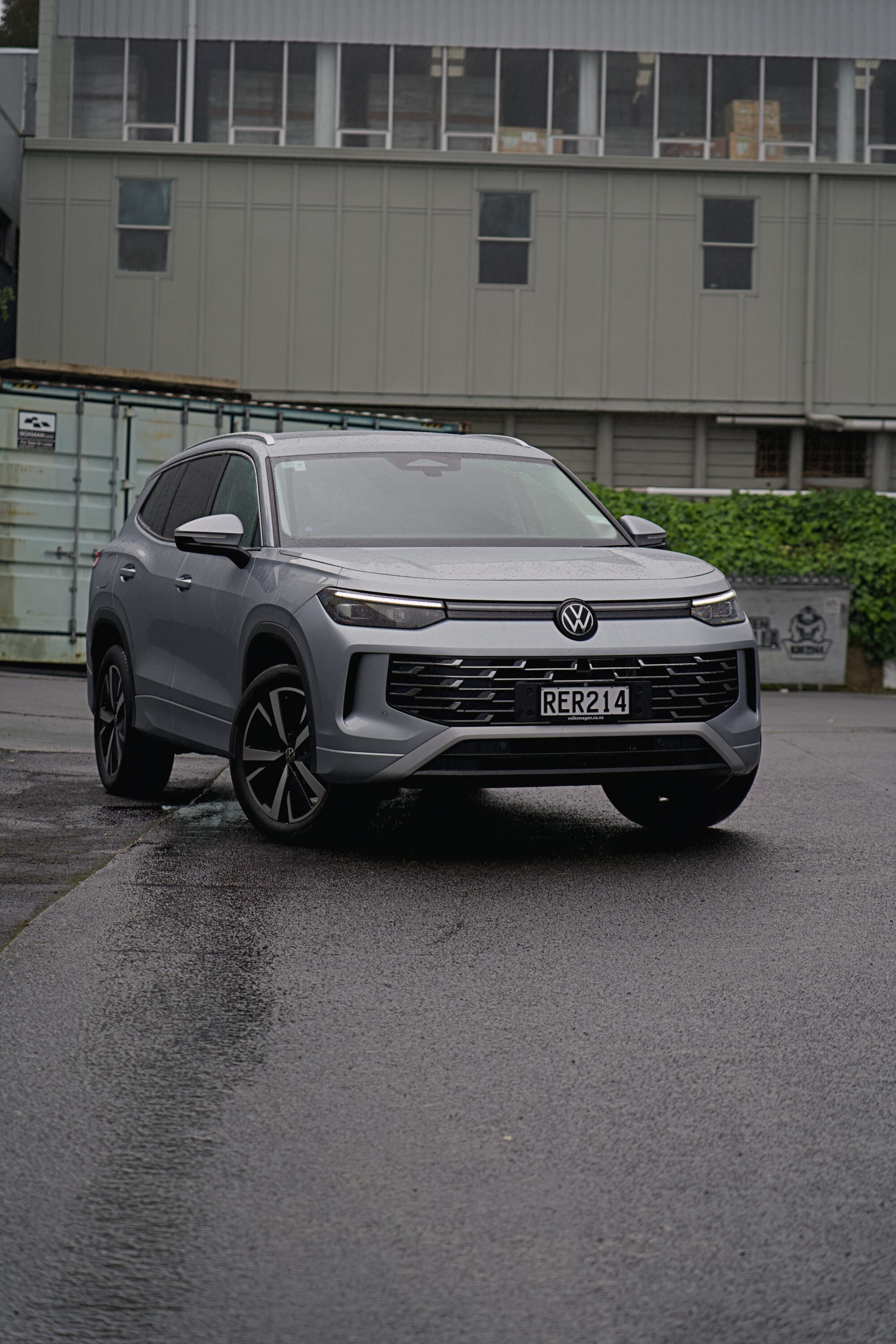
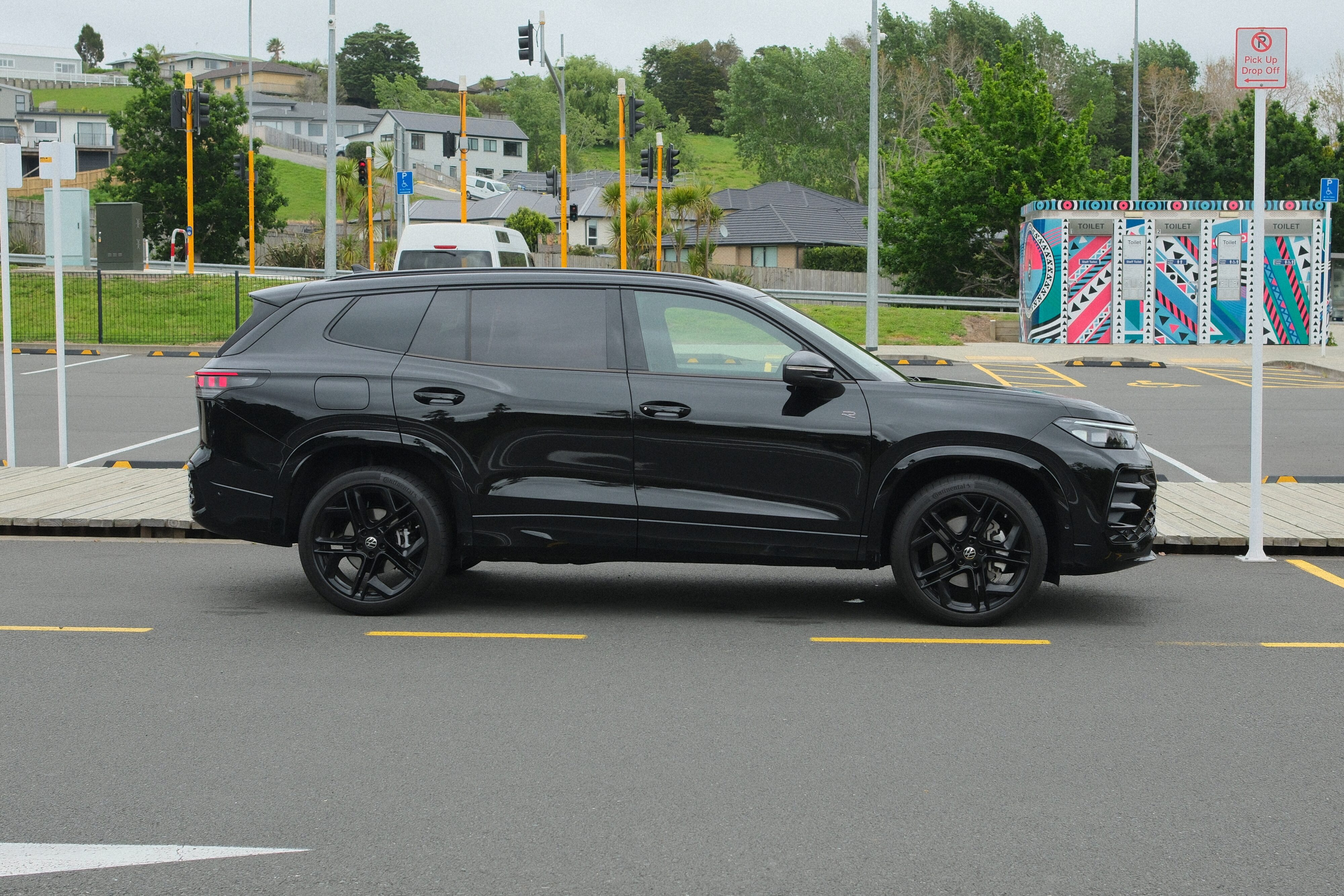
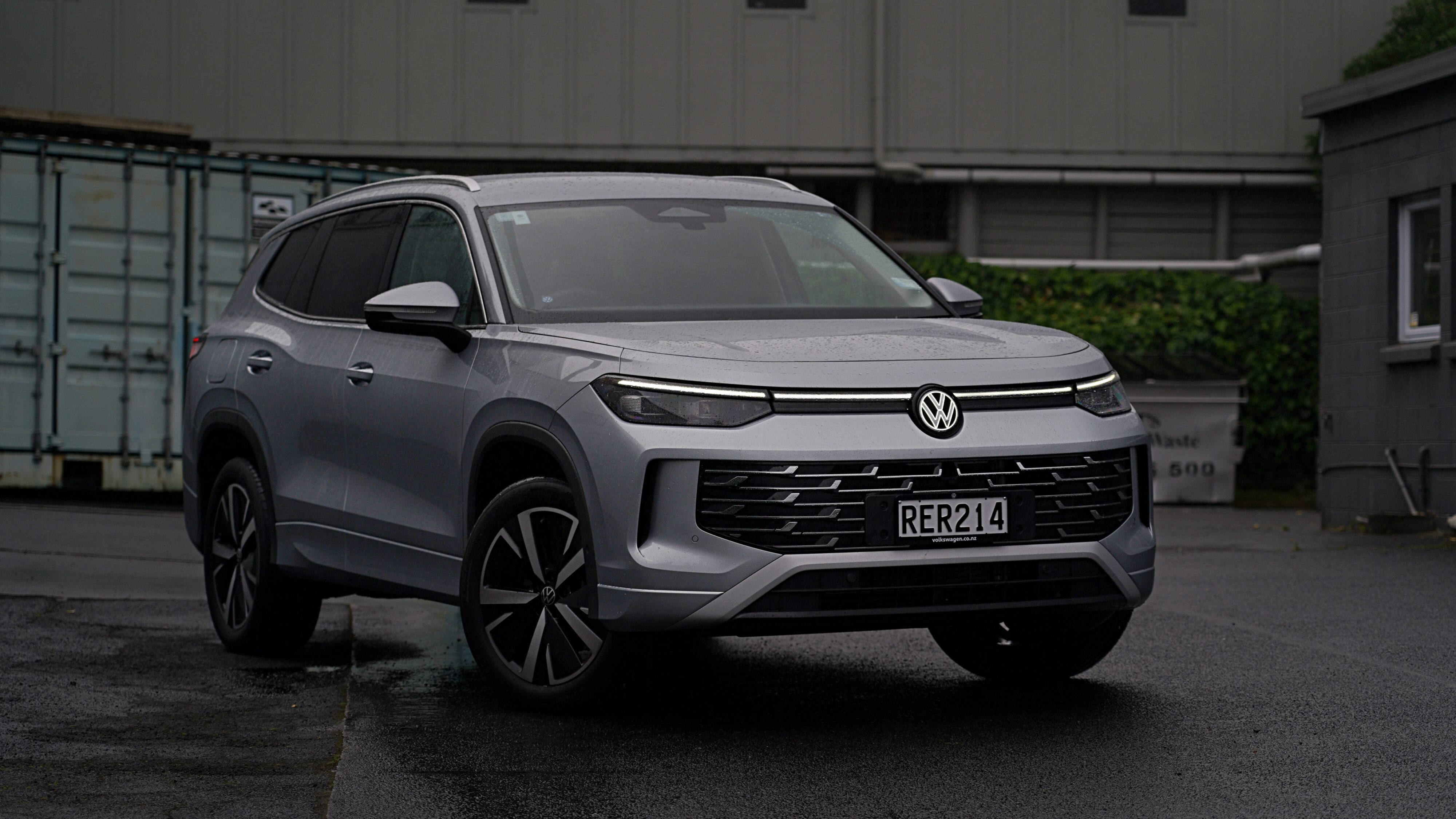
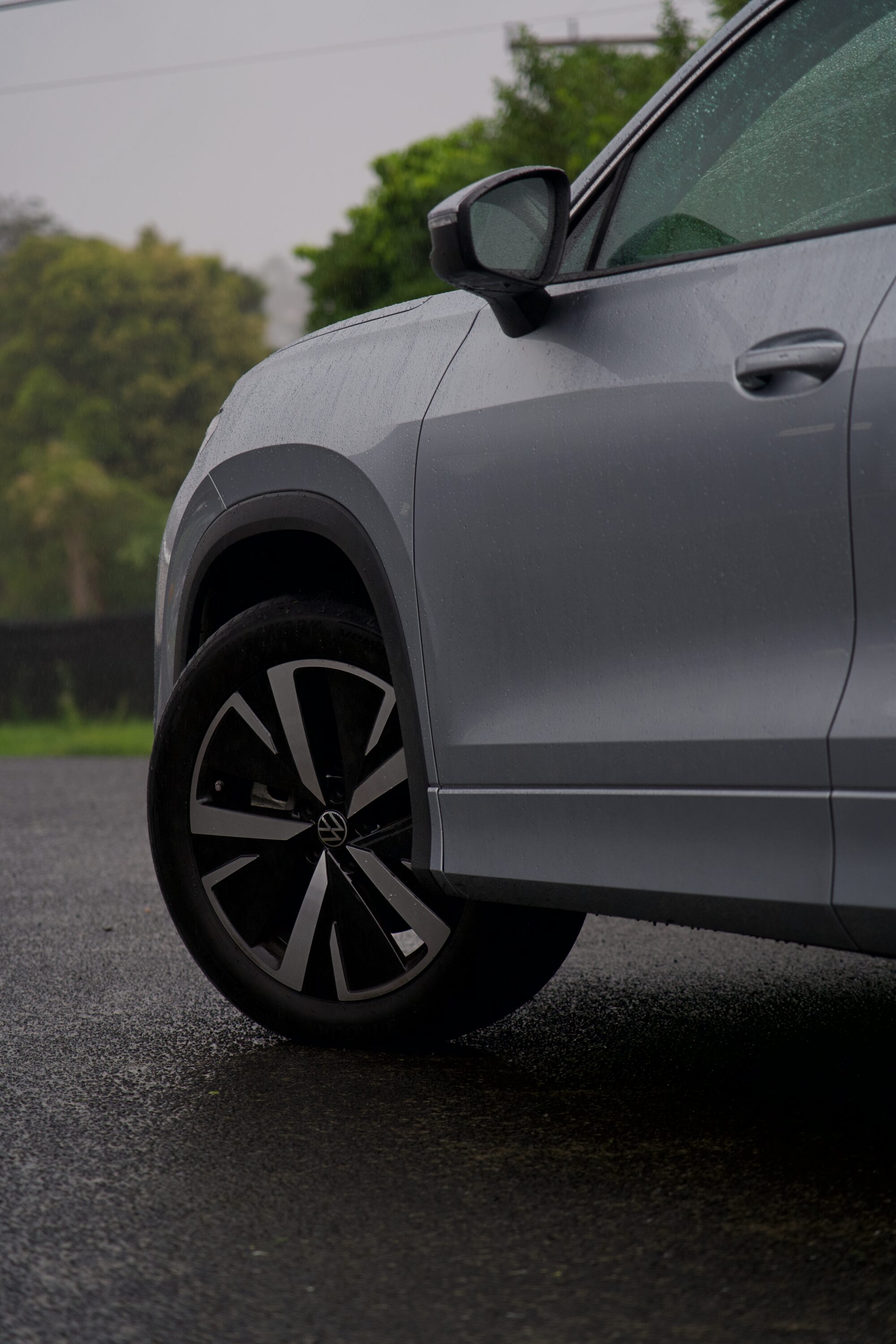
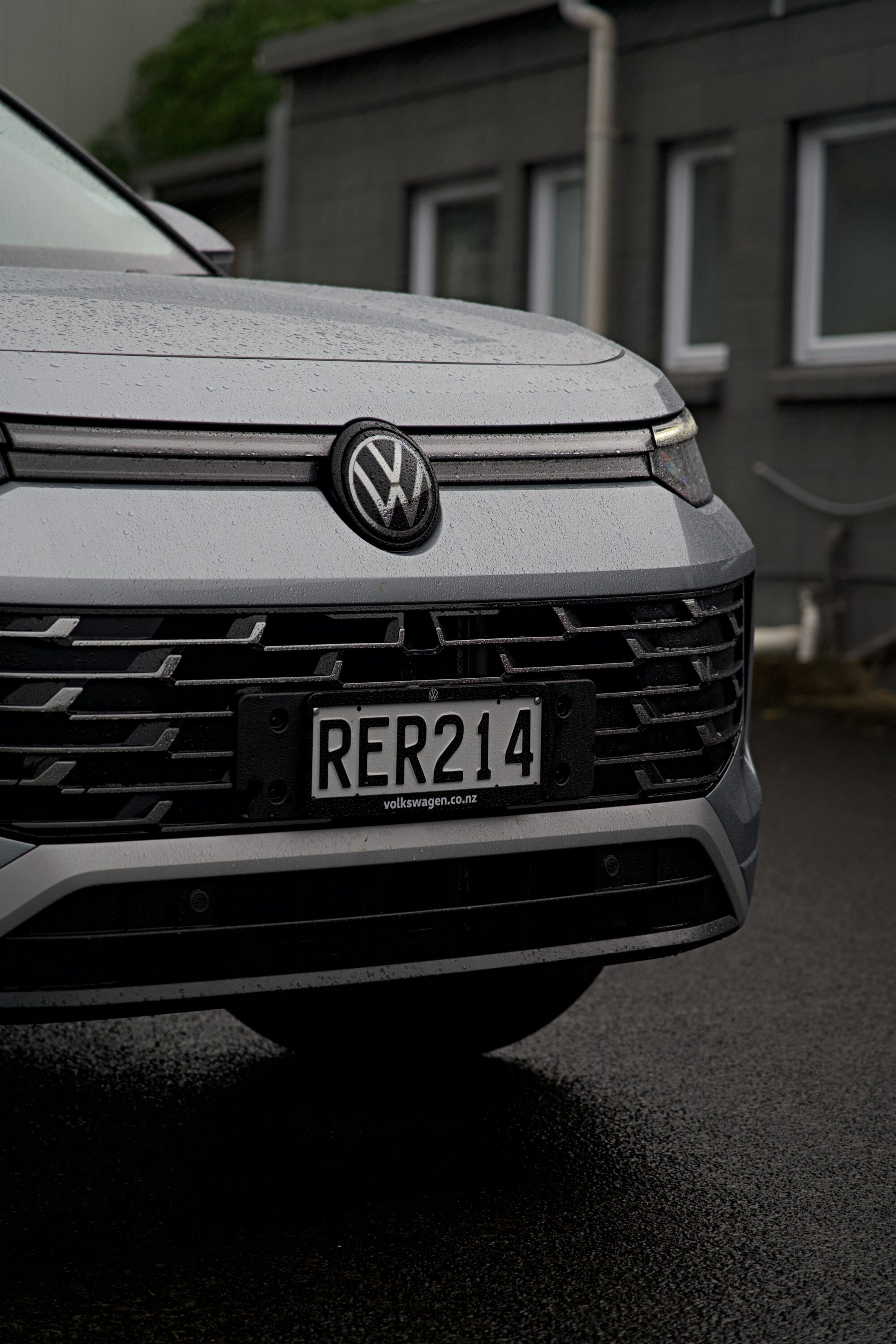
The Tayron looks great in person, evolving the design introduced by the new Tiguan with proportions that are better resolved than the old Allspace. I always found the previous gen of the Tiguan to be highly spec dependent, looking frumpy and over stretched when in entry level, Allspace trim. The Tayron completely solves this, having a proper stance without being too big, and with visual choices that bring the staple VW subtleness while still looking posh enough.
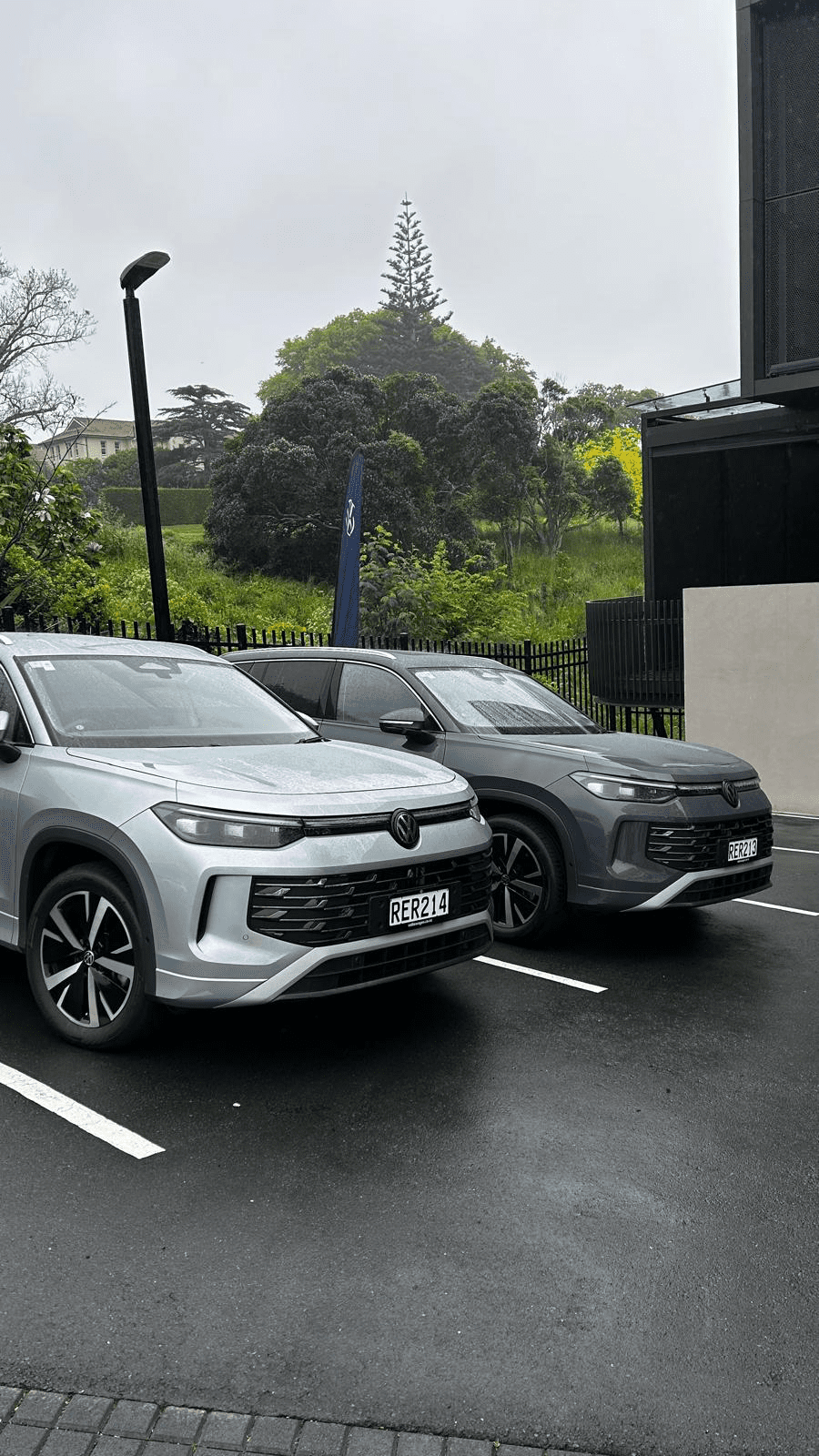
It looks like a car designed to have seven seats, not one that’s been stretched to accommodate them. Over my time with it, the looks never wore off — if anything, the design grew on me. It strikes a perfect balance between everyday subtlety and premium sophistication, something VW tends to do very well. It also manages to detach itself from the new generation Tiguan, by introducing new bumpers, lights, wheels and character lines, so they each feel like an individual entry to the lineup. I still think the badges that light up a tad too much for a brand that usually flies under the radar, but hey.
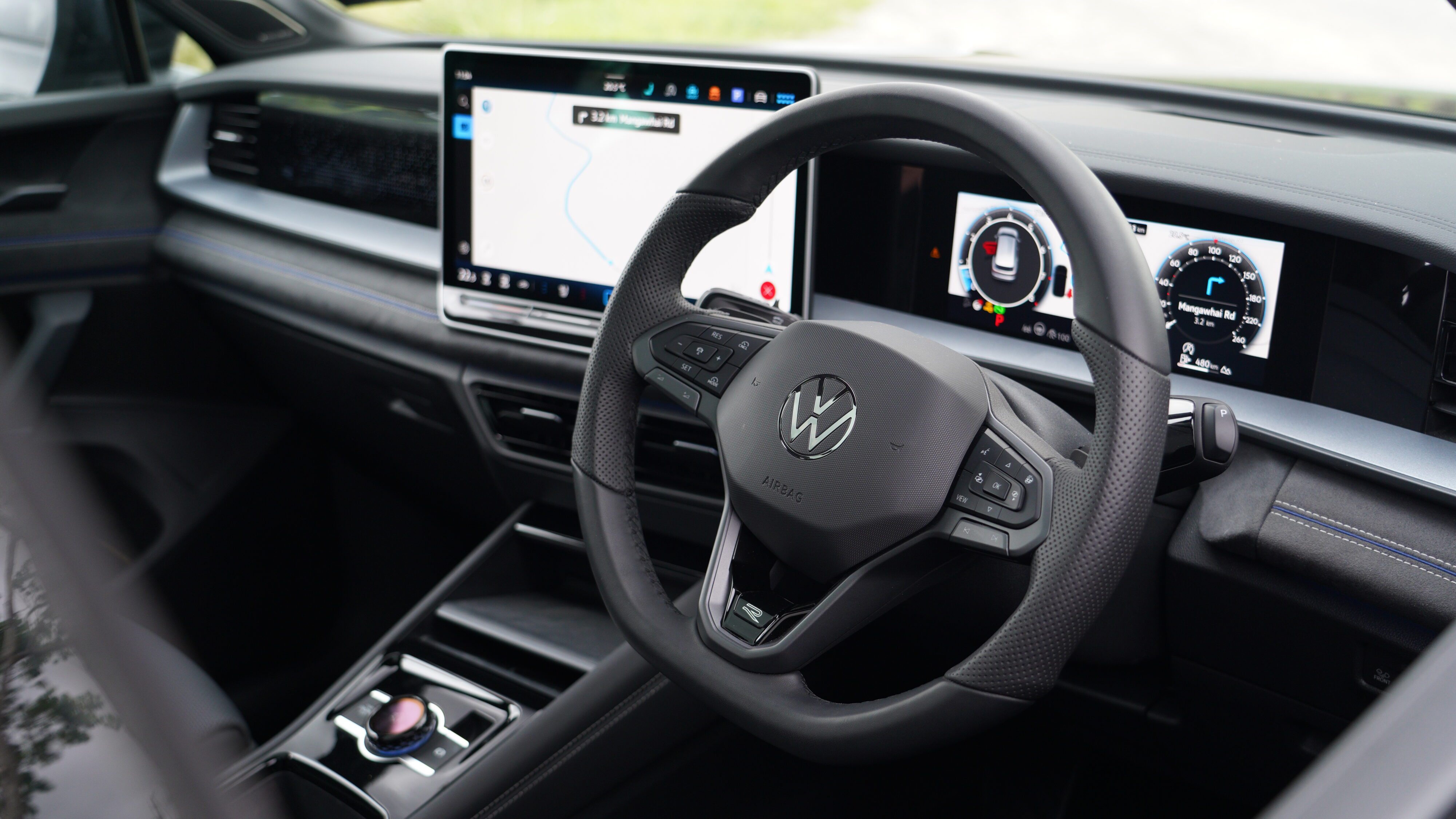
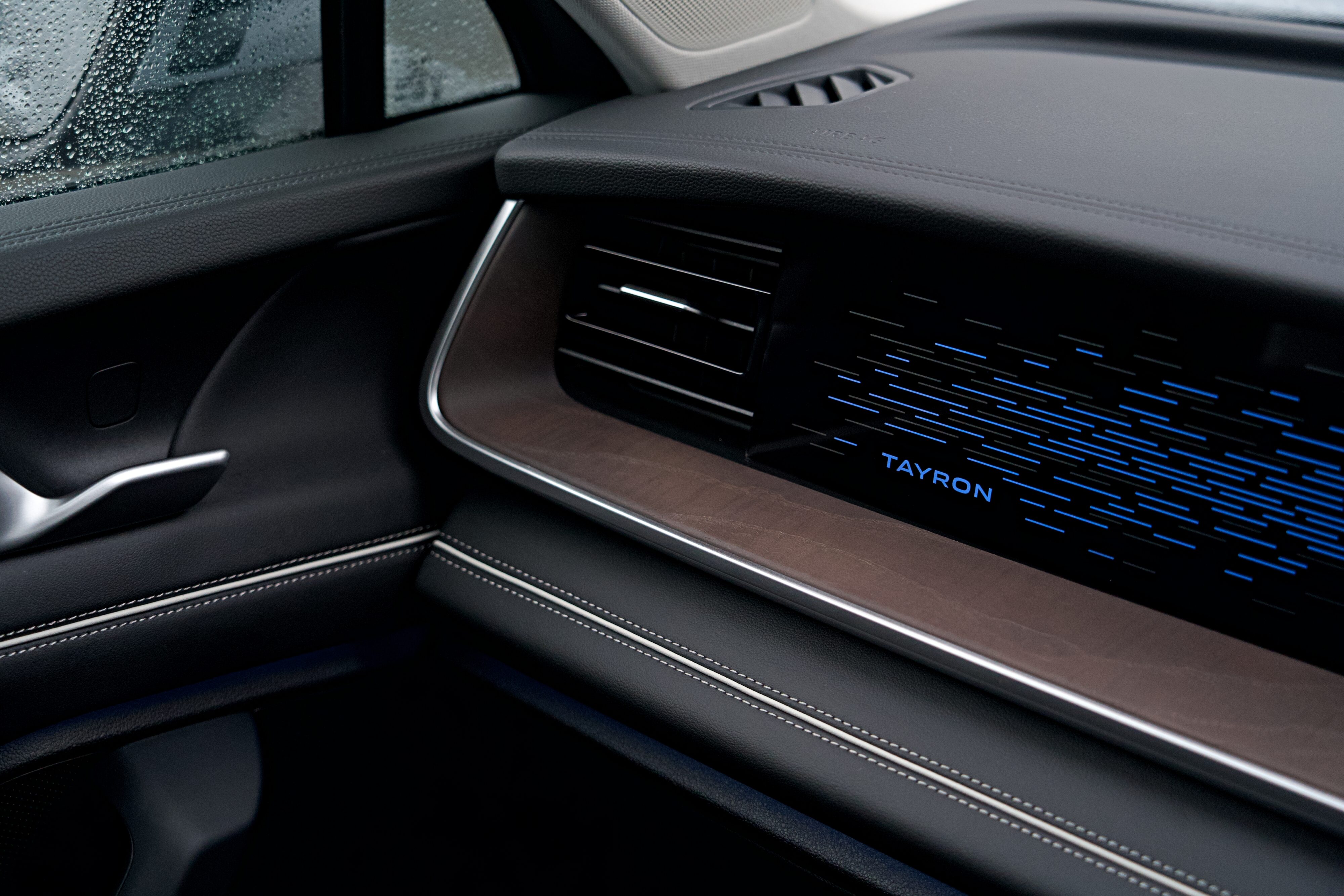
Step inside, and the same theme continues: evolution, but with a touch of revolution. The Tayron’s cabin feels both modern and functional, combining VW’s familiar ergonomics with a more adventurous material palette. And again, it differentiates itself from the Tiguan by taking another approach to the dash, that includes soft-touch surfaces, and the layout is simple but solid. There’s a “chunky but refined” quality to the way the buttons and toggles operate — everything feels robust and considered.
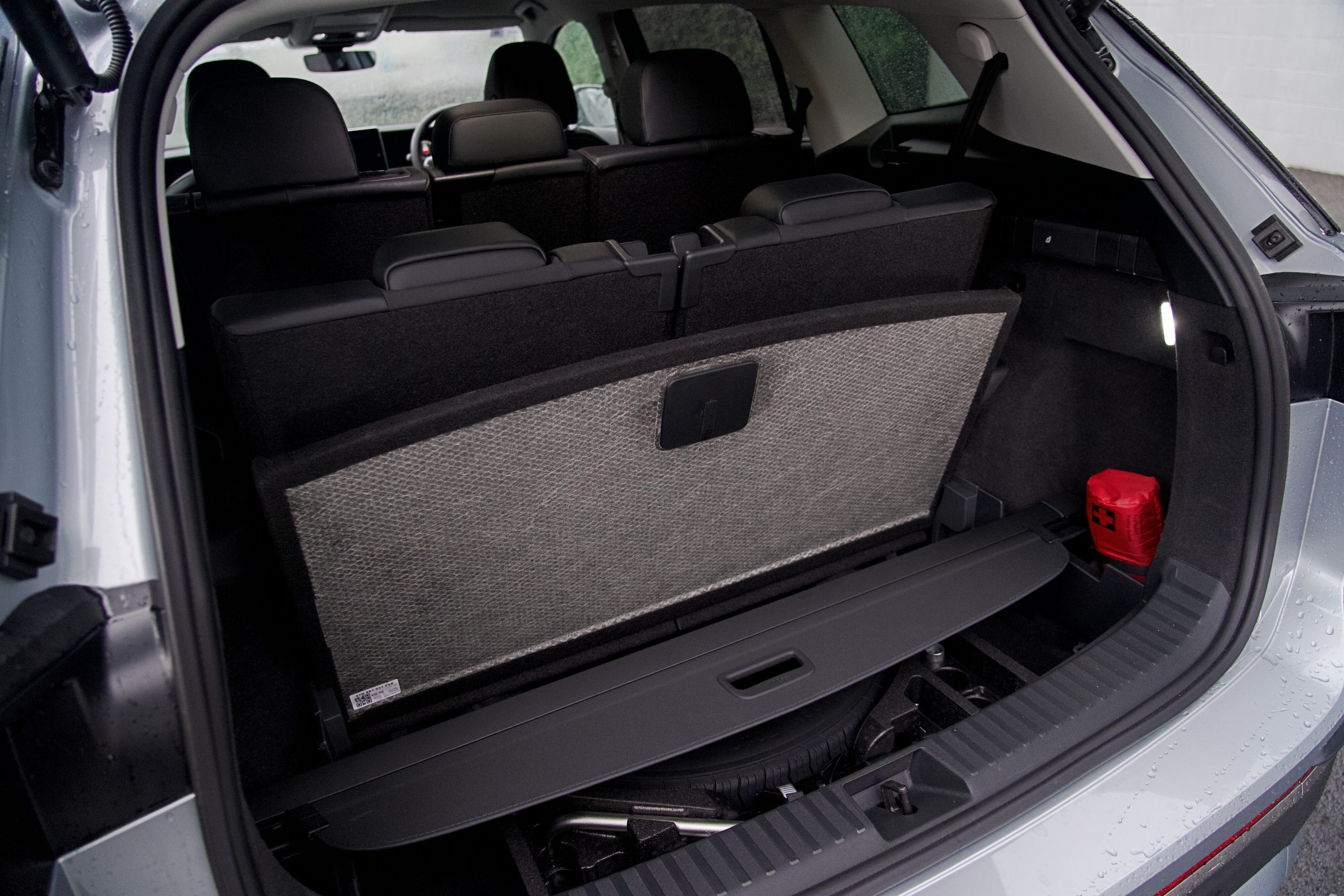
The seven-seat layout is another strong point. In this entry-level configuration, there’s no excess of glossy trim or unnecessary gimmicks; instead, you get usability and thoughtful packaging. The second-row seats slide and recline, while the third row is serviceable for short trips or younger passengers. Fold everything flat, and you’ve got a genuinely useful load area that’s easily accessed through a low boot sill.
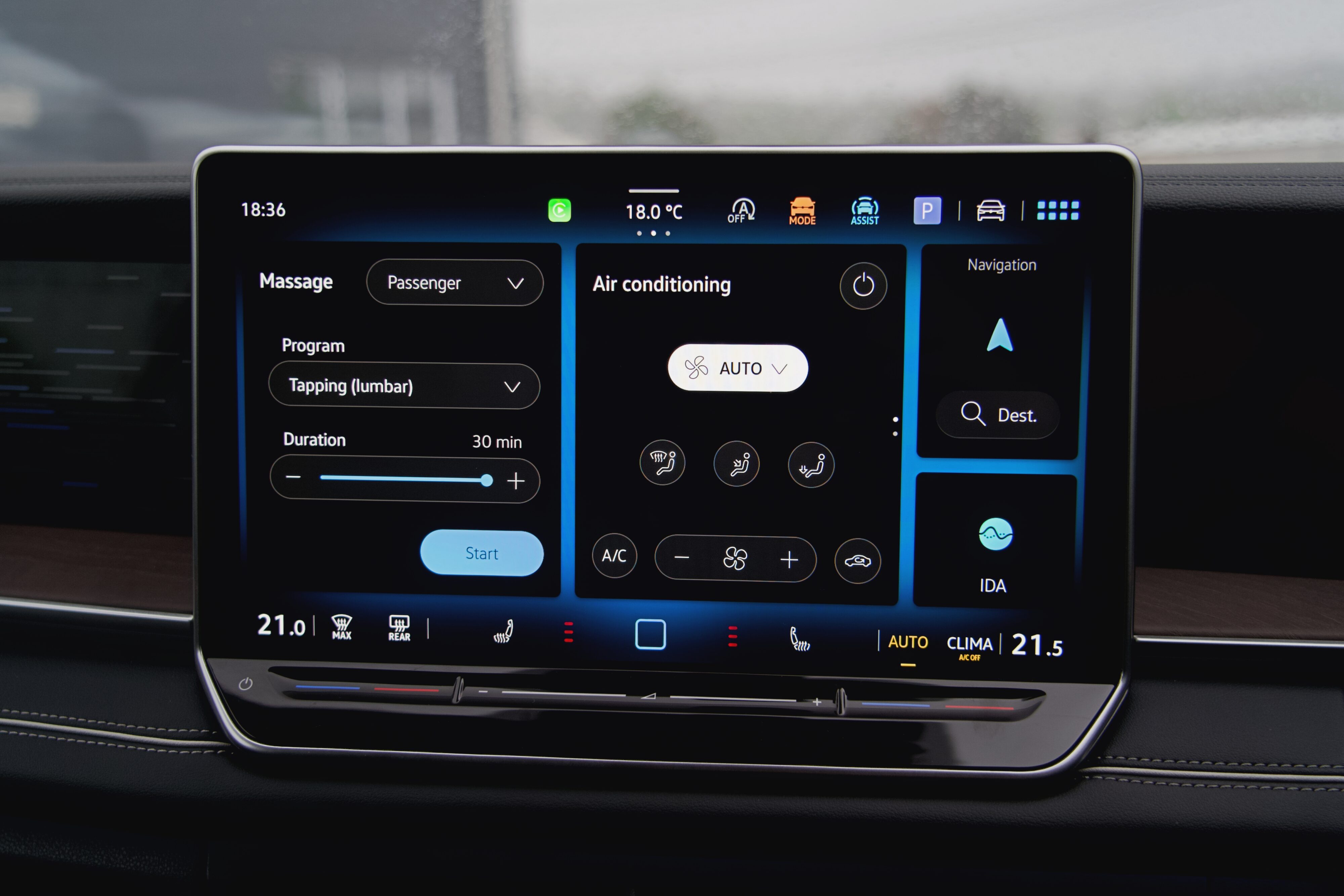
Even though this isn’t the top-spec model, there’s an undeniable sense of quality. Visibility is excellent, the cabin feels airy, and the comfortable seats are supportive and generously adjustable, including heating and even a massage function, despite them being cloth.
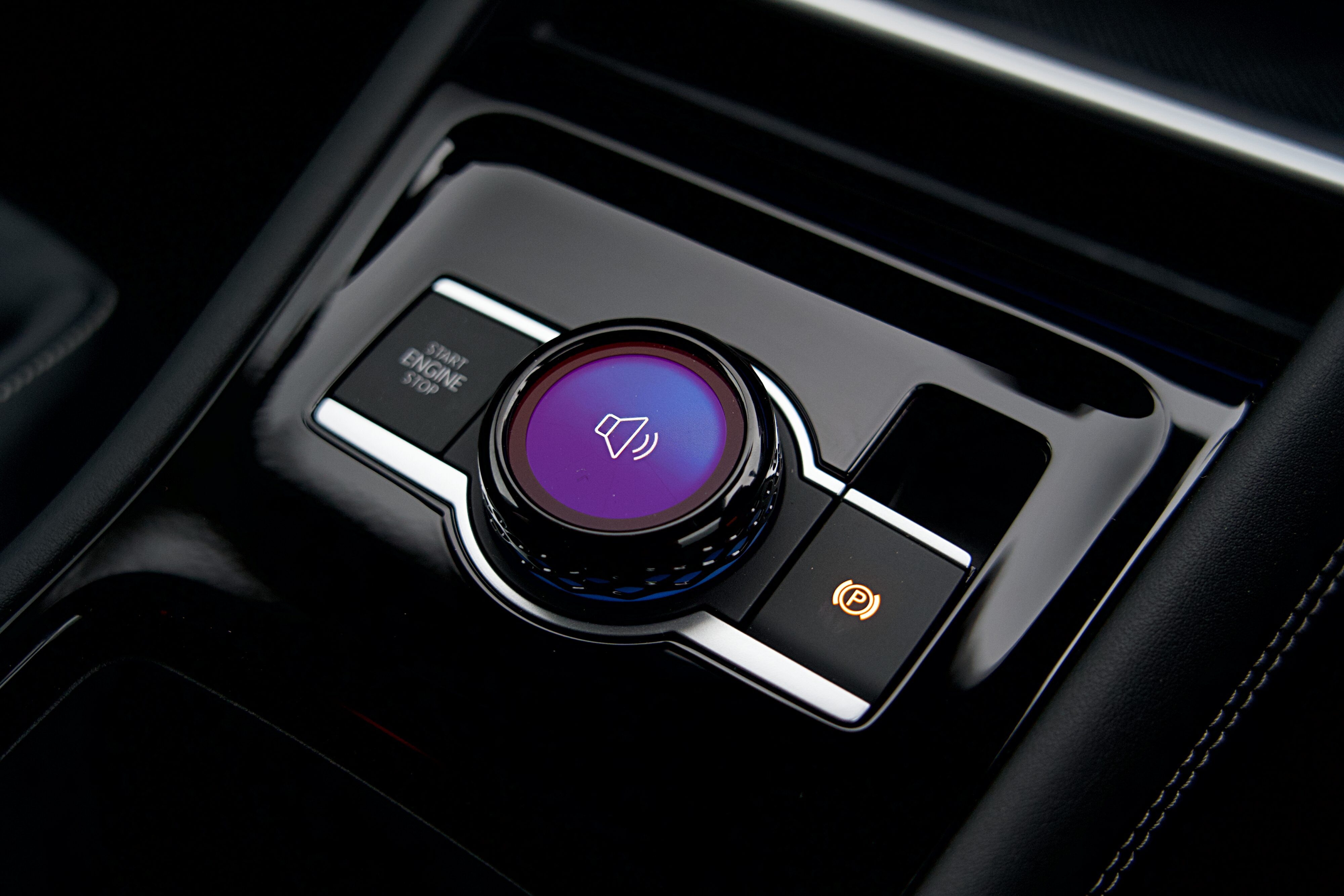
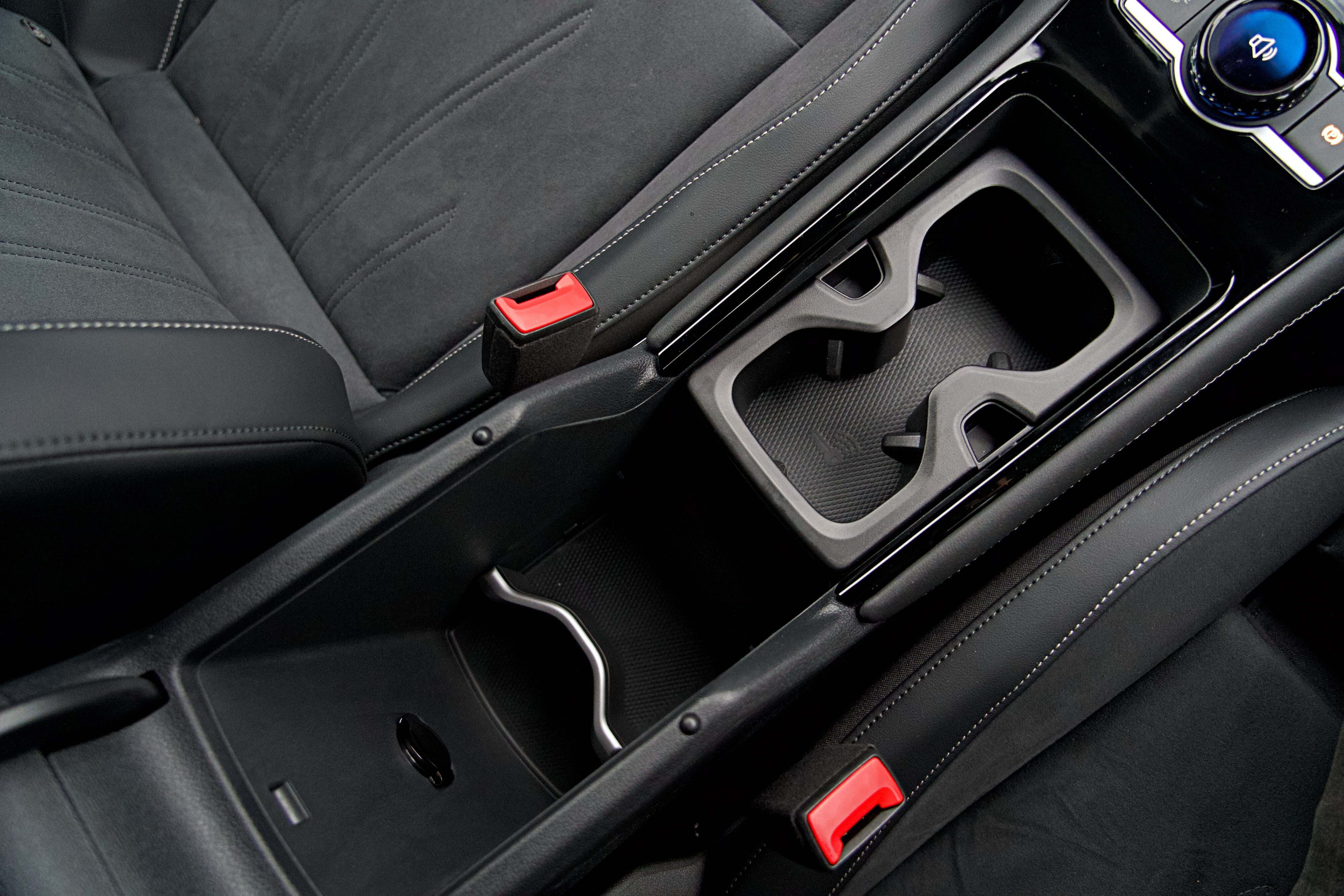
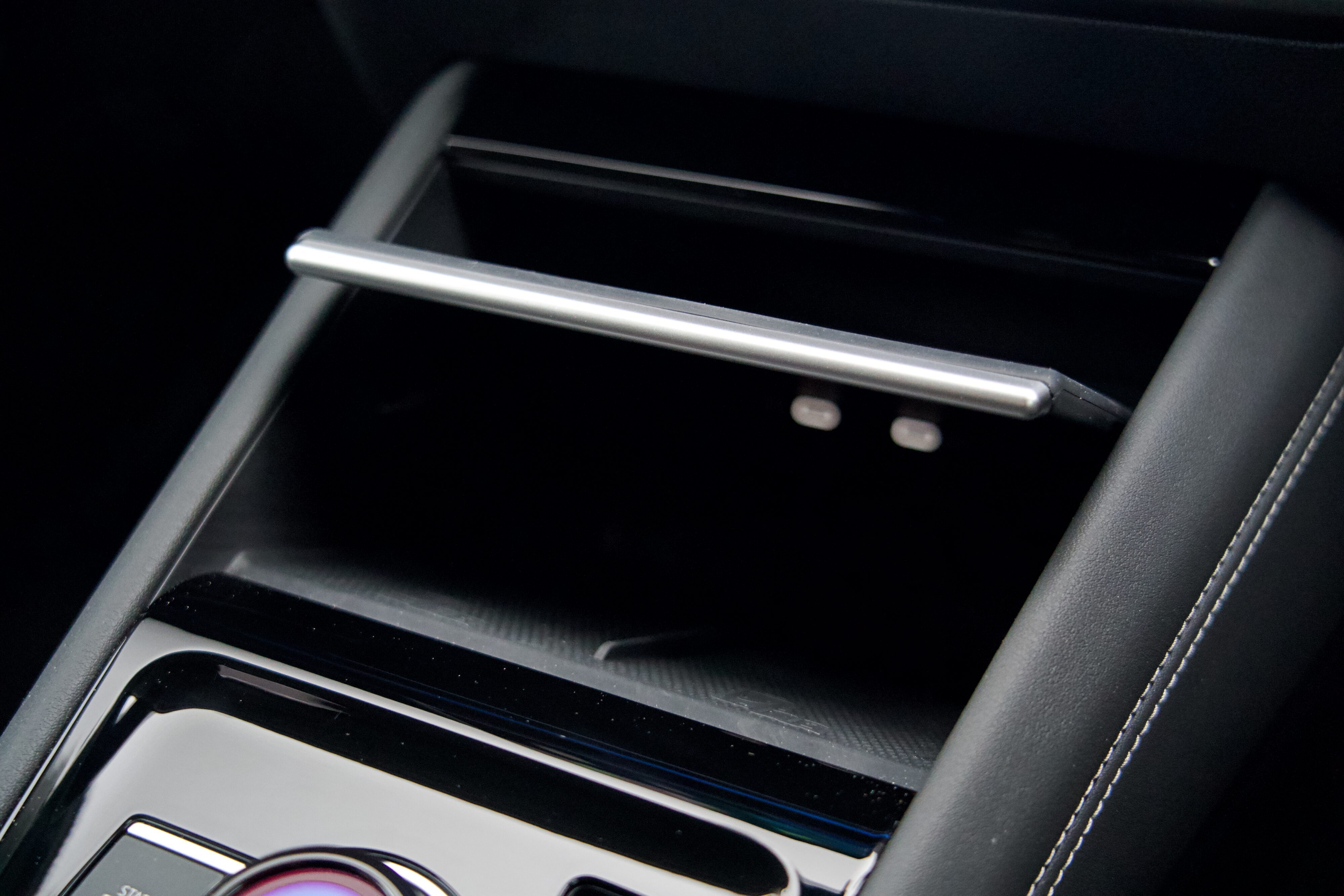
Over time, I found the practicality and overall cabin design to be some of its biggest strengths. The customisation available on the centre console with the removable barriers and cupholder, and all the extra space freed up by moving the gear selector are a very welcome addition, especially considering they also allow for a rotary knob that does dual duty as a volume dial and drive mode selector.
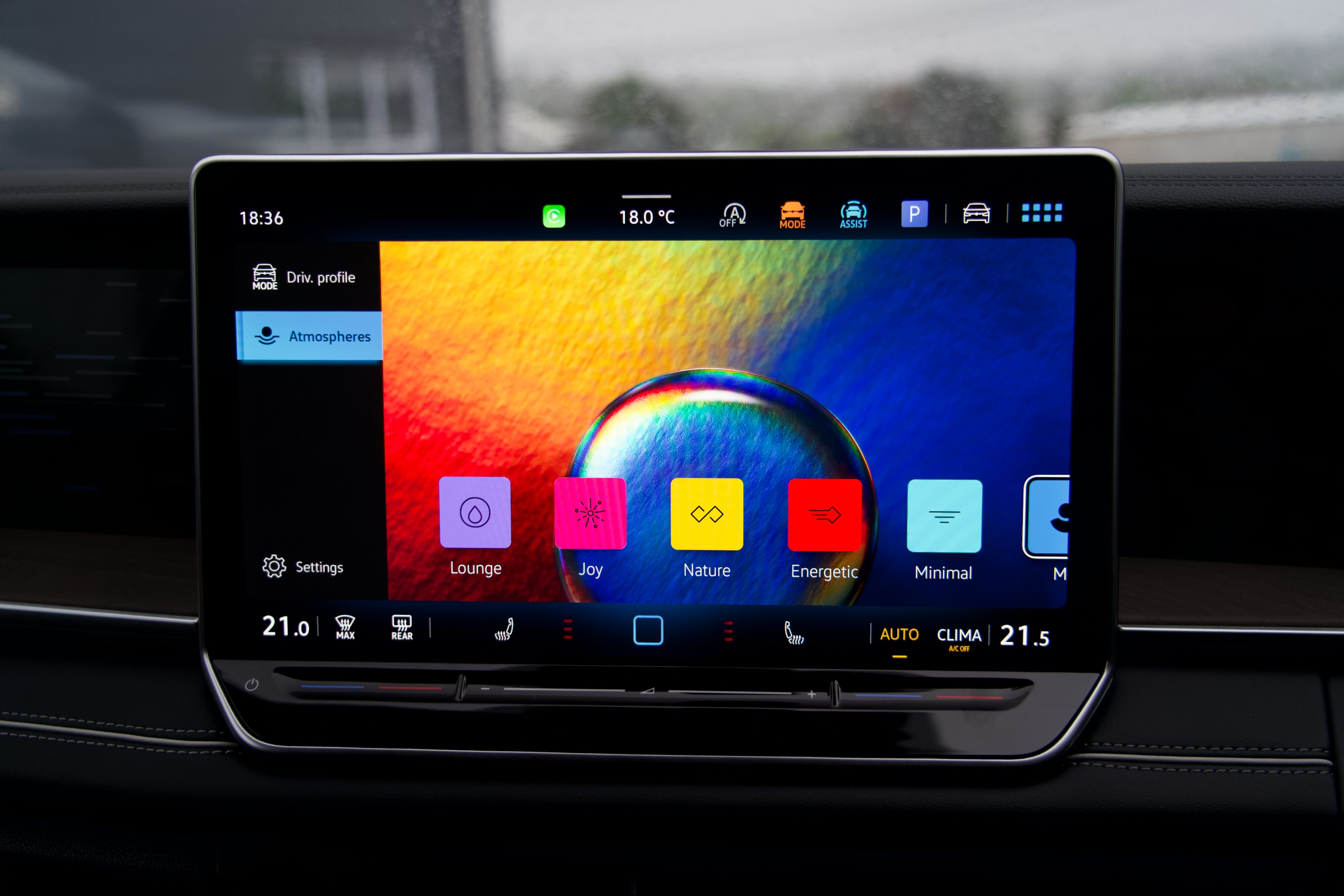
Technology has been a big talking point with newer Volkswagens (I feel like a broken record myself), and all the good we’ve seen recently continues here. You get a large central touchscreen running VW’s latest infotainment system and a crisp digital driver’s display. The graphics are clean, and the menu logic is straightforward once you get used to it, and responsiveness is at an all time high. The R-Line trim increases screen size by 3 inches, but as we all know, size doesn’t matter: 12 is more than enough.
On the input front, physical buttons are back for most essential controls, which makes a big difference in everyday usability. The only exception is the temperature slider, but sensitivity on the slider controls is more precise now, and it doubles up as a heated seat switch if you tap it with two fingers – I bet you didn’t know it.
Connectivity is covered with wireless Apple CarPlay and Android Auto, and the base trim does away with the Harman Kardon system, but still holds up well enough. Something unexpected that really impressed me was the wireless charging pad, which at 45W and with an amazing shelf and ventilation system, charged up my phone by 45% during one of the legs of the launch event.
Under the bonnet of the entry-level Tayron sits a 2.0-litre turbocharged petrol engine paired to a seven-speed DSG and VW’s 4MOTION all-wheel-drive system. It’s a familiar setup, but one that’s been refined to deliver better smoothness and responsiveness than before. The powertrain feels as effortless as it does elsewhere, and the extra weight of the Tayron doesn’t seem to blunt its character. The R-Line offers the same ingredients, but with a bump in power that sort of mimics the GTI vs R formula (150kW/320Nm vs 195kW/400Nm)
On the road, the Tayron drives beautifully, with a signature that is textbook VW. Steering is precise, the suspension strikes a nice balance between comfort and control (even when on loose gravel) and the cabin remains impressively quiet even on coarse chip roads. It is extremely surefooted, confidence inspiring, and just “feels right” behind the wheel: composed, predictable, and easy to drive quickly if you want to.
The gearbox behaviour is worth noting, too. I’m a big DSG apologist, and appreciate its smooth and decisive performance, rarely caught out when accelerating out of corners or overtaking. While the Tayron isn’t a performance SUV, it carries itself with gusto and makes long drives enjoyable.
As a seven-seater, the Tayron’s job is to make everyday life easier, and it does that very well. Access to the third row is straightforward, there’s ample storage throughout the cabin, and there are clever implementation details such as collapsible cupholders, double-action seatbelts and a place to store the cargo cover. Even the base model comes well equipped, with adaptive cruise control, a suite of safety tech, and plenty of creature comforts.
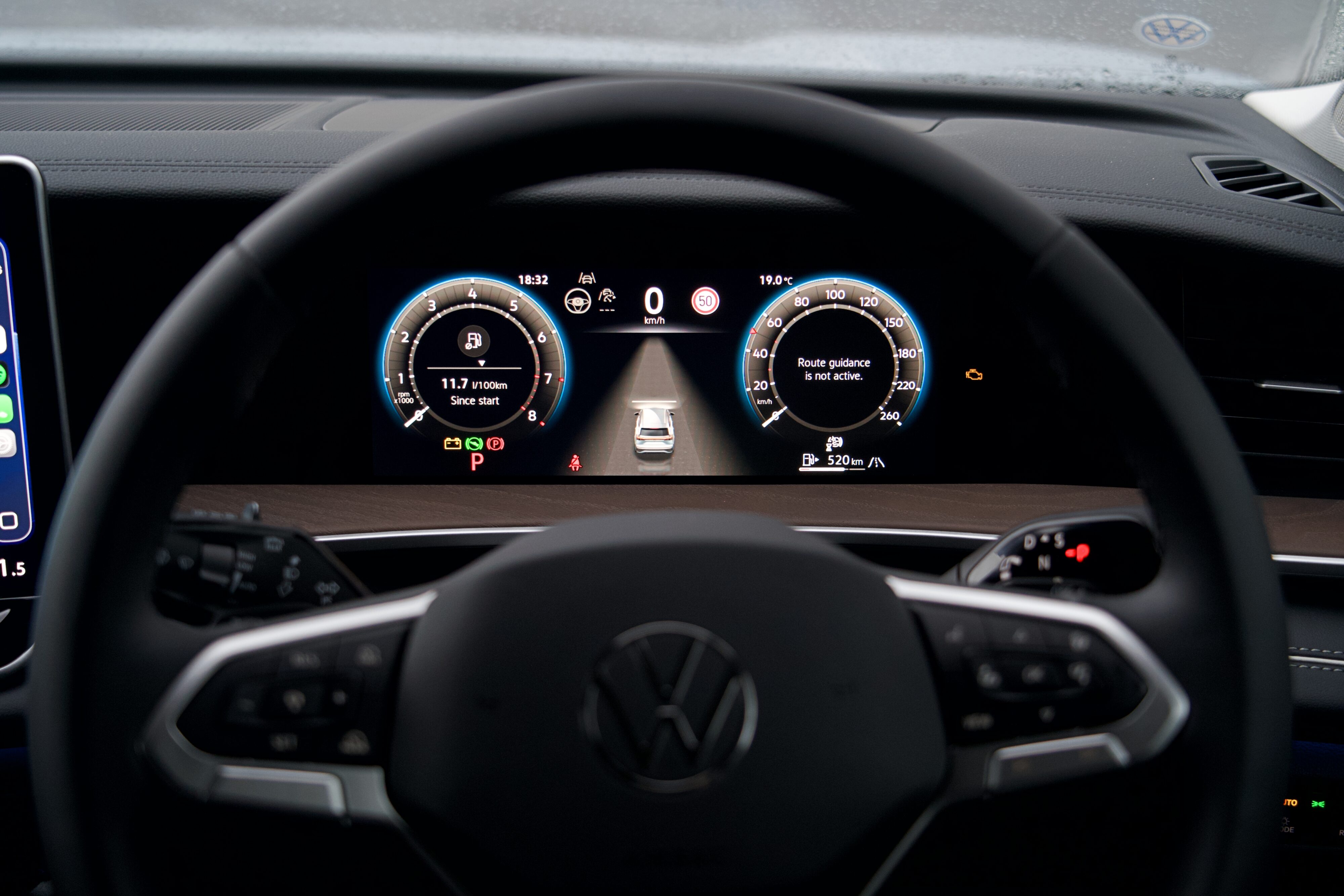
Efficiency during my time with the car hovered around the mid-8 L/100 km mark, which is very reasonable for a petrol all-wheel-drive seven-seater. And unlike most rivals, the Tayron manages to blend that efficiency with a genuinely enjoyable driving experience, where usually you can only have one or the other.
Pricing in New Zealand starts at $78K and stops just under the six-figure mark, depending on specification and options, and while that puts it squarely in competition with the Sorento and Santa Fe, the Tayron counters with an elevated sense of refinement and a more European driving feel.
The Volkswagen Tayron is exactly what it needed to be: a true successor to the Tiguan Allspace that feels purpose-built, modern, and versatile. In the R-Line trim, it reflects VW’s move upmarket and feels like a premium offering. Alternatively, in entry-level guise, it strikes a sweet spot by packing all the substance, less of the flash.
It looks great, drives confidently, and delivers all the practicality you’d expect from a modern seven-seater SUV without losing that understated VW character. The longer I had it, the more it impressed me. Turns out the Tayron doesn’t just replace the Tiguan, it outgrows it. Thanks, VW, for the opportunity, and thank you for reading this far!