If you missed our full event recap and brand context piece from yesterday (read it here), it covers Leapmotor’s refreshed ambitions for New Zealand, the Stellantis connection, and how the brand is positioning itself as a credible new EV contender. This piece picks up from there — moving from podium to pavement.
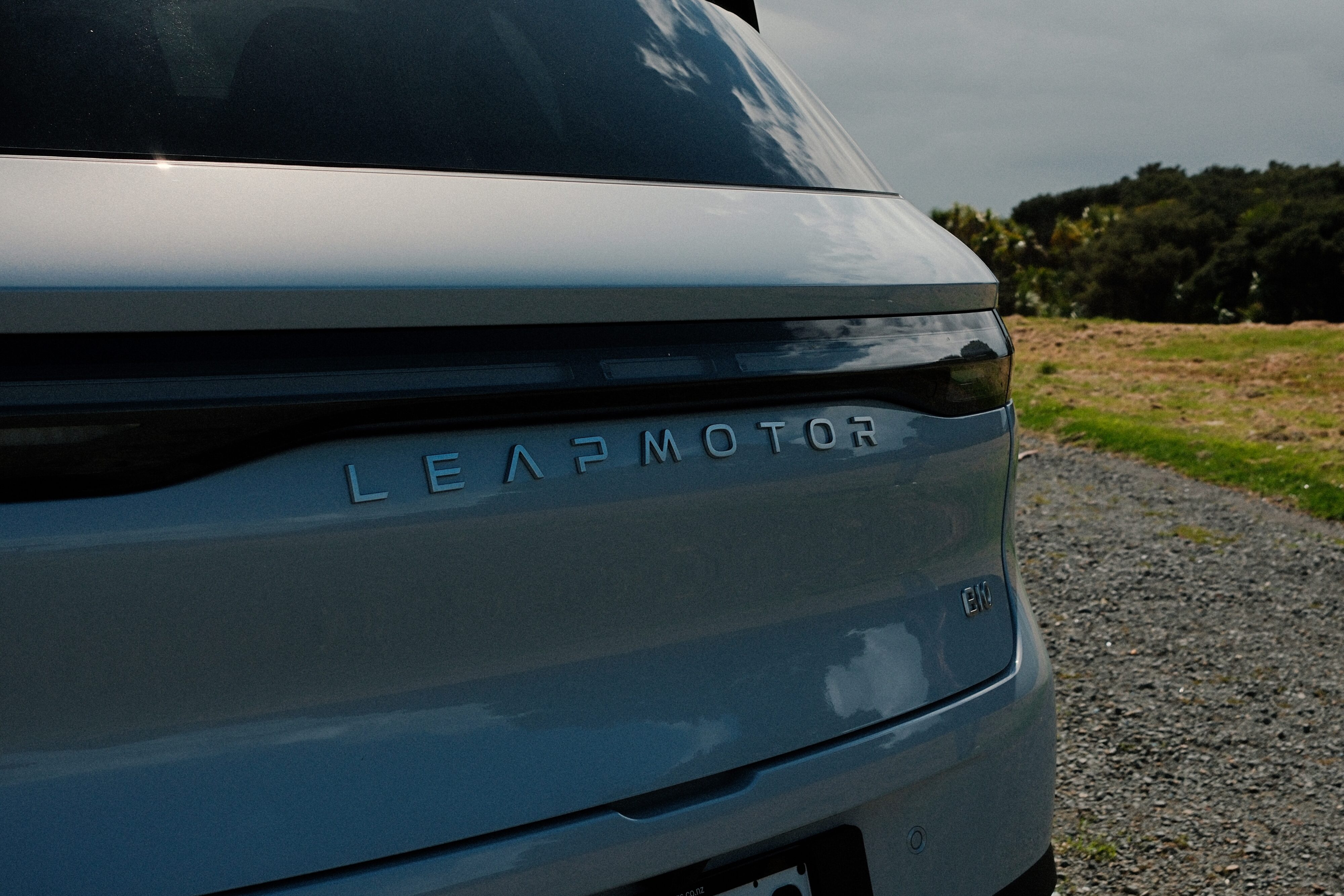
The B10 is Leapmotor’s second model to land locally, joining the larger C10 SUV, and also the first to ride on the brand’s new LEAP 3.5 architecture. That platform underpins both Life and Design trims – priced at $42,990 and $47,990 for now, respectively – with claimed ranges of 361km and 434km (WLTP).
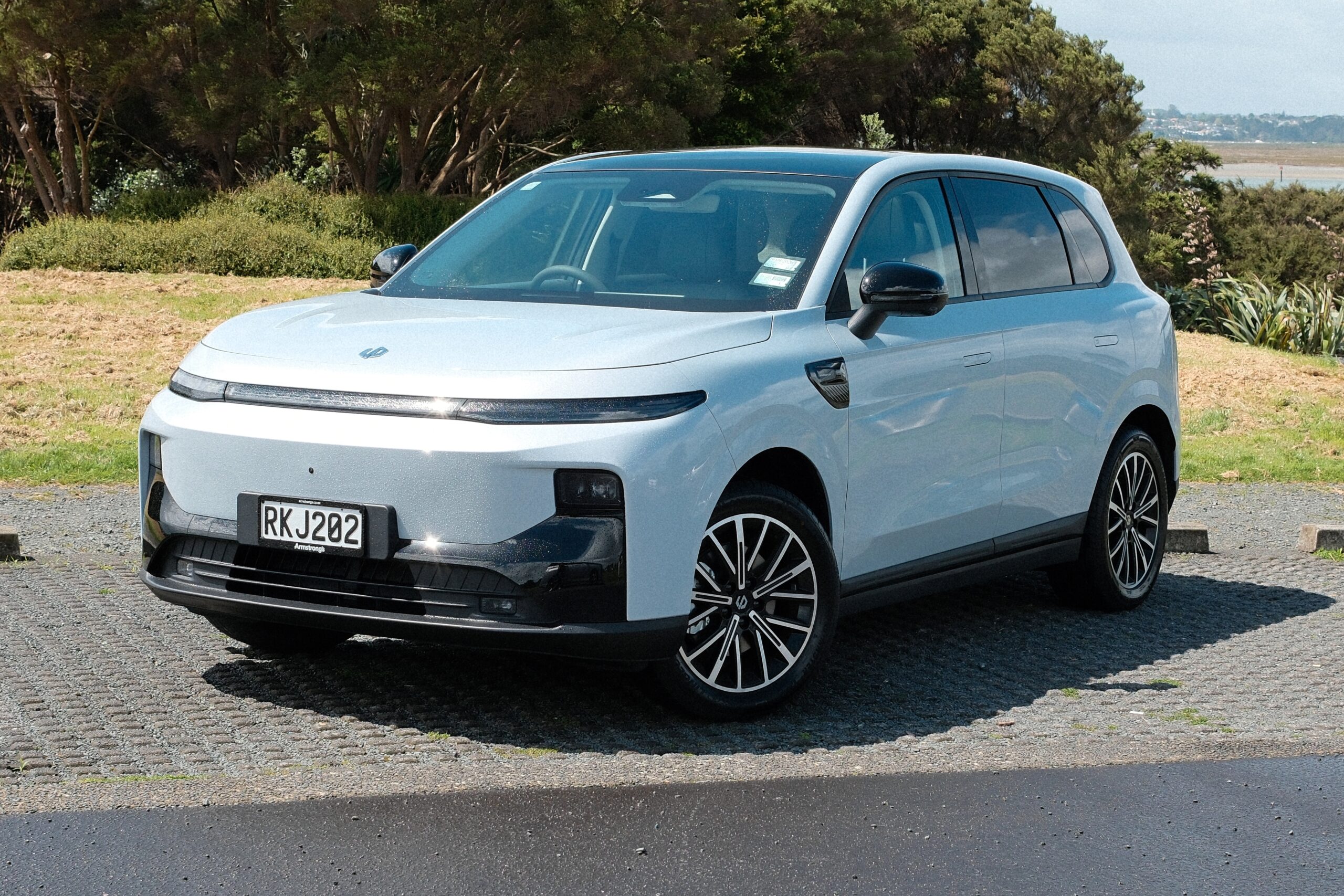
Power comes from a 160kW rear-mounted motor, and both variants can fast-charge at up to 168kW, giving an 80% top-up in 20 minutes. The press launch made much of Leapmotor’s in-house engineering approach (over 65% of components built internally) and its close collaboration with Stellantis. But paper specs don’t always tell the full story — so how does it feel from the driver’s seat?
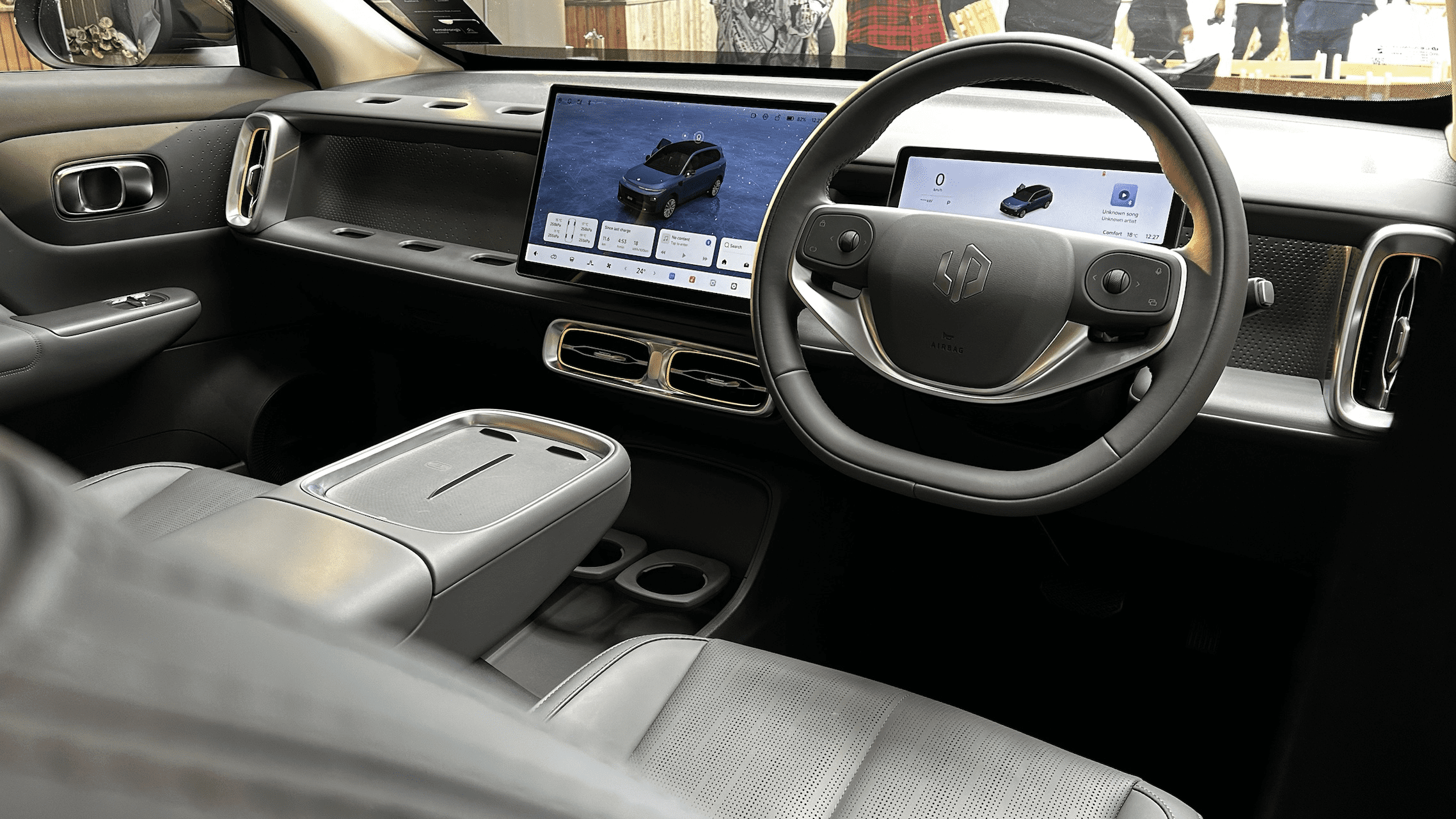
The morning drive loop around Auckland’s western neighbourhoods didn’t allow for exhaustive testing, but a few things stood out immediately. The B10 feels light on its feet, with that familiar instant EV shove off the line, though performance is more brisk than ballistic, with a sprint to 100km/h taking eight seconds. The throttle calibration varies greatly between the three driving modes, as does regen braking.
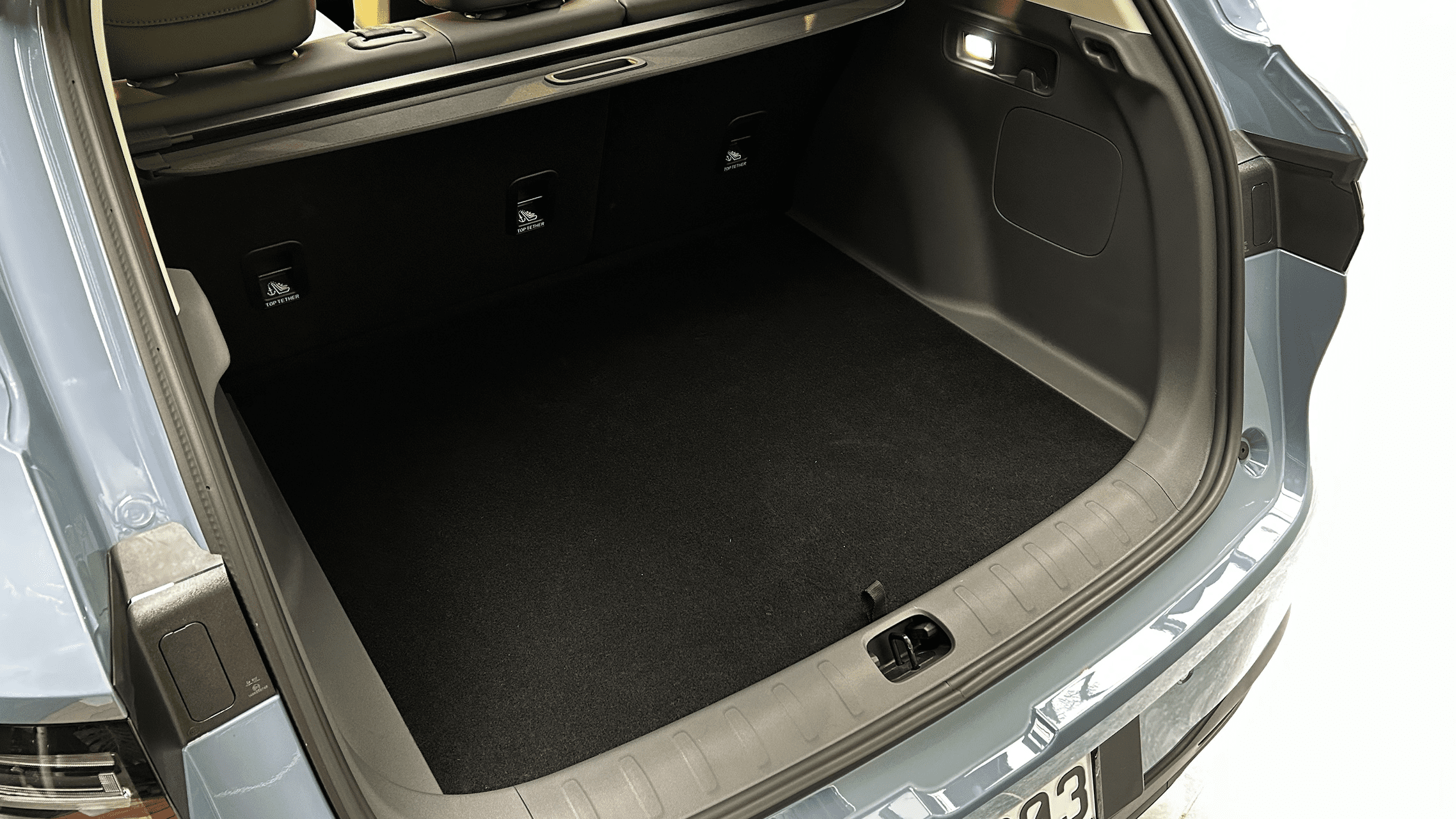
Interior trim quality is surprisingly similar to the C10, which is a good thing. Leapmotor is doubling down on what are the strengths of the bigger SUV: space, comfort and tech. Despite the smaller dimensions, there is plenty of space for 5, aided by the airiness of the cabin and the massive, 1.8m2 glass roof. And this doesn’t come at the expense of storage, thanks to the 420L boot and a handy frunk.
The 14.6-inch centre screen dominates the dash, flanked by a drivers display for fundamental information always at a glance. Leapmotor’s ergonomic priorities are sensible: large icons, uncluttered menus, and an interface that mimics a tablet and offers great visuals. The switchgear feels nicely engineered, closing the loop on what was the biggest talking point for Leapmotor’s previous release: driver assistances.
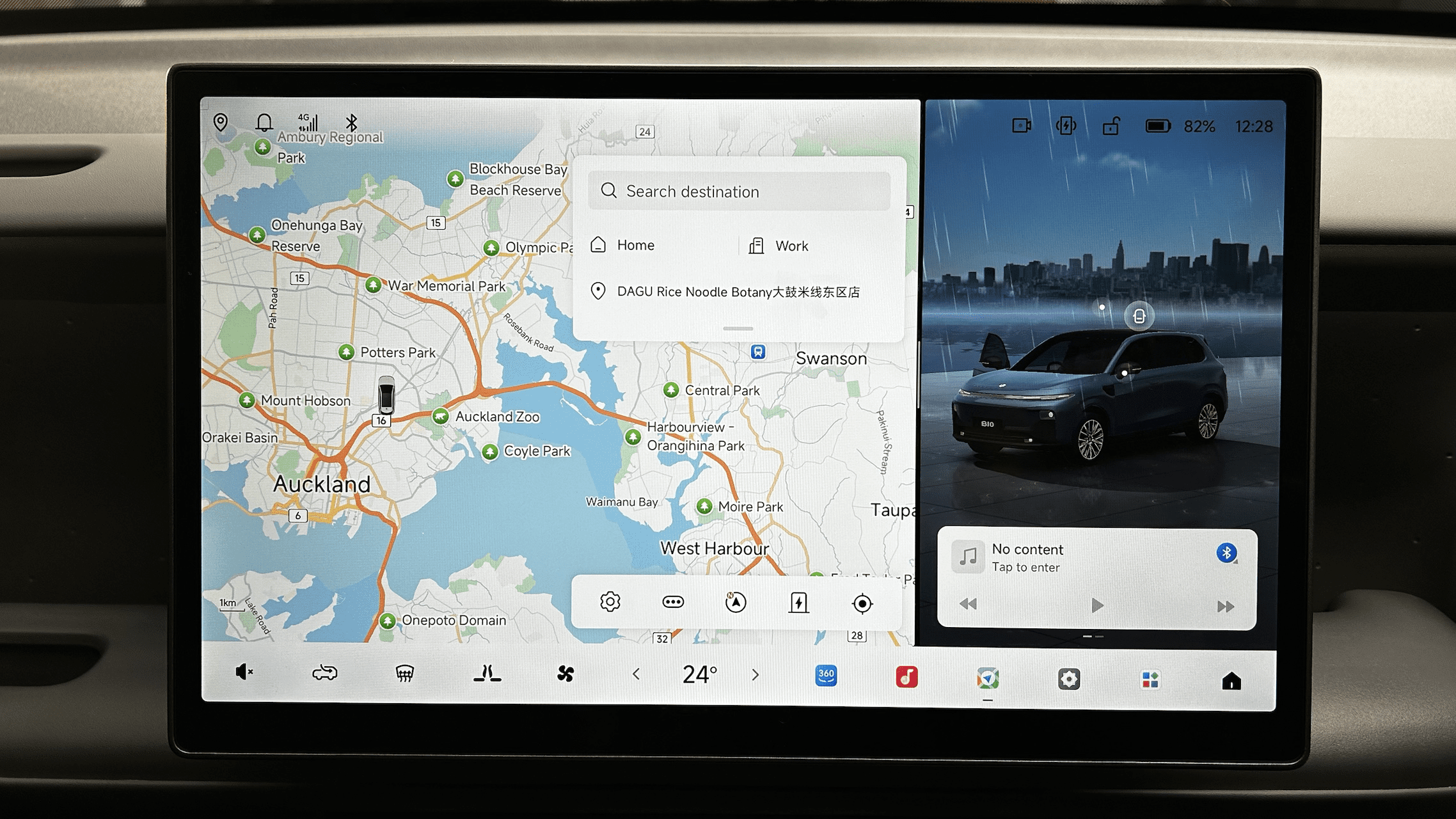
The same 17 systems we had on the C10 make a return for the B10, but after some intense recalibration following user feedback, there is a meaningful step (or should I say Leap?) forward. Lane keep assist is less intrusive, driver monitoring is more forgiving, and gongs are much less annoying than before. The LEAP OS 4.0 infotainment system felt responsive and logically arranged, and provides driver-assist shortcuts that make all these settings quick to customise, something early reviews in Europe had asked for.
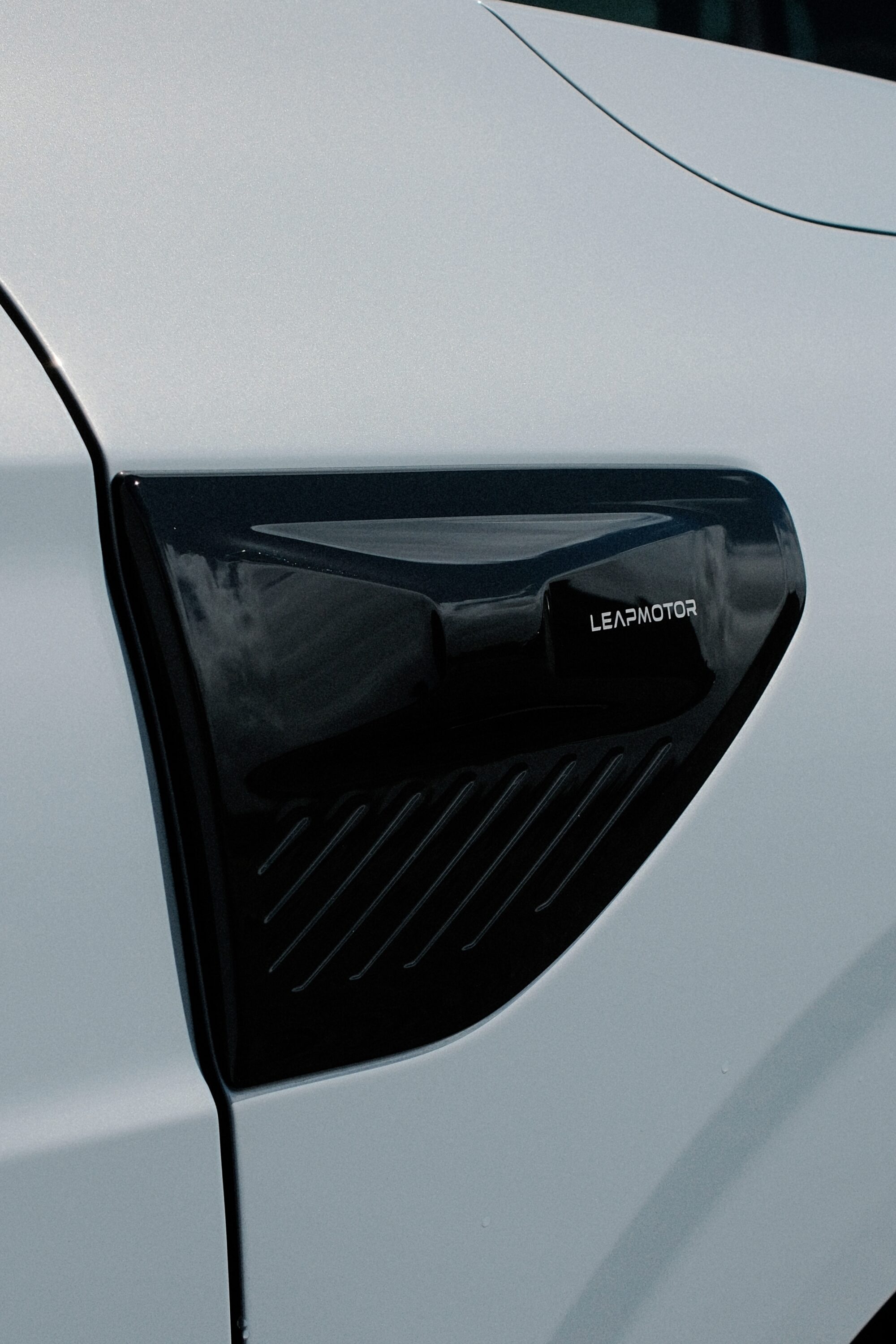
The ride is very softly sprung, filtering bumps and road joins with ease, though it does float slightly over crests. We will need more time with it to evolve impressions, but it felt like an urban-minded setup, aimed at overall comfort over dynamic prowess. This is corroborated by the steering, which is feather light and easy to maneuver in the city. It’s too early for a full review, but as an opening act, Leapmotor’s newcomer feels solid.
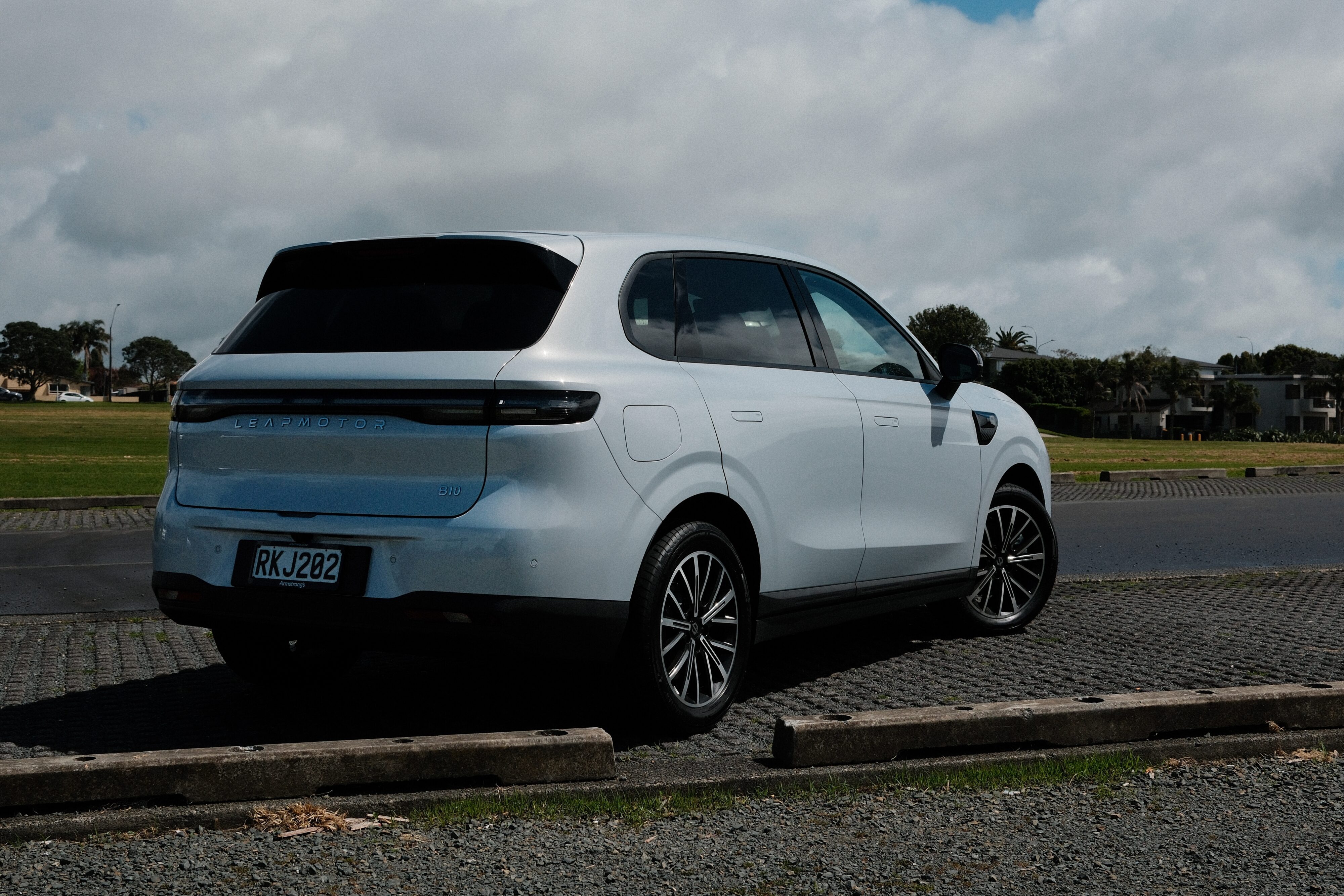
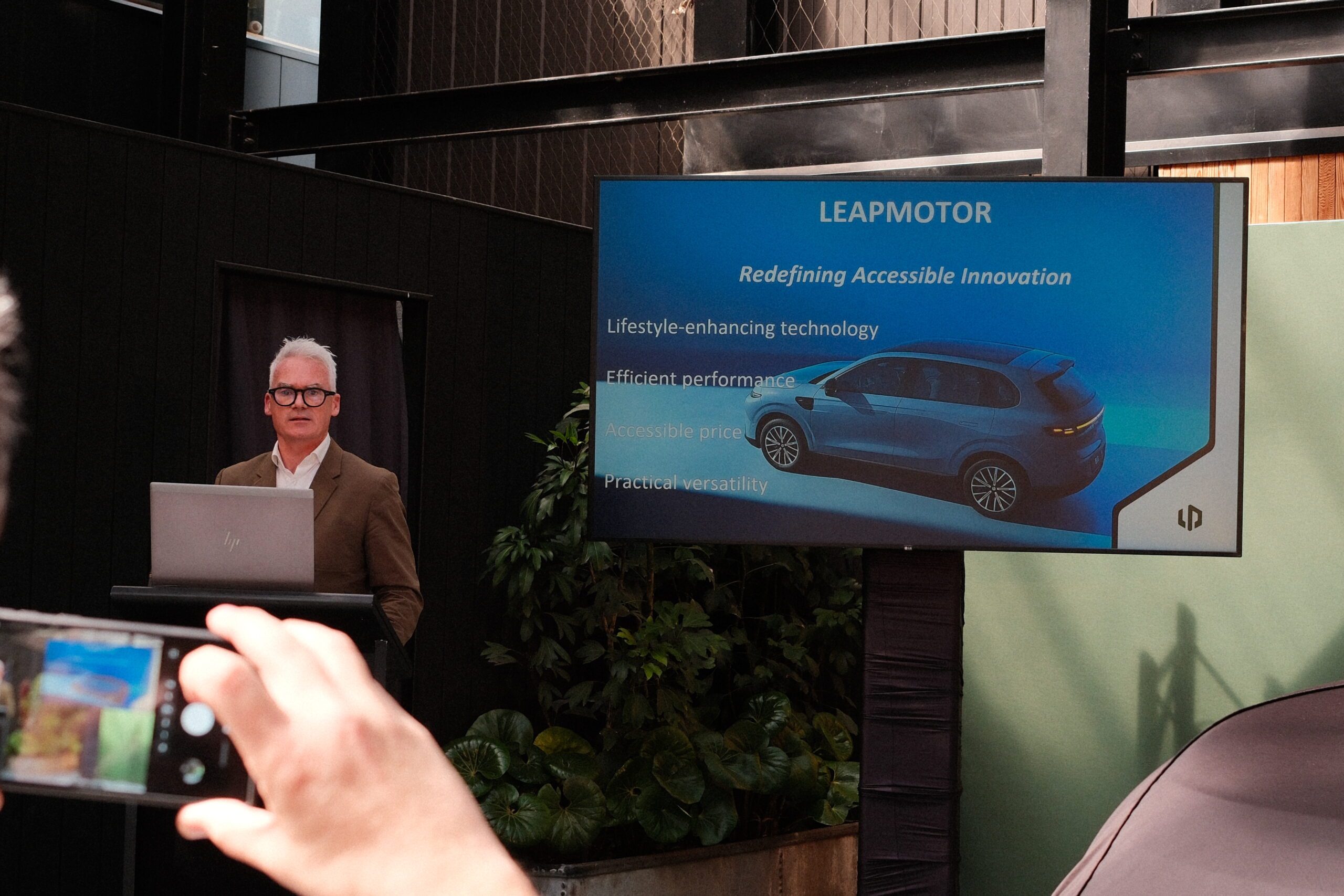
Leapmotor’s goal of “accessible innovation” starts to make sense now that the line up is growing. It feels reassuringly normal, exactly what the brand needs to entice traditional buyers into EV territory without intimidation or compromise, and a compelling city commuter. Keep an eye out for the upcoming Tarmac Life drive review, where we’ll stretch its range claims, and live with it day to day to find out how the B10 stacks up in everyday NZ traffic and family life. Thanks, Leapmotor, for the sneak peek!