Forget everything you thought you knew about the Nissan LEAF. The original poster-child for the electric revolution, the car that first brought EV driving to the masses back in 2011, is back for its third generation, and it has completely torn up the rulebook. This isn’t just an update; it’s a total reinvention. Proudly built in Britain, the all-new LEAF has transformed from a familiar hatchback into a sleek, tech-laden crossover with one headline-grabbing figure that will make rivals sweat: a staggering top range of up to 621 kilometres.
That’s right. Six hundred and twenty-one kilometres. For Kiwi drivers, that puts a one-stop trip from Auckland to Wellington firmly in the realm of possibility.
The Range Revolution You’ve Been Waiting For
Let’s dive into those numbers, because they are truly monumental. The new LEAF will be offered with two battery options: a 52kWh pack and a larger 75kWh version. While the 52kWh model offers a very respectable 436 km (WLTP pending homologation), it’s the 75kWh battery that delivers the headline 621 km WLTP combined range. This is achieved through incredible efficiency, with Nissan quoting consumption as low as 7.24 km/kWh.
Even more impressively, this isn’t just a city-driving figure that plummets on the open road. Nissan claims the new LEAF can achieve up to 433 km of range while cruising at motorway speeds (approx. 113 km/h), a testament to its stunning new aerodynamic design. This newfound long-distance confidence finally makes the LEAF a true do-it-all vehicle for Kiwi families, commuters, and weekend adventurers alike.
Lightning-Fast Charging and Power To Go
A massive battery is one thing, but what about when you do need to top up? Nissan has that covered. The new LEAF supports 150kW DC fast charging, allowing it to recover a massive 439 km of range in just 30 minutes. That’s just enough time to grab a flat white and a pie before you’re back on the road for another few hours of driving.
But the innovation doesn’t stop there. The LEAF comes equipped with Vehicle-to-Load (V2L) capability, providing a 3.1kW output to power your gear. Imagine running a coffee machine, charging your laptop, or even powering your campsite from your car. In the future, the LEAF will also be Vehicle-to-Grid (V2G) ready, enabling it to return power to the grid, a feature that could revolutionise home energy management.
From Humble Hatch to Sleek Crossover
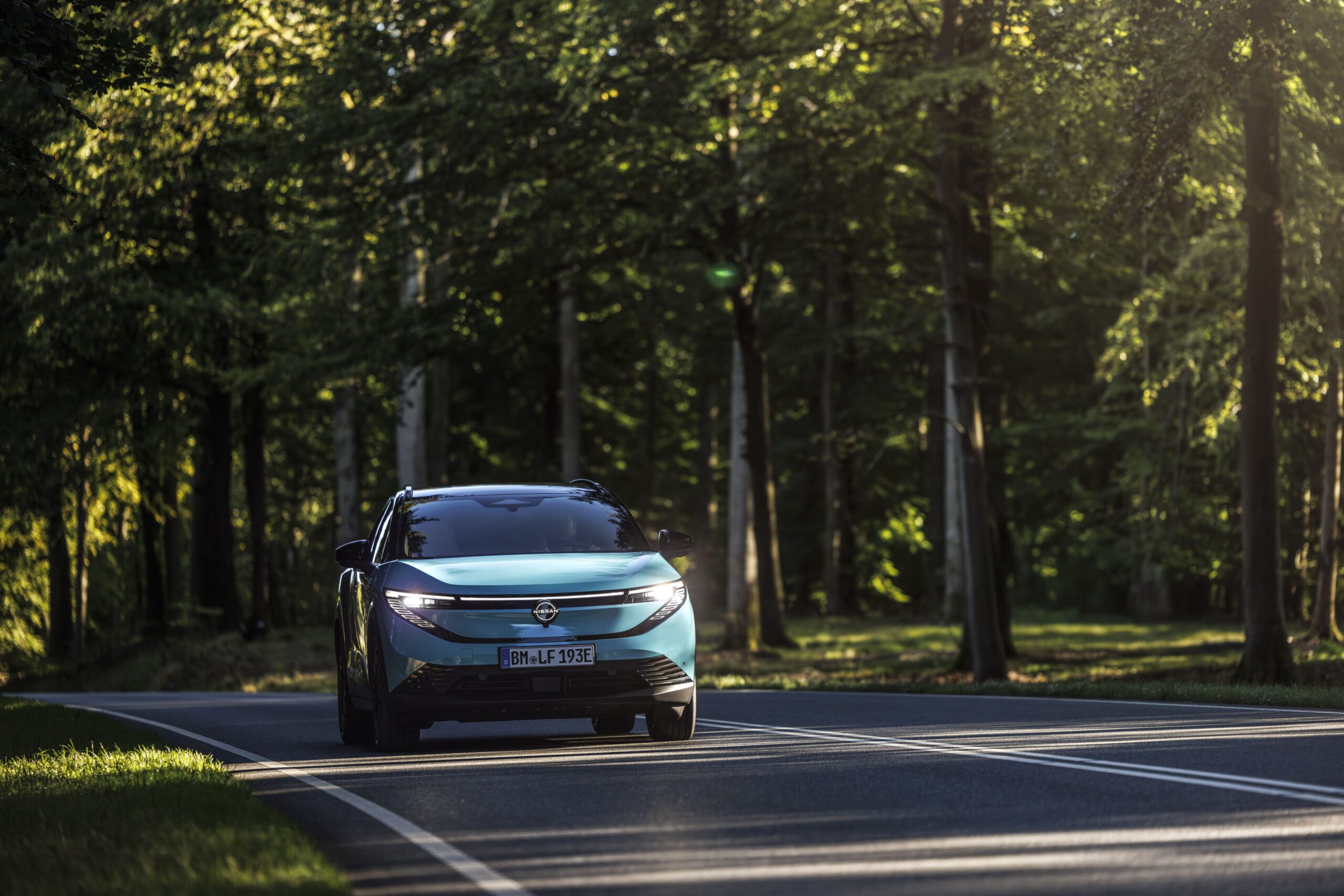
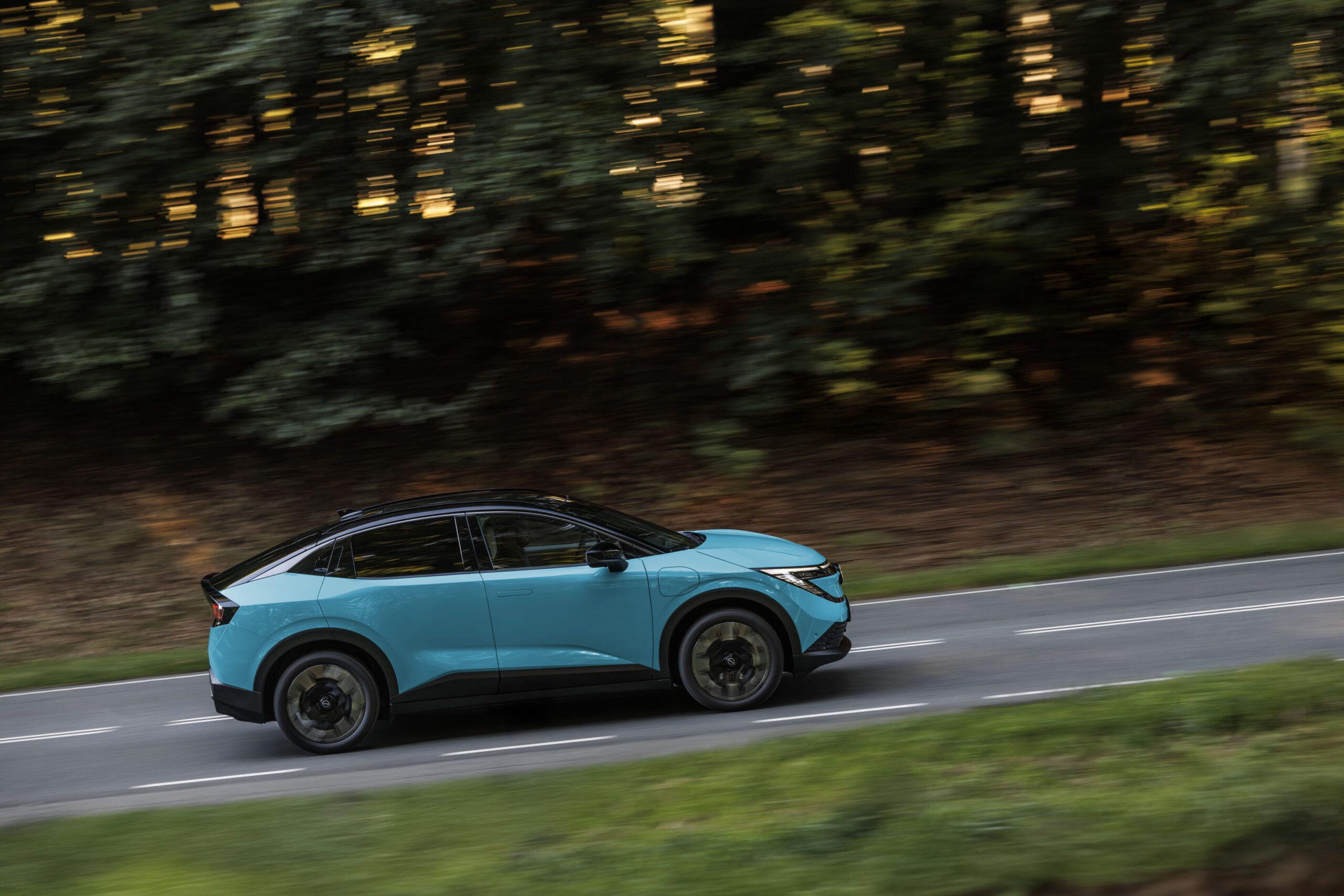
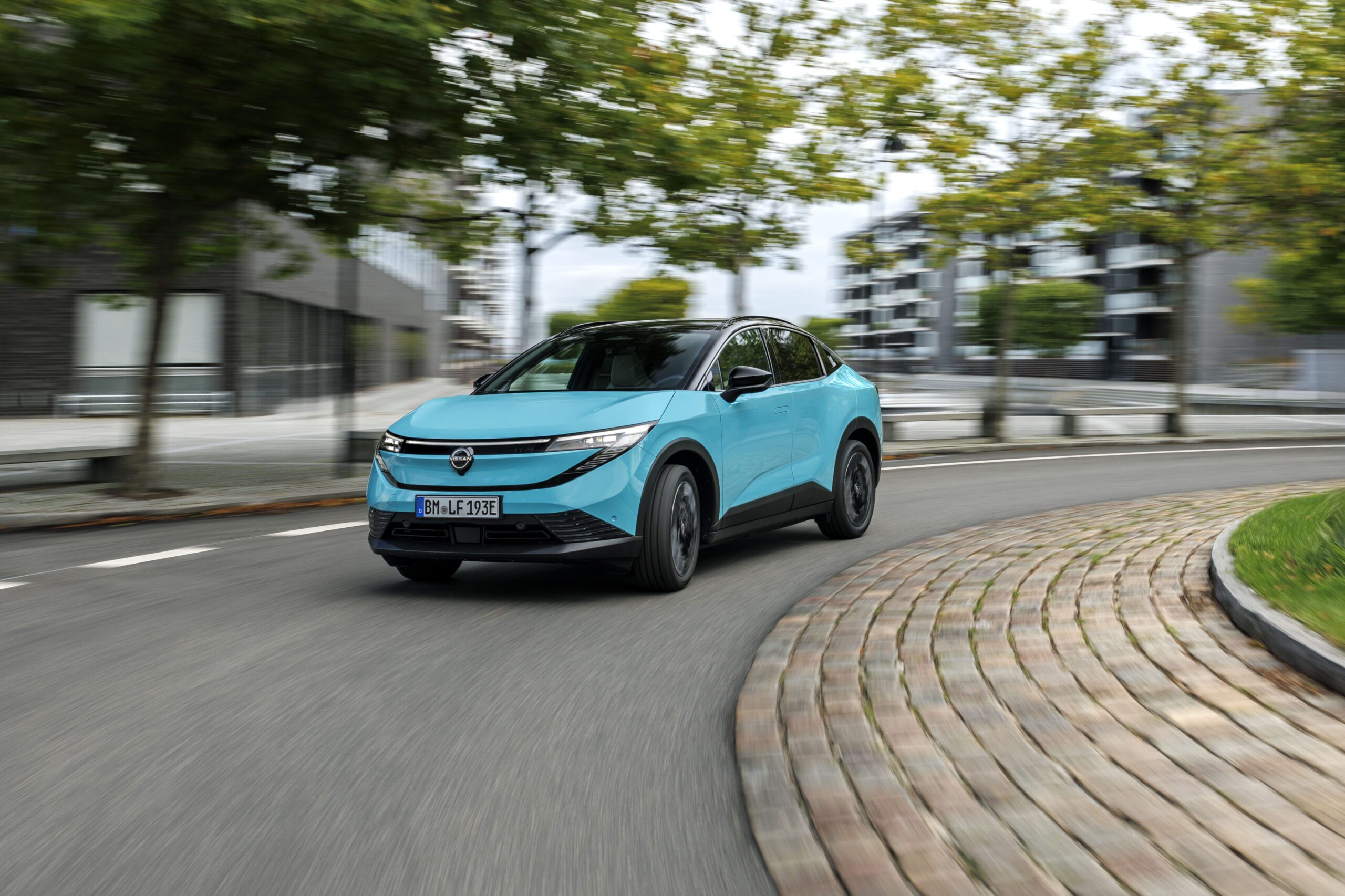
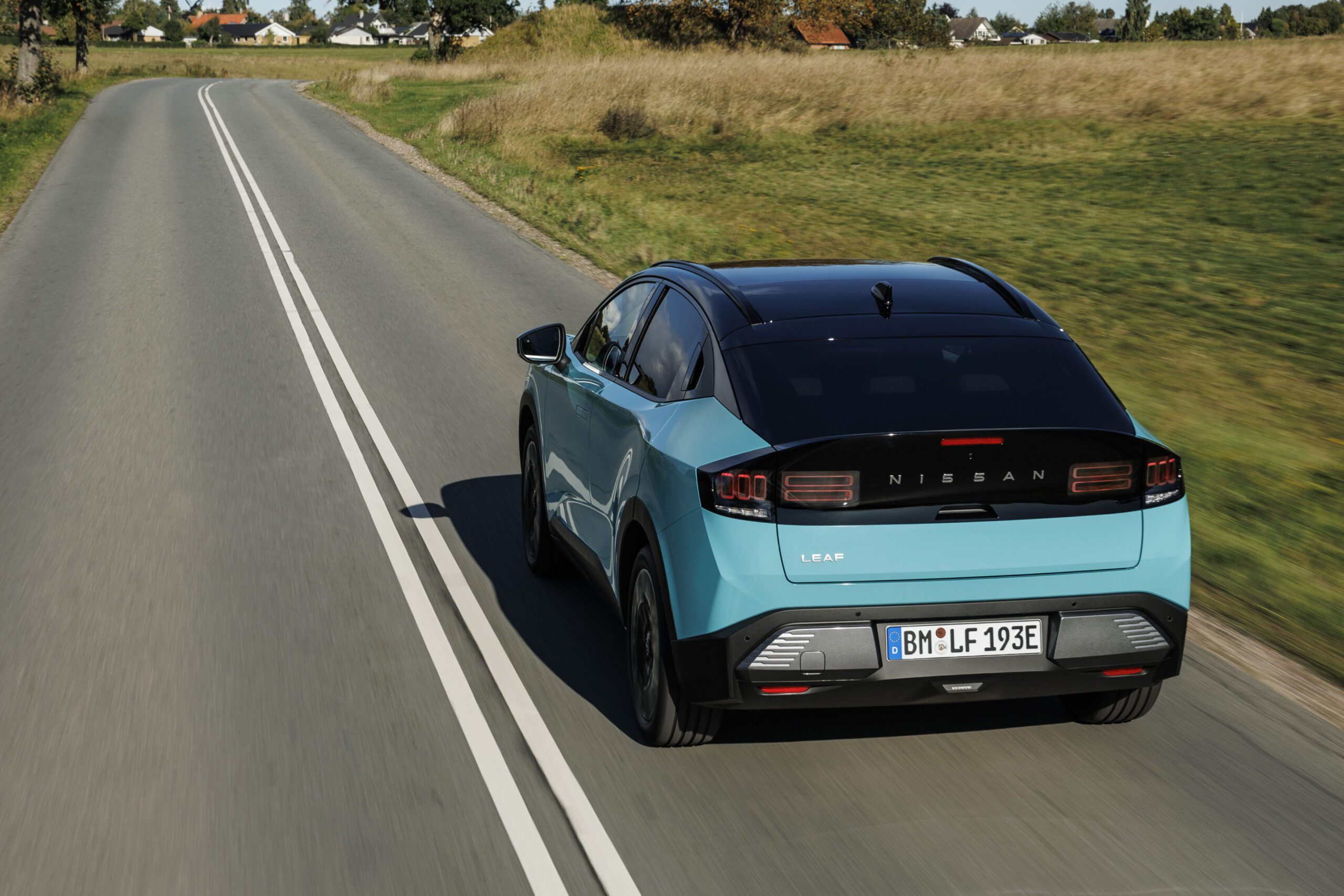
The most obvious change is the styling. Designed at Nissan’s Global Design Studio in Japan, the LEAF is now a sharp, dynamic crossover that looks ready for the future. The new shape is not just for looks; its slippery profile achieves an incredible drag coefficient of just 0.25, a key factor in its excellent range.
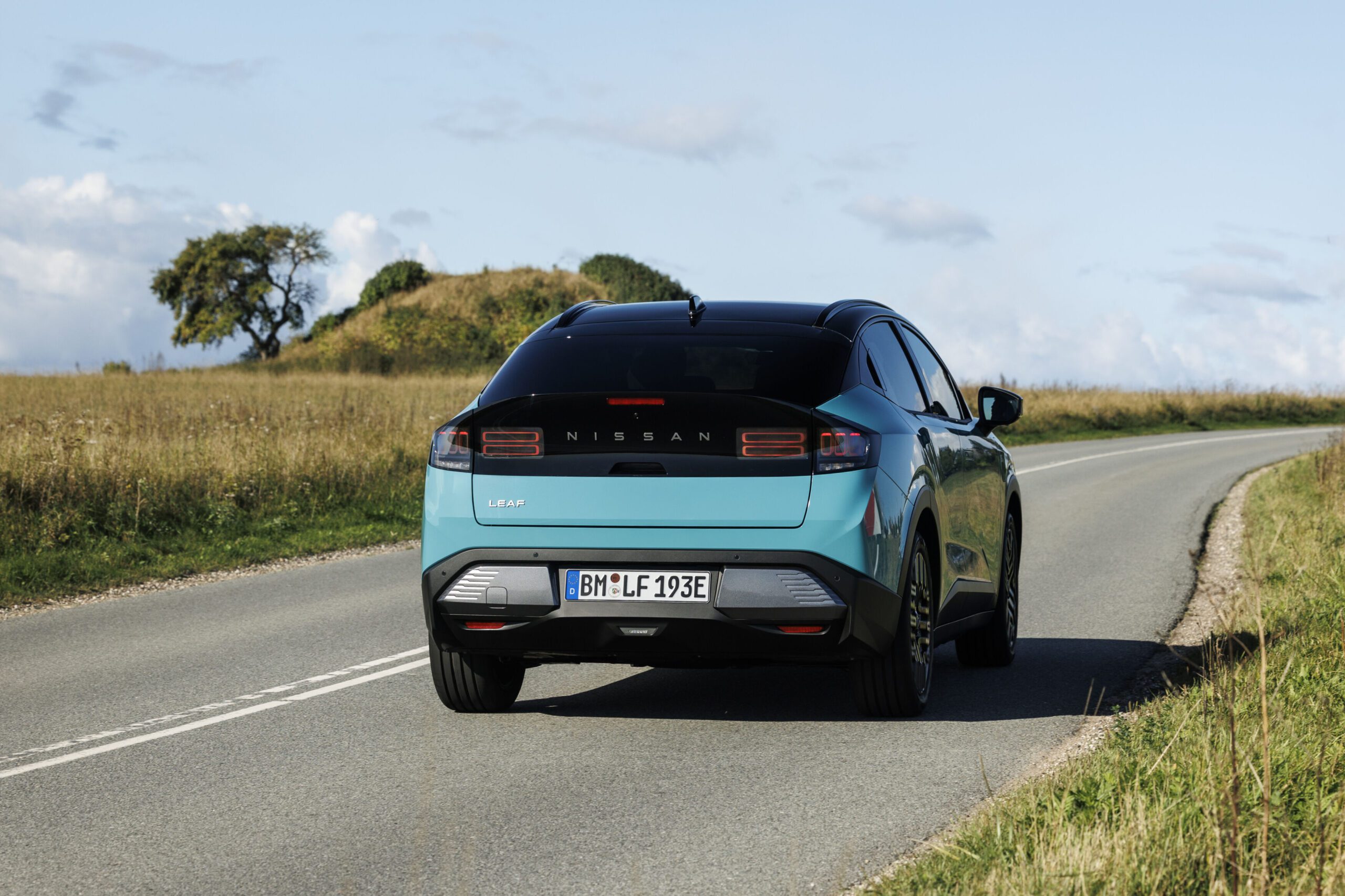
The details are pure class. You’ll find flush-mounted door handles, sculpted surfaces, a flowing roofline, and a unique 3D tail light signature that gives the car a real presence on the road. Optional 19-inch aero-styled alloy wheels and a dimming panoramic roof with subtle embossed detailing complete the premium package. Inside, the cabin is spacious and family-ready, boasting up to 437 litres of cargo space.
A Cabin Built for the Digital Age
Step inside, and you’re greeted by a state-of-the-art digital cockpit designed for the connected driver. The centerpiece is a pair of stunning 14.3-inch screens for the driver’s display and central infotainment.
Crucially, the system features Google built-in. This isn’t just Android Auto; it’s the full native experience. You get Google Maps with an in-car route planner that automatically calculates charging stops, the hands-free convenience of Google Assistant to control everything from media to climate, and the Google Play Store to download your favourite apps directly to the car. It promises seamless integration with your digital life, making every journey easier and more enjoyable.
Under the Skin: A True Driver’s EV
Built on the advanced CMF-EV platform shared with the Nissan Ariya, the new LEAF promises a driving experience that is both engaging and supremely comfortable. This dedicated EV architecture allows for a spacious interior and optimised driving dynamics. The suspension setup—MacPherson struts at the front and a sophisticated multi-link system at the rear—ensures a smooth, agile ride whether you’re navigating city streets or carving up a country road.
The 75kWh model puts out a healthy 160kW (215hp) and 355Nm of torque, propelling the crossover from 0-100 km/h in a brisk 7.6 seconds in Sport Mode. Features like e-Pedal Step for one-pedal driving and ProPILOT Assist with Navi-link for intelligent adaptive cruise control make driving both easier and more efficient.
Nissan has packed the LEAF with a full suite of safety features, including Intelligent Emergency Braking, Blind Spot Intervention, and a 3D Around View Monitor with an “Invisible Hood View” to make parking in tight spots a breeze.
Tarmac Takeaway
Production is set to begin before the end of 2025, with the first customer deliveries scheduled for Spring 2026. The original LEAF may have started the EV conversation, but this all-new model is set to dominate it. With its game-changing range, rapid charging, cutting-edge tech, and sharp crossover style, the 2026 Nissan LEAF isn’t just a contender; it’s the new benchmark.