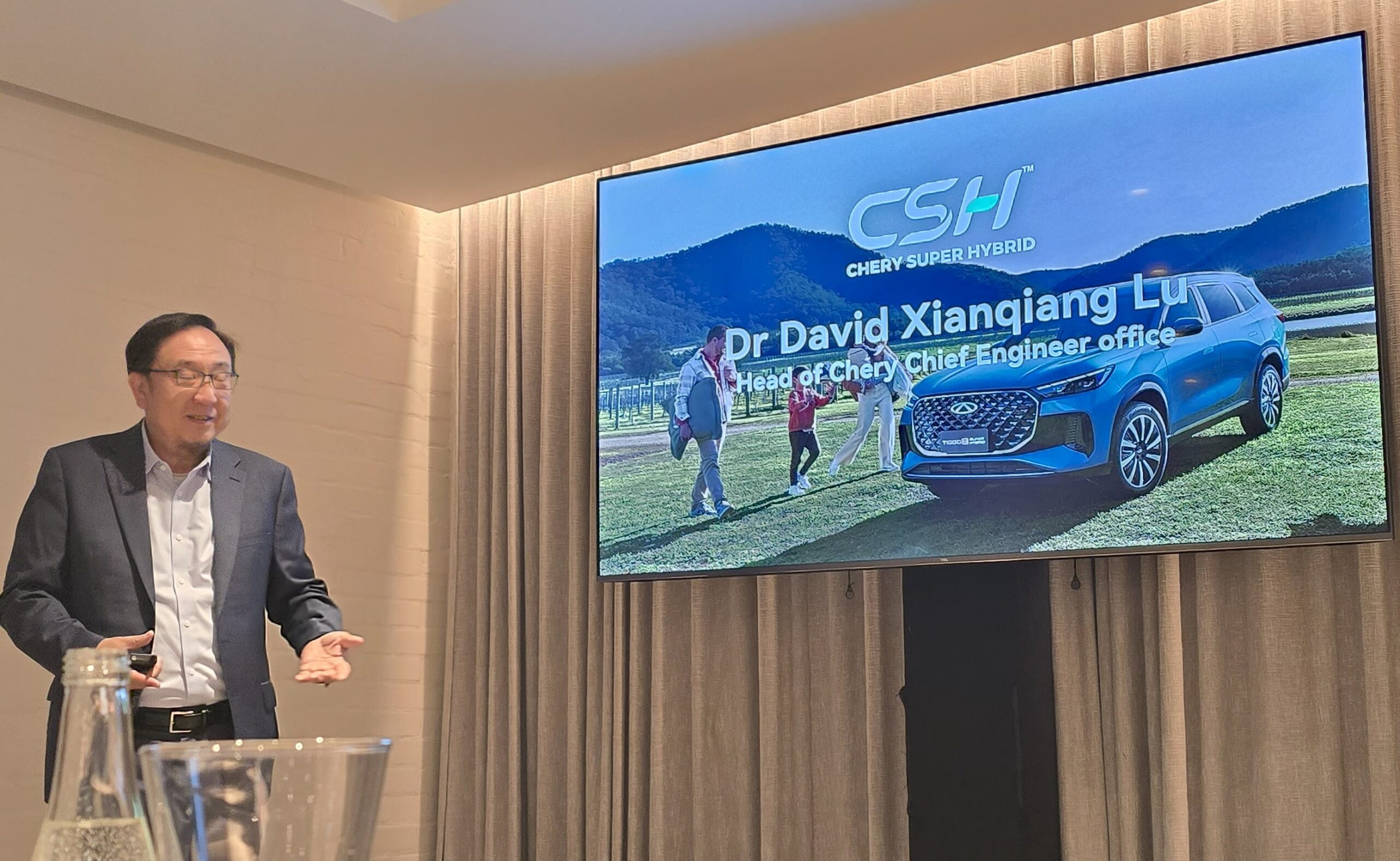
The New Zealand automotive market is more crowded than ever, with new brands arriving on our shores at a rapid pace. Among the latest is Chery, which recently launched, joining its sibling brands Omoda and Jaecoo. This isn’t a haphazard arrival, however. In a recent interview, Chery’s Chief Engineering Officer, Dr. David Lu, and Lucas Harris, Chief Operating Officer, Chery Australia/New Zealand, revealed a calculated, multi-brand strategy designed to make a significant impact on Kiwi drivers.
New Zealand: A “Diamond” Opportunity
For Chery, the Australasian region is far from just another export destination. Dr. Lu describes Australia and New Zealand as “diamond markets,” crucial not only for their sales potential but as a vital learning ground for the global stage.
“We view that Australia and New Zealand [are] very similar as the USA market, especially for the countryside,” Dr. Lu explains, referencing the need for long-range capability and towing capacity. He notes that knowledgeable Kiwi consumers ask a lot of very good questions, which helps Chery develop vehicles better suited to demanding conditions.
Lucas Harris echoes this sentiment, but also suggests that New Zealand has been overlooked by established players. “There’s such a massive opportunity in New Zealand where I really think that a lot of brands have neglected the market somewhat,” he says. “There’s certainly, very few brands delivering true value anymore, so there’s a very big hole there for us to be able to fill”.
A Brand for Every Driver
Unlike a one-size-fits-all approach, the Chery Group is tackling the New Zealand market with three distinct identities, each targeting a different type of customer. The brands are operated through separate dealer networks with different marketing teams to ensure their messaging remains clear and distinct.
- Omoda: Positioned as the “fashionable brand,” Omoda is for buyers interested in elegant design and style.
- Jaecoo: This is the “adventurous brand,” aimed at those who want a vehicle that looks and feels ready for an off-the-beaten-path lifestyle.
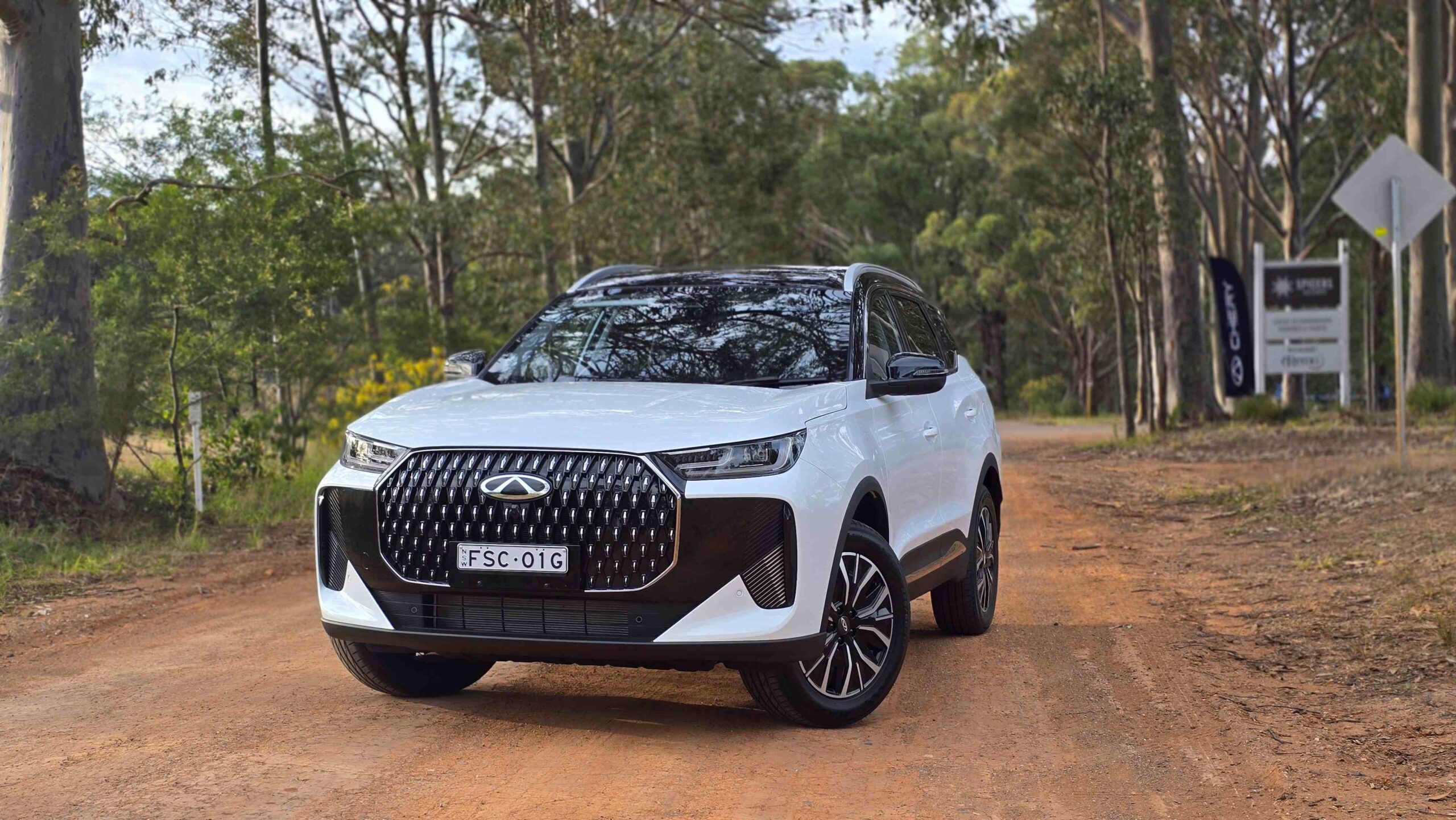
- Chery: The parent brand is presented as the pragmatic, family-oriented choice. Lucas Harris describes it as an “every day part of the family type brand… there to make sure that you can safely get your family where they need to go… without too much fuss or hassle”. The focus here is on supreme value for money for the customer who simply wants a car to do its job.
This multi-brand strategy is influenced by studying other successful automakers like Honda, which grew rapidly by offering different styles on shared platforms to target diverse customer groups. It also acknowledges a modern trend where consumers increasingly seek products that reflect their individual identity.
Backed by a Global Powerhouse
While Omoda and Jaecoo may be new names, they have the full backing of the Chery Group, an automotive manufacturer with nearly three decades of experience. “You’ve got the Chery Group, and under the Chery Group, you’ve got a house of many different brands,” Harris explains. “[The brands] can enjoy all of the benefits that come with being a part of the Chery Group and all of the horsepower that brings with it, but from a consumer branding perspective, they are a unique look and feel”.
This structure contrasts with the traditional distributor model common in New Zealand. Harris questions the long-term viability of that model in an increasingly competitive market, suggesting that Chery’s factory-backed subsidiary approach provides a more stable and serious foundation for growth and customer support.
Tech Tailored for Kiwi Terrain
A key part of Chery’s value proposition is its “super hybrid” plug-in hybrid (PHEV) technology. Harris is quick to address a common misconception about PHEVs, stating that Chery’s system doesn’t require constant plugging in to be effective.
“Our technology is so good, you can [drive] it as an HEV [hybrid electric vehicle] 100% of the time,” he says, claiming it avoids the awful driving experience, noise, and power loss that can affect other PHEVs when their battery is depleted.
This offers drivers ultimate flexibility: commute on pure EV power during the week with zero fuel consumption, and then embark on a long weekend road trip without a moment of range anxiety or the need to plan charging stops. This adaptability, Harris believes, makes the technology uniquely suited to our landscape. “I think maybe the plug-in hybrid technology is even more suitable for New Zealand given the amount of hills and the mountains that there are there”.
With a clear strategy, distinct brands for different buyers, and technology seemingly tailor-made for our roads, the Chery Group is making a bold, factory-backed play for the New Zealand market. It’s a comprehensive approach that signals they are here for the long haul, aiming to fill a value gap they believe others have left wide open.