Subaru is a brand that feels woven into the very fabric of New Zealand’s landscape. From snowy southern roads to muddy farm tracks and winding coastal highways, the six-starred badge is a familiar sight. But in a rapidly changing automotive world, how does a brand built on a legacy of Symmetrical All-Wheel Drive and boxer engines stay relevant? We sat down with Jerry Delaney, Head of Distribution for Inchcape New Zealand, to discuss the brand’s strategy, the much-anticipated new Forester, and how Subaru plans to navigate the road ahead.
The Bedrock Evolves: The New Forester
According to Jerry, New Zealand is extremely important for Subaru, it’s a market where the brand’s identity and the country’s geographical landscape are a perfect match. At the heart of this is the Forester, now entering its sixth generation. Delaney describes the new model as a significant step forward, particularly in its technology, calling it a big evolution that takes the vehicle to a different level.
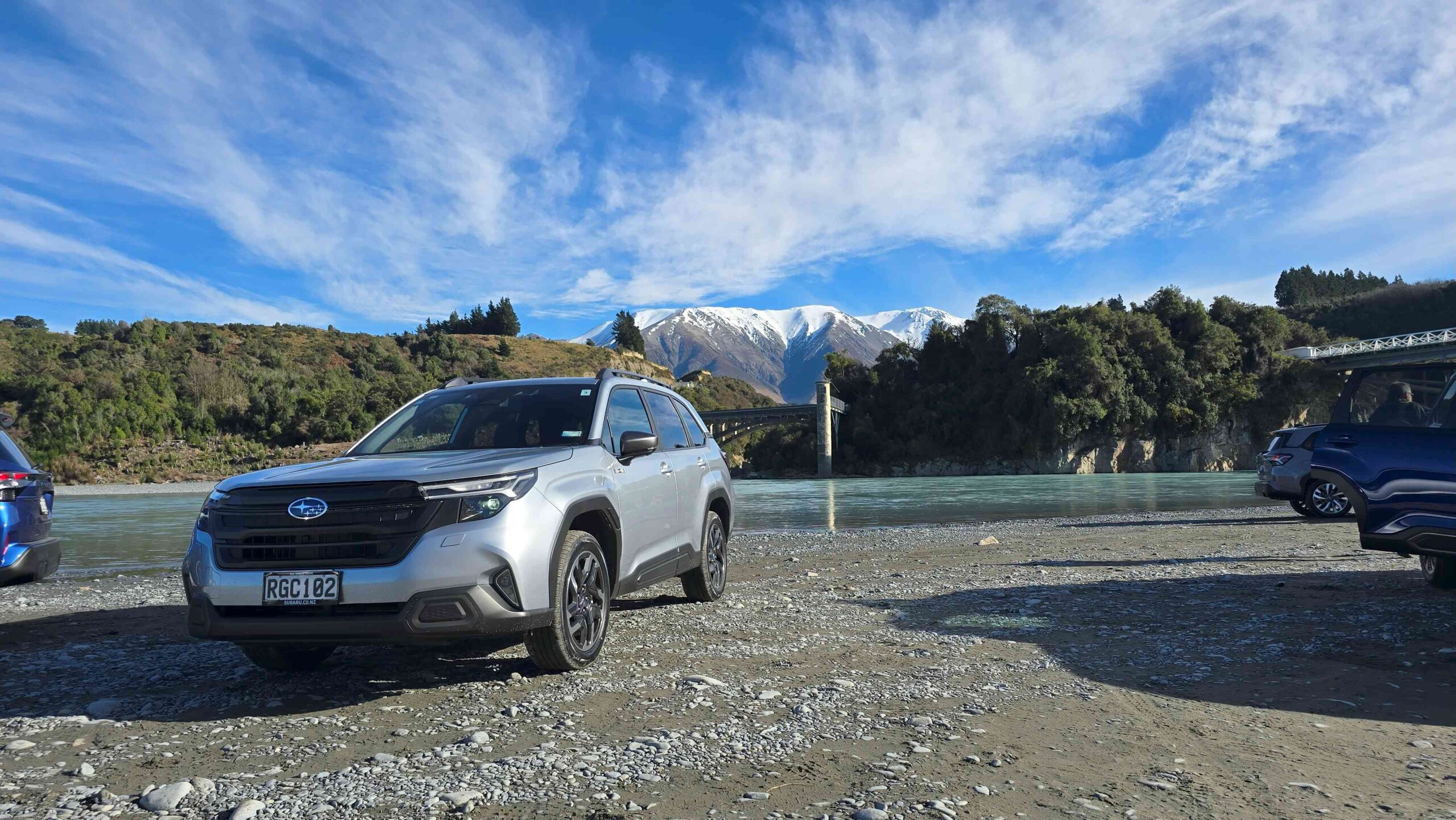
While the tech is new, the core principles that have defined the Forester for decades remain. Chief among them is the Symmetrical All-Wheel Drive system. Delaney admits there’s an education piece that’s needed to help consumers fully appreciate what the system does, especially beyond the perception that it’s only for hardcore off-roading or agricultural use. The system itself hasn’t been radically reinvented. Why fix what isn’t broken? Delaney notes that the technology has been “good and solid for many, many years and is tried and tested in all terrains,” with minor tweaks focused on improving efficiency rather than a complete overhaul.
Safety, another Subaru hallmark, remains number one. The new Forester not only comes with a full suite of Eyesight safety treats, but also boasts a new Emergency Driver Stop system (that will bring the Forester to a full stop is the driver is unresponsive) and a chassis with a 10% improvement in rigidity, an extra factor in vehicle safety. “Safety is always front of mind,” Delaney emphasises, adding that elements like driver comfort also contribute to making the driving experience safer.
The Electrification Tightrope
The biggest shift in the industry is electrification, and Subaru is carefully navigating its path. While the fully-electric Solterra was a crucial first step, Delaney is candid about its reception. “It didn’t exactly go as expected,” he admits, but clarifies that this reflects a broader market trend where BEV adoption in New Zealand sits at around 5-7%, lower than many initially predicted. More importantly, the Solterra “put us in into electrification, it’s the first BEV that Subaru introduced… it’s important and played the role in us actually being part of that discussion”.
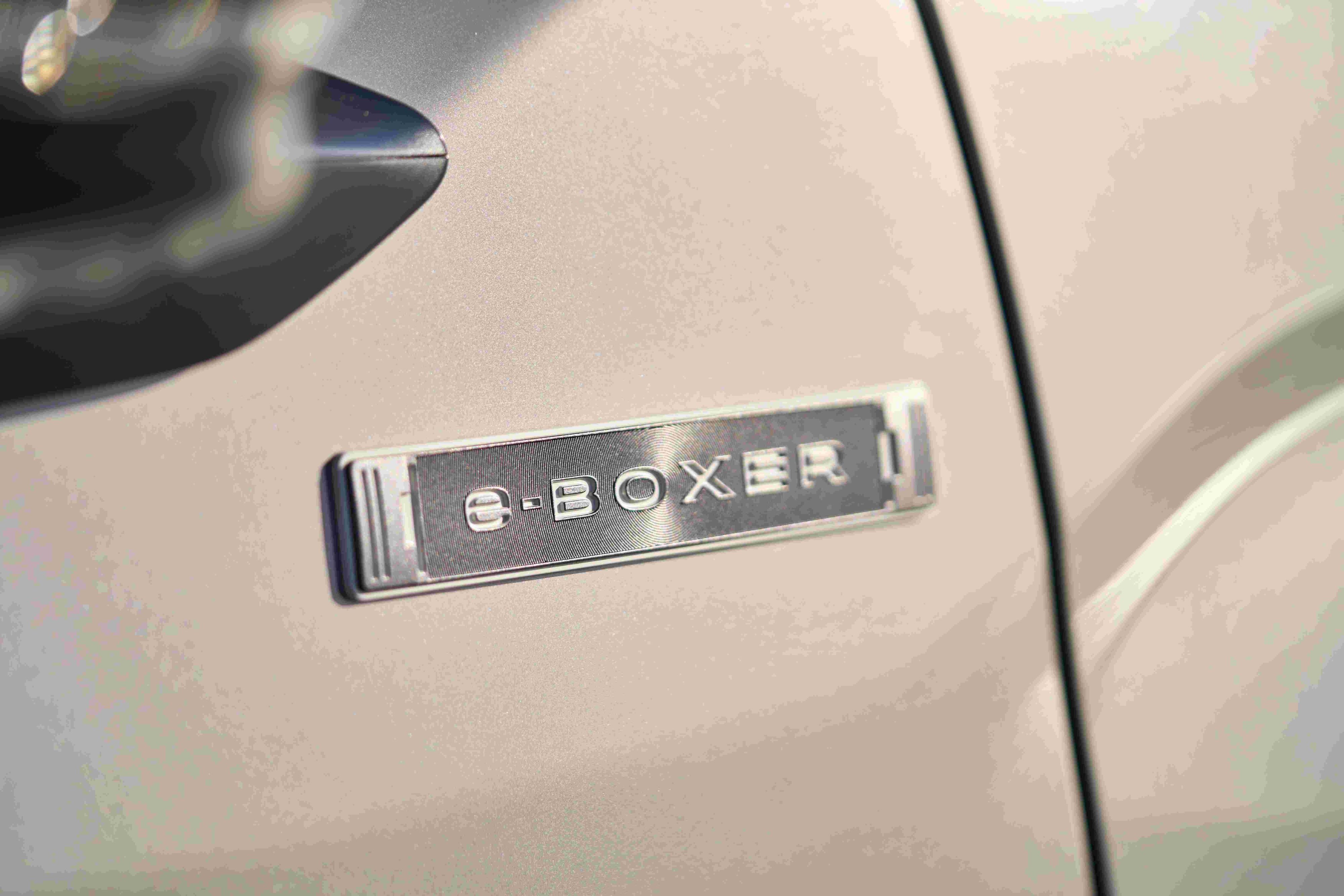
For now, the immediate focus is on the middle ground: hybrids. “We do see the hybrid is probably the future in the [near] term,” Delaney says. With the hybrid (e-Boxer) drivetrain segmentation seeing the biggest increase in New Zealand, the new Forester is positioned squarely to meet that demand. This strategy allows Subaru to offer a “range of… drivetrains to suit everyone,” from those wanting more efficient petrol engines to those ready to embrace hybrid technology. Plug-in hybrids are also on the radar as part of a global push for lower-emission vehicles, albeit possibly more ‘consideration’ than imminent.
Street Smart
While on the matter of safety, Jerry was more than happy to talk about Subaru’s involvement with Street Smart driver training program, and confirms that this is no marketing ploy. “It’s something we’re proud of [we all talk about it a Lady Ruby] and we want to do more with, particularly the awareness, says Jerry. “I think it’s [the program] needed in in New Zealand, we just need to bring it life a bit more.”
More Than Gumboots and Gravel
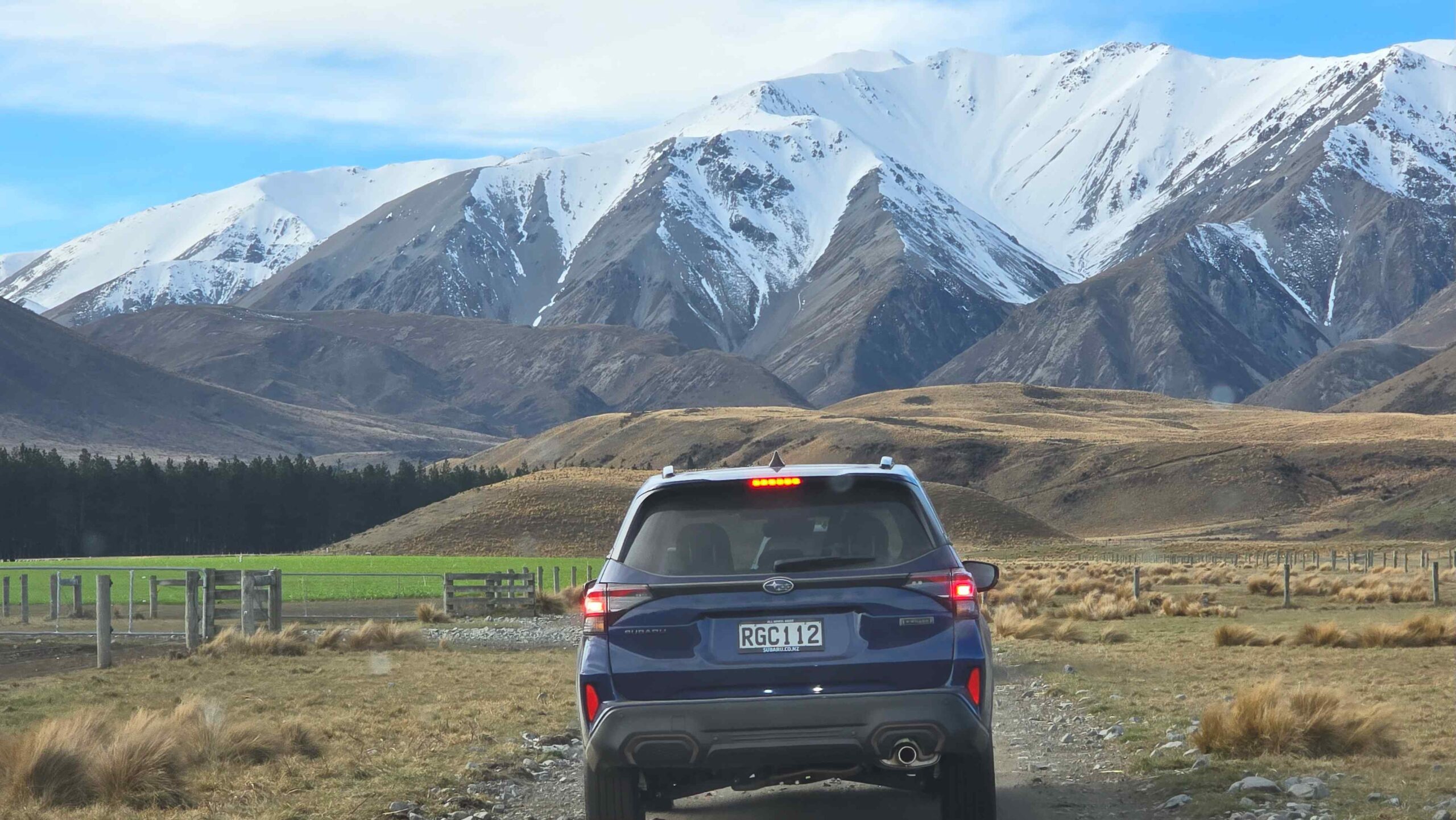
While the brand’s perception in New Zealand is strongly tied to adventure and tackling the great outdoors, Subaru’s portfolio is broader than that. A prime example is the BRZ, a rear-wheel-drive sports coupe developed in collaboration with Toyota. It seems like an outlier, but Delaney argues it aligns perfectly with a core brand principle – driver enjoyment.
“You might think of it as an odd drivetrain [RWD], it’s different, but actually the principles remain the same,” he explains. “The core principles of what all our vehicles to stand for is all about driver enjoyment. And that fits in with the brand because it delivers on pure driver enjoyment”. He says that it may not be a volume seller, but it provides a choice for consumers to engage with the brand in a different, “playful” way.
Standing Strong in a Crowded Market
The New Zealand car market is incredibly crowded, with Delaney estimating around 95 different brands competing for a slice of the pie. How does an established player like Subaru compete with a wave of new entrants?
Delaney views it less as a technological threat and more as a challenge for market share. He believes Subaru’s key advantages are its deep roots and the trust it has built over decades. “We’ve got longevity, we’ve got legacy, and that means that we can actually compete well,” he states confidently.
A critical piece of this legacy is resale value. “The residuals are critical,” Delaney notes. “To get good, strong residuals, you’ve got to have a history in the market. We’ve got that history, and so we’ve got the residual”.
“This is a powerful advantage that newcomers simply can’t offer, providing a tangible benefit to Subaru owners and a strong reason for them to remain loyal to the brand.”