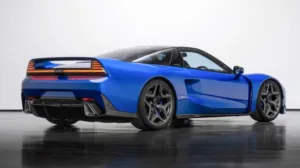
Is the era of internal combustion engines (ICEs) fast approaching its twilight? Electric vehicles (EVs), both plug-in hybrid electric vehicles (PHEVs) and battery electric vehicles (BEVs), are zipping ahead, not just as environmentally friendly commuters but as pioneers driving humanity toward a greener future. According to IDTechEx, EV sales are on track to overtake ICE sales by 2035 as markets adapt to regulatory deadlines and burgeoning consumer demand for sustainability.
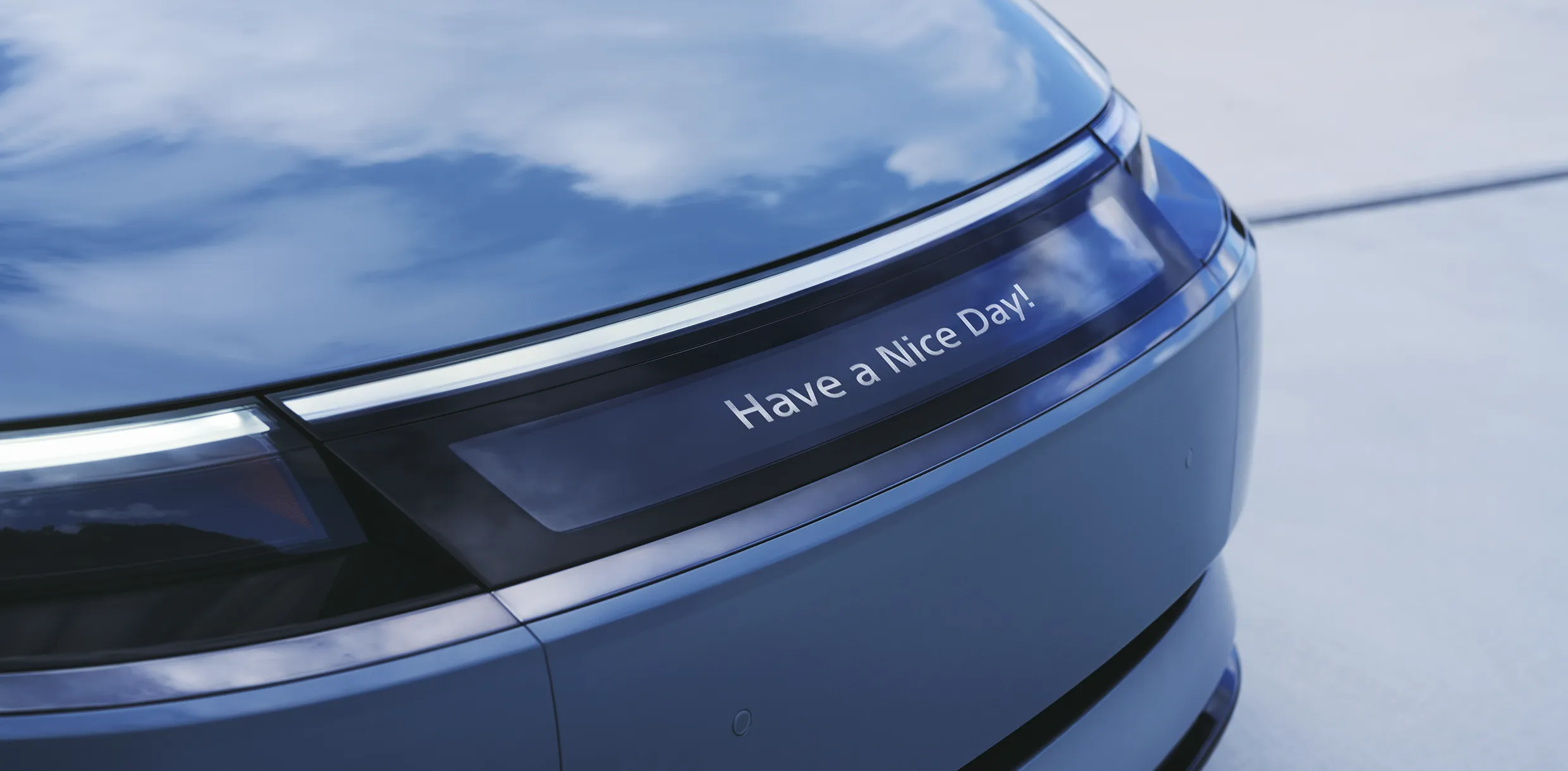
Charging Ahead: EVs as the “Watt’s Next”
The automotive market sold a whopping 90 million vehicles in 2023, with 14.4 million of those vehicles being electric – a number that surged to 18.1 million by 2024. No longer the hobbyhorse of niche enthusiasts, EVs are charging toward the mass market faster than you can say “lithium-ion.” This growth is fueled by advancements in sustainability tech and the inevitable death knell for ICEs in markets like the EU, which has set its “no more dirty tailpipes” deadline for 2035. The next big wave? Affordable EVs! While EVs have largely been a domain of well-heeled buyers (think Teslas gliding through Beverly Hills), falling battery costs and competitive production are poised to drive mainstream adoption.
Batteries Not (but Definitely Are) Included
BEVs are playing the starring role in reducing carbon emissions from the auto industry. Free of tailpipe emissions, these clean, mean machines are steering humanity away from fossil fuel dependency. But the road to net-zero emissions isn’t paved with tailpipes alone; it’s paved with lithium-ion batteries and electric motors, tech that’s simultaneously solving and creating new sustainability challenges. For instance, the demand for materials critical to EV production, such as lithium and cobalt, drives both innovation and questions about long-term environmental solutions.
And let’s not scoot past charging infrastructure! In 2023, 4 million public charging points existed worldwide, with an impressive 1.2 million added that year alone. Still, this is just a blip on the radar as demand pushes toward an estimated 219 million by 2035. Investments in infrastructure, expected to exceed $104 billion globally, are shocking in more ways than one. But the payoff? A world humming with EVs instead of choking on exhaust fumes.
PHEVs: The Gateway Drug to BEVs
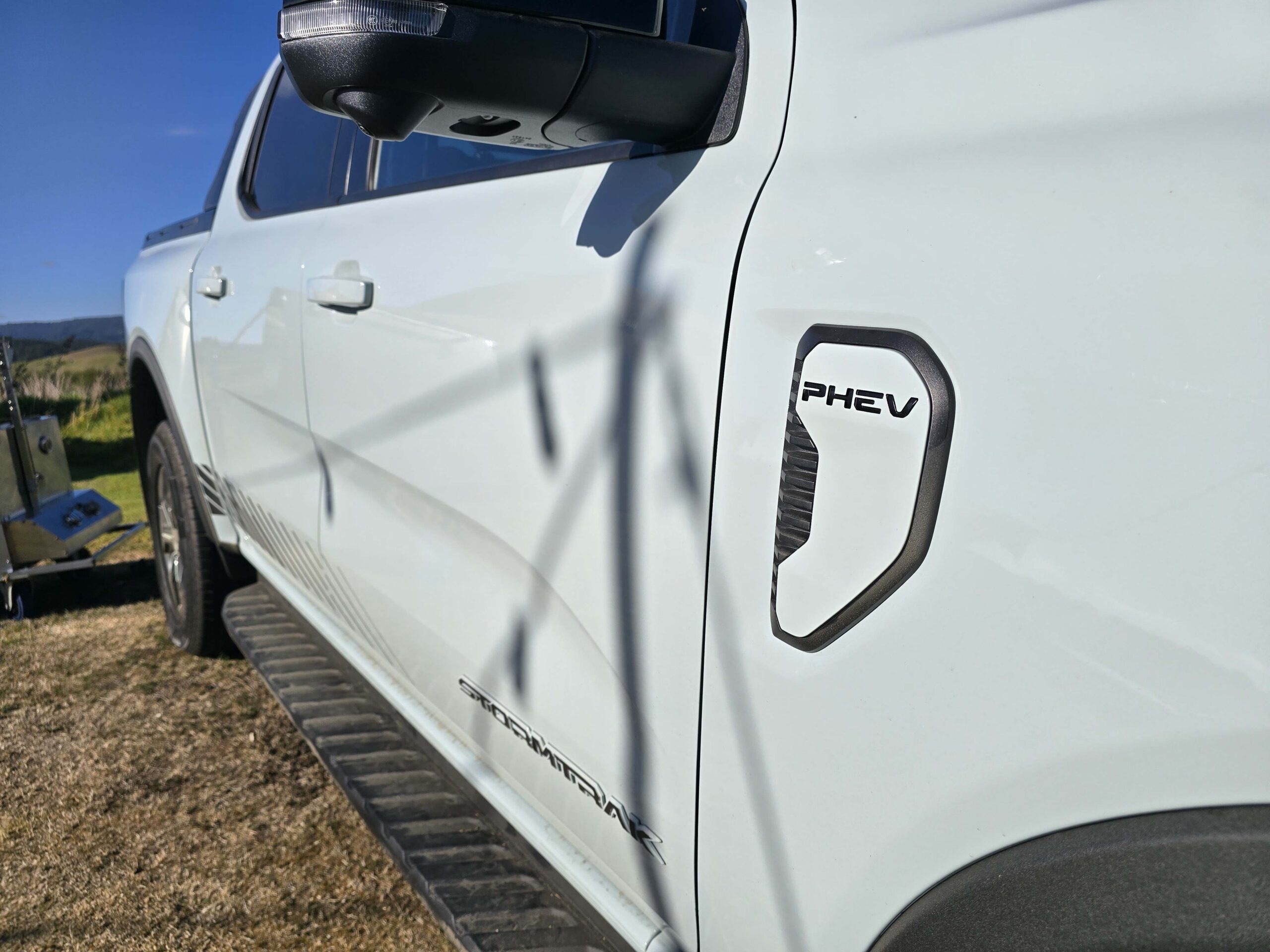
Yet, all is not rosy in the glowing world of electricity. Enter PHEVs. These plug-in hybrids are enjoying a moment in the spotlight, providing a lifeline to hesitant motorists wary of sporadic charging options. Think of them as the comforting training wheels for the EV-curious: a little bit of electric pizzazz with the safety net of a puny gas engine. PHEVs are particularly adored in China, the global leader in EV adoption, though market trends suggest their charm will fade as BEVs claim their rightful throne. After all, the future belongs to zero-emission vehicles, not those with a commitment problem.
A Road Paved with Challenges
Of course, manufacturers are still working to steer through some sharp curves. Transitioning to EV-dominated production lines will hurt many bottom lines in the short term, with pricey R&D and the need for standardized charging infrastructure causing metaphorical (and literal) potholes. Even so, auto giants don’t have the luxury of pumping the brakes. With regulations tightening in 2025, 2030, and beyond, it’s adapt or bust for OEMs. Europe is shaping up to be a major battleground, with sky-high emission-reduction goals pushing automakers reluctantly toward zero-emission commitments.
Charging Into the Sunset
IDTechEx’s crystal ball views this evolution in transport as a key pillar in the race toward net-zero emissions. Their comprehensive report, “Plug-in Hybrid and Battery Electric Cars 2025-2045: Technologies, Players, Regulations, Market Forecasts,” identifies trends, challenges, and opportunities for players riding the EV bandwagon. For manufacturers, this means more electric pickup trucks in American suburbs and cost-effective EVs for the global middle class. For governments, it’s a turbocharged push to get infrastructure and regs in place before 2035 sets us all on cruise control to a greener tomorrow.
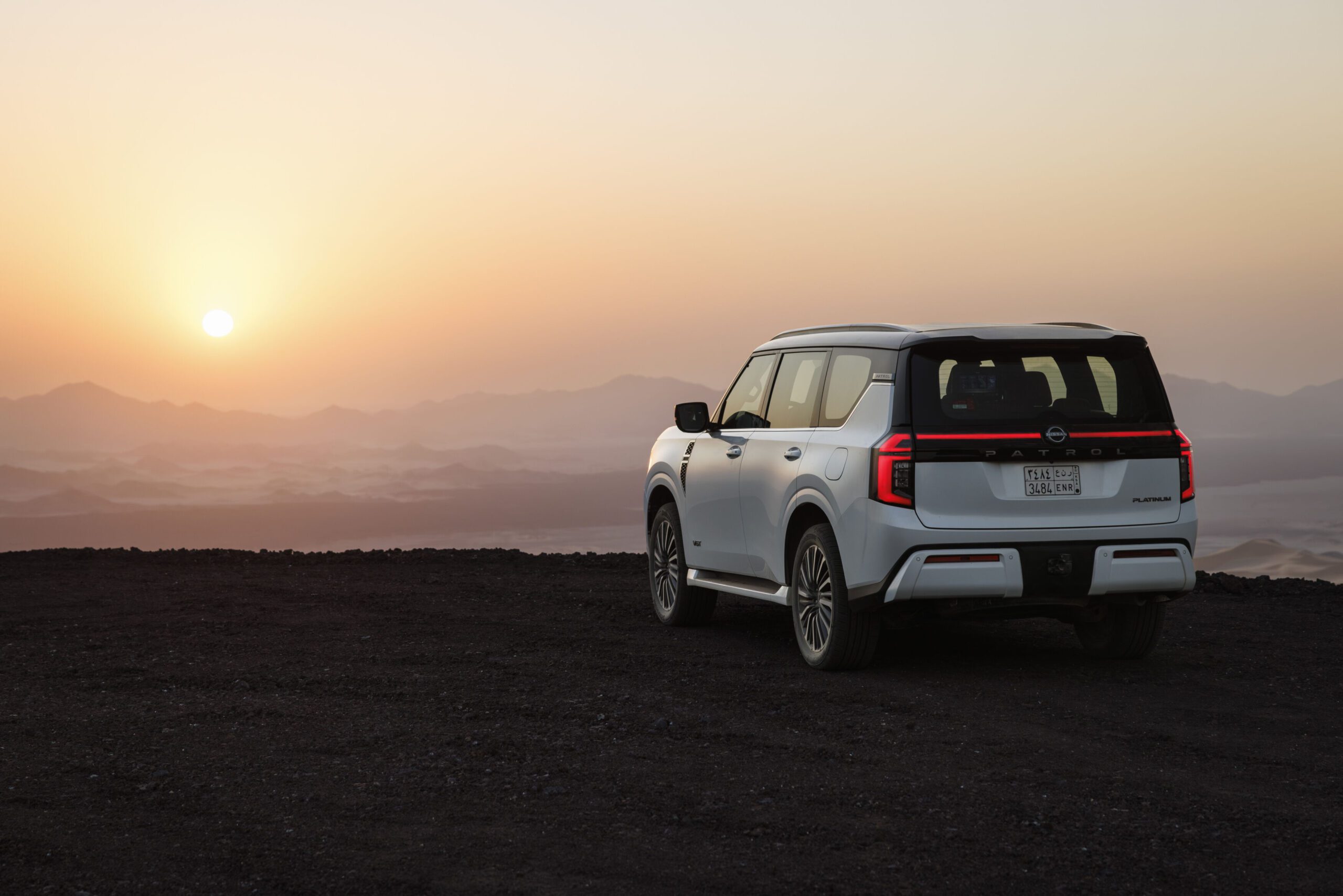
Whether you’re a tech enthusiast, a climate advocate, or just someone who can’t remember to charge their phone (let alone a car), the rise of electric vehicles is a story worth following—because the end is not just electric; it’s shockingly spectacular.