In a kind of ‘what the’ moment, Lotus, the iconic driver-focused automaker, is diving headfirst into the world of autonomous driving. Yes, the same company that for decades has proclaimed the joys of “lightweight and nimble sports cars” is now rolling out an all-encompassing self-driving solution. Irony or evolution? You decide. Regardless, the thrust of this shift is the partnership with CaoCao Mobility, a Geely-backed ride-hailing service, to launch a next-level autonomous platform for robotaxis in China.
With names like “ROBO Soul” and “ROBO Galaxy,” Lotus Robotics has created an entire suite of technologies designed to squeeze the human out of driving. No longer content with the tight, instinctive response of piloted precision, Lotus is pioneering systems that claim to handle “urban navigation without maps,” promising levels of autonomy that leap towards “hands-off-and-don’t-worry-about-it” journeys. The company’s NOA (Navigate on Autopilot) software paves the way for U-turns and lane changes that, yes, even you might hesitate to make without some divine intervention.
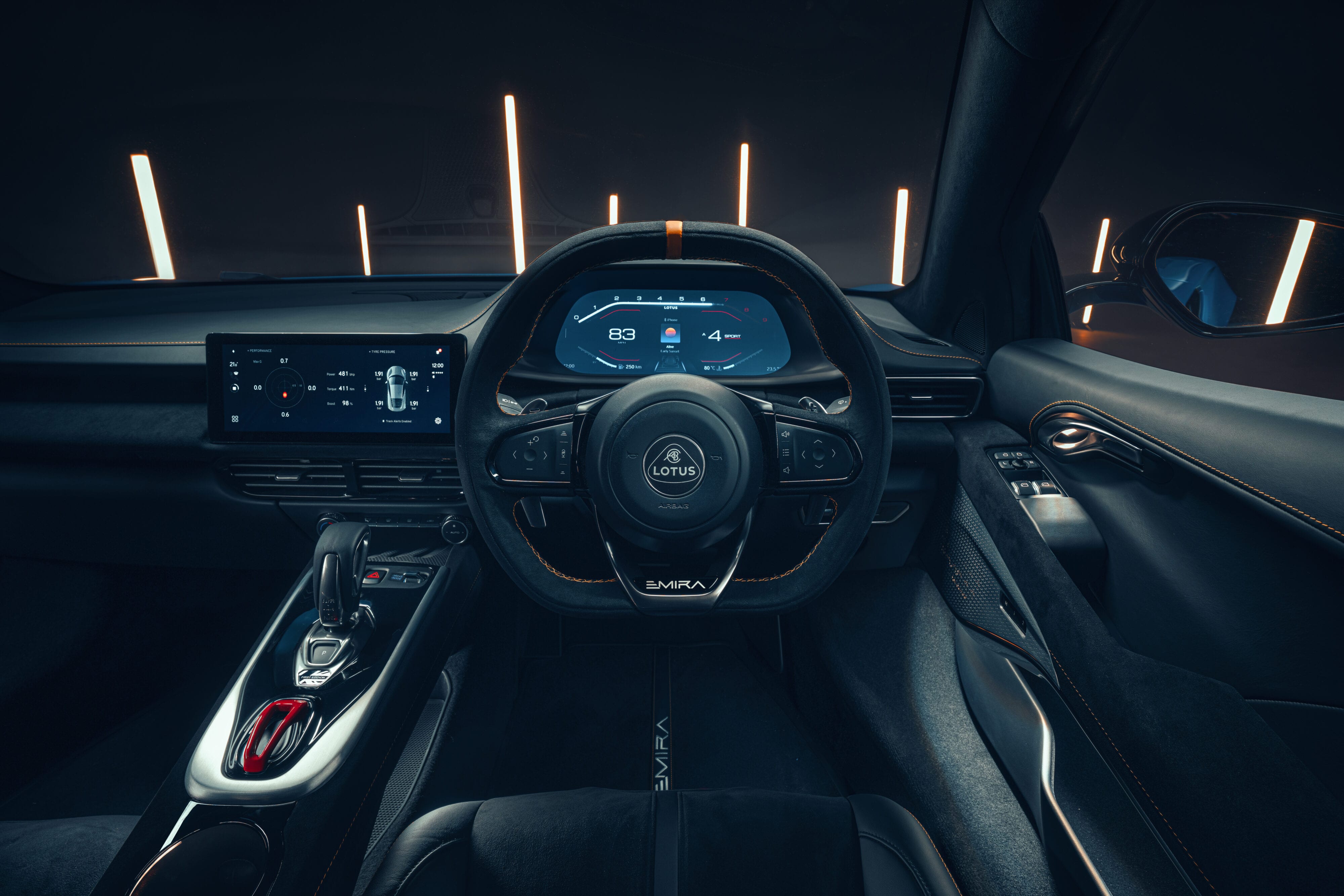
Yet, Lotus hasn’t entirely abandoned its DNA. One eyebrow-raising detail: this same self-driving tech is reportedly finding a home in Lotus’s consumer vehicles, such as their “hyper-SUV” Eletre and “hyper-GT” Emeya. Imagine, if you will, owning one of these brash machines—designed to dominate the road—and letting it… drive itself. No thrilling apexes, no sharp changes of direction dialed through your instincts. Just point A to B, while the car decides the rest. For a brand that prided itself on capturing the heart of motoring enthusiasts, this feels less like progress and more like waving a white flag to convenience.
Perhaps Lotus Robotics has a broader game plan. With its robotaxi tech tested over 13,545 km in Chinese cities Suzhou and Hangzhou—achieving zero intervention incidents—it’s not hard to argue they’re nailing the fundamentals of automated driving. This platform even navigates unpredictable hurdles like jaywalking pedestrians, proving it’s braver than most human drivers. And on the horizon? A global rollout of its ultra-precise navigation and cloud-driven fleet management software.
To scale globally, Lotus Robotics is enlisting Amazon Web Services (AWS) to give their artificial intelligence its cloud-based mojo. Because nothing boosts consumer confidence in your fancy car quite like knowing its decision-making processes are tethered to remote servers thousands of miles away . Meanwhile, CaoCao Mobility touts its ability to serve over seven million professionals across 57 cities in China—business travelers, perhaps as numb to traffic as they are to corporate PowerPoint decks, may find robotaxis the least depressing solution for transit.
And for the pièce de résistance, Lotus Robotics is joining forces with Saudi Aramco’s digital subsidiary to potentially transform Middle Eastern streets with robotaxis. Because when you think “autonomous mobility revolution,” your first thought is surely “connect oil profits to self-driving cars”.
So yes, Lotus is embracing the autonomous driving arms race with open arms—or should we say, steering-free fingers. The question remains: Can they reconcile this future with their storied legacy of creating cars that once asked drivers to feel every curve and undulation of the road? It’s a brave new world for the “driver’s brand”—one where the driver may soon be optional. Call it progress or irony; Lotus seems determined to steer straight into its technological destiny, whether anyone holds the wheel or not.