In an age where hypercars are becoming terrifyingly quiet, bewilderingly complex, and heavier than a small moon, you’d be forgiven for thinking the soul of the supercar had been traded for a mess of pottage and a faster lap time algorithm. We’re told that paddle shifters are faster, hybrid systems are smarter, and that what we really want in our multi-million-dollar machine is a bigger infotainment screen to mirror our phone.
Well, it seems a new British outfit called Garagisti & Co. has just yelled “rubbish!” from the back of the room. They’ve unveiled the GP1, and it’s the glorious, high-proof, analogue antidote we’ve all been dreaming of. This isn’t just a new car; it’s a statement of intent, a machine that exists for no other reason than to deliver pure, unfiltered driving joy.
The V12 Scream You’ve Been Missing
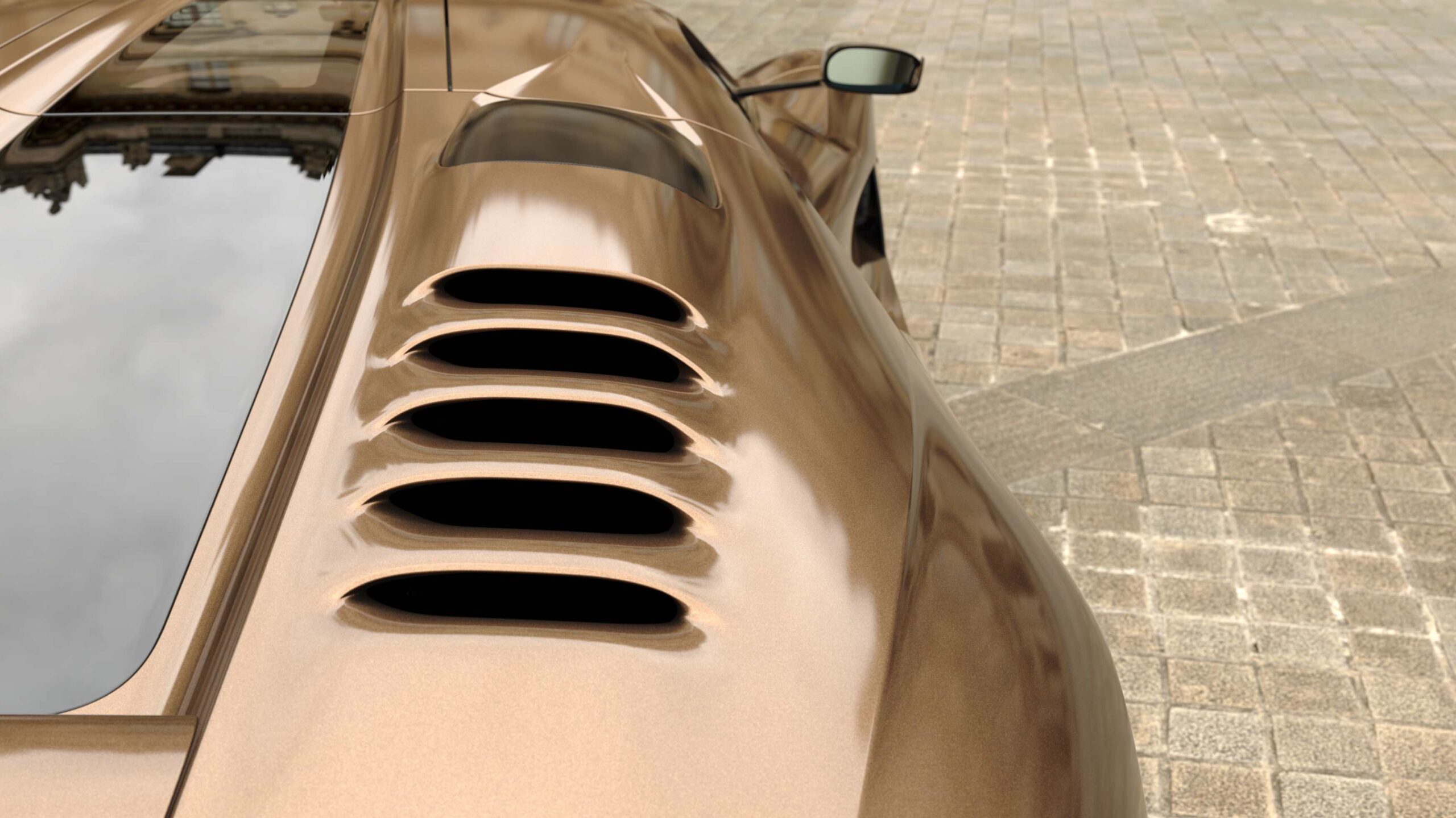
Let’s get straight to the heart of it, because what a heart it is. Nestled in its carbon monocoque chassis is a completely bespoke, 6.6-litre, naturally aspirated V12. Developed by the Italian maestros at Italtecnica, this engine isn’t burdened with turbos or silenced by hybrid assistance. Instead, it delivers its 800 hp the old-fashioned way: by screaming its lungs out all the way to a 9,000 rpm redline. The creators say it’s designed to delight with a “mechanical soundtrack reminiscent of motorsports engines from a bygone era,” which is PR-speak for “it sounds absolutely epic”.
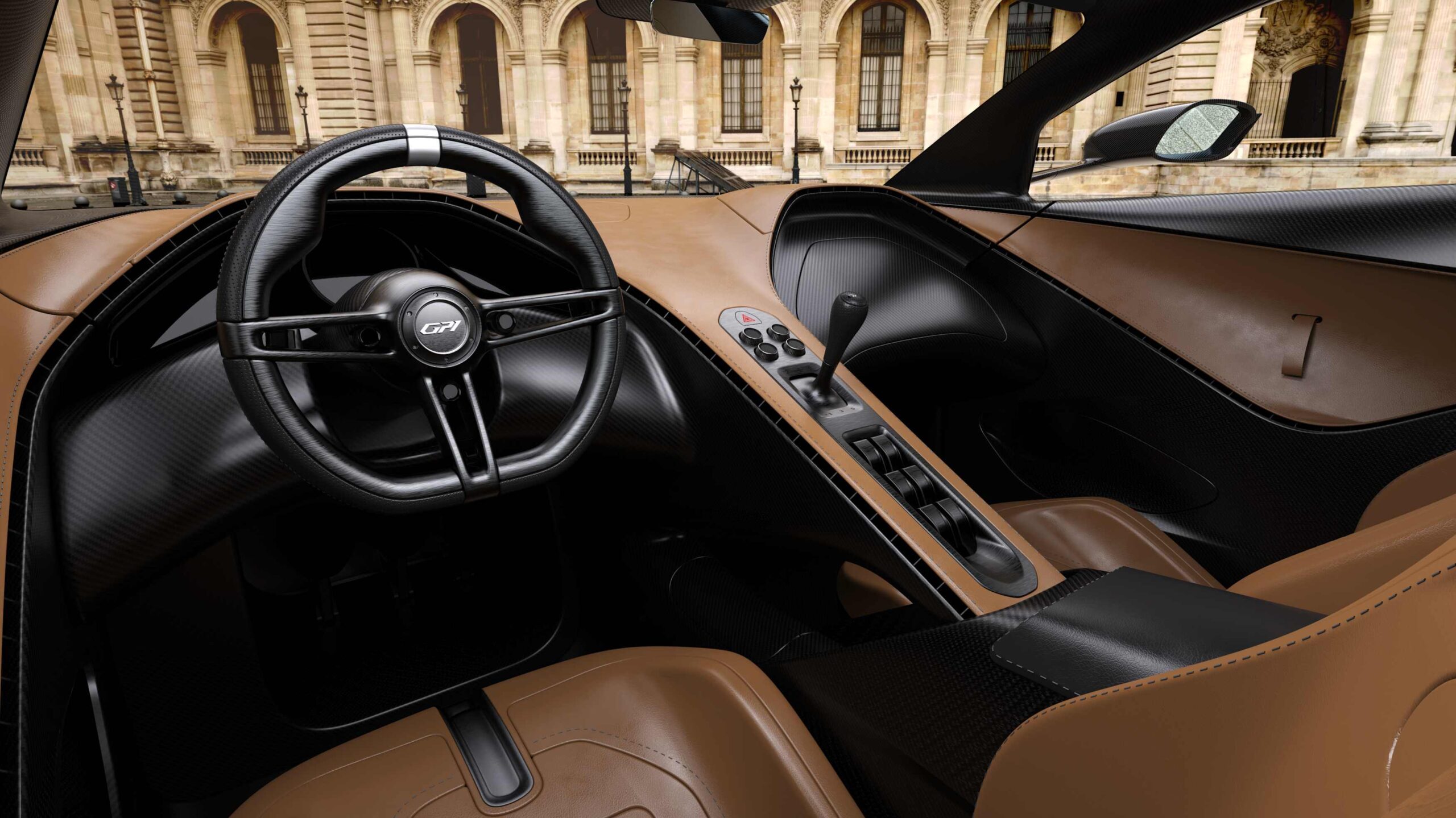
And how do you control that power? With your left foot and your right hand. Power goes to the rear wheels via a longitudinally mounted, six-speed manual gearbox from motorsport legends Xtrac. Yes, you read that right. Three pedals and a stick. In a 2025 hypercar. Remember those? Garagisti & Co. does.
Form, Function, and a Wink to the Greats
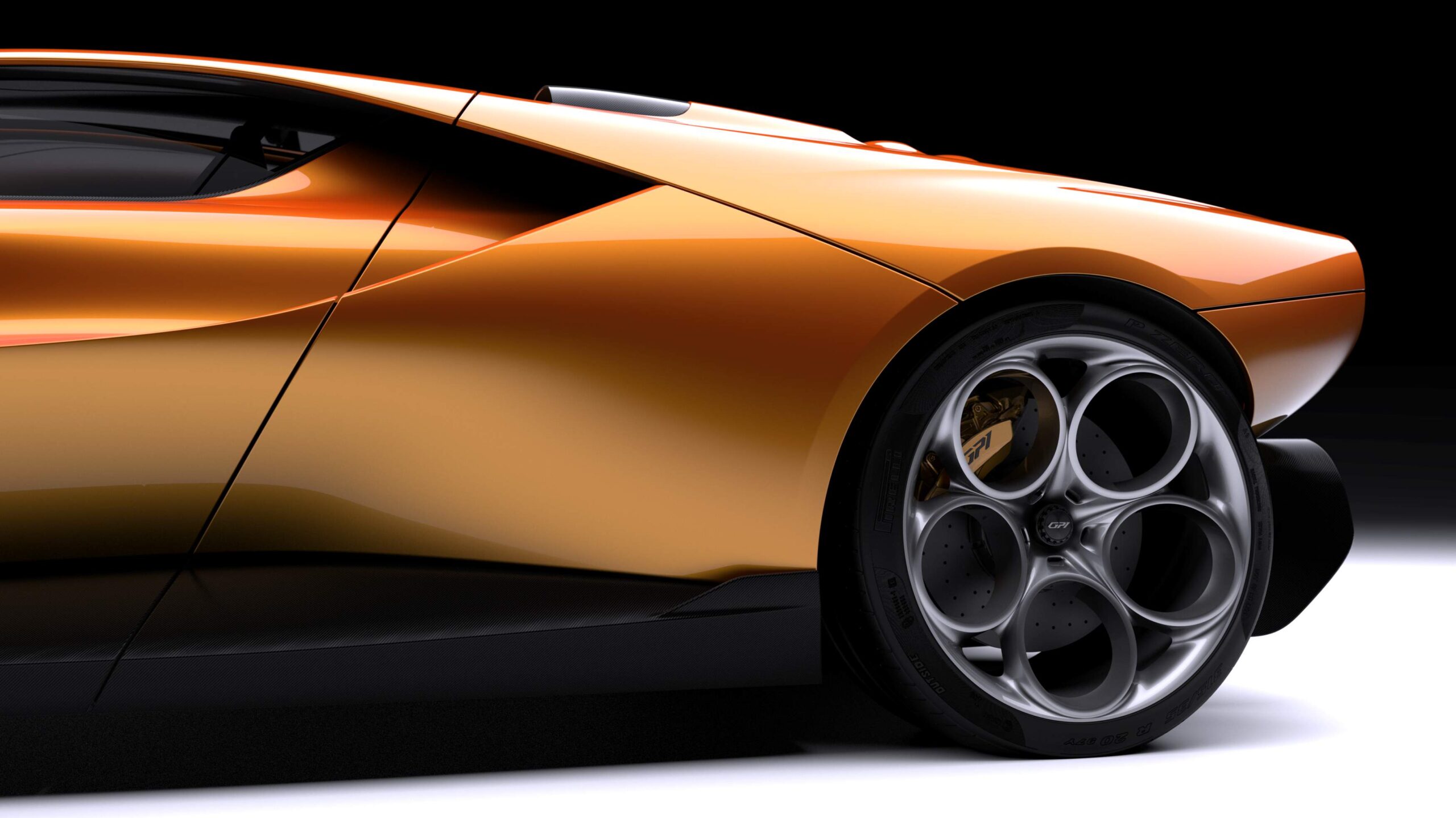
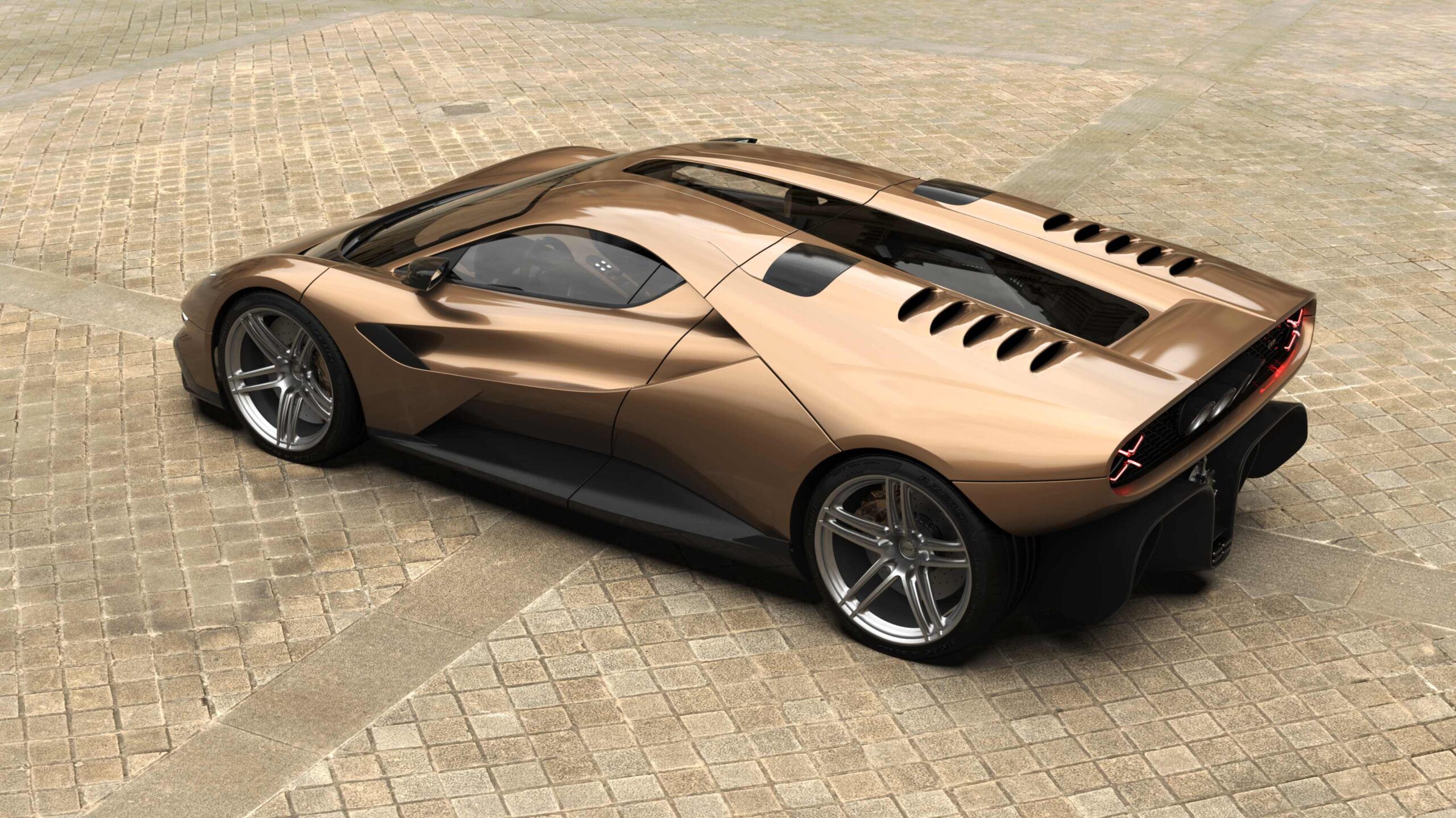
The man tasked with drawing this beast was Angel Guerra, whose CV rather ironically includes Bugatti and Rimac—two pioneers of the very digital age the GP1 rejects. The result is a stunning piece of sculpture that blends cues from the golden age of wedge design without being a lazy retro pastiche. Customers and fans have seen echoes of Gandini masterpieces like the Lancia Stratos Zero and Countach, but the GP1 is very much its own creation.
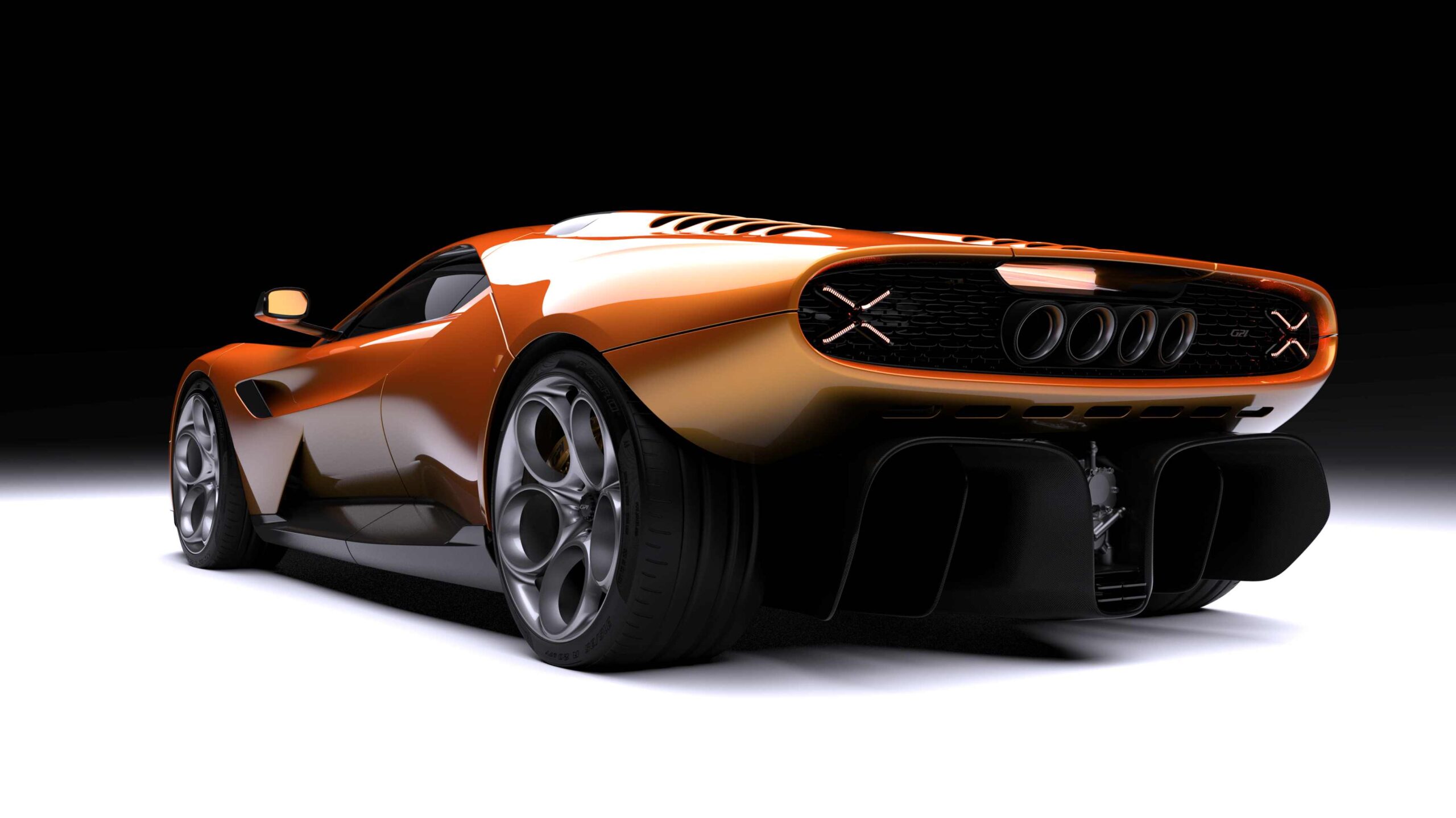
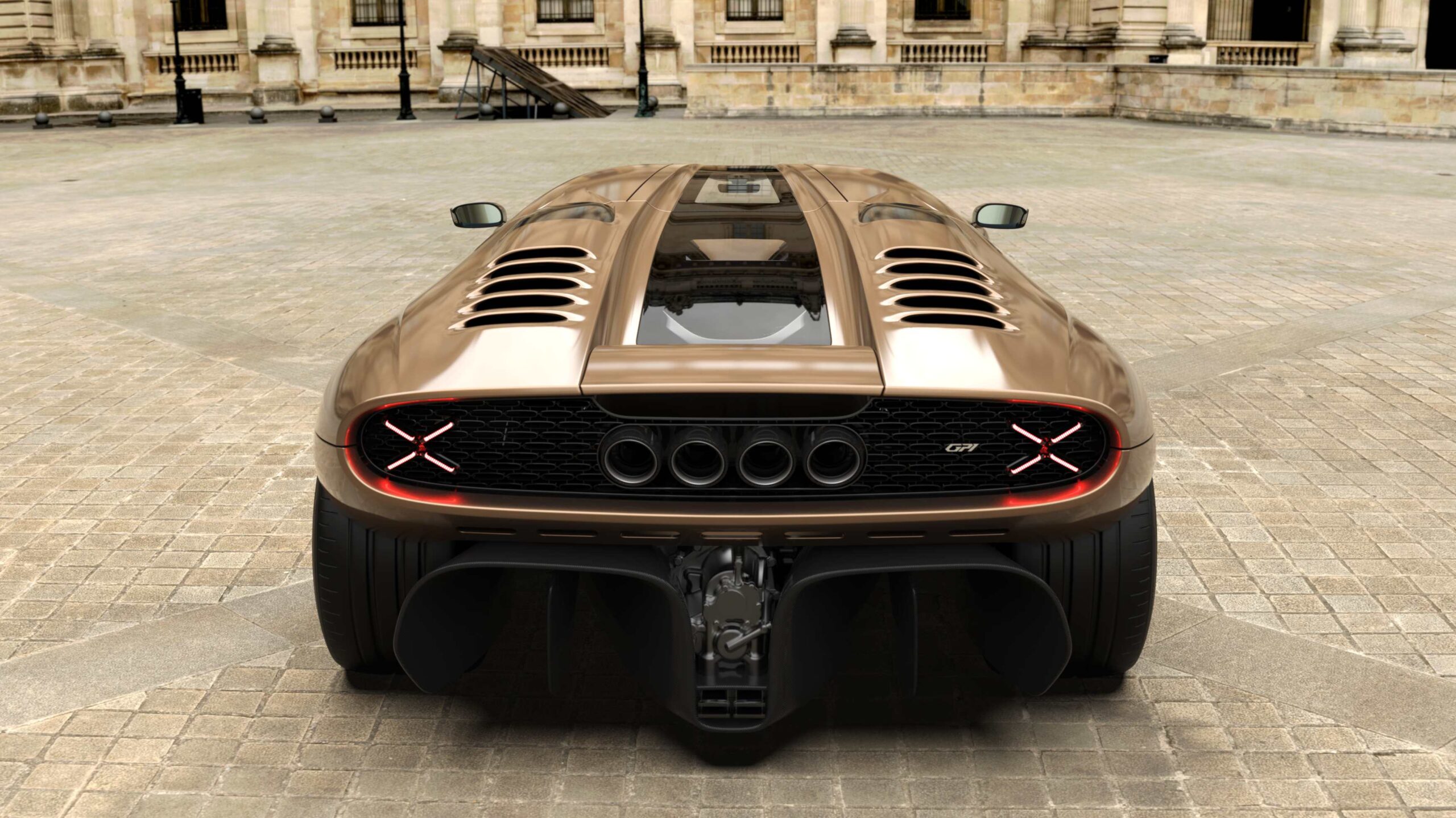
But it’s not all just sensual styling. Underneath the beautiful coachwork lies a pure, motorsport-grade aerodynamic package developed by DEXET Technologies. The clever packaging allows for some of the largest rear diffusers ever seen on a road car, generating true ground-effect performance to keep its scant 1,000 kg dry weight glued to the tarmac.
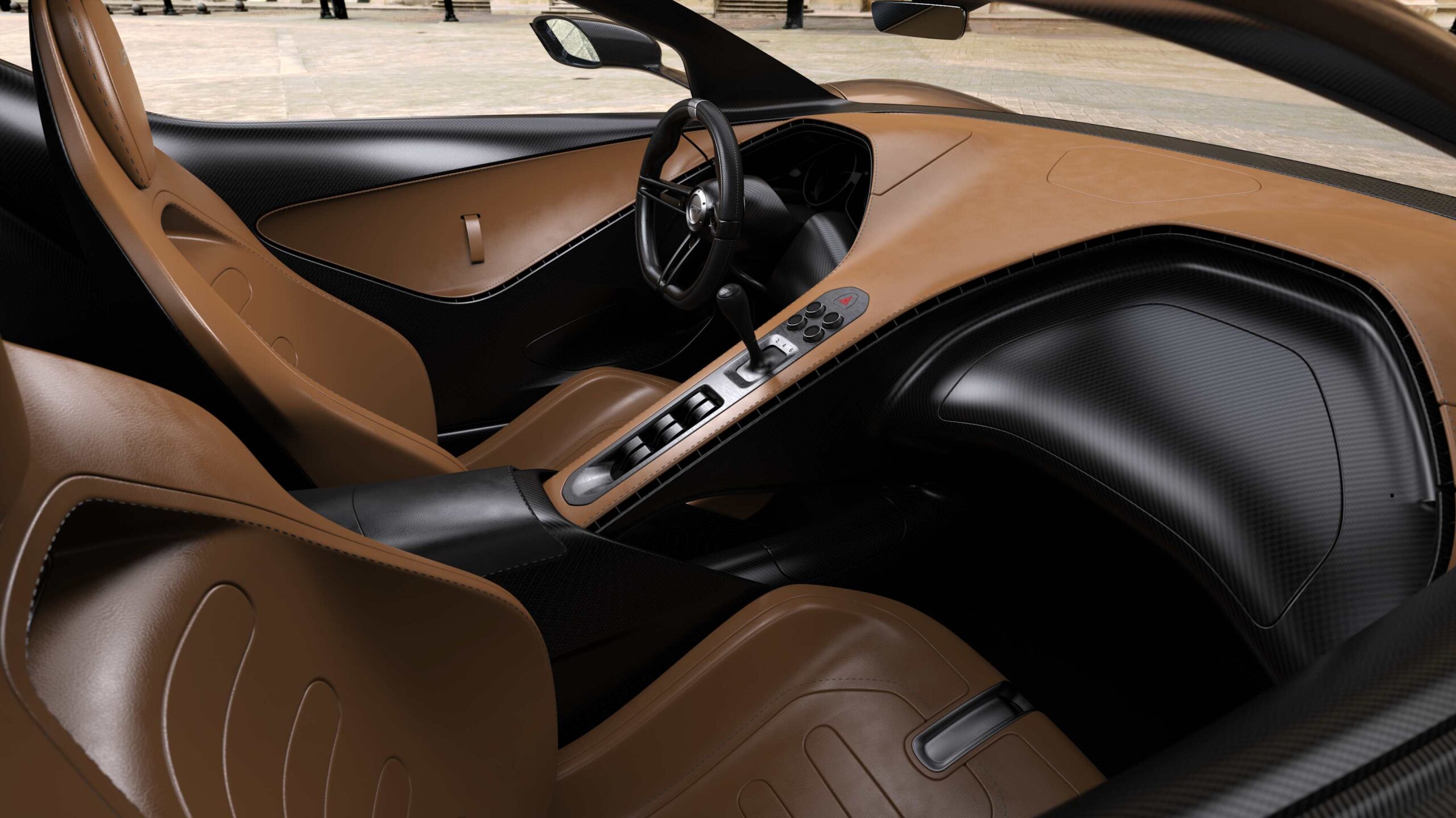
The brief for the twin-cockpit interior was beautifully simple: “‘No oversized screens. No unnecessary gimmicks. Just you, the machine, and the road ahead’”. The result is a cabin sculpted for driving purity, free from the distractions that plague modern cars.
A Coalition of Rebels
Like the privateer Formula 1 teams of the ’50s and ’60s that inspired its name, Garagisti & Co. is a “coalition of specialists, not generalists”. They’ve assembled a dream team to build what the big manufacturers can’t, or won’t. With Italtecnica on the engine, DEXET on the chassis, and top-tier suppliers like Brembo and Öhlins on board, this is a hypercar with no brand legacy to protect and no focus groups to please. It’s a machine built on “instinct, taste, and engineering excellence”.
This purist vision was born from a simple question posed by co-founder Mario Escudero: “What if the golden age of analogue supercars never ended?”. The GP1, he says, is the answer.
So, what’s the price for this slice of analogue heaven? A cool £2.45 million, plus local taxes. And you’ll need to be quick, as only 25 will ever be made for the road. The price reflects the cost of starting from a completely blank sheet, free from compromise. For the first 12 commissioners, an “Open Doors” programme offers a rare chance to witness the car’s creation alongside the very people building it.
In a world going numb, the Garagisti GP1 is a shot of pure adrenaline. It’s a reminder that the greatest connection isn’t wireless; it’s the mechanical link between driver, engine, and the road. We can’t wait to see, and more importantly hear, more.