At the Toyota Sustainability Report 2024 lunch, Suzanne Hardy, Assistant Vice President: Marketing, Sustainability & Technology at Toyota New Zealand, spoke about the brand’s steadfast commitment to sustainability and its wider role in shaping a future that prioritises environmental care, societal impact, customer needs, and long-term economic prosperity.
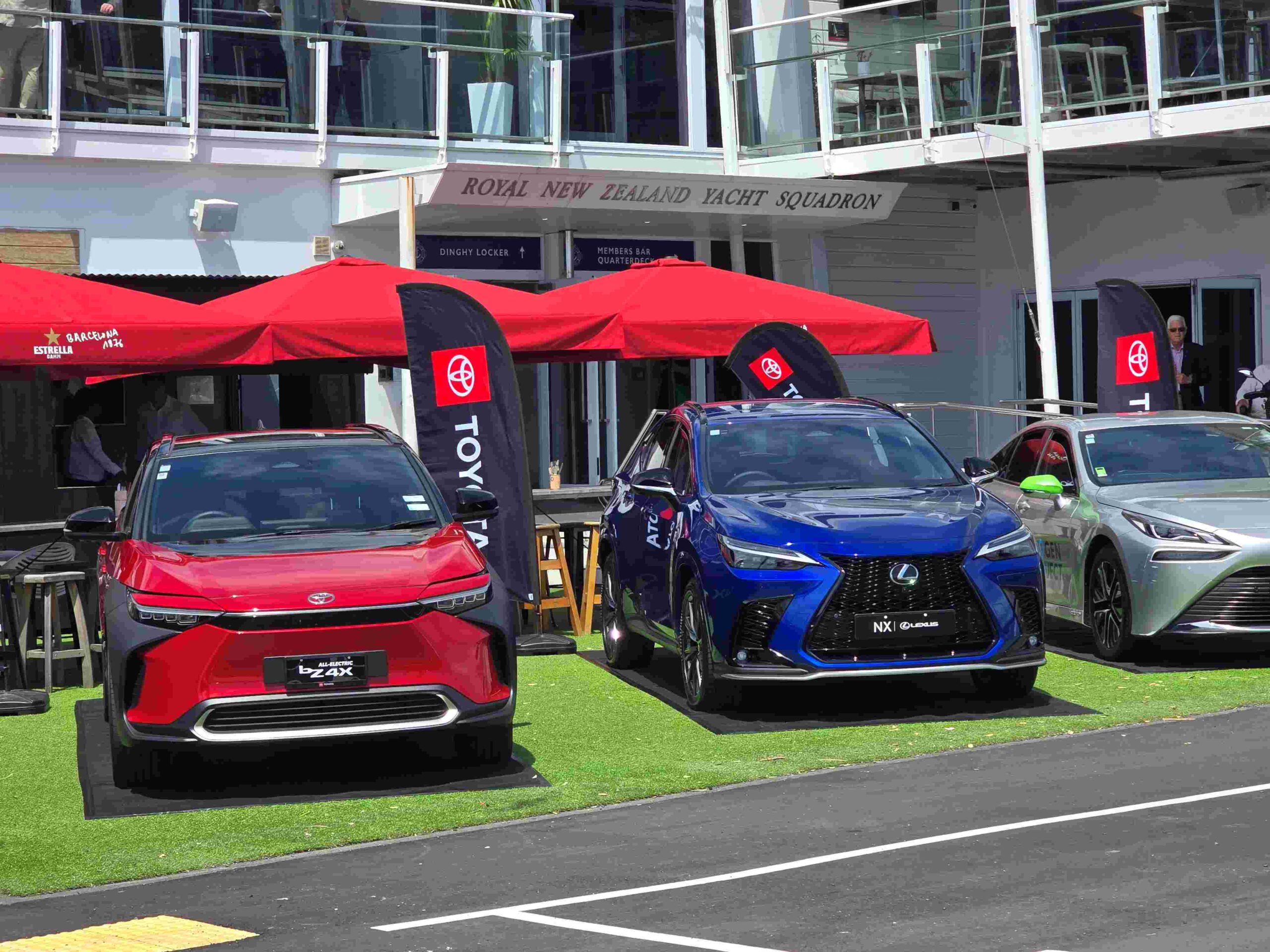
Addressing an audience at the Royal New Zealand Yacht Squadron, a location chosen for its ties to Toyota’s decades-long partnership with the squadron and the Emirates Team New Zealand, Hardy painted a vivid picture of Toyota New Zealand’s path forward in its transition to a sustainable mobility company.
Transforming from Automotive to Mobility: A Holistic Strategy
At the heart of Toyota New Zealand’s strategy is its transformation from a company focused on selling vehicles to one that emphasises mobility solutions tailored for diverse customer needs. Hardy highlighted the close collaboration between Toyota New Zealand and Toyota Financial Services to achieve these goals, combining expertise in customer services, shared data, and integrated mobility initiatives.
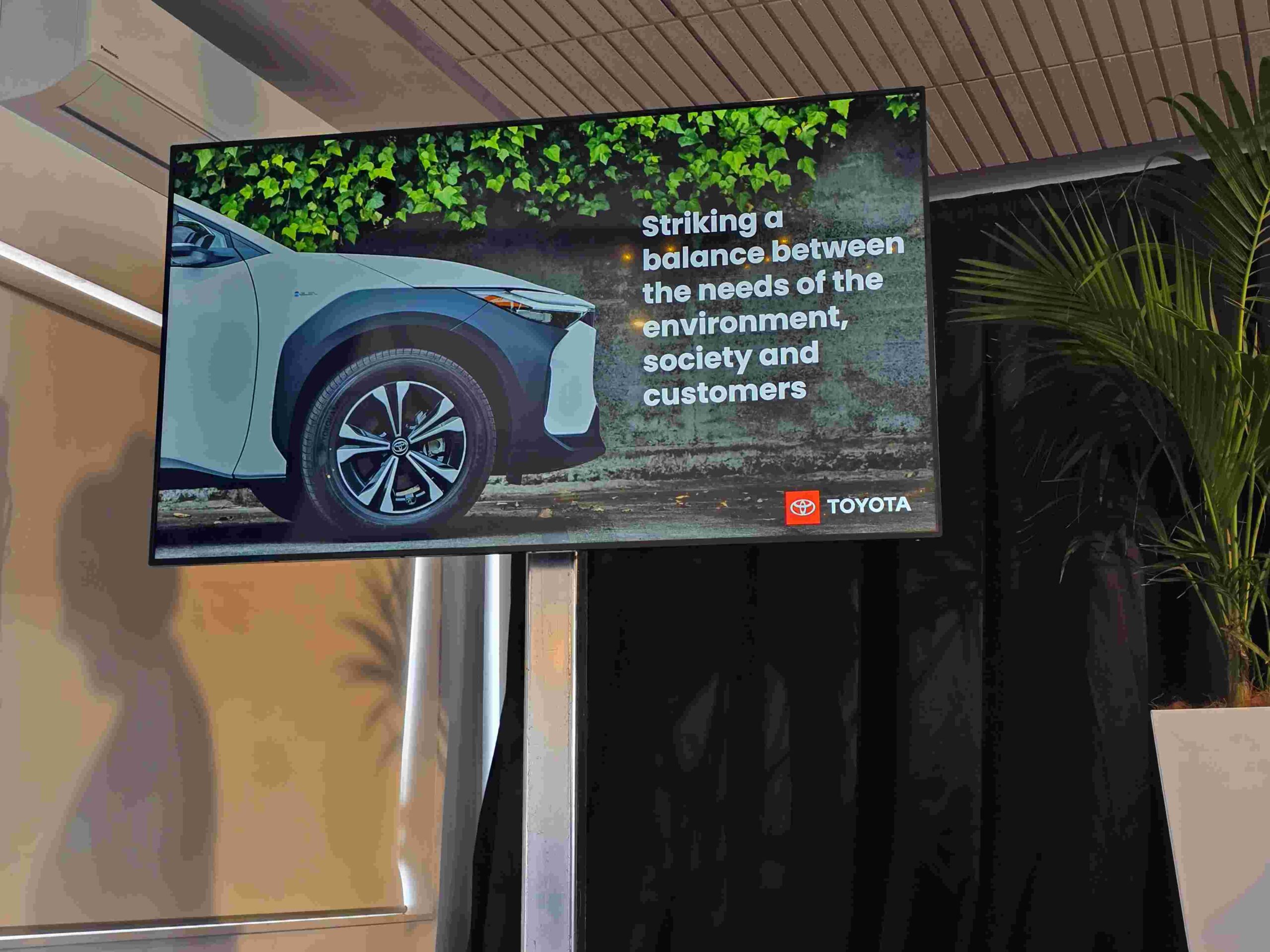
“We need to strike the right balance, environmental care, societal impact, customer needs, and economic prosperity are all central to our business strategy,” she remarked. This balanced approach, according to Hardy, is critical to ensuring Toyota can lead industry change and address New Zealand’s transport emissions while continuing to deliver on customer expectations.

An Ambitious Emissions Reduction Vision
Hardy outlined Toyota New Zealand’s bold target to reduce its carbon emissions by 46% by 2030, using 2019 as the base measurement year. This includes Scope 1, 2, and 3 emissions, making it one of the most comprehensive reduction targets set by a company in the New Zealand automotive sector. Notably, 84% of Toyota New Zealand’s total emissions fall under the challenging Scope 3 category, attributed to tailpipe emissions from the vehicles it sells.
Reducing these tailpipe emissions remains the company’s single biggest hurdle. Projections currently forecast a 9% shortfall by 2030, with tailpipe emissions reductions reaching 37% instead of the targeted 46%. Hardy acknowledged factors beyond Toyota’s direct control, such as the economic climate, competition, regulations, customer adoption of zero-emission vehicles, and infrastructure development, but emphasised the company’s determination to overcome these challenges.
Key to this is Toyota’s multi-powertrain approach, leveraging hybrid, plug-in hybrid, battery electric, and hydrogen-powered technologies to meet diverse customer needs while transitioning toward zero emissions. “We aren’t backing away from our goals. Instead, we are adapting to ensure we can deliver sustainable yet practical mobility solutions for Kiwis across the country,” Hardy stressed.
Electrification Milestones and Challenges
Toyota New Zealand’s electrification efforts have already achieved significant results, with 55% of new vehicle sales now electrified. The company aims to increase this figure to 85% by 2027 and 90% by 2030. Vehicles such as the hybrid Hilux and hybrid Land Cruiser Prado showcase Toyota’s commitment to electrify even its most rugged and functional models, ensuring both customer and regulatory needs are met.
However, Hardy stressed that the company’s success hinges on wider systemic and customer-driven factors, such as expanding charging infrastructure, advancements in battery technology, and customer confidence in adopting electrified vehicles. Hardy reiterated Toyota’s commitment to collaborating with government, industries, and communities to ensure these barriers are addressed.
Leading in Renewable Energy and Hydrogen
In line with New Zealand’s 85% renewable energy production, Toyota New Zealand is investing in renewable energy initiatives as part of its decarbonisation strategy. At its Palmerston North headquarters, solar panels and renewable energy use are reducing operational emissions. These efforts extend to local Toyota stores implementing similar measures.
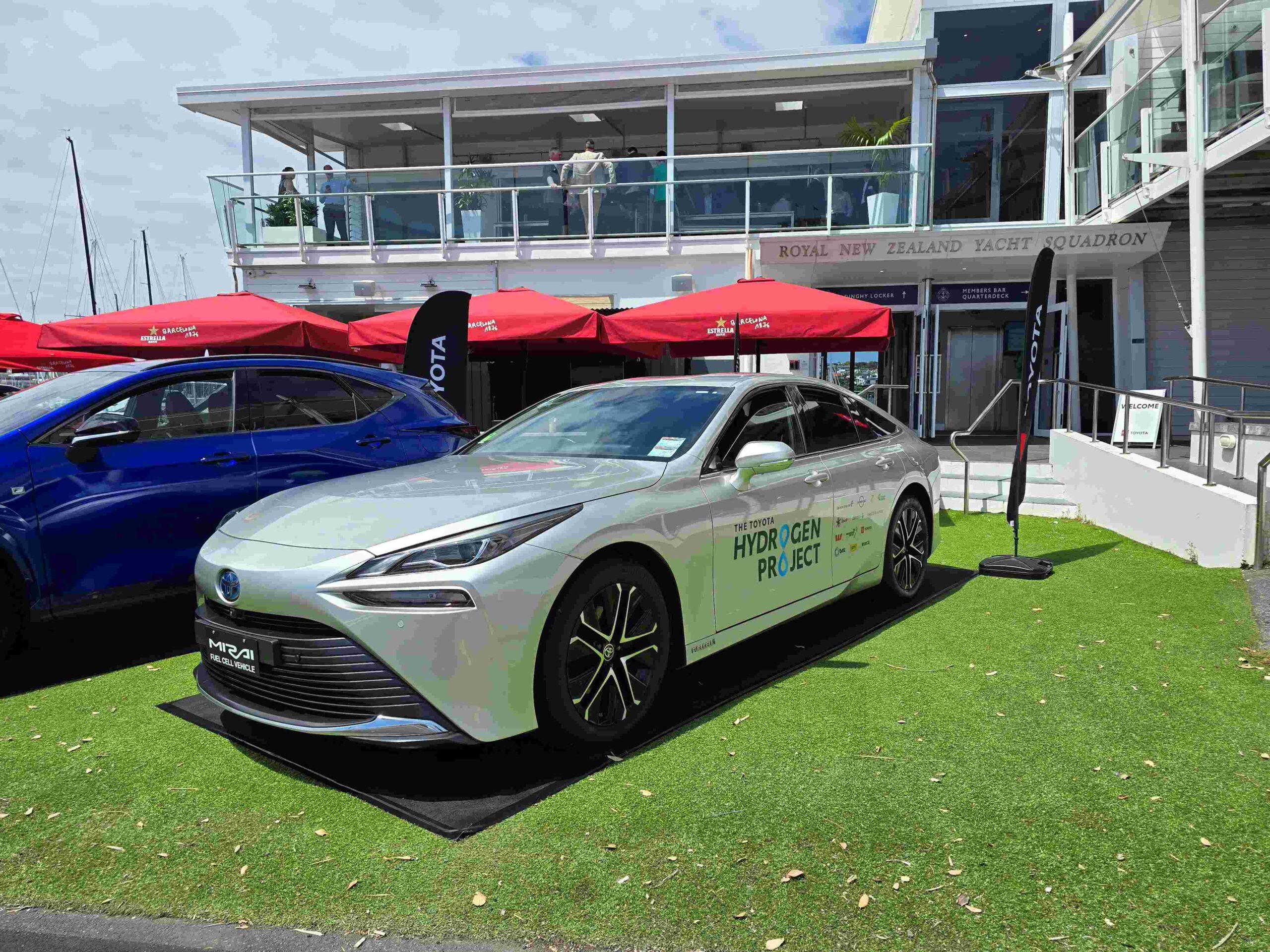
Hardy also underscored the company’s role in advocating for hydrogen as a sustainable energy source. Toyota has been instrumental in promoting hydrogen infrastructure and applications, such as its work on hydrogen-powered chase boats for America’s Cup teams and the development of hydrogen fuel cell generators. Additionally, Toyota is exploring cost-effective fuel cell conversions for New Zealand’s transport sector, which could pave the way for green hydrogen adoption across industries and enable exports to international markets like Japan.
A Deep Connection to New Zealand Communities
Hardy pointed out that Toyota’s vision for sustainability extends beyond environmental goals, it’s equally about communities, partnerships, and cultural values. For over 32 years, Toyota has supported Emirates Team New Zealand, taking pride in their shared successes on the global stage. This spirit of partnership is mirrored in the brand’s everyday efforts, with more than 60 Toyota stores nationwide contributing to local clubs, charities, and sports initiatives.
Toyota New Zealand’s contributions have helped Kiwis achieve recognition on international stages, including supporting Olympians, Paralympians, and local sailors. These efforts align with Toyota’s broader societal mission to foster sustainable communities throughout the country.
A Trusted Brand with Purpose and Leadership
Toyota’s commitment to sustainability and community impact has not gone unnoticed. In 2024, Toyota was named the most respected brand in New Zealand in the Colmar Brunton corporate reputation index. Hardy described this recognition as a reflection of Toyota’s values and the trust it has built over decades of serving Kiwis.
“Our work is far from over,” she concluded. “But this honor is both humbling and rewarding. It validates the effort we’ve put toward aligning customer needs, business goals, and sustainability.”