There are press launches, and then there is this. A group of journalists from Autocar India borrowed a production Škoda Kylaq from Škoda Auto India and drove it from the car’s manufacturing plant in Pune all the way to Prague, 19,351 kilometres across 13 countries in 70 days. No breakdowns. No flat tyres. Not a scratch on the alloy wheels.
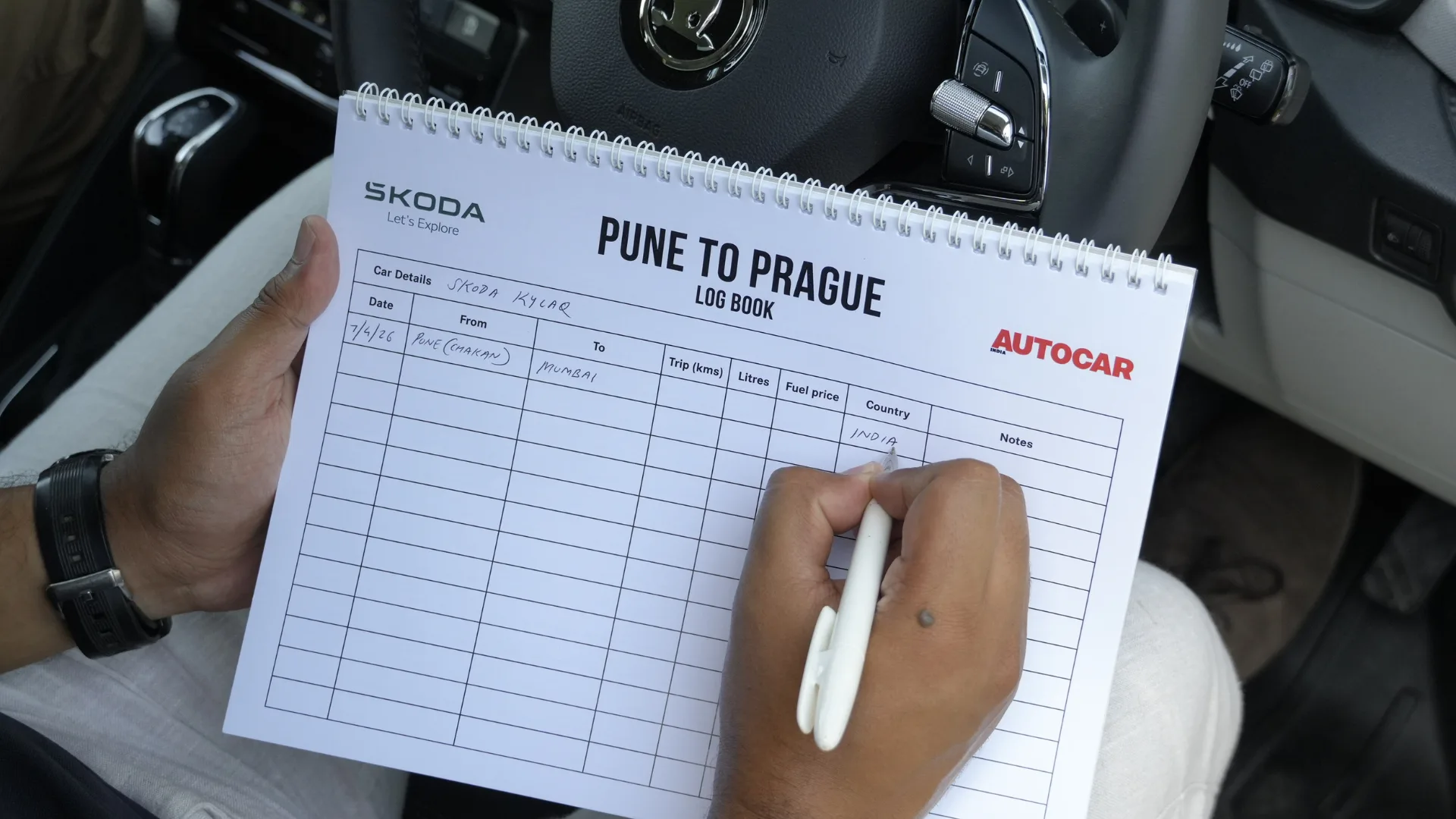
“Not a single scratch, even the alloy wheels are unscathed,” said Hormazd Sorabjee, editor of Autocar India, who led the expedition. The route passed through India, Nepal, China, Kyrgyzstan, Uzbekistan, Kazakhstan, Russia, Georgia, Turkey, Bulgaria, Hungary, Austria, and the Czech Republic.
The Route and Its Challenges
The journey was far from a motorway cruise. India’s opening stages meant dense, slow-moving traffic with no clearly defined lanes. Nepal brought technical driving sections, and China delivered the expedition’s most punishing stretch by some margin.
One 400-kilometre section in China took 14 hours to complete along rocky, barely defined paths at elevations exceeding 4,000 metres above sea level. “Roads are practically nonexistent there,” Sorabjee said. The crew also had to adapt to right-hand traffic in China, a particular challenge in a left-hand-drive car when overtaking or pulling into a garage.
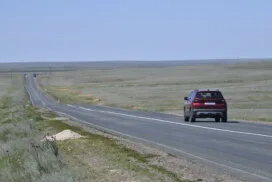
Conditions eased considerably as the team moved west. By the time the Kylaq reached Europe, Sorabjee noted it looked entirely at home alongside other Škoda models in traffic. The car attracted attention not for being unfamiliar, but for its Indian number plate and right-hand steering wheel.
How the Car Performed
The Kylaq used on the trip is a compact SUV measuring just under four metres in length. It is built on Škoda’s MQB-A0-IN platform and powered by a 1.0-litre TSI petrol engine producing 85 kW and 178 Nm of torque, paired with either a six-speed manual or automatic gearbox. The car is developed and manufactured locally at the Chakan plant near Pune.
Average fuel consumption across the entire journey came to 6.45 litres per 100 kilometres, with 45 refuelling stops along the way. The team credited the Kylaq’s relatively high ground clearance and high-profile tyres as key factors in surviving the rougher sections undamaged.
Sorabjee also noted a pleasant surprise: stable high-speed behaviour on European roads, something the car rarely gets to demonstrate in India’s congested conditions. He praised the seat comfort over long days, and the team made practical use of the large door pockets and the ventilated glovebox, which kept drinks cool and prevented chocolate from melting in the heat.
Preparation and Pace
Completing a drive like this across 13 countries in a car registered in India required considerable administrative groundwork. The team needed permits for each country and drew on both prior experience and support from Škoda Auto India to secure them.
The crew kept a deliberate pace throughout. Some days covered 800 kilometres; others finished at lunchtime. Rest days were built in regularly. Sorabjee estimated the route could have been completed in under 60 days at a push, but the team chose not to rush, particularly through Central Asia, where the scenery, food, and Silk Road heritage made the detour worthwhile in its own right.
Before the Kylaq entered production, Škoda subjected it to testing across Indian conditions ranging from minus 10 to plus 85 degrees Celsius and at altitudes up to 3,000 metres. The Pune-to-Prague run pushed well beyond those parameters, and the car came through without complaint. For a model designed and priced for the Indian domestic market, that is a meaningful result.