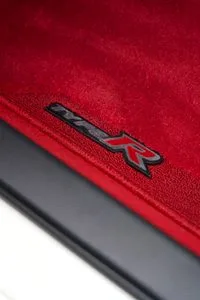
Having spent some time reflecting on what makes a Type R a Type R in my recent look at thirty years of Honda’s red badge, it seemed only fitting to follow that up with some time behind the wheel of the current Civic Type R. Being a fan of the moniker, it was an opportunity I’d been looking forward to for quite some time.
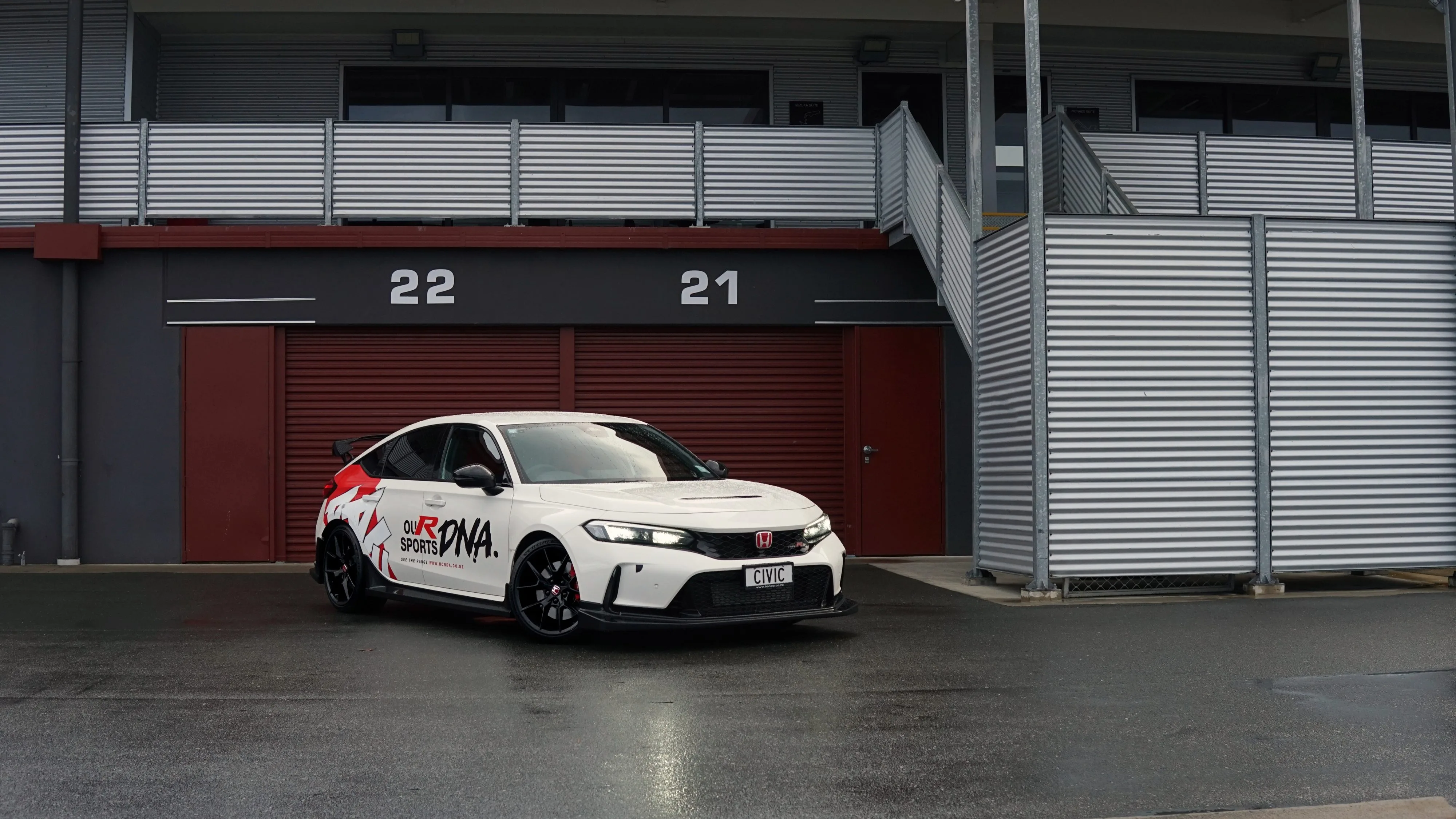
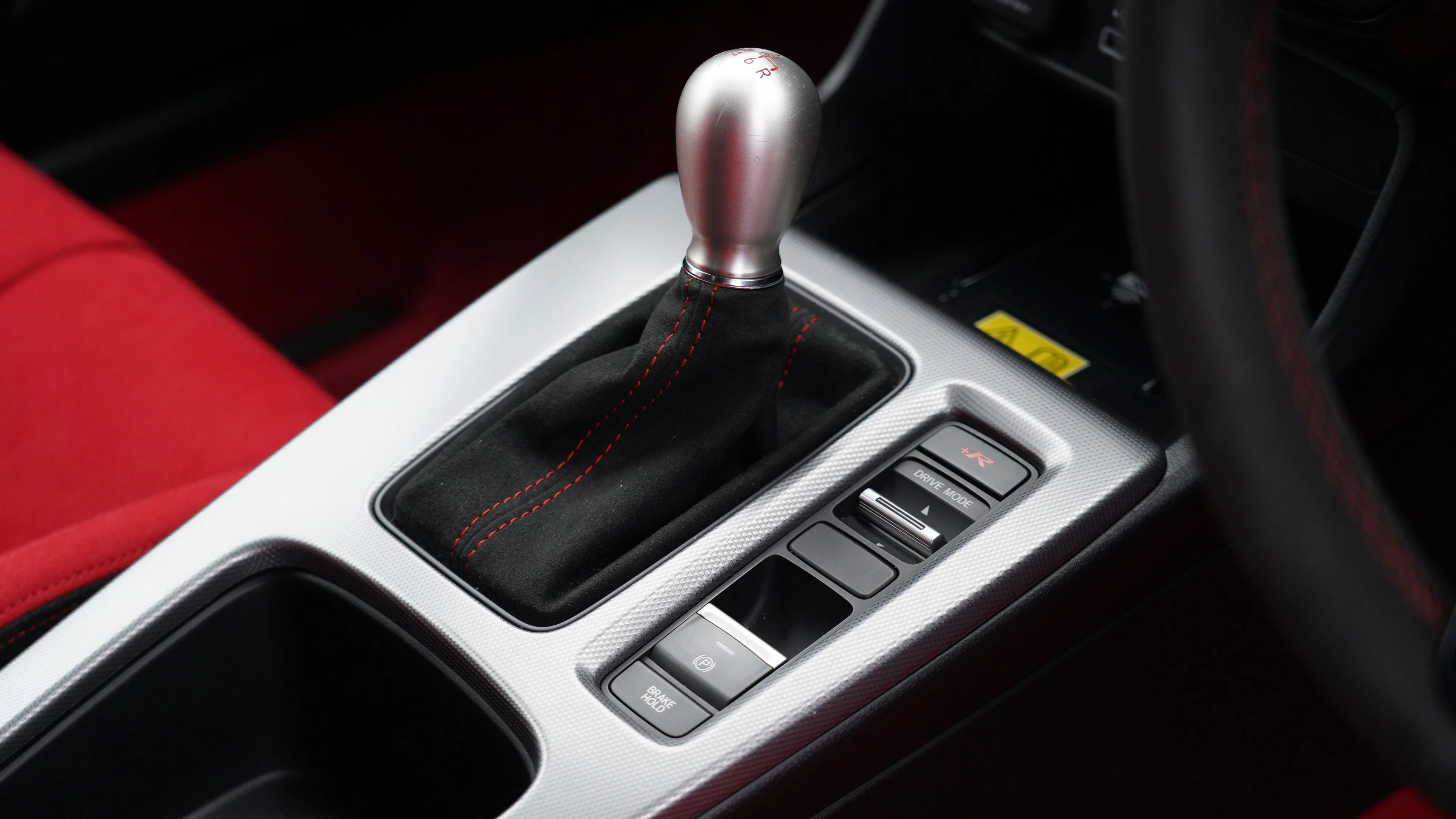
Expectations, naturally, were high. Thankfully, Honda hasn’t made it particularly difficult to understand why the badge continues to stay relevant. The first thing I wanted to explore was the gearbox: manual transmissions are becoming an increasingly rare commodity, even among cars that claim to put the driver first, so finding one this good is worth celebrating. The action is beautifully precise, with mechanical feel that would make me put it ahead of the MX-5 and comfortably ahead of the GR models I’ve driven. It’s definitely one of those that has you changing gears way more often that you should, just simply because doing so is so satisfying.
The chassis is equally impressive, although there is a compromise worth mentioning. In +R mode, the suspension is exceptionally firm, to the point where I’d struggle to justify using it on anything other than the smoothest circuits. That’s coming from someone who’s spent much of their driving life in lowered cars, so it isn’t as though I’m particularly precious about ride comfort.
Fortunately, the FL5 doesn’t need to be in its most aggressive setting to be enjoyable. It manages to combine a considerable amount of composure with the sort of precision you’d expect from something wearing a Type R badge. More importantly, it doesn’t become an exhausting experience when the road ahead isn’t particularly exciting. Traffic, everyday commuting and longer journeys are all perfectly manageable, which is quite an achievement considering the car’s capabilities.
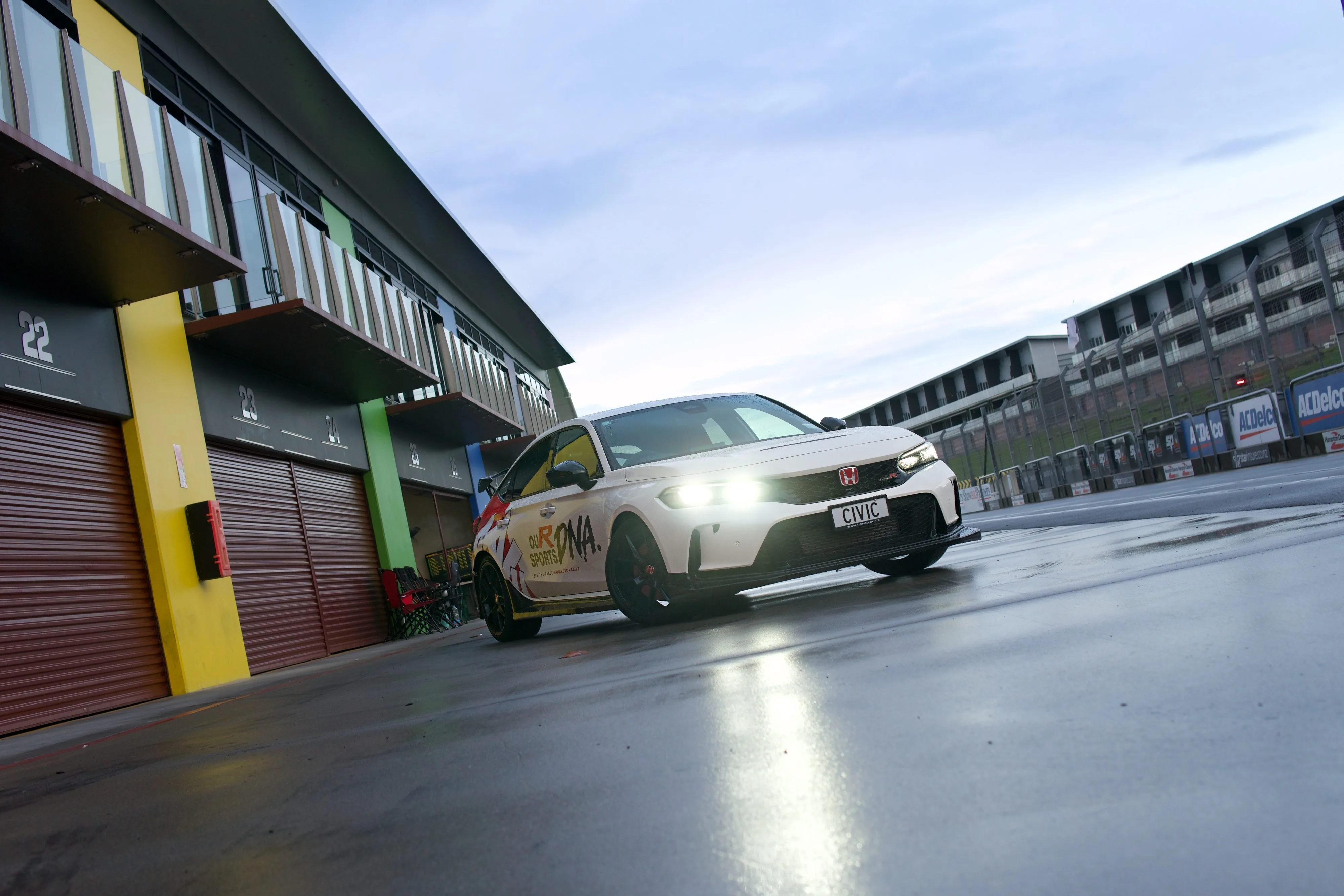
To me, that might be the most recent Civic Type Rs’ biggest triumph. They grew, become more mature (just compare its design to the predecessor, the FK8), and way more friendly to daily life. Under the bonnet sits Honda’s turbocharged 2.0-litre VTEC engine, and it’s a rather different proposition from the naturally aspirated units that made earlier Type Rs so memorable. There’s no escaping the fact that I miss those engines: the NA K engines had a character and soundtrack that became part of the experience, particularly as the revs climbed towards that unmistakable VTEC crossover. The FL5 doesn’t quite deliver the same theatre, and I suspect anyone who grew up idolising the older cars will understand what I mean, especially as the fake sound starts to be pumped in louder and louder.
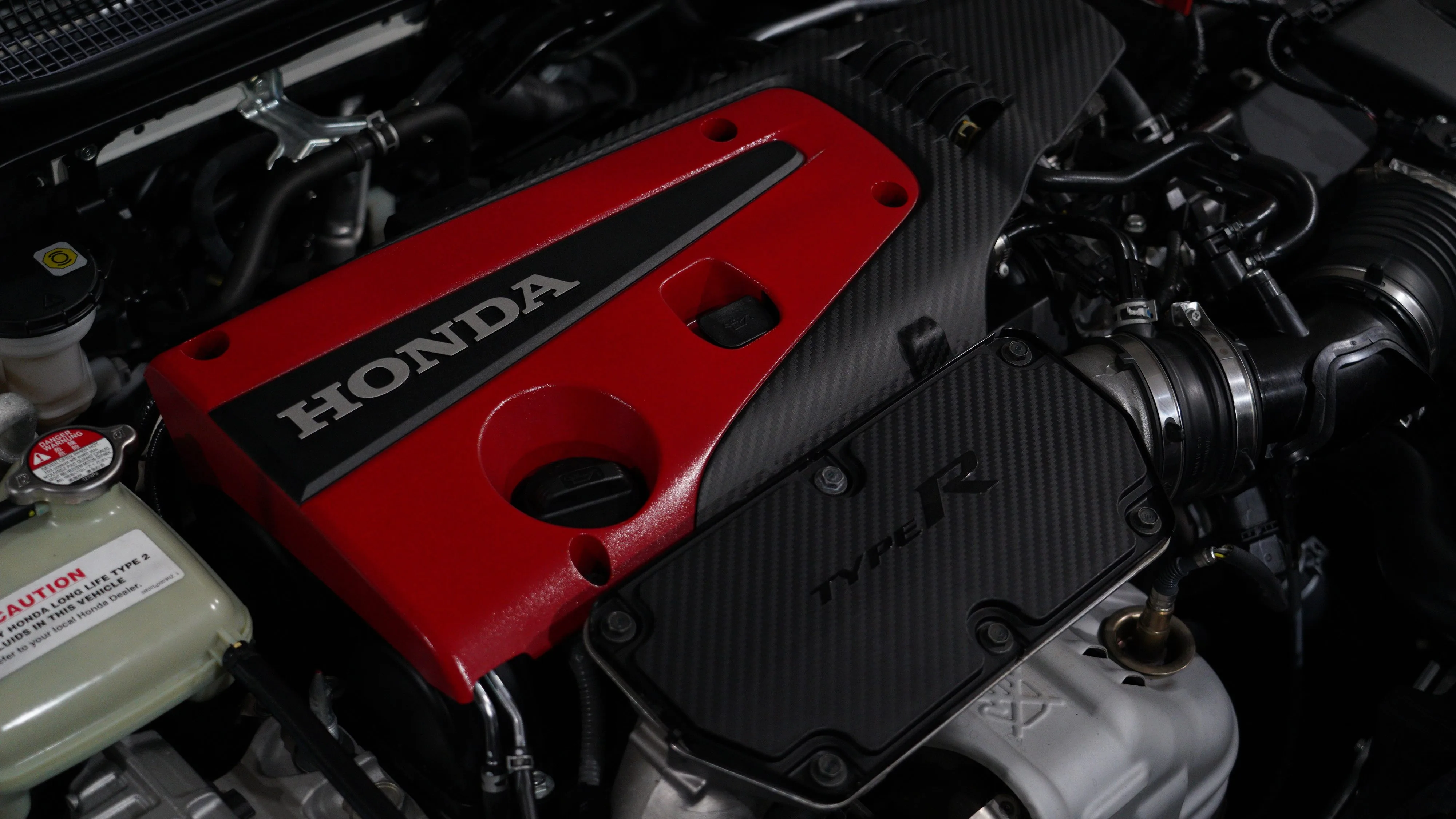
Instead, the turbocharged engine offers a considerably different kind of performance. Things really start to come alive from around 3,000rpm, with the engine building its pace and delivering a hefty shove that makes the car feel properly quick. It’s an effective and addictive combination, even if I still find myself wishing for a little more of that old-school VTEC soundtrack. There’s also a reminder that all this performance is being delivered through the front wheels. On a wet road, the engine’s enthusiasm can quickly overwhelm the available grip (despite serious rubber), bringing wheelspin and axle hop into the equation. I discovered that fairly early on, and it was a useful reminder that the Type R rewards a little mechanical sympathy. Be considerate with the accelerator and it gets on with the job; get carried away and it’ll make its feelings known.
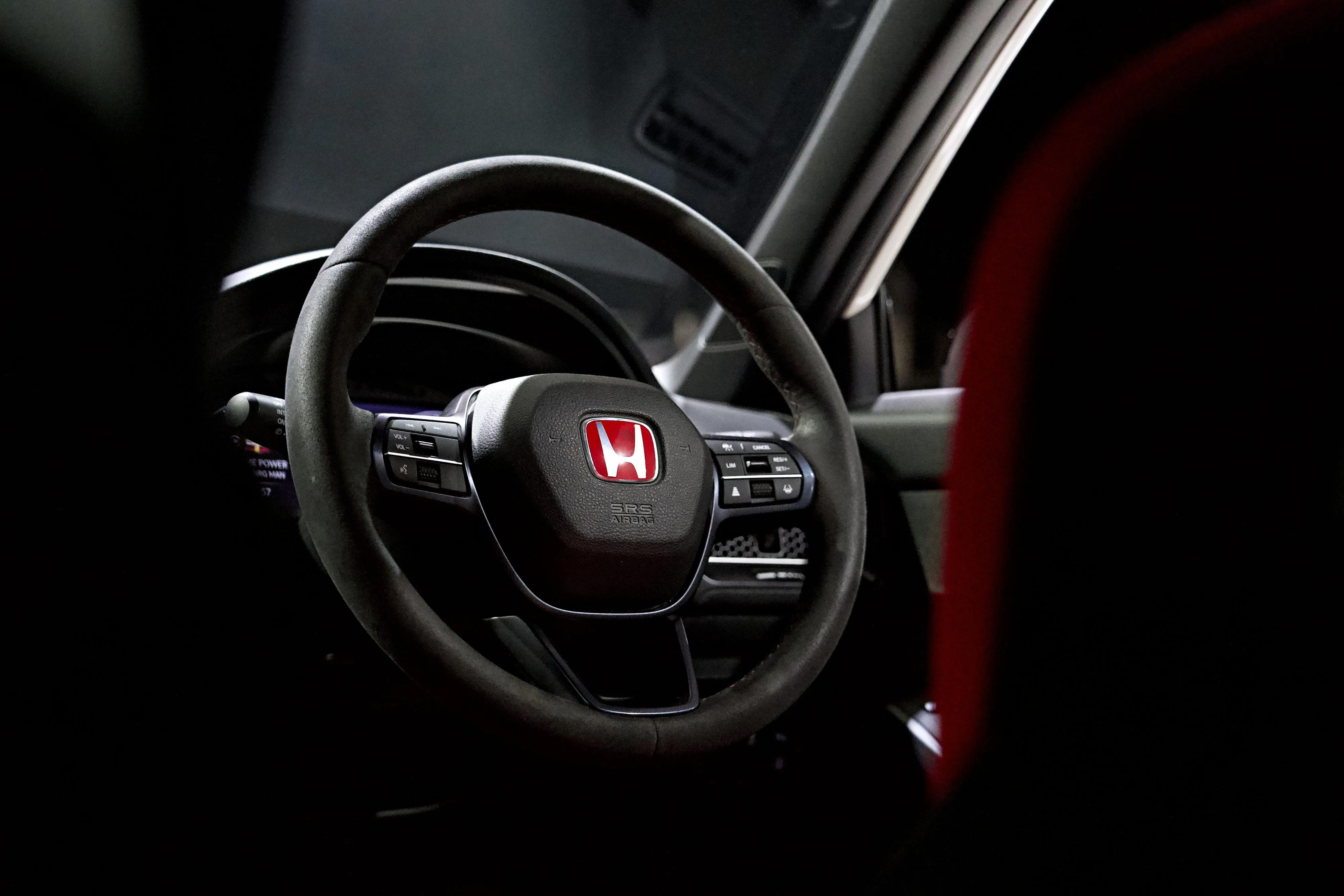
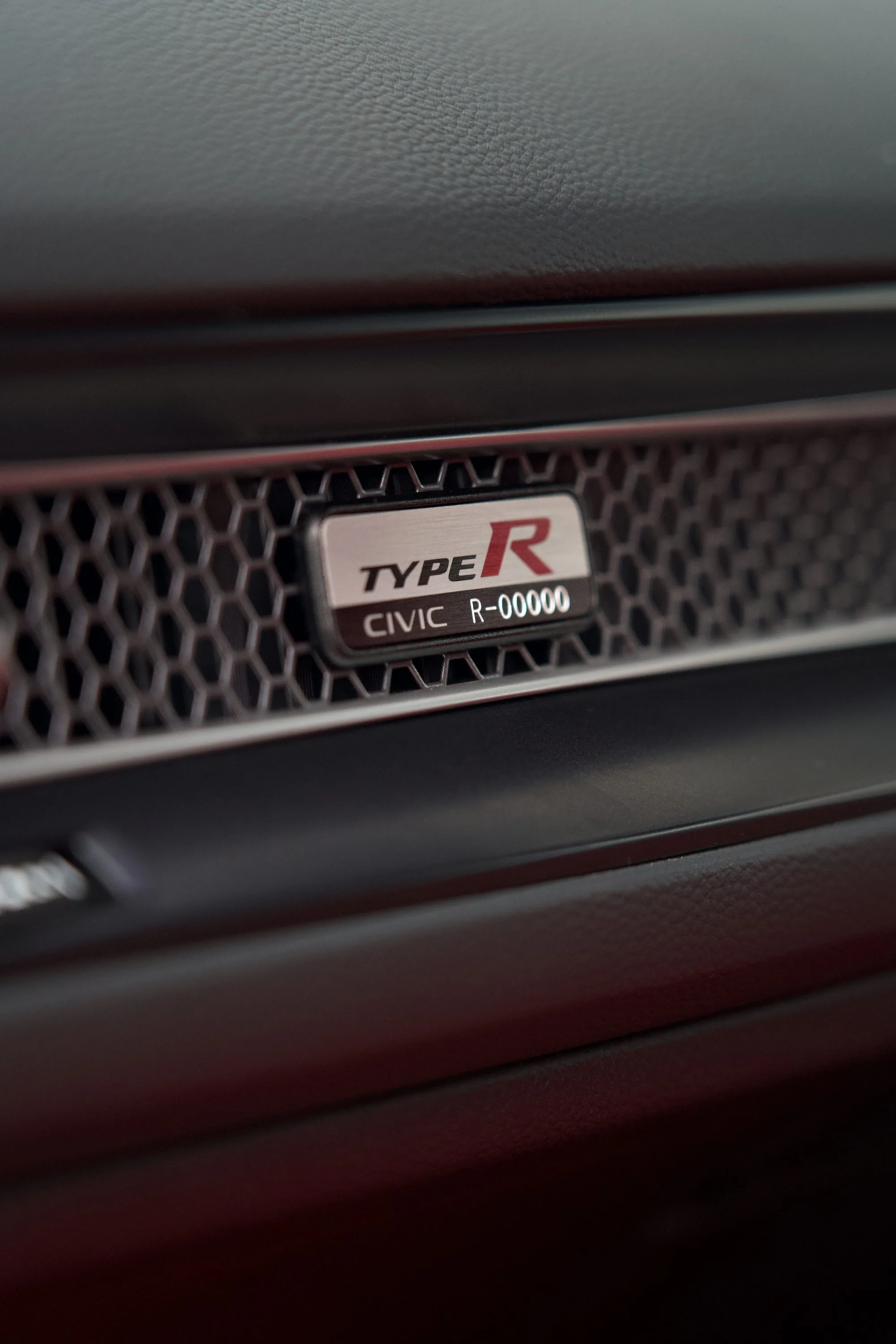
One of the smaller details I particularly enjoyed was Honda’s R Log system. It’s an interesting addition that gives the driver another way to engage with the car, and the implementation is refreshingly straightforward. These are the sorts of details that set a car like this from a half-baked effort to an actual, enthusiast-minded vehicle, and even though it might not be a headline feature, it demonstrates an understanding of the people who will actually spend time driving the car.
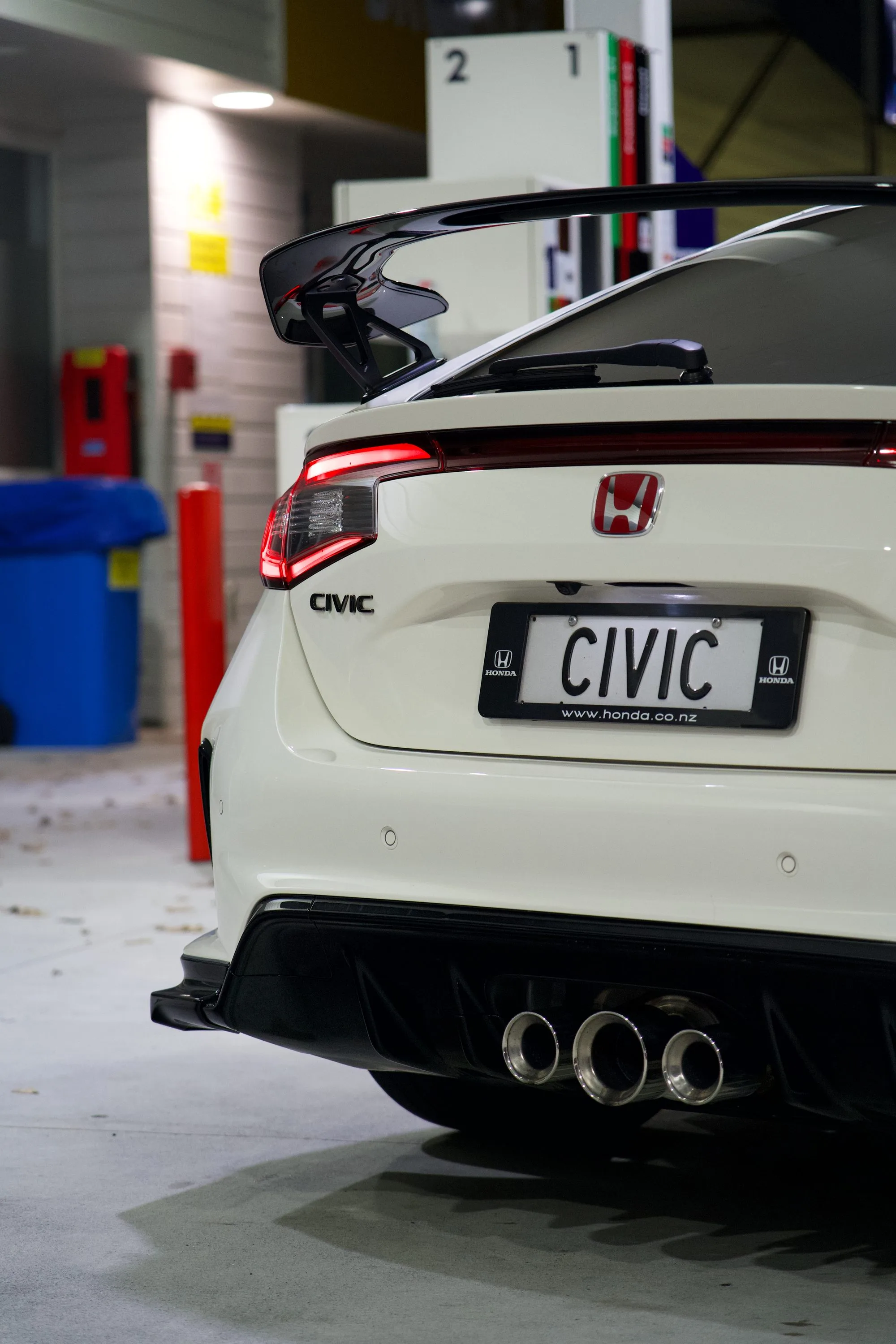
And that, ultimately, is where the FL5 makes its strongest impression. It hasn’t abandoned the fundamentals that made its predecessors special, but it has evolved into something considerably more accomplished as an everyday performance car. The gearbox, chassis and powertrain work together to deliver a genuinely engaging experience that feels special the whole time, yet it manages to
Of course, the price of admission isn’t insignificant, but neither is the engineering behind the car. There are more refined hatches out there, but they are not as engaging. Those that are as engaging, are not as competent as a daily driver. Finding something that combines this level of performance with such a convincing manual driving experience and everyday usability is a rather different challenge.
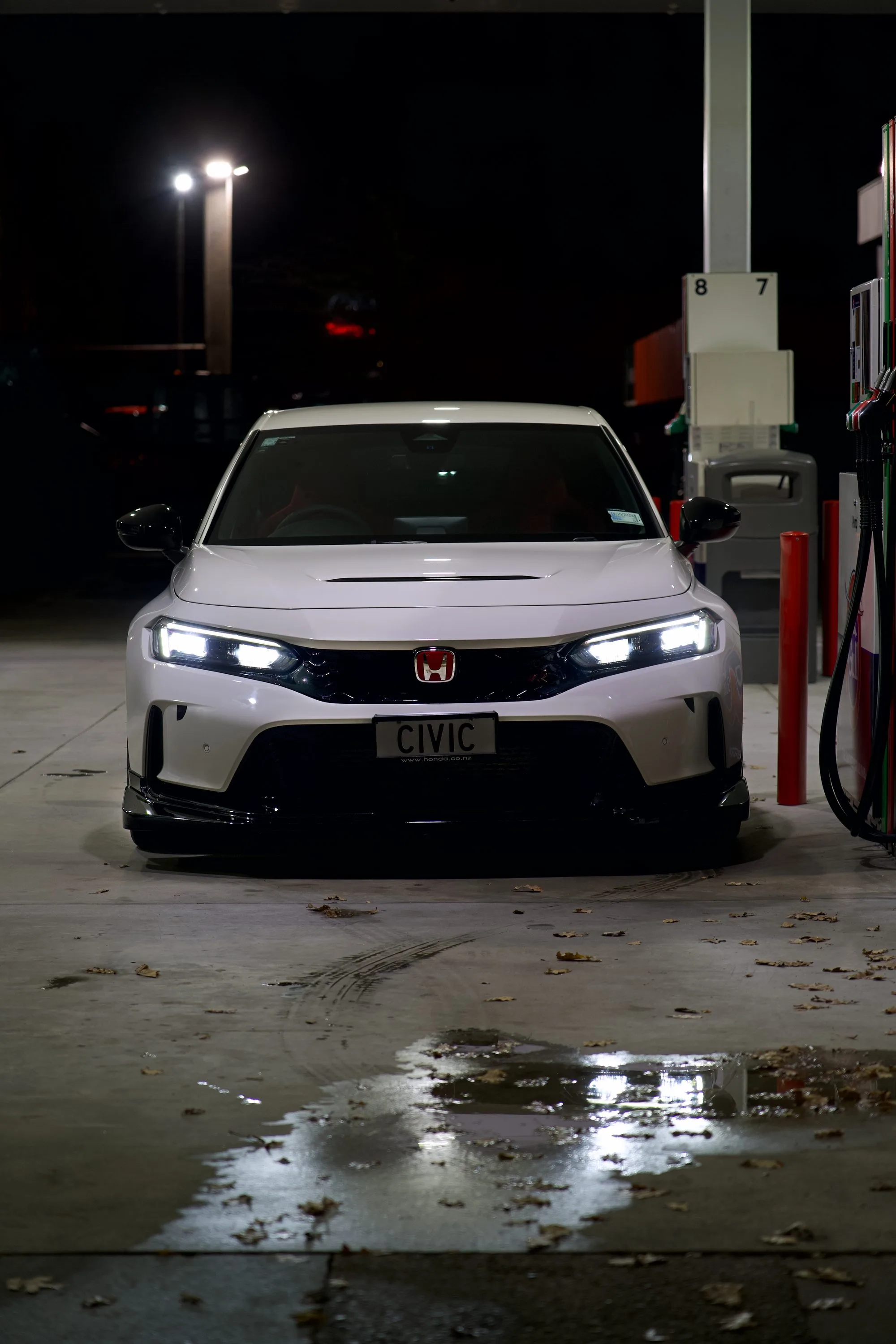
After thirty years of Type R, the FL5 makes a compelling argument for why the red badge still matters. I might always have a soft spot for the screaming naturally aspirated Hondas of old, and I don’t think anything will quite replace the appeal of those engines for me. But that doesn’t make the modern interpretation any less impressive. Would I buy one? Absolutely. And you should too.