Electric car sales in Australia have risen sharply this year. Researchers from the University of Queensland and the University of Western Australia now warn that the charging network may struggle to keep up. Sales of battery electric vehicles nearly tripled in the first half of 2026. Their share of the new car market rose from 8.4% in January to 23.4% over the following six months.
Combined industry data cited in the article shows more than 108,000 new cars in July, with more than a fifth being battery powered. Tesla and Polestar delivered over four times as many vehicles in July as in the same month last year. BYD is now Australia’s second best selling brand, behind Toyota, with sales up 70.5% year on year. PHEV sales rose 157%, while petrol and diesel sales fell sharply as fuel prices climbed.
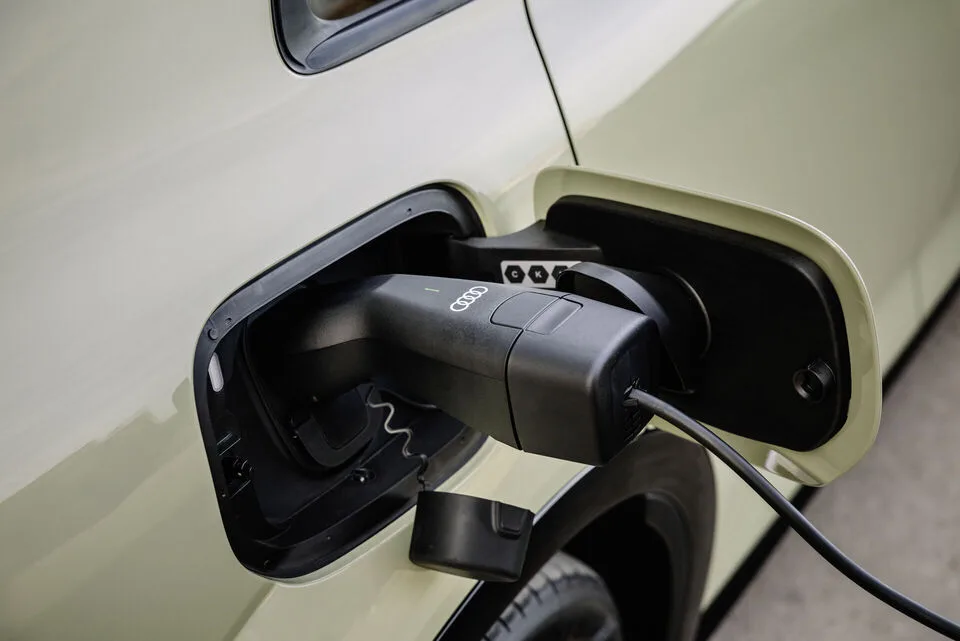
Retailers and fuel companies are installing higher powered chargers to try and keep up. Coles, working with Evie Networks, plans 200kW fast chargers at up to 30 supermarkets in Victoria and Queensland over two years. Ampol has switched on its first 400kW chargers, and BP is building a 24 bay hub at Melbourne Airport.
The National Roads and Motorists’ Association is also expanding its highway network, with 35 new sites in 2025 after receiving nearly A$40 million in federal funding. The authors note that funding often ends once a charger is installed, leaving operators to maintain it without support.
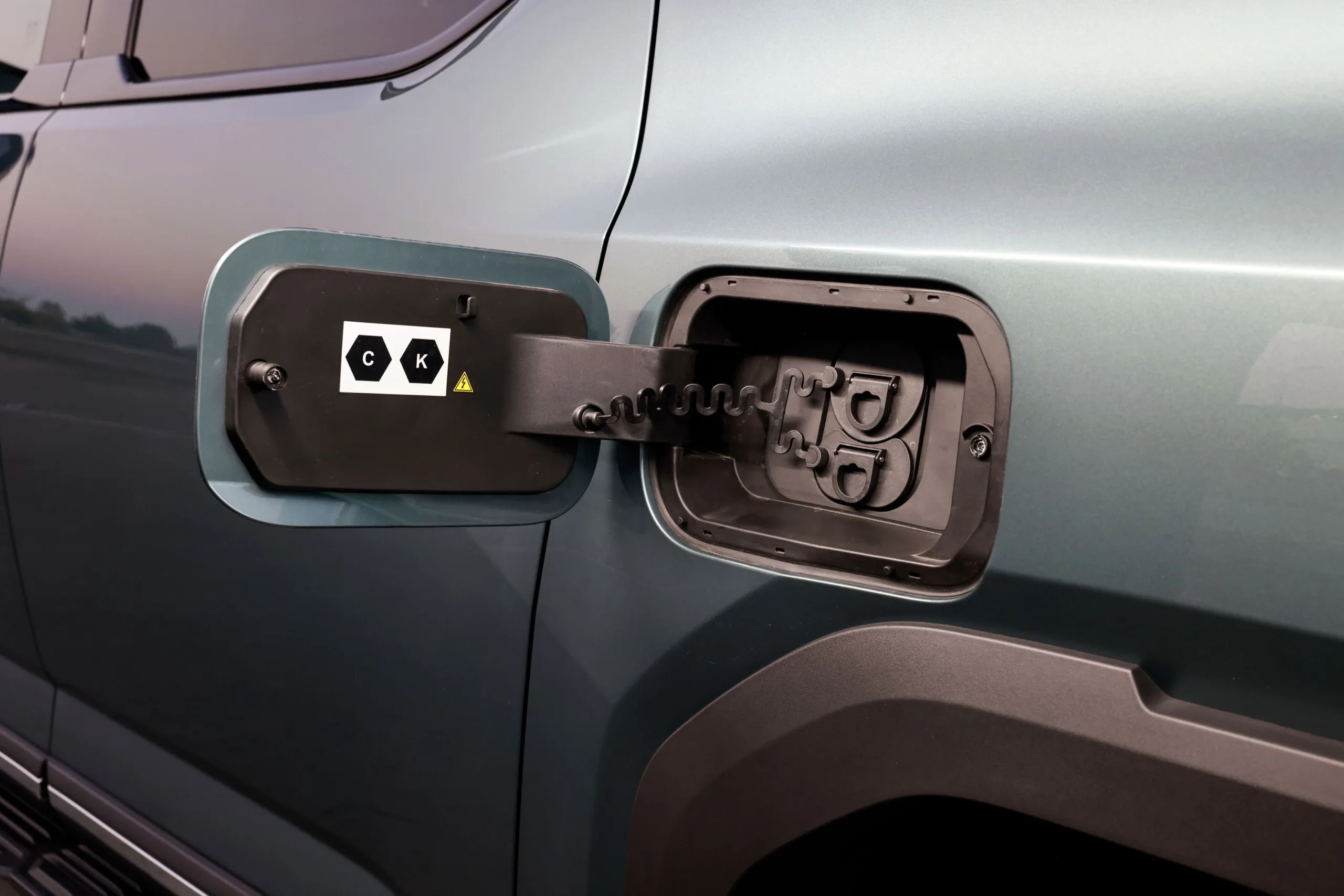
Chargefox, described as Australia’s largest charging network, owns very little of the equipment it relies on. It bundles chargers owned by other networks, councils, businesses and energy companies into one app, and drivers may find it hard to tell who is responsible when a charger breaks. Market concentration adds another risk, with the study citing Chargefox controls 83% of Tasmania’s public chargers and 58% in Western Australia. In a market that concentrated, one company’s poor performance can quickly affect an entire state.
Uptime, the share of time a charger is available and working, is central to the debate. The United Kingdom requires public rapid chargers to achieve 99% uptime. Operators, however, self report those figures, which are rarely tested by government or independent bodies.
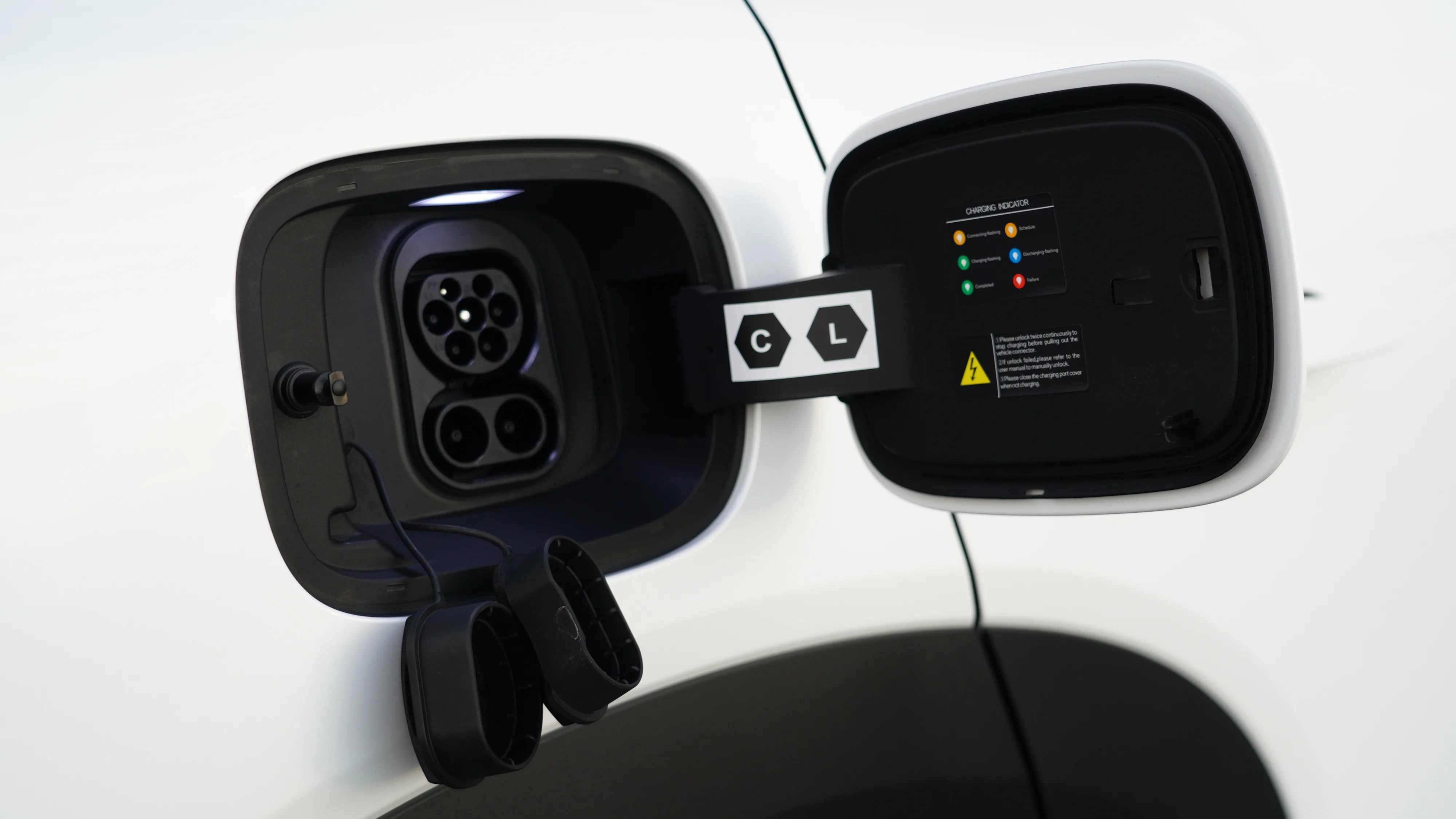
The European Union requires charger companies to share uptime and payment data with authorities. The authors argue that neither approach has closed the gap between reported uptime and what drivers actually experience. A study of San Francisco’s public chargers found only 73% working when tested, against operator claims of 95% to 98%. The authors say their analysis of Californian government-funded chargers showed a similar pattern.
So, how to navigate all of this? The authors propose several changes for Australia – and, of course, they could be extrapolated to our own market as well:
- Apply federal minimum operating standards, which currently require 98% uptime for taxpayer funded chargers, to privately funded chargers.
- Link funding to performance rather than installation alone, a model the authors say the United States uses.
- Plan rural and remote networks carefully along key highways.
- Require charging companies and car manufacturers to disclose data, including charging speeds, failure rates and locations, and charging hotspots that may create bottlenecks.
For now, the authors say the network is growing fast enough to serve current owners, but only just. Their warning is that building new chargers while existing ones break down or disappear could change that. For owners in a fast growing market, the number of chargers on a map matters less than whether the plug works on arrival.