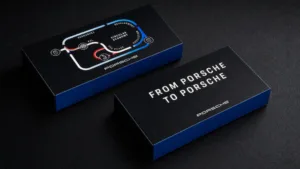
Porsche and German recycler cylib have made test battery cells with cathode active material made entirely from raw materials recovered from old Porsche high-voltage batteries.
What happens to an electric Porsche’s battery once its first life is over? Porsche now has part of the answer. Working with German recycling company cylib, it has produced battery cells with cathode active material made entirely from recycled raw materials.
All of those materials came from Porsche’s own end-of-life high-voltage batteries. The new cells are now in extensive operational testing. That makes this a pilot milestone, not a change to production cars.
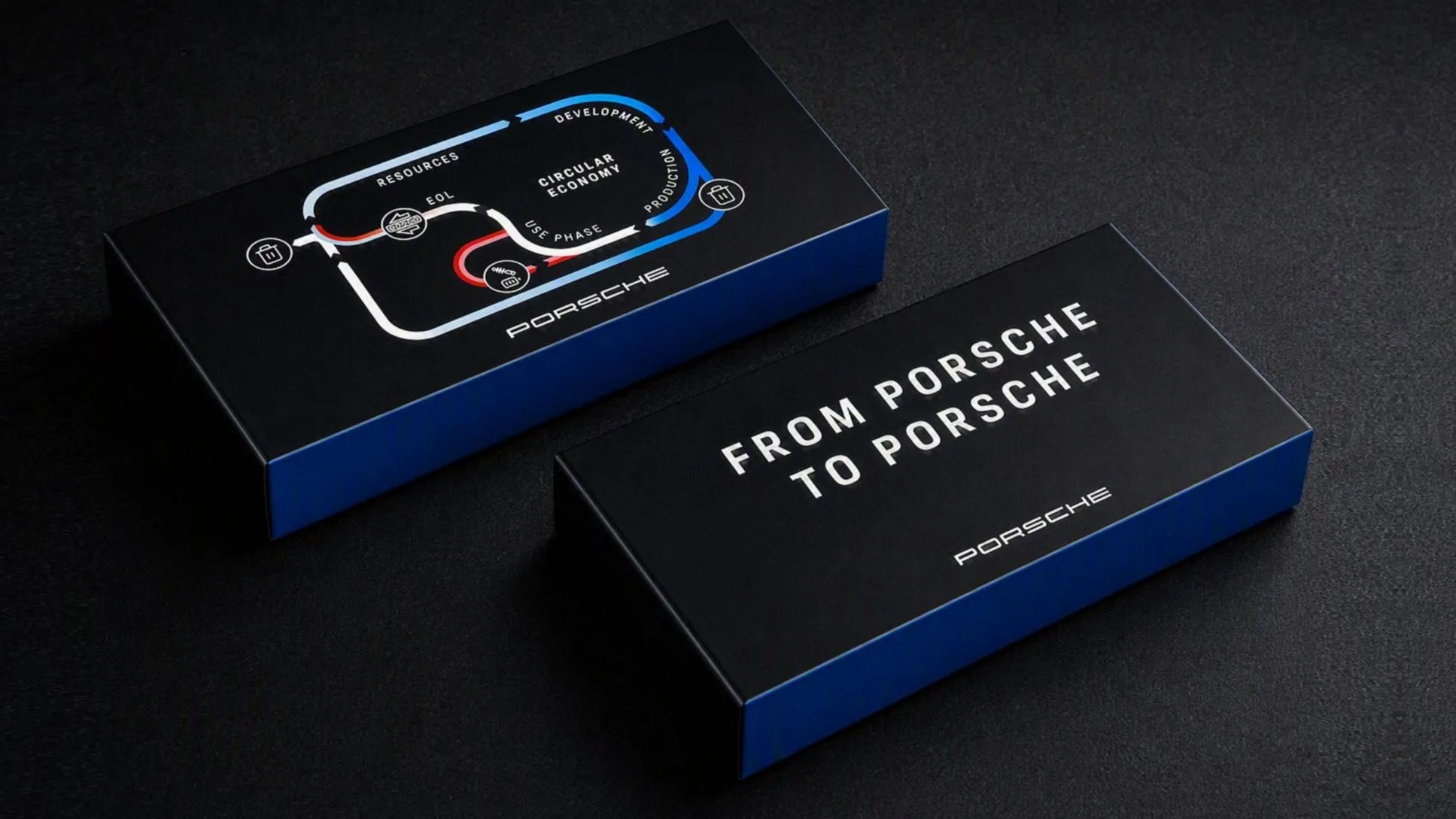
From Old Packs to New Cells
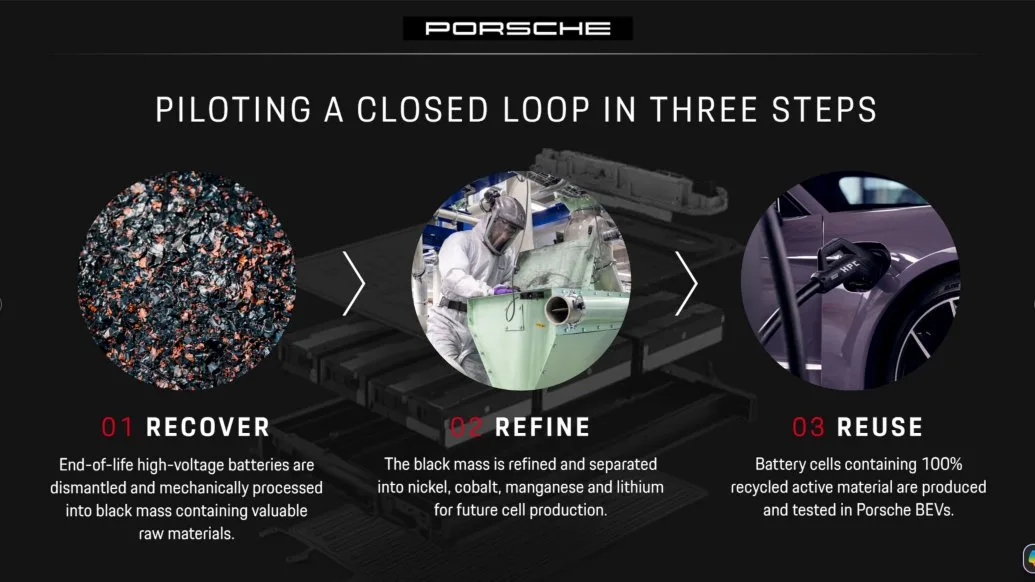
The recycling pilot began last year. Porsche and its partners recover raw materials from end-of-life batteries and process them into new materials. Those materials then go into fresh cells for Porsche test vehicles.
Earlier phases dealt with recovery and processing. This is the first phase where recycled active materials fully replace the primary raw materials normally used. The recycled cathode material includes:
- Lithium
- Nickel
- Cobalt
- Manganese
Porsche describes these as critical raw materials. Its long-term goal is a more closed-loop system for high-voltage batteries and a more secure supply of these materials.
The Quality Question
Recovering metals is one thing, but making them perform is another. Porsche says the next step is proving that the recycled materials meet its standards for value, quality and performance. According to the company, initial tests show the approach is technically feasible. It expects further results in the second half of 2026.
These are Porsche’s own early findings, not independent verification. Procurement board member Joachim Scharnagl called the result an important technological milestone. cylib co-CEO Dr Lilian Schwich said the pilot shows its approach works in practice. Even so, she said the materials “can potentially” flow back into new Porsche batteries. That qualifier is worth noting.
A Water-Based Process and a 2028 Date
Outside the pilot, the partnership already recycles end-of-life batteries collected from Porsche Centres across Germany. Since May 2026, those batteries have gone through a water-based recycling process. Porsche is also feeding what it learns from the pilot into its regular battery disposal process.
A dedicated material account tracks the recovered raw materials. From 2028, those materials will be available to Porsche and selected partners for cell production. Porsche says the aim is to rely less on global raw material sources. In future, battery materials recycled in Europe could end up in its vehicles.
Who Is cylib?
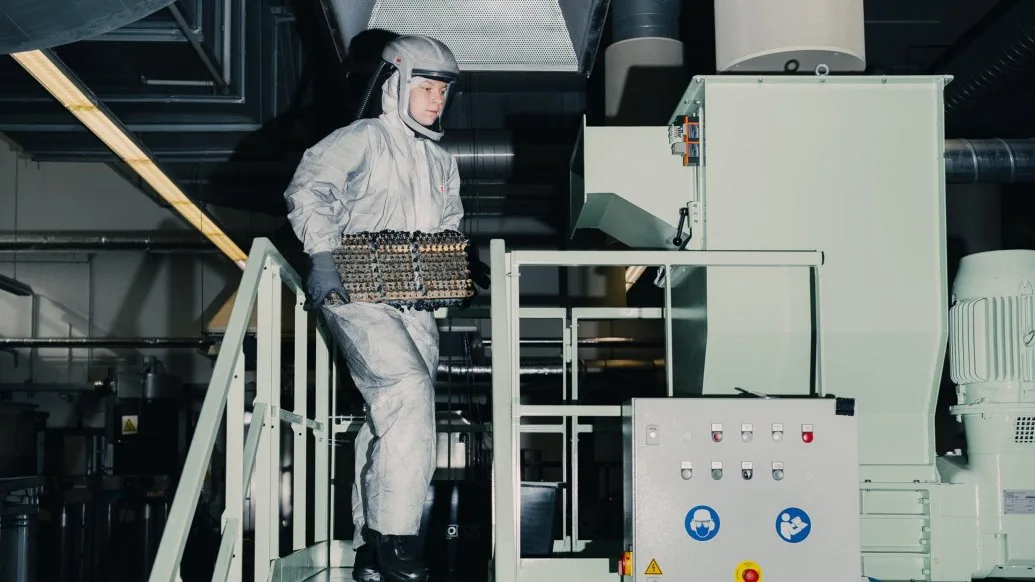
Dr Lilian Schwich, Paul Sabarny and Dr Gideon Schwich founded cylib in Aachen in 2022. The company grew out of research at RWTH Aachen University. It runs research and development in Aachen and dismantling and mechanical processing in Wernberg-Köblitz. A hydrometallurgical processing site in Dormagen is still under development.
Why It Matters
No series-production cell uses these recycled materials yet. Porsche says the pilot will form the basis for a possible future application, which is a careful way of saying no decision has been made.
Still, the shift in thinking is clear. A worn-out battery pack used to be a disposal problem. Porsche now treats it as a source of materials for its next cars. The 2028 material account is the first firm date that will test this idea outside a lab.