It’s the age-old question: to zap or not to zap. While Shakespeare’s Hamlet probably didn’t have electric vehicles (EVs) in mind, today’s young, urban go-getters have certainly sparked their enthusiasm for these eco-friendly rides. According to a brand-spanking-new global survey commissioned by Nissan and conducted by The Economist Impact, the results are in: Gen Z is ready to ditch the noisy chug of gas guzzlers in favor of silent, sustainable EVs. And boy, do they have opinions.
In a study involving 3,750 bright-eyed urbanites across 15 global cities, these young visionaries—ages 18 to 30—didn’t just dip their toes into the electric wave; they dove headfirst. The data reveals some shocking stats: While 23% of respondents currently own electric vehicles, over one-third expect to own one in the next decade, a surge in preference of over 50%. That’s right my friends: in less time than it takes for your avocado toast to go out of style, EVs are set to rule the roads.
Electric Dreams: Emerging Cities Lead the Charge
Interestingly, the enthusiasm isn’t evenly distributed across the map. Emerging cities such as Manila, Mexico City, and Shanghai are zapping ahead, with 44% of respondents envisioning themselves behind the wheel of an EV in just five years. For comparison, only 31% of respondents in developed cities like New York or London see themselves making the swap as quickly. Environmental concerns, particularly pollution and congestion, seem to be lighting the spark for EV adoption in these more rapidly urbanizing metropolises. After all, when the air quality threatens to cancel out your daily jog, you start reconsidering your commute.
But don’t think it’s all green fields and wind turbines just yet. Barriers to EV adoption remain, and they vary depending on your city’s skyline. In emerging markets, it’s anxiety around battery infrastructure (because no one wants to be stranded with a glorified toaster). Meanwhile, in developed cities, it’s the sticker shock of EV costs that keeps potential buyers at bay. No matter how appealing an EV may be, it’s tough to shell out when gas-powered cars are still the budget-friendly alternative.
Beyond the Road: Electric Vehicles as Everyday Heroes
Forget the days when your car was just a machine that got you from A to B. These survey respondents aren’t just thinking about EVs—they’re thinking beyond them. Over 40% of participants—especially in emerging cities—are positively charged by the idea of EVs as tools for the future, beyond driving. Picture this: in an increasingly connected world, EVs could store excess renewable energy, power external devices, or even play a starring role during emergencies by transporting electricity where it’s needed most.
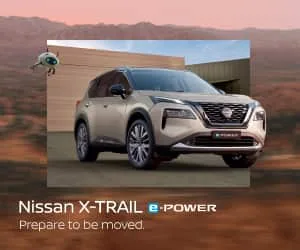
Fancy terms like V-to-X (“vehicle-to-everything”) tech have a futuristic sci-fi vibe, sure, but they’re becoming increasingly mainstream in discussions about electrification. Who wouldn’t want their car to double as a backup generator when the power grid acts up? Nissan certainly isn’t sitting on its laurels here. The company is pushing forward with its electrification strategy, working to tackle pain points such as charging infrastructure, battery tech innovation, and cost-effective EV solutions.
Sustainability vs. Real-World Expectations
Still, it isn’t all sunshine and zero-emissions rainbows. While 57% of respondents said they’re willing to adjust their travel habits to go green, pragmatism reigns supreme. Affordability, convenience, and inclusivity remain major priorities for this eco-conscious crowd. To win over the younger generation, cities and vehicle manufacturers will need to double down on flexible, multimodal solutions that make going electric not just a lofty goal but a realistic and appealing one.
People like Ritu Bhandari, Asia-Pacific Sustainability Lead at Economist Impact, know what’s up: “For sustainable mobility to succeed, cities need to balance environmental goals with real commuter priorities,” she says. That means EVs must seamlessly integrate with public transit, shared mobility services, and even good ol’ bicycles as part of a connected, accessible network for all.
Going Electric: The Bottom Line
Nissan’s survey didn’t just reinforce the growing demand for electric cars—it validated the zippy momentum of a generation fiercely reclaiming the mobility narrative. “This research reaffirms the growing need for electrification,” said Nissan’s VP of Global Communications, Lavanya Wadgaonkar, “but long-term success hinges on making EV adoption seamless, practical, and cost-effective”.
The message here is clear: the kids are alright—and they’re leading us to a cleaner, greener tomorrow, one silent, zero-emission mile at a time. Emerging cities are charging forward, developed cities are playing catch-up, and the next decade promises to reshape the roads we thought we knew. The electric revolution is here, and if you squint just right, you might even see Hamlet trading his Danish castle for an EV. To zap, or not to zap? We think you already know the answer.