GWM New Zealand is moving quickly, and the latest sign of that momentum is the arrival of the ORA 5, expanding their broad, multi powertrain lineup. Following on from the brand’s existing ORA hatchback, the new model gives GWM a more mainstream EV offering, wrapping electric motoring in the small SUV shape Kiwi buyers continue to gravitate towards.
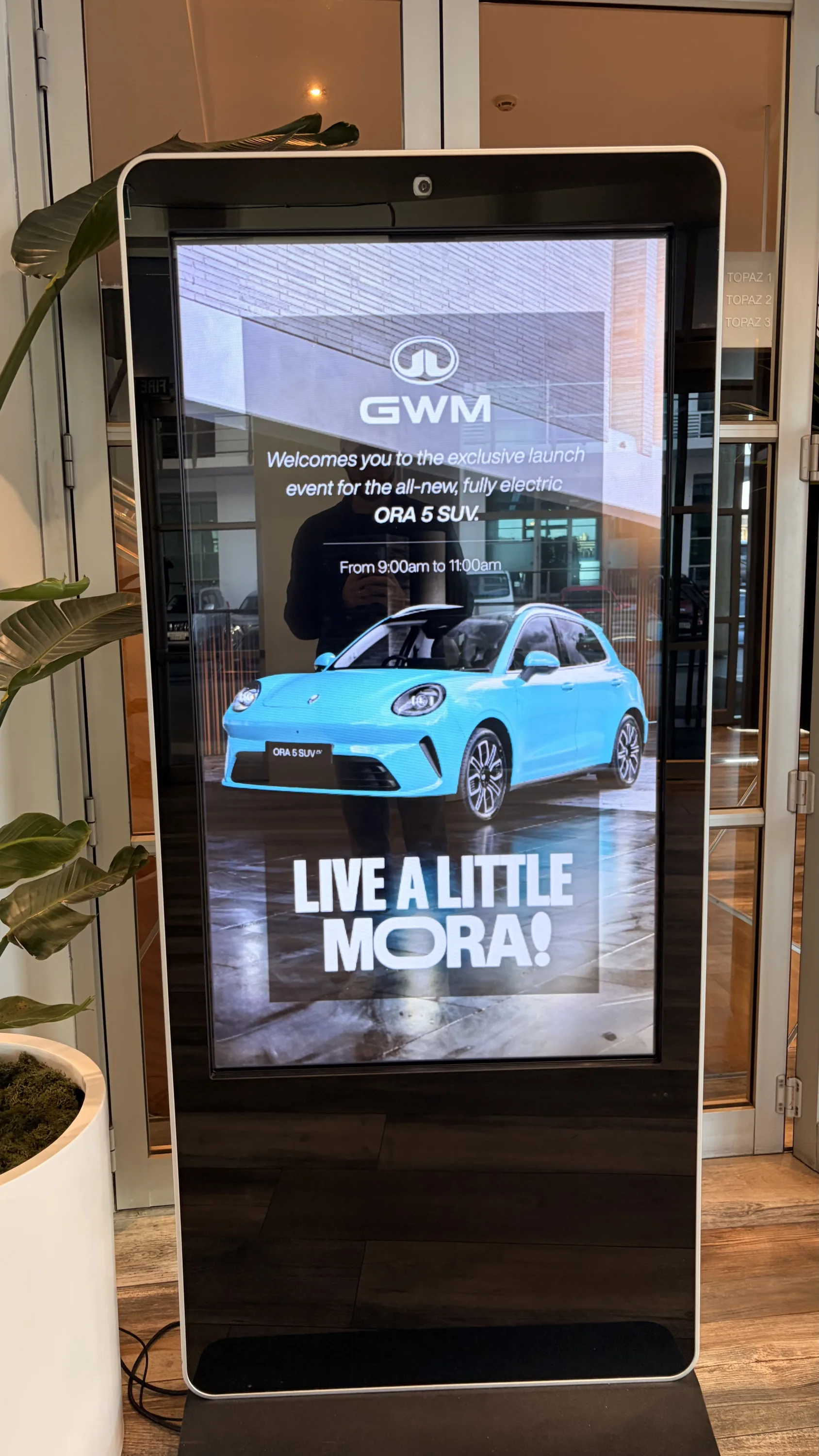
Launched in New Zealand with two grades, the ORA 5 will be offered as the Luxe and Ultra, with pricing starting from $36,990 for the Luxe and $39,990 (plus ORCs for both) for the Ultra. That puts it into a very interesting part of the market, especially when you consider the level of specification, claimed driving range and the fact that it brings a slightly more expressive design language than many of the anonymous small electric SUVs currently fighting for attention.
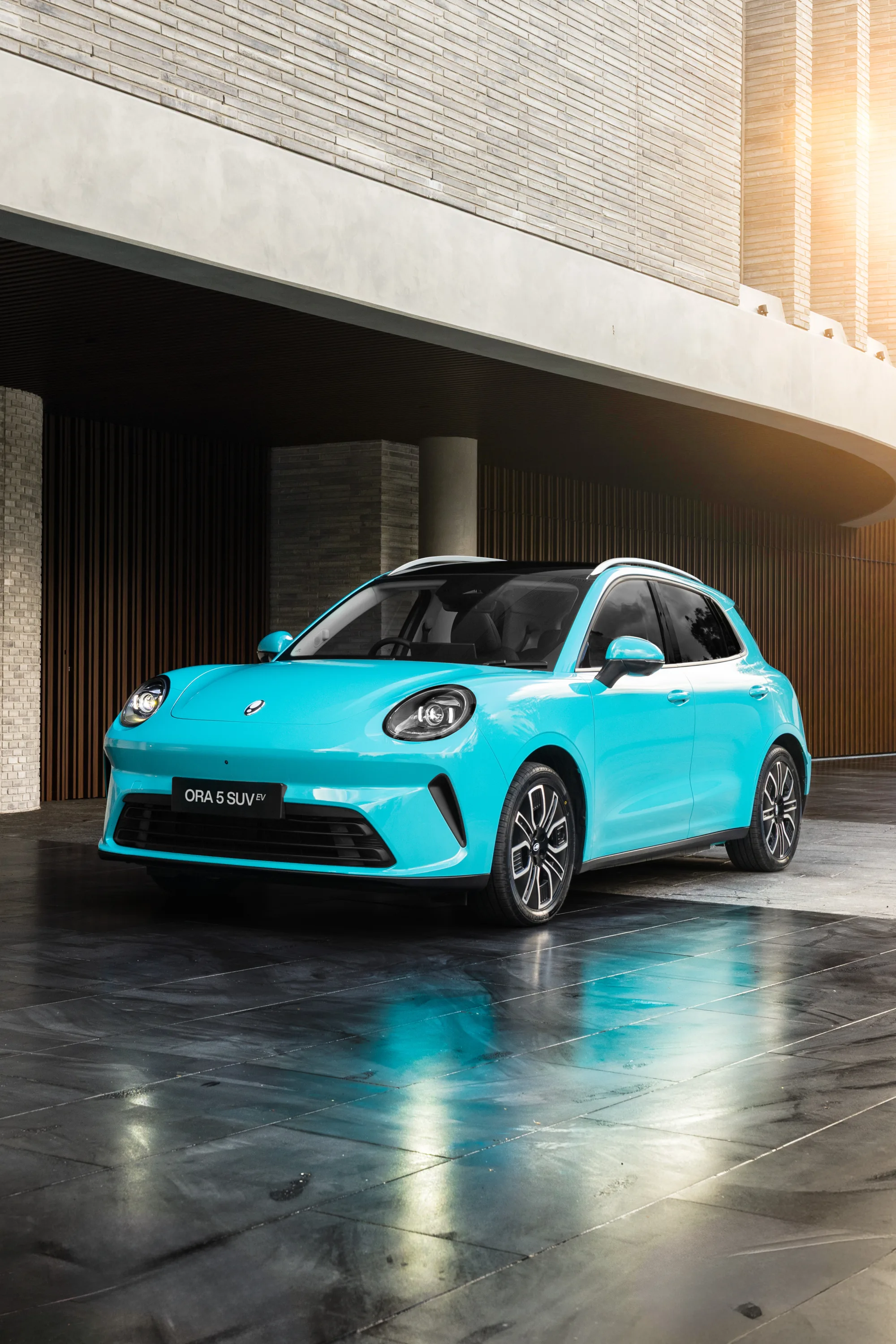
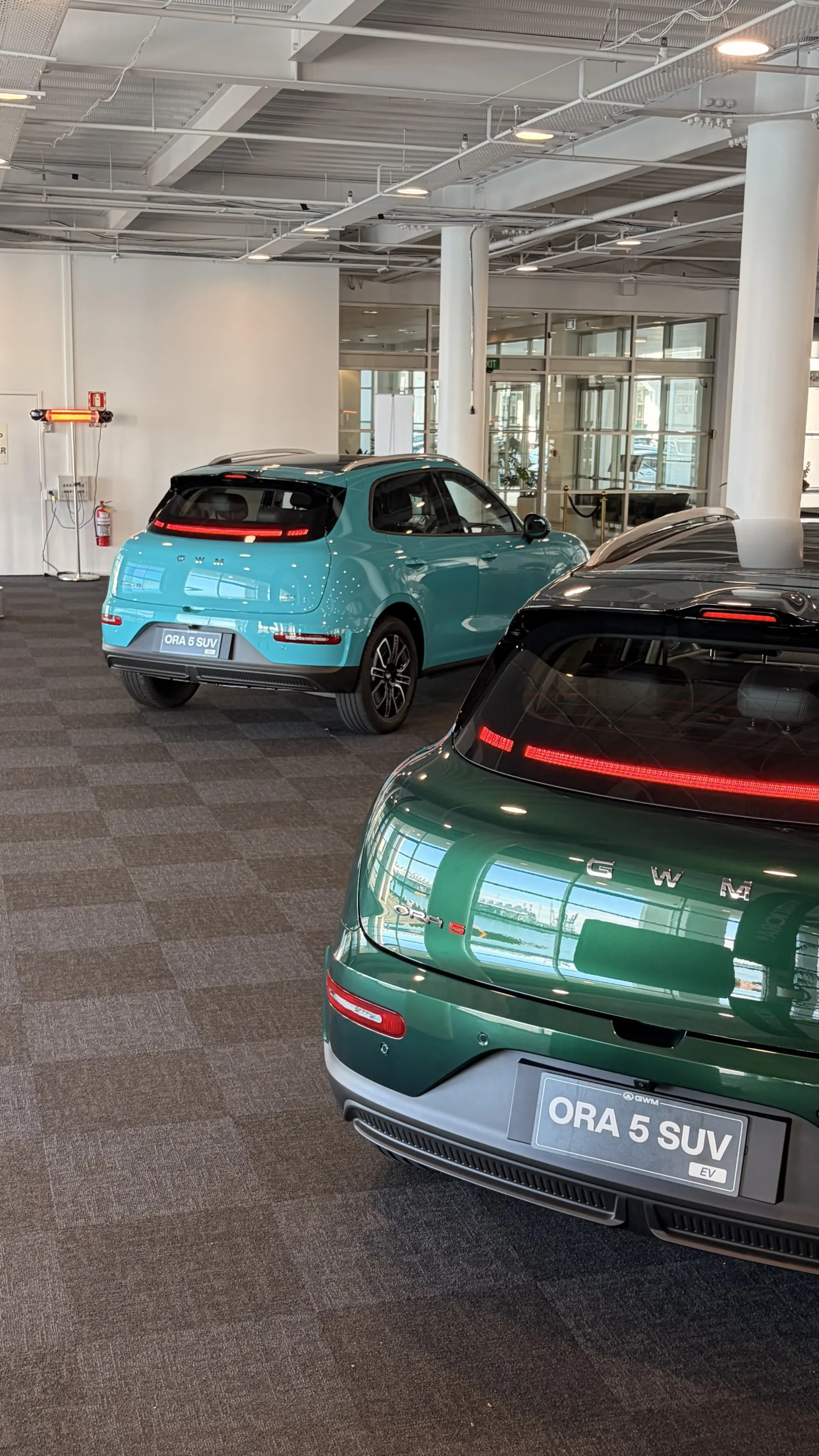
GWM describes the ORA 5’s design philosophy as “born from nature and engineered for the city”, which sounds like launch theatre, but the car itself does have a softer and more organic look than most of its rivals. The bodywork is smooth and rounded, the lighting has a distinctive water droplet theme, and the rear wiper has been tucked into the spoiler to help preserve the clean shape. The end result is a small SUV that looks friendly without feeling toy-like, and different without appearing deliberately strange.
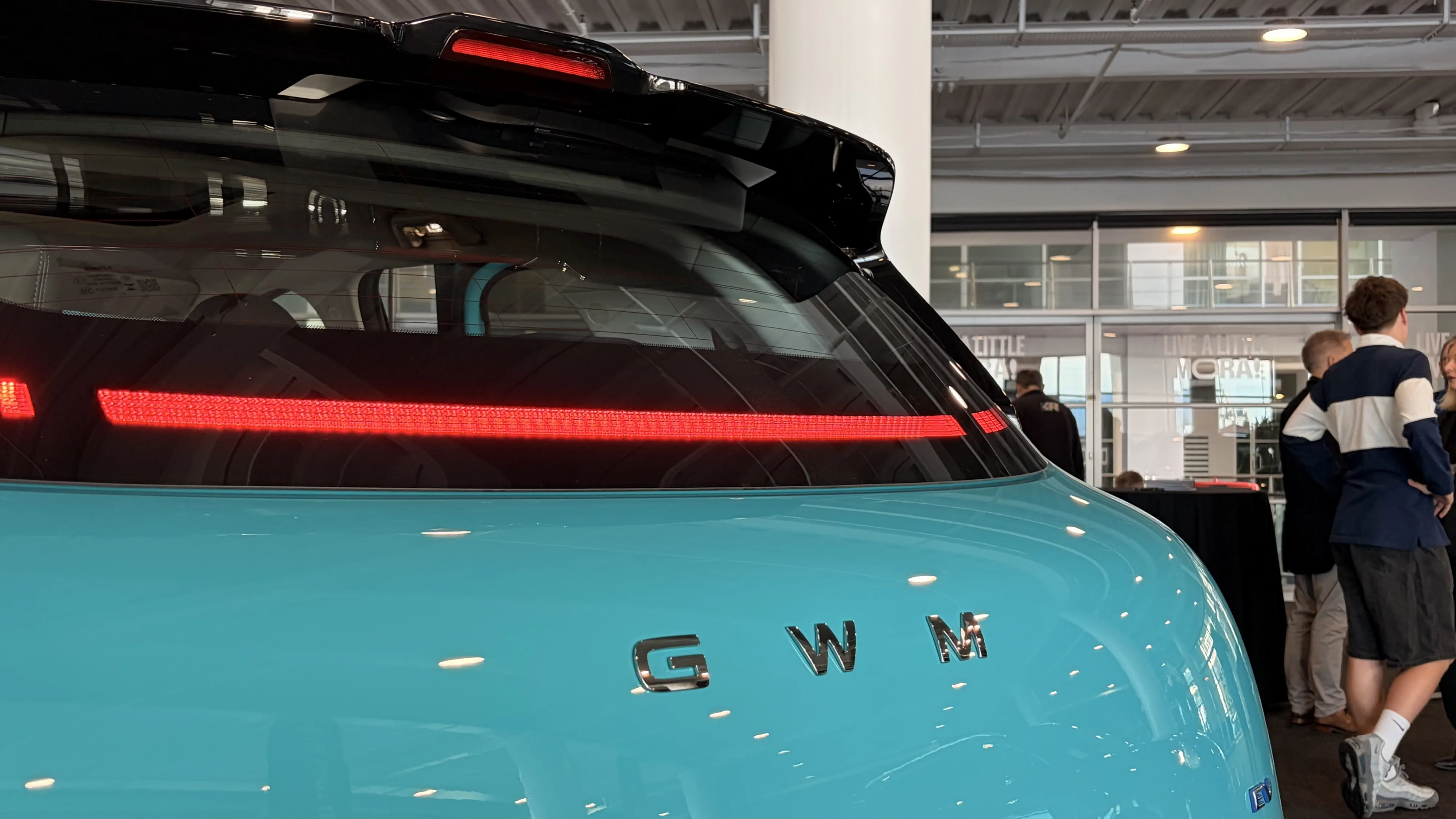
There is function behind the form, too: GWM says the ORA 5 has a drag coefficient of 0.276, helped by its slippery surfacing and aerodynamic detailing. It also gets 18 inch wheels with a four leaf clover-inspired design, sitting on low rolling resistance EV tyres. Ground clearance is listed at 175mm, which should give it enough of the raised stance people expect from a small SUV, while the kerb weight sits just under 1,700kg.
Power comes from a front mounted electric motor producing 150kW and 260Nm. GWM claims a 0–100km/h time of around eight seconds, which should make the ORA 5 feel lively enough for everyday use. The battery uses LFP chemistry, and the claimed WLTC driving range is 435km. For most urban and suburban users, that gives it plenty of headroom for the weekly commute, school runs and the occasional weekend trip without needing to plan every journey around a charger.
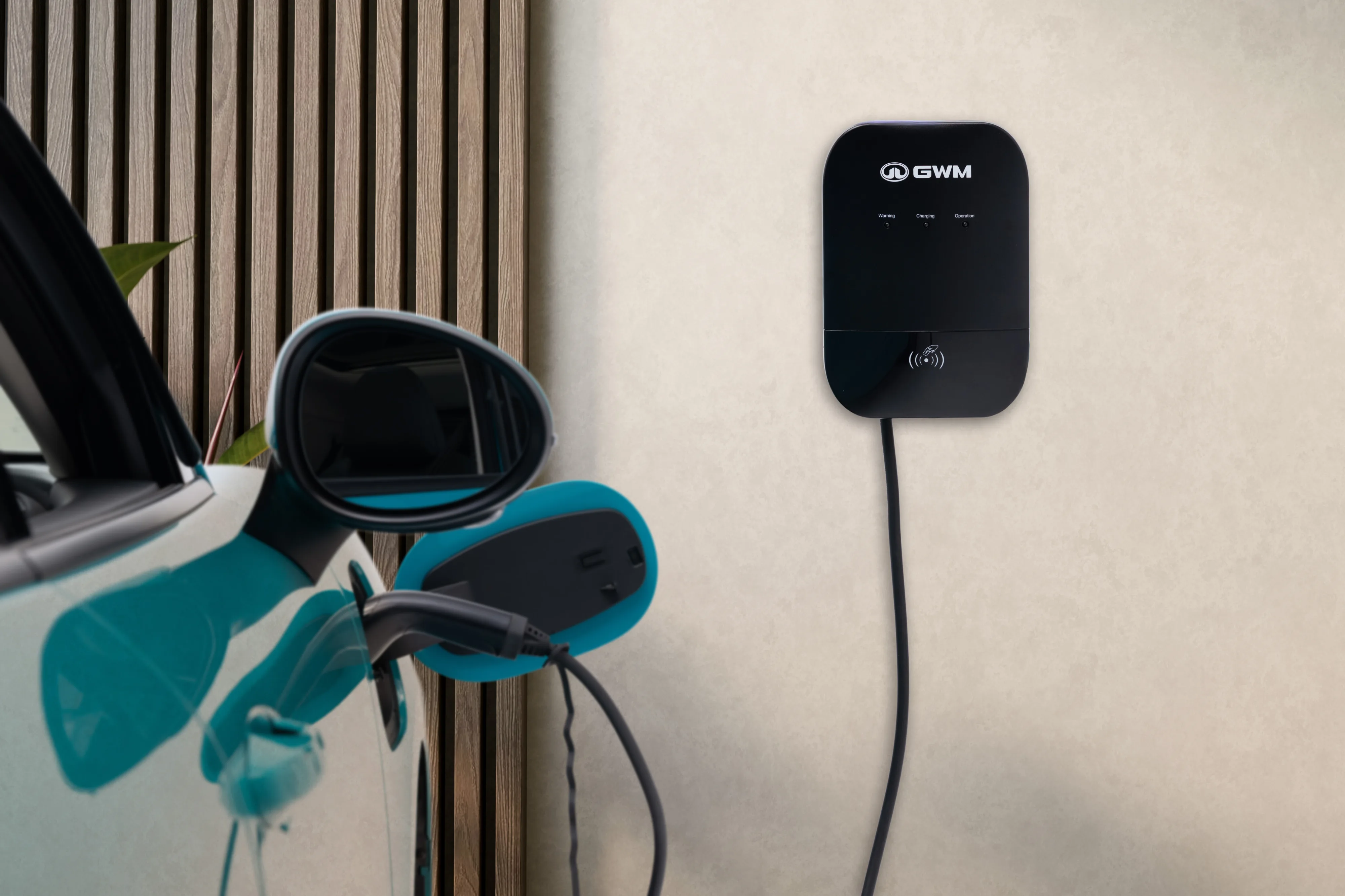
Charging from 10 to 80 per cent is listed at around 30 minutes on DC fast charging, while V2L capability is also included. It can deliver up to 6kW, effectively turning the car into a mobile power source for camping gear, tools, appliances or outdoor events. GWM says the system works down to 30 per cent battery charge, leaving a usable reserve rather than letting you accidentally flatten the car while running equipment away from home.
Inside, the ORA 5 takes a fairly modern approach, built around a 14.6-inch infotainment touchscreen and a multifunction steering wheel. One useful detail mentioned at the launch is the expanded shortcut dock (yours truly pumped his fist in agreement), which remains accessible even while using Apple CarPlay or Android Auto. That means key controls such as volume, climate, heated seats and ventilation are easier to reach without constantly jumping between screens.
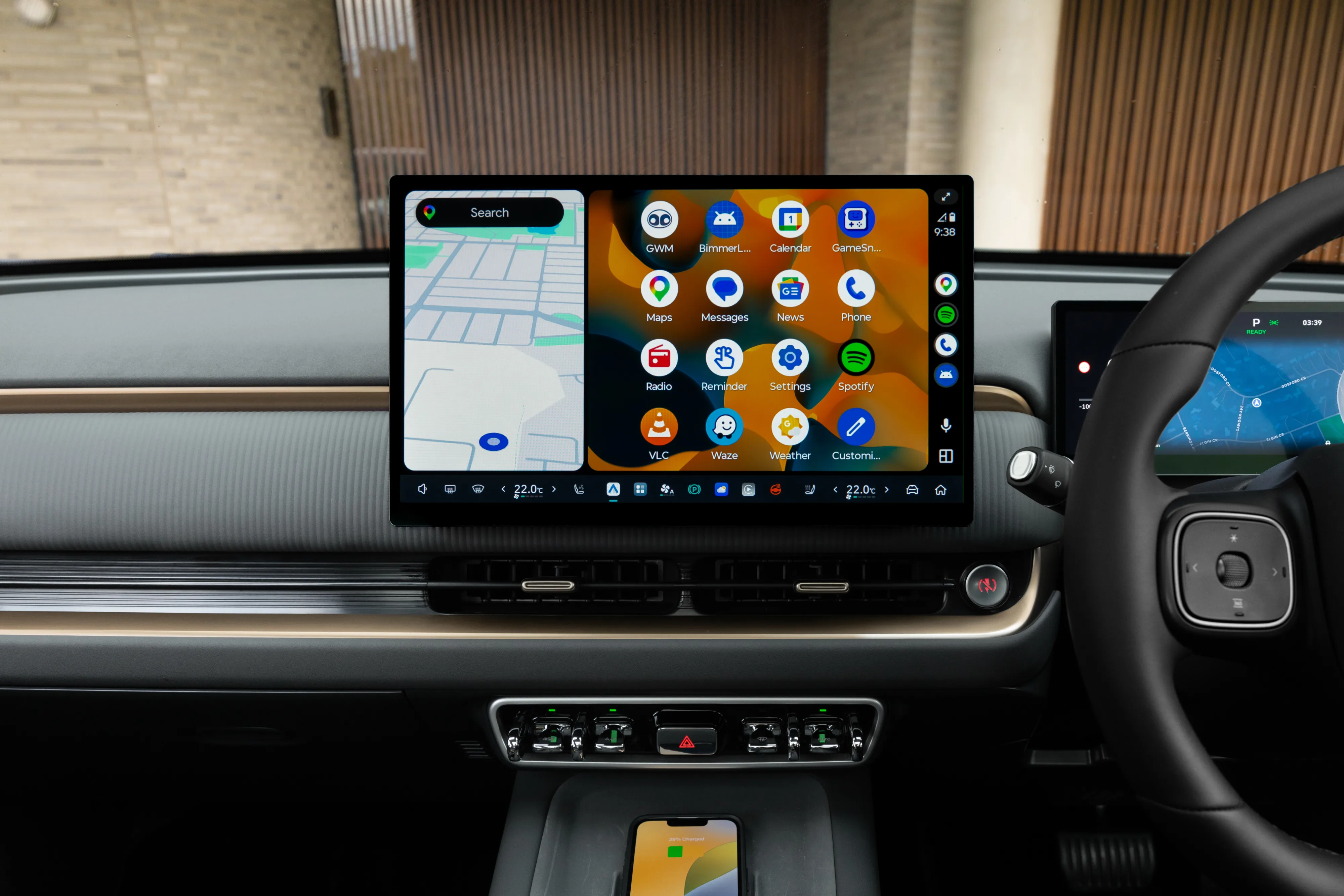
The cabin also focuses heavily on storage and comfort. GWM claims more than 30 storage locations throughout the interior, including an umbrella holder and a flying bridge centre console that frees up space beneath for larger items. Ultra models add a 50W wireless phone charger, while the seats have been through GWM’s internal comfort testing programme. The Ultra also receives heated and ventilated front seats, with the ventilation system designed to draw heat away from the body rather than simply blow cold air through the seat.
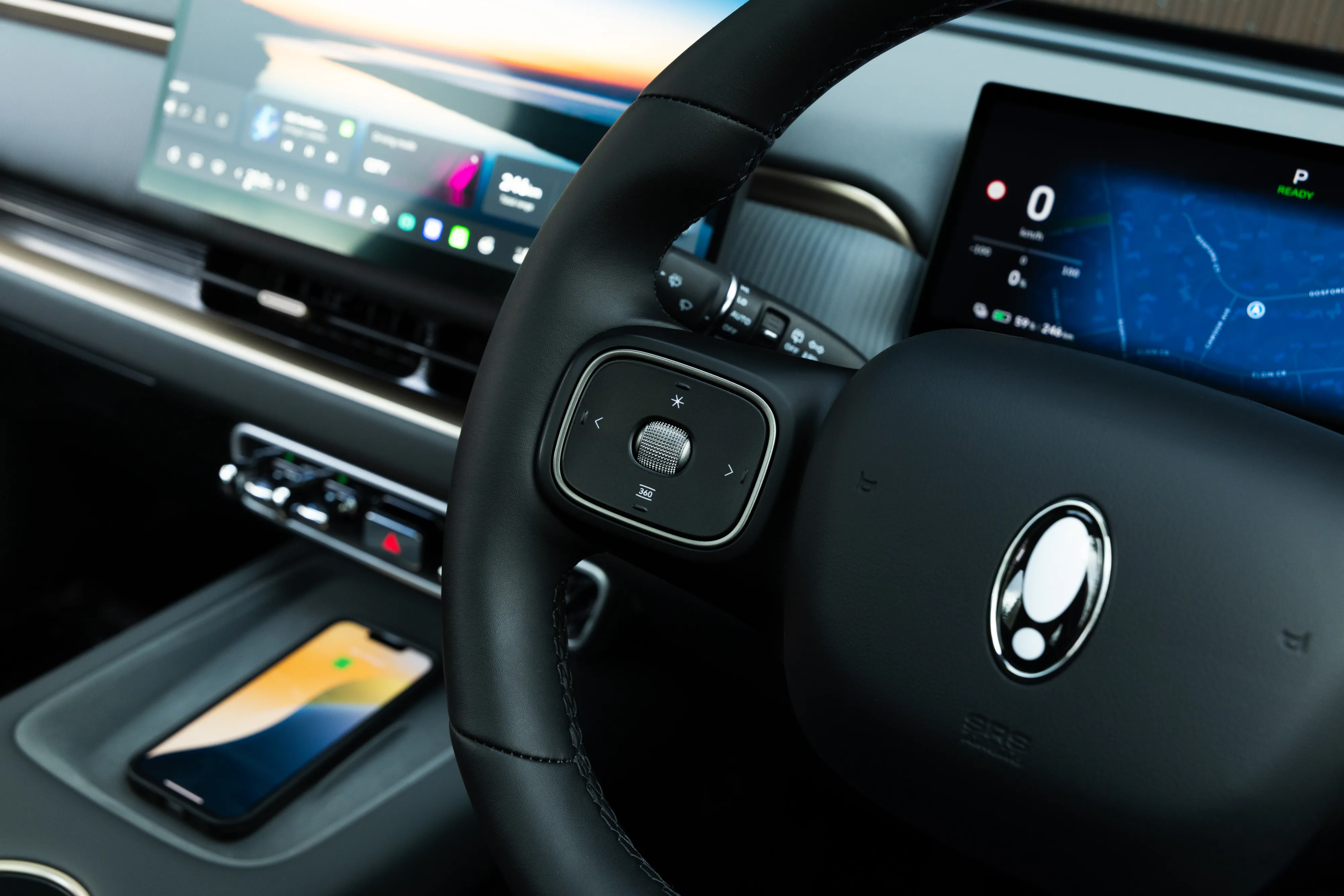
The specification jump from Luxe to Ultra brings several of the more premium touches. The Ultra adds an electric tailgate, panoramic glass roof with electric sunshade, heated power folding mirrors, heated steering wheel, electric driver’s seat adjustment, ventilated front seats and ambient lighting. That lighting also has a safety function, flashing through the door area when the car detects approaching traffic, cyclists or pedestrians as an occupant opens the door. Plenty, plenty of value considering the premium charged to go for the range topper.
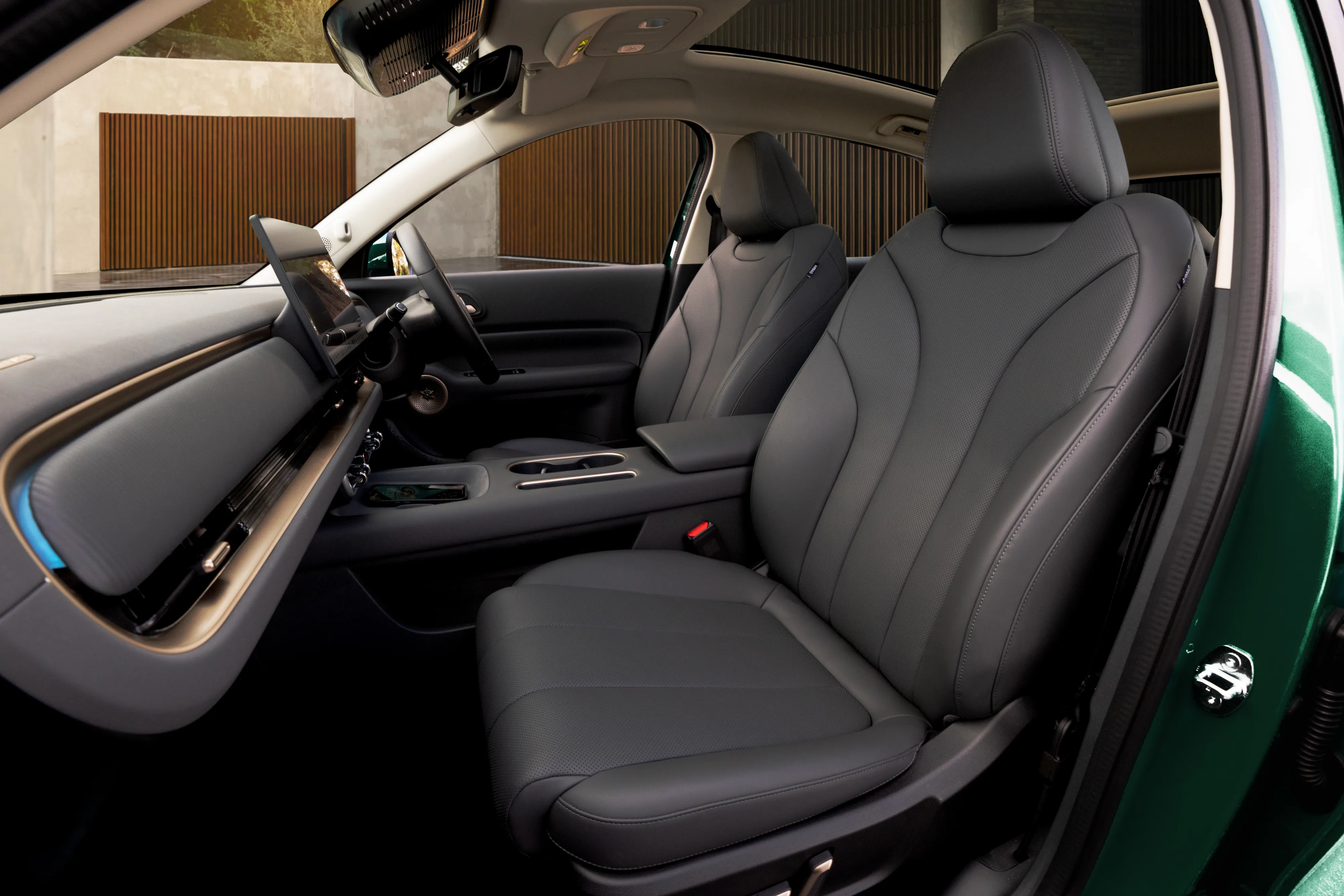
Safety is clearly being positioned as a major part of the ORA 5 story, thanks to seven airbags, a 360-degree camera, adaptive cruise control, autonomous emergency braking, lane change assist, door opening warning and other driver assistance systems. GWM also confirmed that, based on local feedback, the ORA 5 will be fitted with a space saver spare wheel, something that still matters to many Kiwi buyers.
GWM also spoke at length about its in-house durability and safety testing. The company says the battery has been tested for dust and water ingress, as well as undergoing additional impact and crush testing. The vehicle itself has been subjected to extreme temperature testing from minus 40 degrees to plus 60 degrees, while the body structure has been engineered with a high proportion of high strength materials. The brand also intends to test the ORA 5 for a five star ANCAP safety rating.
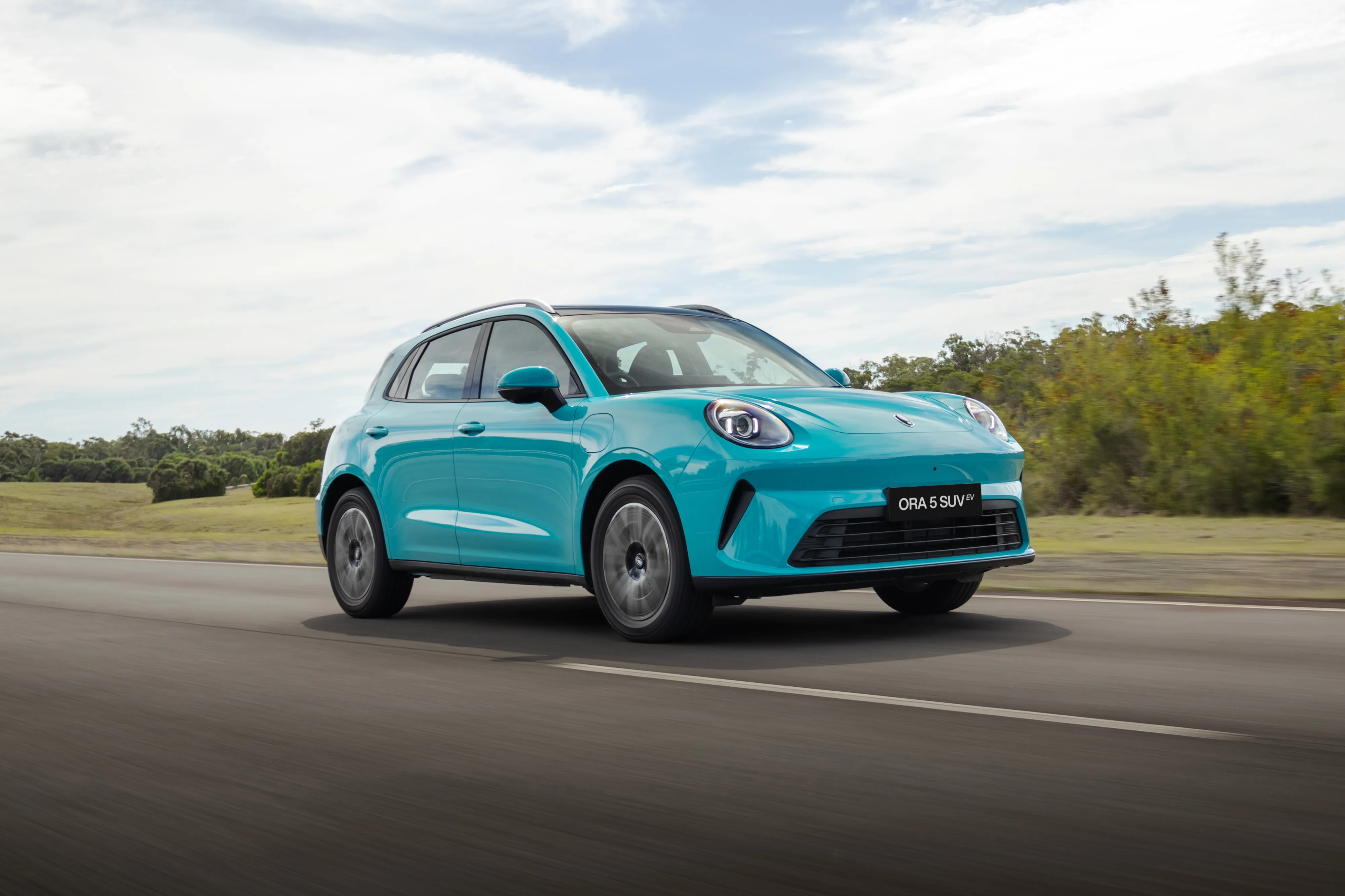
Colour choice is another area where GWM appears to be listening to feedback, especially for a car with this friendly of a design. The ORA 5 will launch with a more playful palette than we often see in this part of the market, including white, sage green, pink, black and an upcoming Mystic Grey. Interior options include dark grey and cream, with the cream cabin reserved for Ultra models and tied to selected exterior colours.
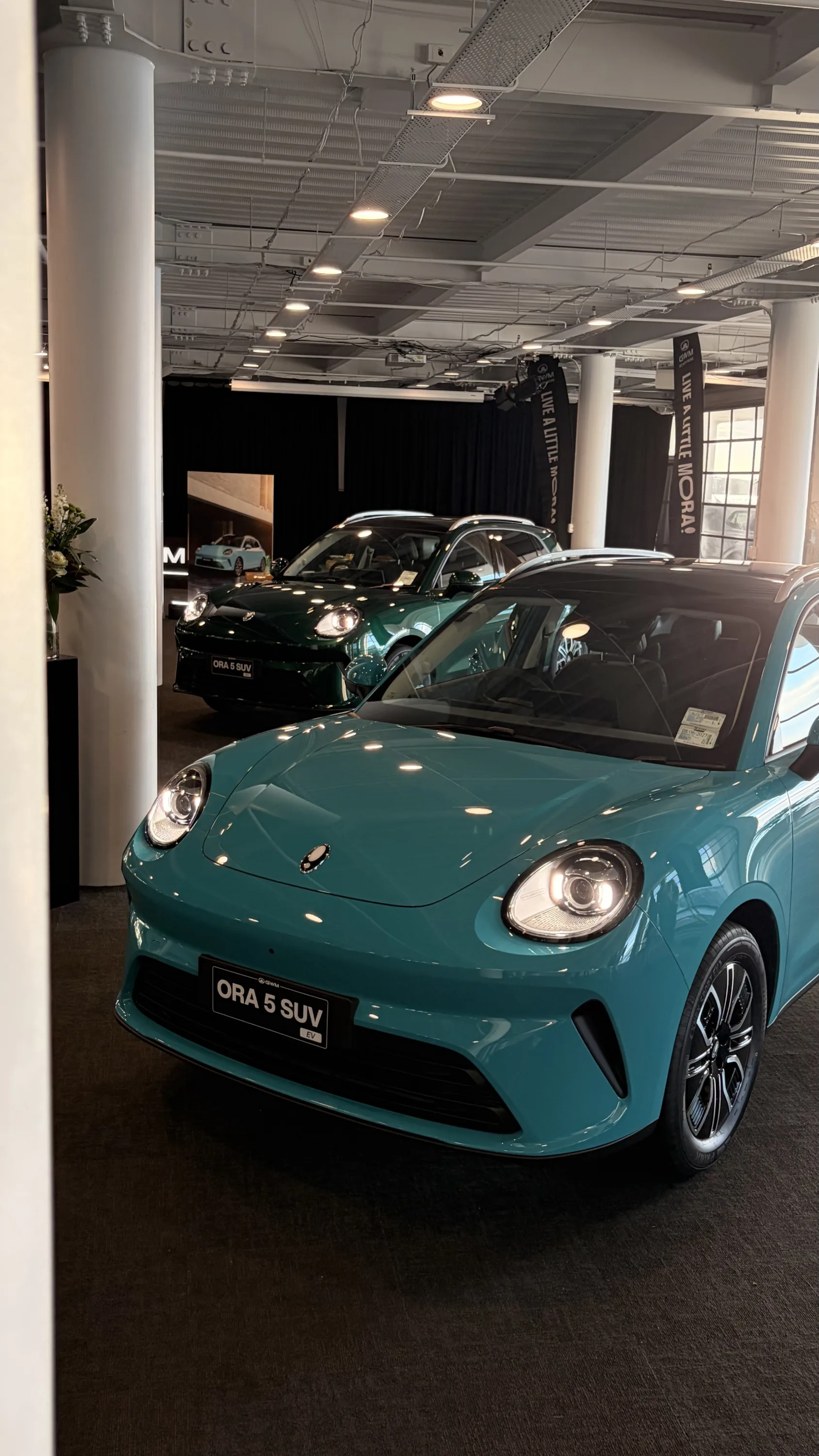
All in all, the ORA 5 arrives at a useful moment for GWM. The brand has been growing rapidly in New Zealand, and its strategy now seems less about pushing one solution and more about covering multiple buyer needs across petrol, hybrid, plug-in hybrid and electric vehicles. A sharply priced small electric SUV gives GWM a stronger hand in a segment that is only going to get more competitive, and we feel like it is very well placed to compete.
Its appeal is straightforward: usable range, a strong features list, urban friendly dimensions, distinctive styling and pricing that undercuts plenty of established rivals. The real test will come on the road, where ride comfort, software polish and real world efficiency will decide whether it will convert into everyday appeal. We’re looking forward!