The Freelander name is back, reimagined as a premium, technology-forward SUV aimed at global markets, and the production‑intent Freelander 8 has just made its global debut in China. The reborn brand is a joint venture between Chery and Jaguar Land Rover, with the vehicle built at Chery Jaguar Land Rover’s Changshu plant, signalling a cross‑continental blend of Chinese manufacturing and British design heritage.
Design – British cues, contemporary execution
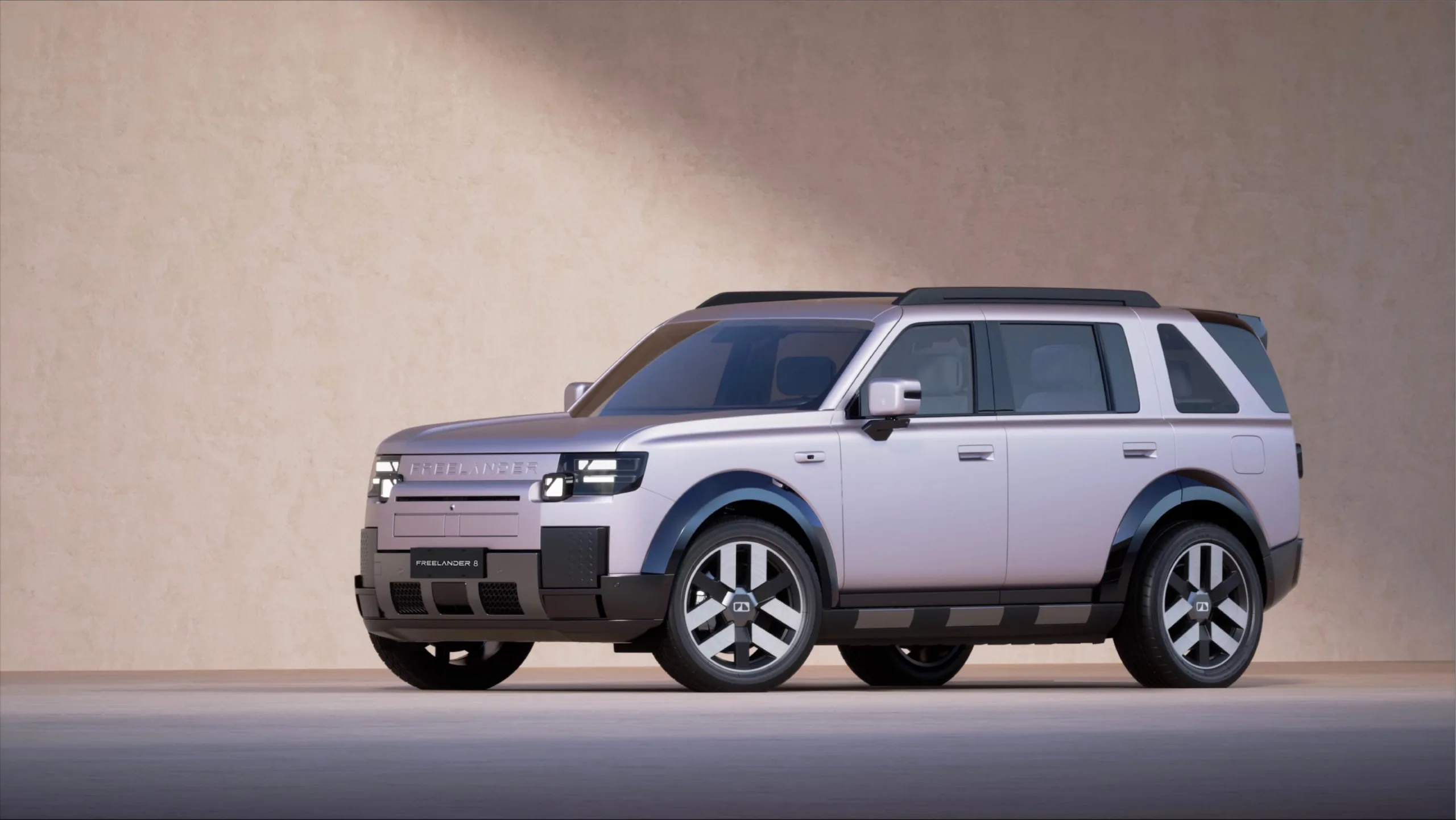
Under design director Phil Simmons, whose CV includes the Range Rover Velar and Land Rover Defender — the Freelander 8 wears familiar Land Rover DNA but with a contemporary, tech‑led twist. Signature elements like the silhouette and rear‑quarter window carry over from the original Freelander, while new, squared‑off lighting and a stronger road presence push the model toward a more modern, assertive look. The exterior is guided by a “castle body” theme that pairs a planted, solid lower stance with a lighter, more refined upper cabin — a visual shorthand tuned to urban buyers who still want off‑road credibility.
Cabin and tech: a digital cockpit for modern driving
Inside, the Freelander 8 prioritises space, visibility and digital integration. A large‑format Mini‑LED display brings vehicle data, navigation and real‑time driving information into a single, dominant interface, a move that reflects the industry trend toward consolidated digital cockpits aimed at improving driver focus and perceived luxury.
All‑terrain capability that adapts
Beyond looks, the Freelander 8 is marketed as a genuine all‑rounder thanks to a new Intelligent All‑Terrain System (i‑ATS). The system offers nine terrain modes and interfaces with hardware such as an electronic limited‑slip differential, air suspension and a virtual centre‑locking function. Those features are designed to give drivers seamless transitions between city, highway and regional or off‑road surfaces, a selling point likely to resonate strongly in markets like Australia where drivers commonly switch between urban and rugged conditions.
Positioning and market outlook
The Freelander nameplate, first launched in the late 1990s, has been repositioned for the premium, tech‑centric SUV buyer. The Freelander 8 is the first step in that strategy, with further details (including timing for markets such as Australia) to be confirmed as the vehicle moves closer to production. Given the Chery–JLR partnership, the model represents a fusion of global R&D and localised production that could help keep price points competitive while offering higher perceived value through design and tech.
What this means for Australian buyers
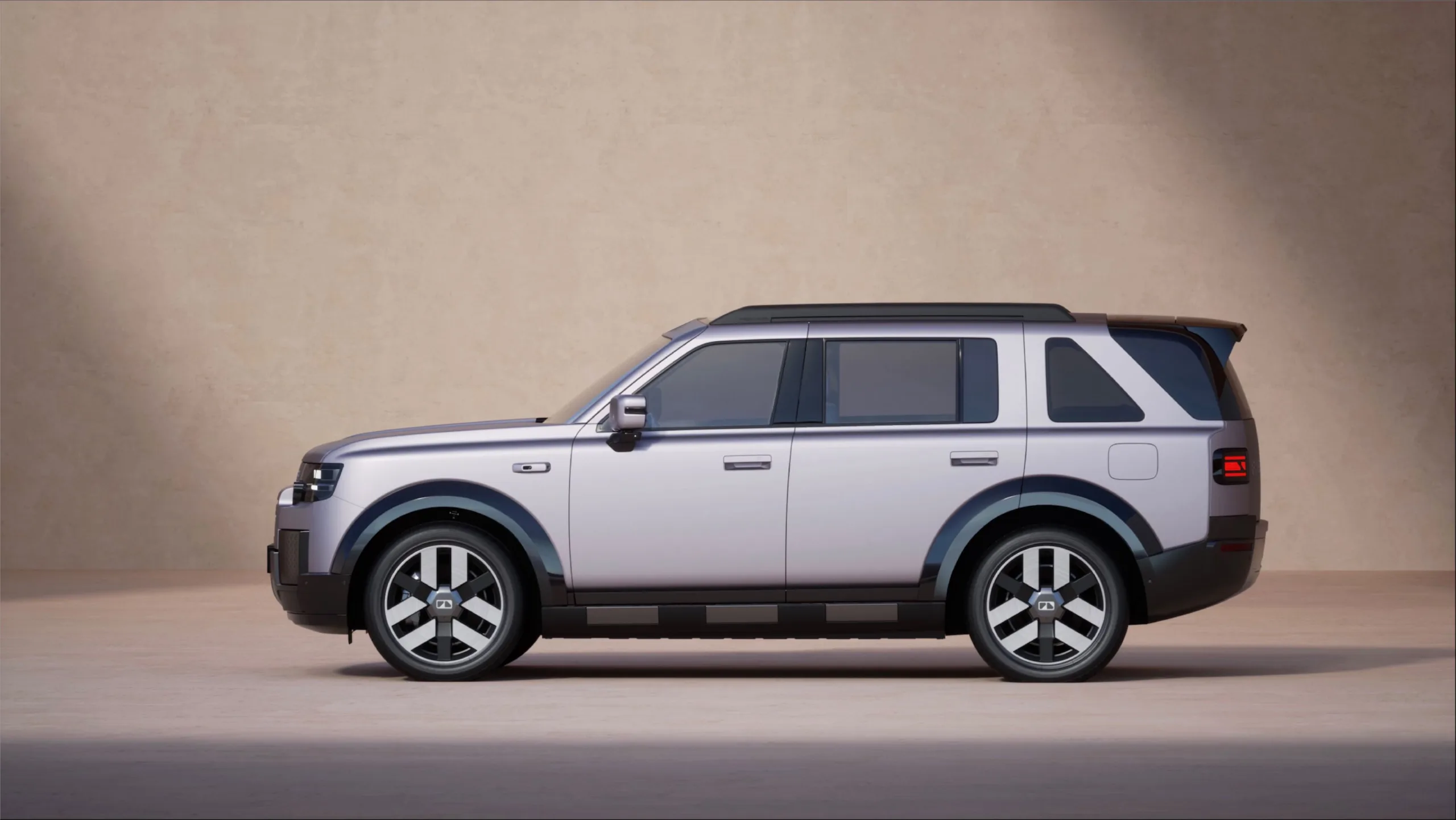
Australian buyers can likely expect a vehicle that balances urban refinement with real off‑road capability, thanks to features like air suspension and adaptive terrain modes — equipment that addresses the unique use cases of Australian customers who often mix city driving with regional travel. Precise local specs, pricing and timing are pending closer to production and official local launch announcements.
Why the Freelander 8 matters
The Freelander 8 matters because it’s the public face of a new Chery–JLR chapter that combines British design credibility with Chinese manufacturing and tech innovation. If executed well, the Freelander 8 could appeal to buyers seeking premium styling, a high‑tech cockpit and genuinely useful off‑road systems, all wrapped in a value proposition enabled by joint venture production.