Wednesday 29 July 2026. Welcome to another instalment of Cardle of the Day, the series where we play the daily Cardle puzzle and then spend a little time with whatever car emerges from the fog.
If you haven’t played Cardle before, the premise is beautifully simple: one car, five progressively less-cropped photographs, and the challenge of naming it before the image gives too much away. You can guess at any point or skip a clue if you’d rather wait for a clearer look. Some days the answer jumps out from clue one. Other days, the puzzle makes you work for it.
How Today’s Puzzle Played Out
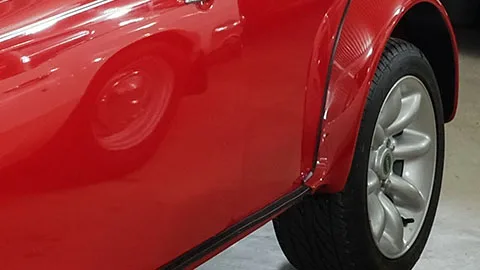
This was a tricky one. The opening clue, with those blistered fenders and multi spoke wheels on a seemingly small body were a trap laid out for me. Again, my ignorance when it comes to British motoring made me second guess every thought of mine: is this British Leyland, Austin, Mini? I can never reliably tell. So I decided to have a go. I was wrong.
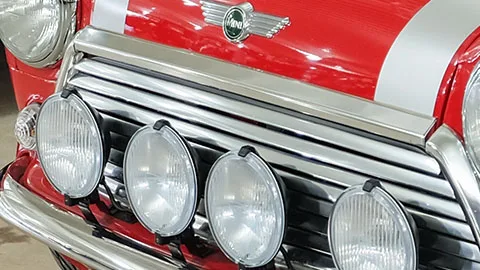
The second guess showed not only the four fog lights, but also the logo. Thanks, Cardle, I now know where to go. It was, in fact, a Mini Cooper, although I know it would have accepted the Rover Mini as well.
Oh, how I like these little things
The original Mini was designed by Alec Issigonis and launched in 1959, conceived as a practical response to the Suez Crisis fuel shortages. Issigonis turned the engine sideways, mounted the gearbox beneath it in the sump, and pushed the wheels to the corners of the car, a packaging solution so clever it influenced small car design to this very day. The result was a vehicle that used roughly 80 percent of its floorpan for passengers and luggage, a figure that was genuinely remarkable at the time, and a masterclass in packaging.
The Cooper name arrived when racing constructor John Cooper recognised the car’s potential and worked with BMC to produce a higher performance variant. The Mini Cooper S went on to win the Monte Carlo Rally outright in 1964, 1965, and 1967, cementing a motorsport reputation that still colours how people feel about the car today.
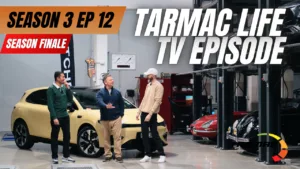
All of this is covered in the love letter we wrote (or filmed) to Mini for their 66 year birthday, which you can see here:
The original Mini remained in continuous production from 1959 to 2000, over four decades on sale. John Cooper’s tuned variants turned a city car into a genuine rally weapon, winning Monte Carlo three times in the 1960s. Alec Issigonis’s transverse engine layout became the template for virtually every front wheel drive hatchback that followed, and a testament to how he got it right.
And then there’s the icon status
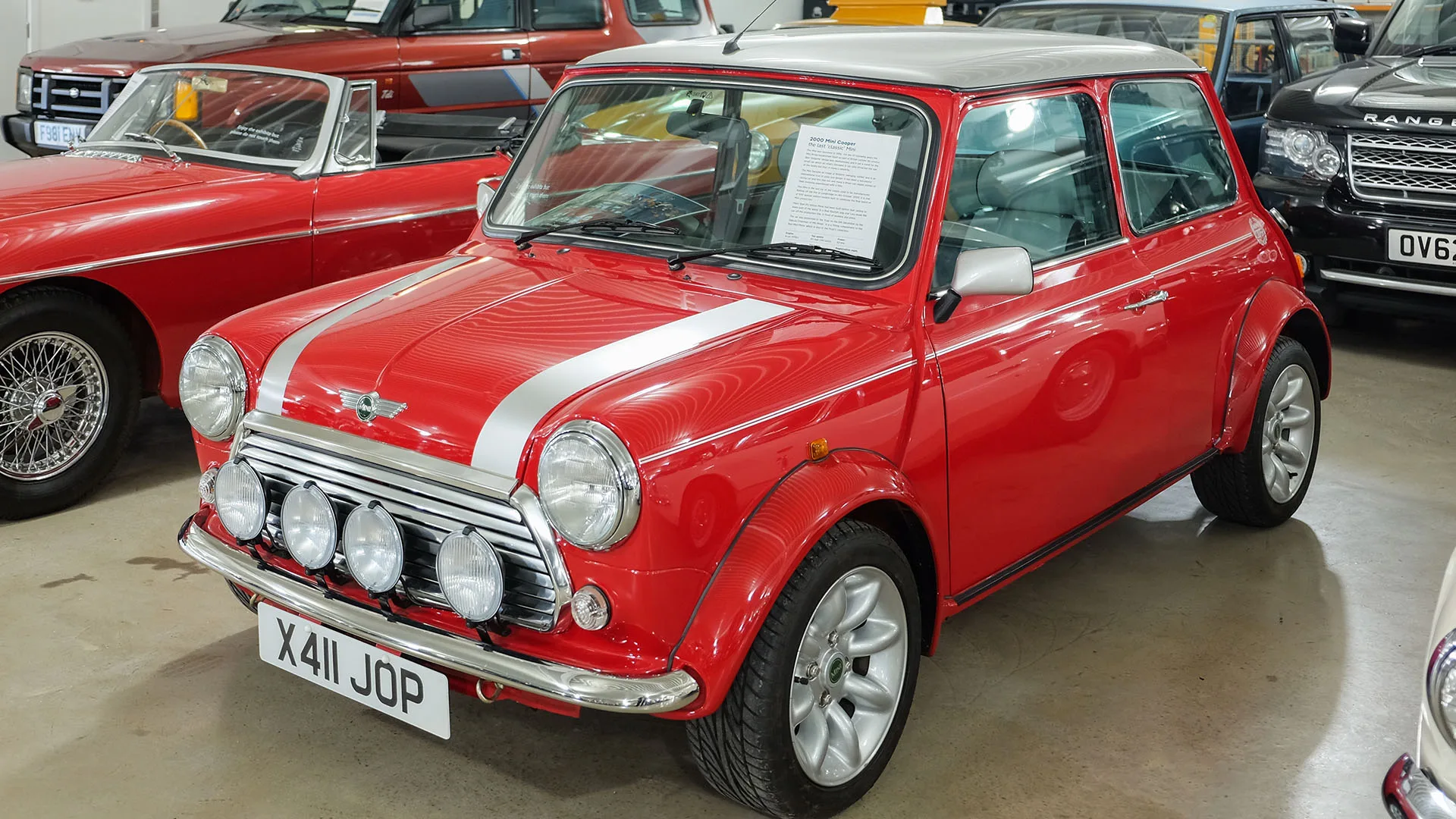
The Mini Cooper is a car that carries genuine cultural weight, one that was written by the product as much as by the people that owned it. It appeared in The Italian Job, it populated British high streets for four decades, and it shaped the engineering assumptions of an entire industry. The BMW era MINI that arrived in 2001 is a different animal: larger, more refined, more expensive, but it never diluted the idea of what a Mini is. Thanks, Cardle, because now I want one. See you tomorrow!