Saturday, 25 July 2026. Another day, another instalment of our Cardle of the Day series, in which we play through the daily puzzle at Cardle and then spend a few paragraphs doing justice to whatever car the game has decided to throw at us. Today’s car would have been easy for Matt or Dave, but me…
For anyone new here: Cardle presents one car per day through five progressively less-cropped photographs. You can guess at any point or skip a clue and wait for a clearer view. The earlier you identify the car, the better your score. It sounds simple. It is not always simple.
Five Clues, Four Skips, One Penny Drop
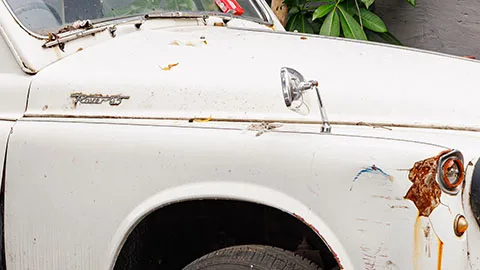
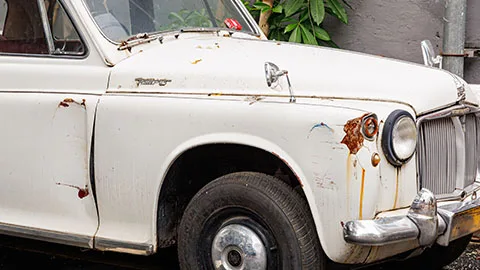
Today’s puzzle opened with a clue showing an almost abstract slice of rusty bodywork, the kind of image that, to me, could belong to any number of upright, chrome trimmed saloons from the 1950s or early 1960s. By clue two, I knew I was never going to get right, even though I’m sure that if I had the other members of the team close to me, they would have known what the puzzle was by then.
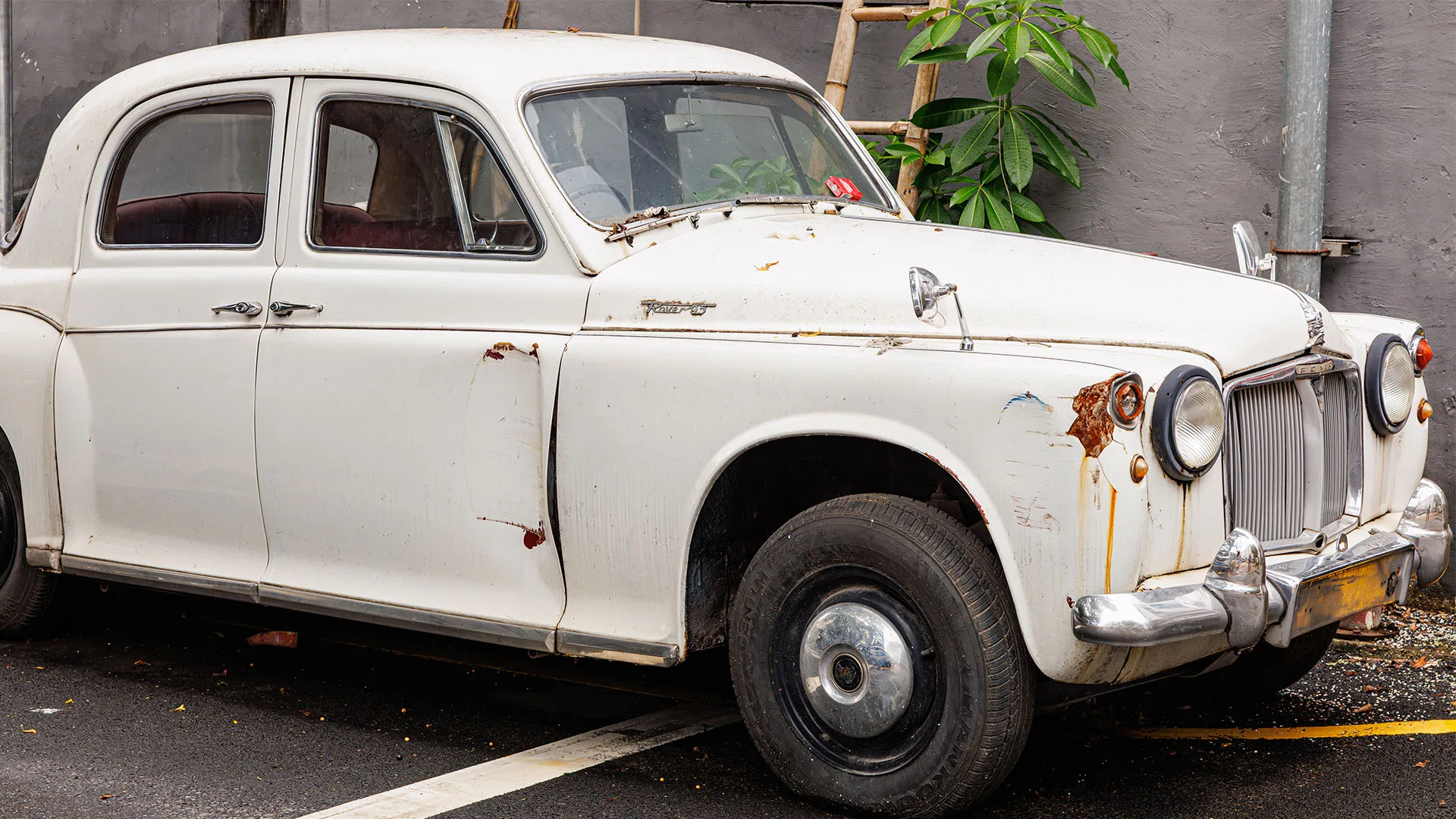
It was a slog of skip after skip until we got to the very end, and I could finally learn what it was, followed by the exclamation of an “aaah, of course!”. With enough of the car visible to read its proportions, that upright silhouette, the restrained chrome detailing could not be mistaken. It was the Rover P4.
P4 what?
The P4 ran from 1949 to 1964, which is a remarkable production span for any car, let alone one that was already considered “conservative” in its styling when it launched (how kind of me). Rover offered it in a range of engine configurations across its life, from the original 1.6 litre four cylinder through to a 2.6 litre six, giving buyers genuine choice, and we all know I love that.
These variants included the 60, 75, 80, 90, 95, 100, 105, and 110. Early models featured a distinctive central “Cyclops” driving lamp mounted in the grille, a feature dropped after 1952 when it proved more eccentric than practical. The P4 earned the nickname “Auntie Rover” during its production life, a label that acknowledged its upright respectability while gently poking fun at its refusal to chase fashion (man, do I love British humour).
That nickname stuck, and it stuck affectionately. The P4 was the car of doctors, solicitors, and senior civil servants, people who wanted quality without ostentation. Rover understood its audience precisely, and the P4 delivered exactly what was asked of it.
The P4 occupies an interesting place in British automotive history. It arrived at a moment when the country was rebuilding its confidence and its industry, and it embodied a particular idea of what a quality British car should be: durable, dignified, and engineered with genuine care. The body on frame construction and the attention given to interior refinement were not accidents, they were deliberate choices by a company that took its reputation seriously.
Today, surviving P4s are cherished by a dedicated community of owners who appreciate exactly those qualities. They are not fast, they are not flashy, and they make no attempt to be either. That, in its own way, is rather refreshing, as is the fact that a well maintained example can still turn heads when parked at the right event. I love that Cardle is helping me quench my thirst for British automotive history, one masterpiece (erm) at a time. See you tomorrow!