Monday, 27 July 2026. Another day, another instalment of our Cardle of the Day series, in which we play through the daily puzzle at Cardle and then spend a few paragraphs doing justice to whatever car the game has decided to throw at us. Today’s car would have been easy for Matt or Dave, but me…
For anyone new here: Cardle presents one car per day through five progressively less-cropped photographs. You can guess at any point or skip a clue and wait for a clearer view. The earlier you identify the car, the better your score. It sounds simple. It is not always simple.
How today’s puzzle played out
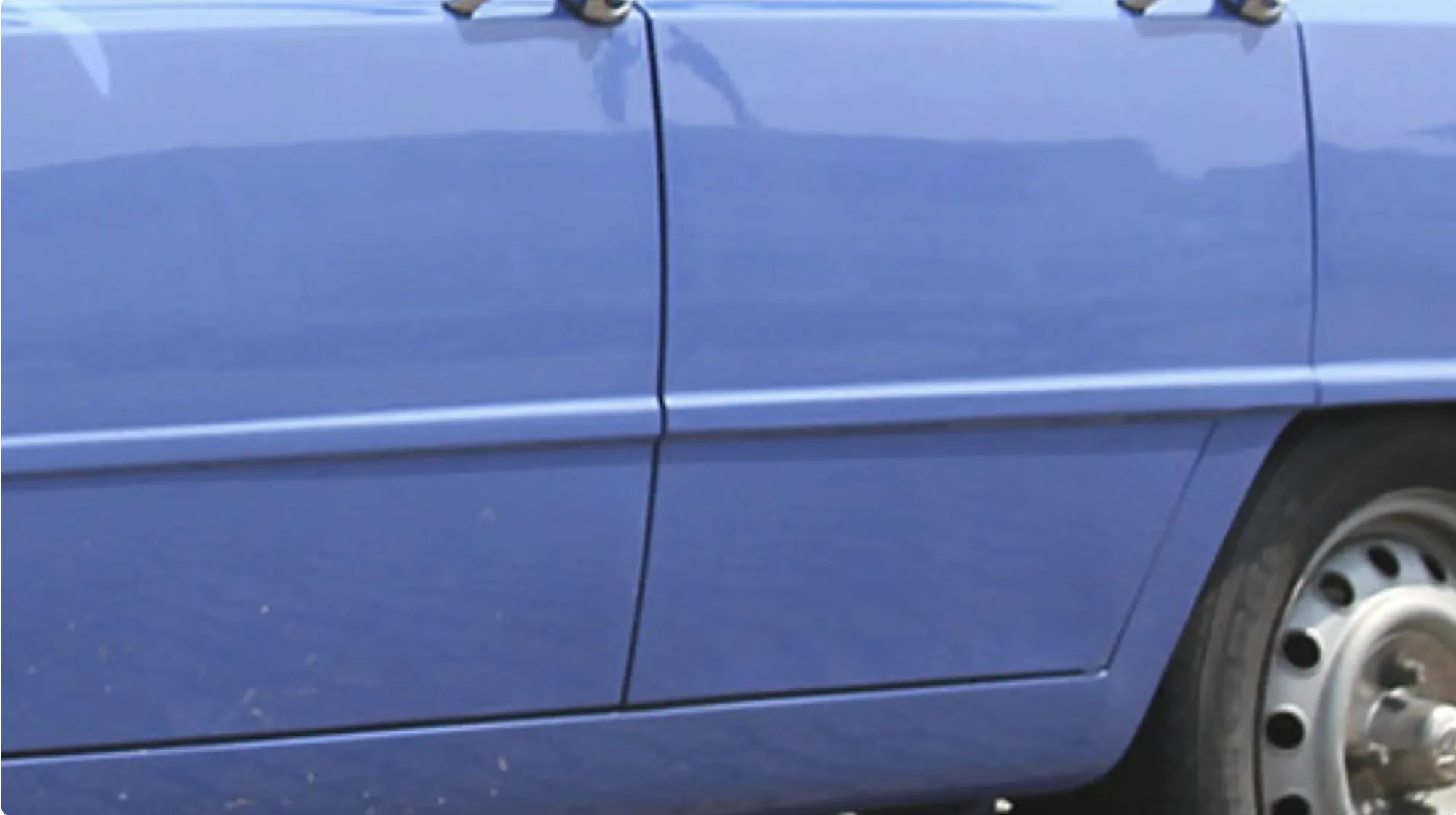
Keeping up with the vintage wave, and of European cars (and brands) I don’t know too much about, no less, today’s puzzle was another one I had an indication of what it was, but couldn’t get a correct answer until the very end: it was the Alfa Romeo Giulia. Time to learn about it!
Long before the modern Giulia became Alfa Romeo’s return to the premium sports sedan segment, the original Giulia was the car that helped solidify that name. Launched in 1962 as the successor to the Giulietta, it combined Italian styling, advanced engineering, motorsport DNA, and everyday practicality in a way that was rare for the time.
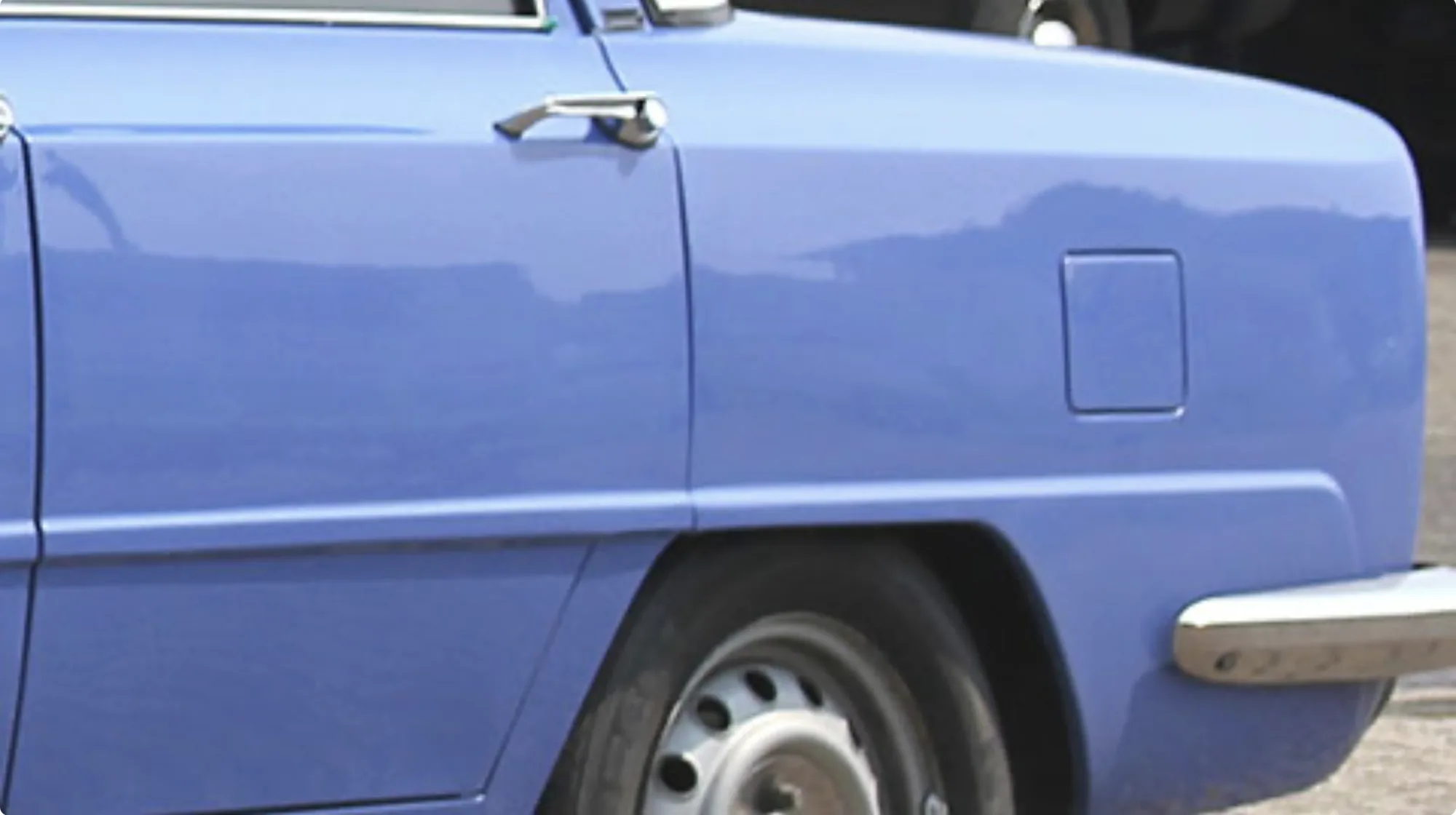
Designed by Alfa Romeo with styling from Bertone, the Giulia’s squared-off shape was not just about looks, but also aerodynamics that were great for its era. Its distinctive “coda tronca” (truncated tail) design helped reduce drag, while under the bonnet sat Alfa’s legendary twin-cam four cylinder engine, giving the car a level of sophistication and sporting character that few family sedans could match.
The Giulia also played a major role in establishing the formula for the modern sports sedan: a compact body, rear wheel drive, excellent handling, and an engine that encouraged enthusiastic driving. It became a favourite among drivers who wanted one car that could handle the daily commute during the week and a spirited mountain road on the weekend, something the new Giulia replicated very well.
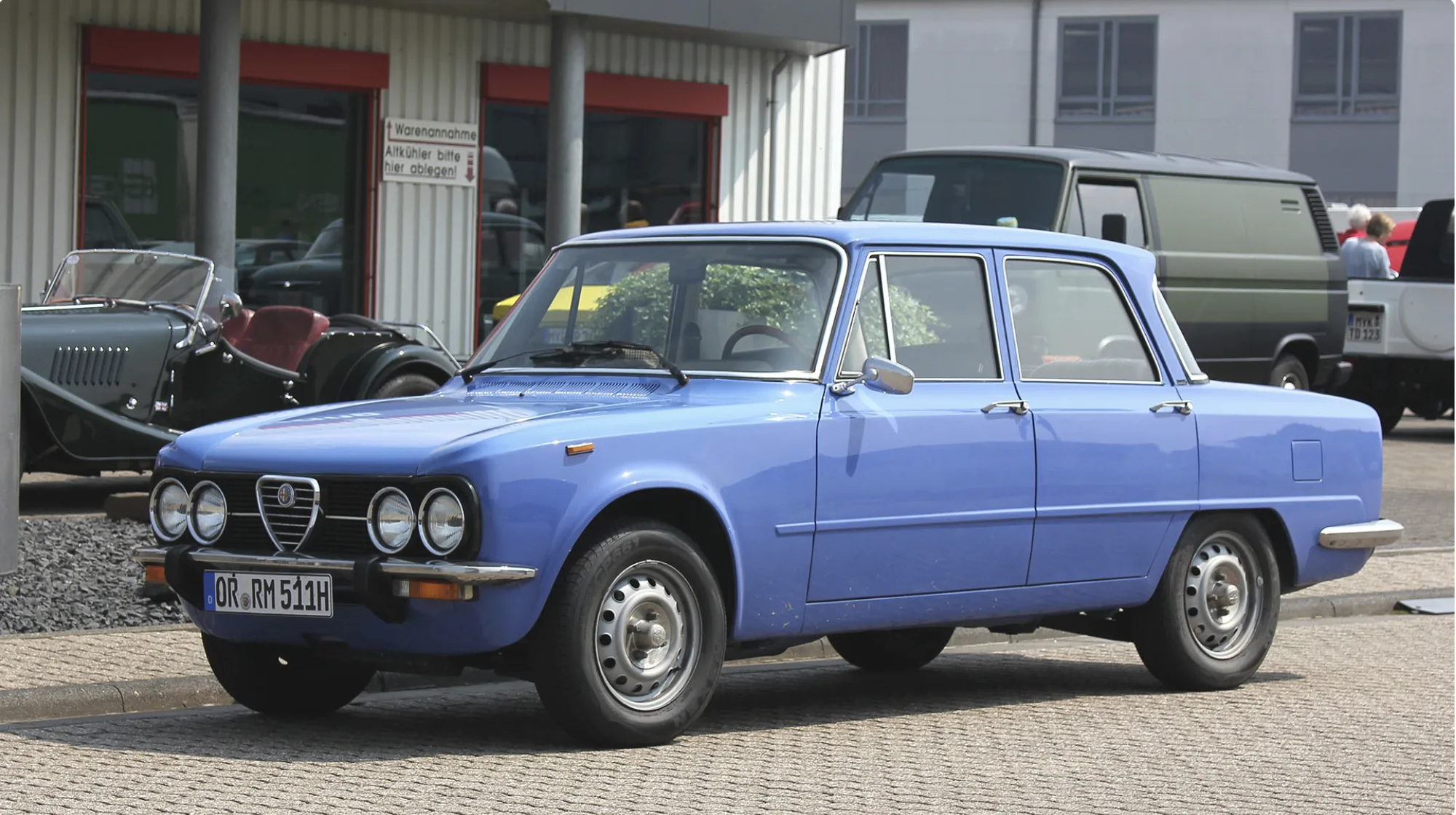
Beyond the road cars, the Giulia also built its reputation through proper competition. Variants such as the Giulia GTA became icons of touring car racing, with lightweight aluminium body panels, increased performance, and a racing pedigree that cemented Alfa’s reputation as a manufacturer that valued motorsport as much as engineering.
More than 60 years later, the original Giulia remains one of the most respected Alfa Romeos ever made. Back in an era when manufacturers built cars with personality, flaws, and soul. A brilliant choice for today’s Cardle.