
In a move that beautifully blurs the line between high-tech engineering and marine biology interpretive dance, BMW has unveiled its latest brand campaign. The star? Not a sleek sedan carving up an alpine pass, but a dancing octopus named Okto. This isn’t a fever dream from the marketing department, but a calculated, if wonderfully bizarre, attempt to explain the new “superbrain” at the core of its future vehicles: the “Heart of Joy” central control unit.
The “Heart of Joy” is the new technological centerpiece slated to debut in BMW’s upcoming Neue Klasse models . This unit acts as a centralised nervous system for the car, intelligently and rapidly coordinating everything from the powertrain and brakes to recuperation and steering functions. It reportedly processes driving information a staggering ten times faster than previous systems, promising a more responsive and dynamic driving experience than ever before. To translate this complex digital prowess into something more digestible, the advertising agency Jung von Matt Hamburg created the “Meet Okto the Octopus” video, a piece of “cinematic poetry” that will grace screens online and in cinemas.
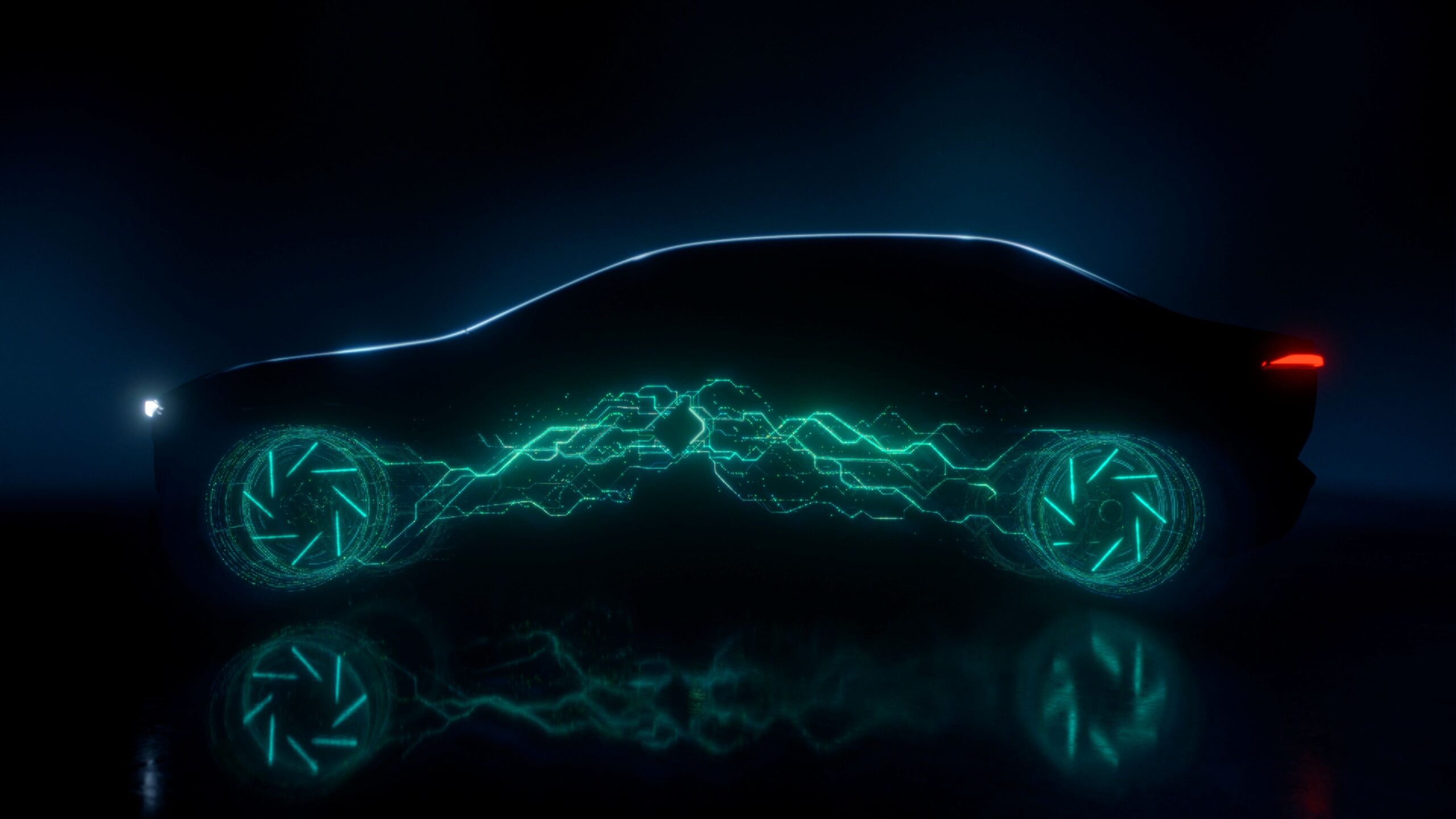
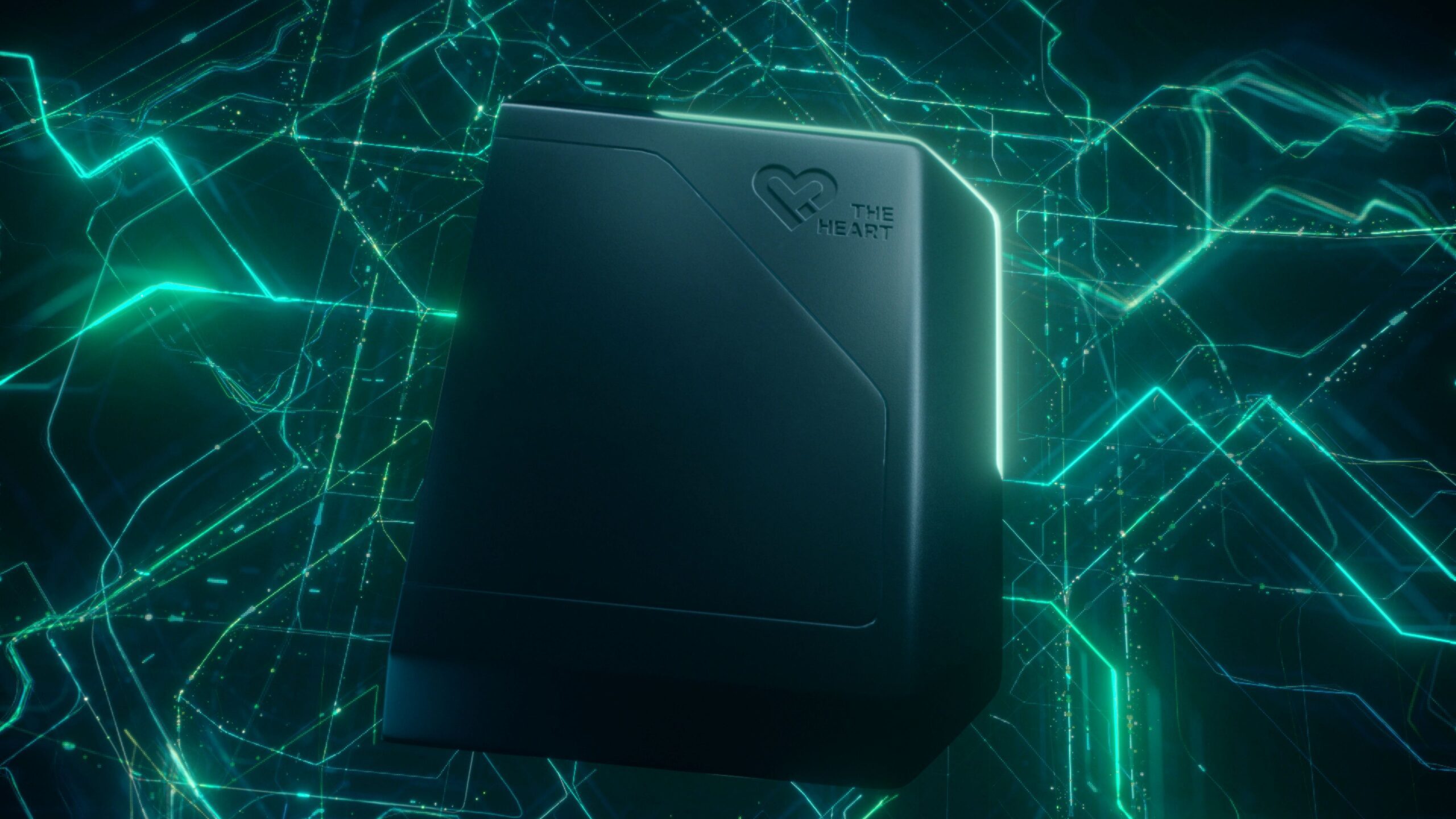
Herein lies the delightful irony. The campaign uses an octopus—an animal famed in the scientific community for its highly decentralized nervous system, with a mini-brain in each of its eight arms—as an analogy for a centralized control unit . BMW’s own press release cheekily acknowledges this biological contradiction, explaining that in their ad, the octopus is conceptually “given a central nervous system”. This allows Okto to trade its independent, limb-by-limb antics for a “synchronised, precise and controlled” underwater waltz, gracefully pirouetting away from hazards . In essence, BMW’s campaign shows us what happens when you take one of nature’s best multi-taskers and give it a single, incredibly focused boss.

This central “boss” is a key component of the industry-wide shift towards software-defined vehicles . As cars become more complex, with countless electronic systems working simultaneously, having a single, powerful processor to orchestrate the entire show is paramount. The “Heart of Joy” is BMW’s answer to this challenge, a unified brain designed to make the vehicle’s performance more cohesive and intelligent.

So, while the image of a waltzing octopus might seem whimsical, it’s a clever visual shorthand for a profound engineering shift. BMW is betting that this charming cephalopod choreographer can make the abstract concept of a central control unit feel tangible, emotional, and (true to its name) joyful. Whether it will drive customers to showrooms or just to the nearest aquarium remains to be seen, but one thing is certain: it’s far more memorable than your average car commercial.