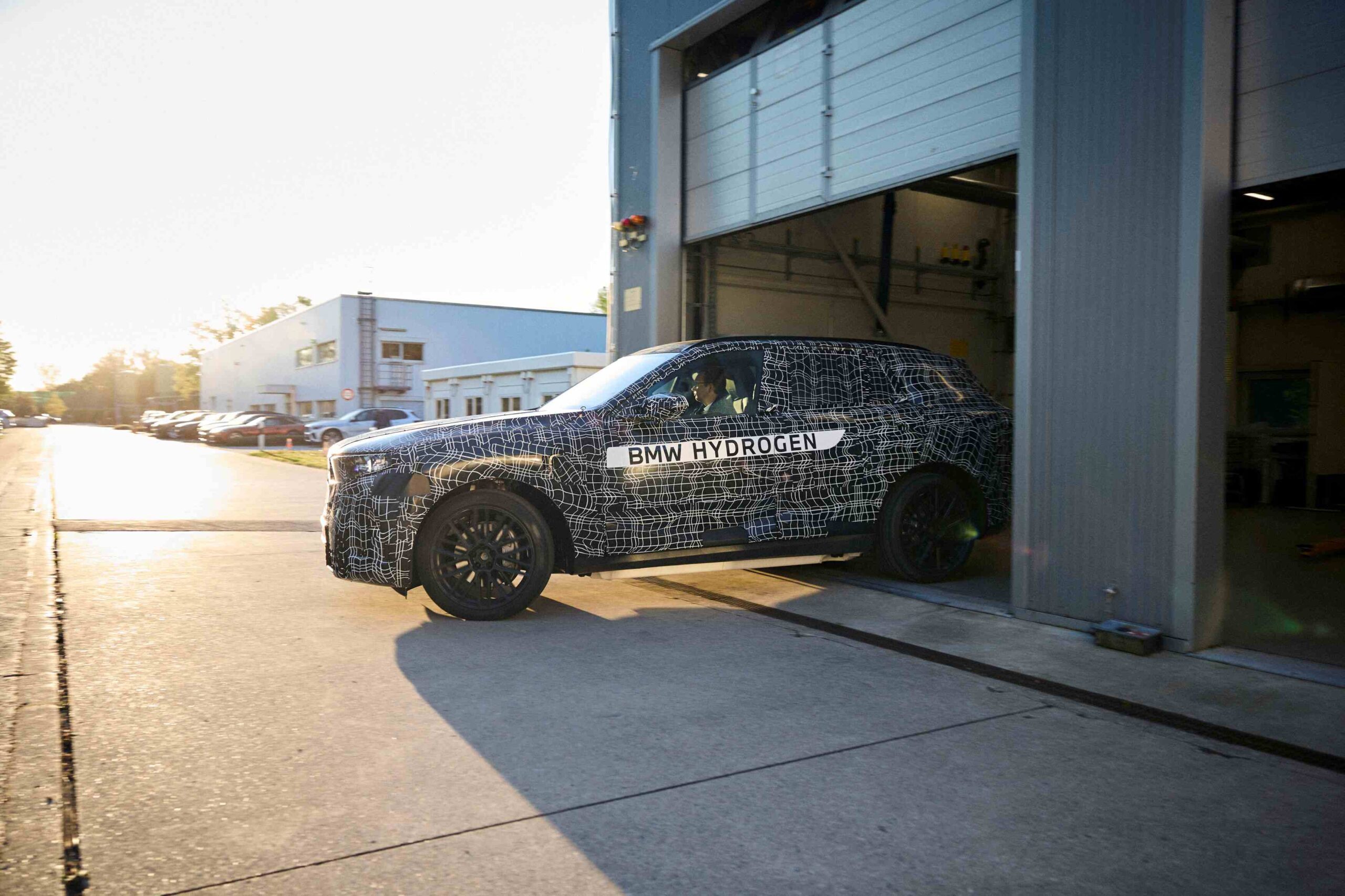
The battle for the future of the car has, until now, felt like a two-horse race: the familiar hum of the internal combustion engine (ICE) versus the silent surge of the battery electric vehicle (BEV). But what if there was a third contender? BMW seems to think so, and they’re not just hedging their bets—they’re going all in. In a landmark announcement, the Bavarian marque has confirmed it’s moving its hydrogen-powered iX5 from a pilot fleet to full series production.
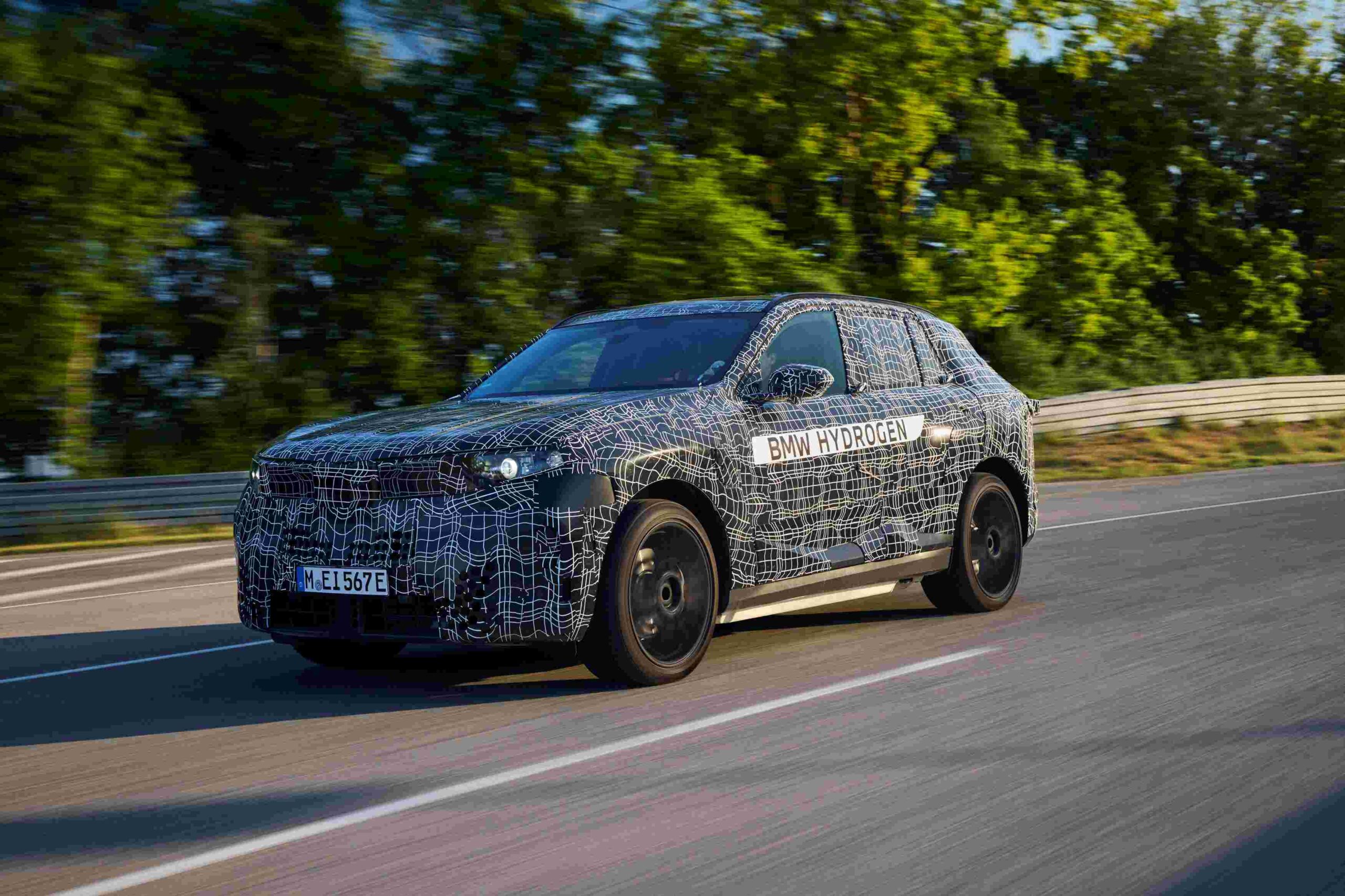
Set to hit the market in 2028, the BMW iX5 Hydrogen will be the brand’s first-ever series-produced hydrogen fuel cell model, marking a pivotal moment in the quest for global decarbonisation. More fascinatingly, it will debut as part of a completely revamped X5 lineup, which will be the first BMW model ever to offer customers a staggering five different drivetrain technologies: petrol, diesel, plug-in hybrid, battery electric, and now, hydrogen fuel cell.
The Power of Choice: BMW’s “Technology-Open” Gamble
While many manufacturers are declaring an all-electric endgame, BMW is championing a “technology-open approach,” arguing that product diversity is a key factor for success. The logic is simple: different customers in different parts of the world have vastly different needs and access to infrastructure. A one-size-fits-all solution might not be the answer.
Joachim Post, a member of BMW AG’s Board of Management, states, “Hydrogen has an essential part to play in global decarbonisation, which is why we are committed to driving the technology forward”. The company sees hydrogen as the “missing piece for completing the electric mobility puzzle,” particularly in situations where BEVs may not be the optimal solution. Think long-distance journeys, heavy towing, or for drivers who don’t have access to home charging and need the convenience of a five-minute refuel, similar to a petrol car. Hydrogen also serves as an effective way to store and transport renewable energy, helping to stabilize power grids as they become more reliant on solar and wind.
What is the iX5 Hydrogen? A Proper Driver’s Car
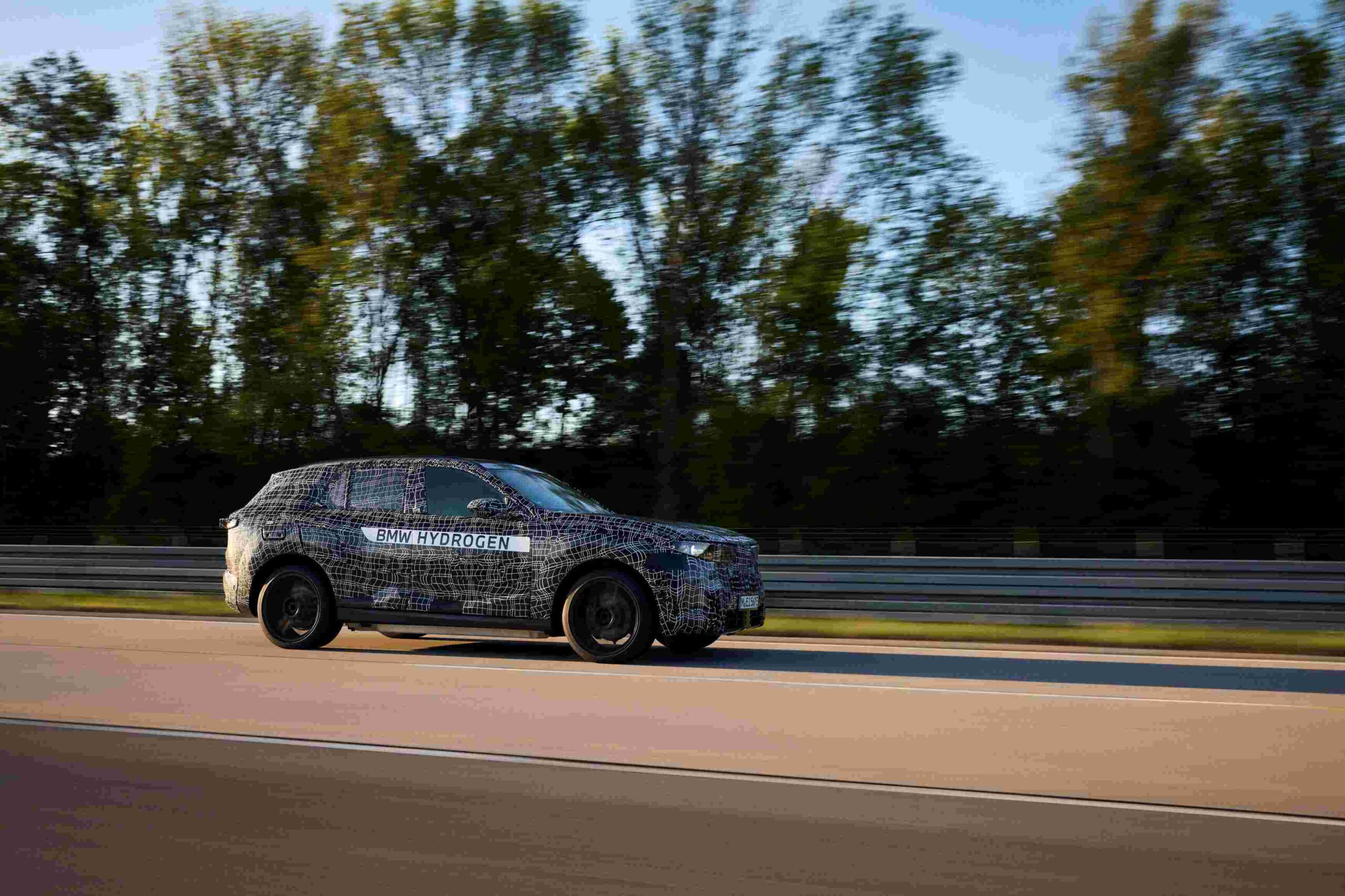
Forget any notions of a compromised, clunky science experiment. BMW is adamant that its hydrogen vehicle will live up to the brand’s reputation. “The new BMW iX5 Hydrogen will be a true BMW – pioneering in its class and delivering the BMW typical driving pleasure,” promises Michael Rath, Vice President of Hydrogen Vehicles at BMW Group.
Under the skin, the iX5 Hydrogen uses a third-generation fuel cell system that BMW has been developing in partnership with Toyota, a fellow pioneer in hydrogen technology. This collaboration has resulted in a system that is more compact, powerful, and efficient than ever before. This translates directly to increased range and output for the driver, all while consuming less energy.
In a Fuel Cell Electric Vehicle (FCEV) like the iX5, hydrogen stored in high-pressure tanks reacts with oxygen from the air inside the fuel cell stack. This electrochemical reaction generates electricity to power the motor, with the only emission being pure water vapour. It offers the instant torque and silent operation of a BEV but with the fast refueling times of a conventional car.
Tackling the Infrastructure Hurdle
The eternal question for hydrogen has always been about infrastructure: “Where do I fill it up?” BMW is proactively tackling this chicken-and-egg problem. The company is a key player in the HyMoS (Hydrogen Mobility at Scale) initiative, an alliance with industry and institutional partners designed to expand the hydrogen refueling network.
The goal of HyMoS is to make hydrogen ecosystems economically viable by pooling demand across all vehicle types, including passenger cars, trucks, and buses. This shared demand helps ensure that new hydrogen stations are used efficiently from day one. Pilot programs are already underway in Germany and France to gather experience and create a blueprint for expanding to other metropolitan areas and countries.
By 2028, BMW’s lineup will include two distinct types of fully electric drivetrains—battery electric and hydrogen fuel cell—demonstrating how serious the brand is about its flexible, technology-open strategy. The ability to integrate five powertrains into the new X5 platform showcases the company’s incredible manufacturing flexibility and expertise. For the consumer, it represents the ultimate freedom of choice. Whether you’re a diesel die-hard, a BEV convert, or a hydrogen pioneer, BMW plans to have an X5 for you.
So, as we look toward 2028, BMW has thrown down the gauntlet. It’s a bold declaration that the future of mobility may not be a single path, but a multi-lane highway. The question is, which lane will you choose?
Here’s what Mr BMW Hydrogen (Juergen Guldner) told us at an exclusive interview – https://www.tarmaclife.co.nz/news/bmws-40-year-journey-to-a-2028-hydrogen-future/