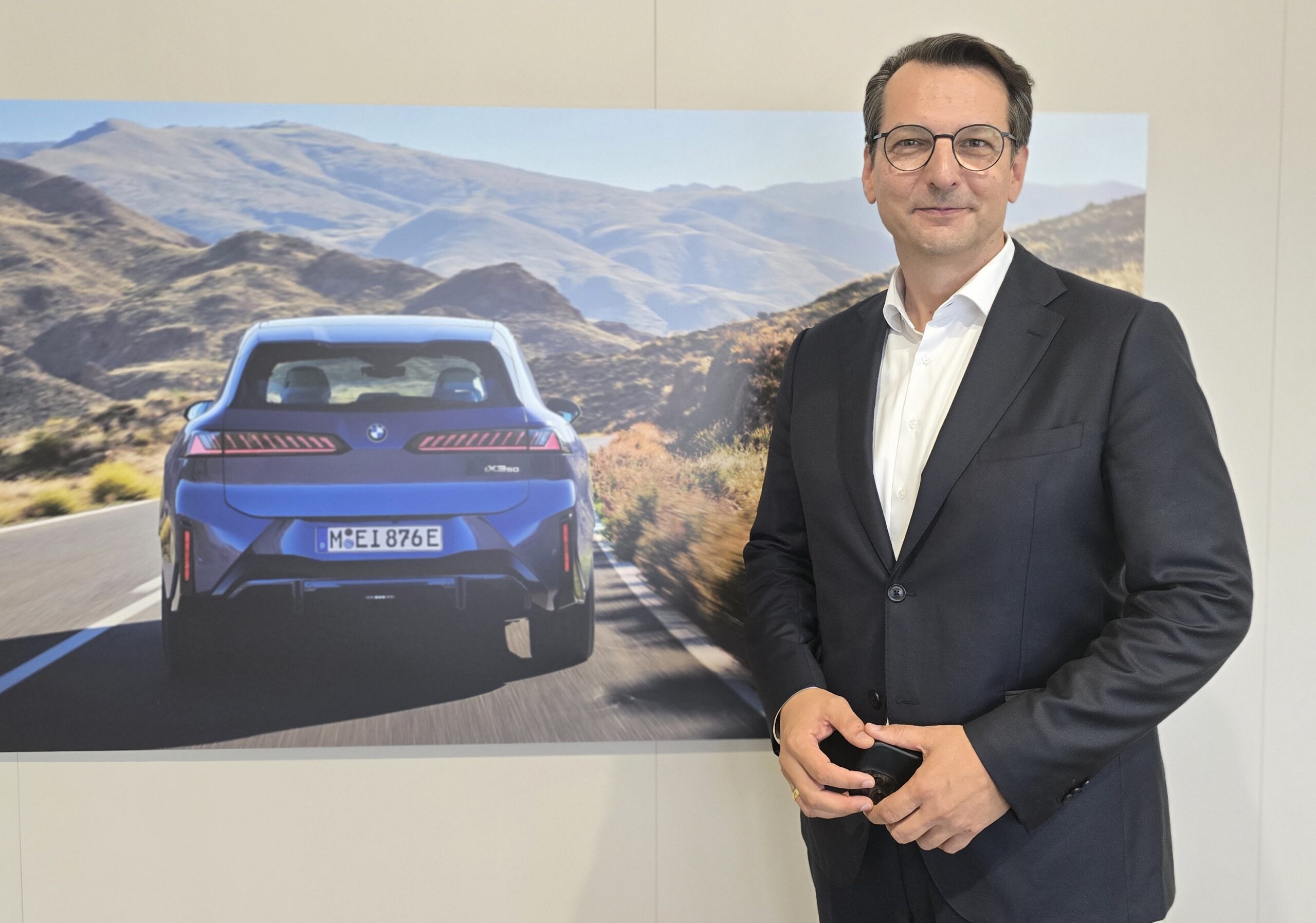
As we’ve discovered, BMW’s Neue Klasse is a top-to-bottom reinvention of what it means to be BMW. But while we’ve all been wowed by the slick concepts and promised tech, the real revolution runs much deeper. It’s a fundamental rethink of how a car is conceived, planned, and built. We got the inside line from Dr. Milan Nedeljkovic, BMW Group’s board member for Production, on the groundbreaking new ‘iFactory’ in Debrecen, Hungary, a plant that’s setting a new benchmark for the entire industry.
The Factory of the Future: No Gas, All Tech
When BMW says its new plant in Debrecen is sustainable, it’s not just talk. This is the company’s first facility built from the ground up to run entirely without fossil fuels. In fact, it “does not even have a connection to a gas pipe”. The plant runs on green electricity, with a significant portion generated on-site by a massive 500,000 m² solar panel park.
This clean-sheet approach allowed for radical innovation, most notably in the paint shop, traditionally the biggest gas consumer in car manufacturing. The result is the world’s first fully electric paint shop in the automotive industry.
The innovation is just as impressive in the digital realm. The entire plant was planned virtually in a system BMW internally calls the ‘Factoryverse’. Partnering with NVIDIA, BMW leveraged gaming industry competence to create a complete digital twin of the factory. “Instead of players being in the game, it’s planners working in the virtual digital twin,” Nedeljkovic explains. This virtual copy links everything from building schematics and logistics to ergonomics, allowing teams to work simultaneously in a shared digital space. This not only made the setup incredibly fast and effective but also created a powerful data foundation where AI can be applied to constantly optimise efficiency, quality, and logistics.
The Cost Question: Is Green and Clean Cheaper?
Building a sustainable factory from scratch is the “most effective way you can do it,” but switching from cheap and efficient natural gas to electricity always adds cost. BMW tackled this challenge head-on. By generating a high proportion of its own electricity, using innovative heating technologies, and implementing an intelligent energy management system (which even uses water tanks to store thermal energy), the Debrecen plant has managed to operate at a cost level comparable to a traditional gas-powered facility.
On a global scale, the old assumption that it’s “cheaper to make something in China” is no longer the full story. As manufacturing becomes more automated, the advantage of lower salary levels is reduced. According to Nedeljkovic, the key economic differentiators for electric cars are now energy prices and, crucially, “the access to raw materials and to refined raw materials”. China has built a significant advantage in refining capacity, making it more effective to manufacture there if you’re using a local battery supply chain.
However, BMW’s core principle remains “production follows the market”. Building cars within the regions where they are sold (be it Europe, the US, or China) is seen as essential to being part of the local ecosystem. The Debrecen plant, for example, was set up to add needed capacity for European demand.
The Human Touch in a Robot’s World
The rise of the ‘iFactory’ naturally raises questions about the role of human workers. Nedeljkovic confirms that some areas, like the body shop, are already home to what he calls “dark manufacturing”—highly automated zones where the lights are only switched on for maintenance. Paint shops are also almost completely automated.
Assembly, however, is a different story. It remains a “technology which is primarily based on human manufacturing”. The reason? The sheer number of different parts and the “finesse in bringing the parts together,” a tactile skill that can’t easily be automated. While more automation will gradually come to the assembly line, Nedeljkovic believes it will be “years before a humanoid robot can do the specific works we’ve seen in assembly”.
The key takeaway is that the nature of work is changing, not disappearing. “It’s not about workload itself, it’s about the typology of work, which is changing,” he states. As factories become more complex, you need “people who are smart, educated, qualified, to set up these kind of systems, to programme the systems, to maintain the system”.
From The Factory Floor To The Neue Klasse You’ll Drive
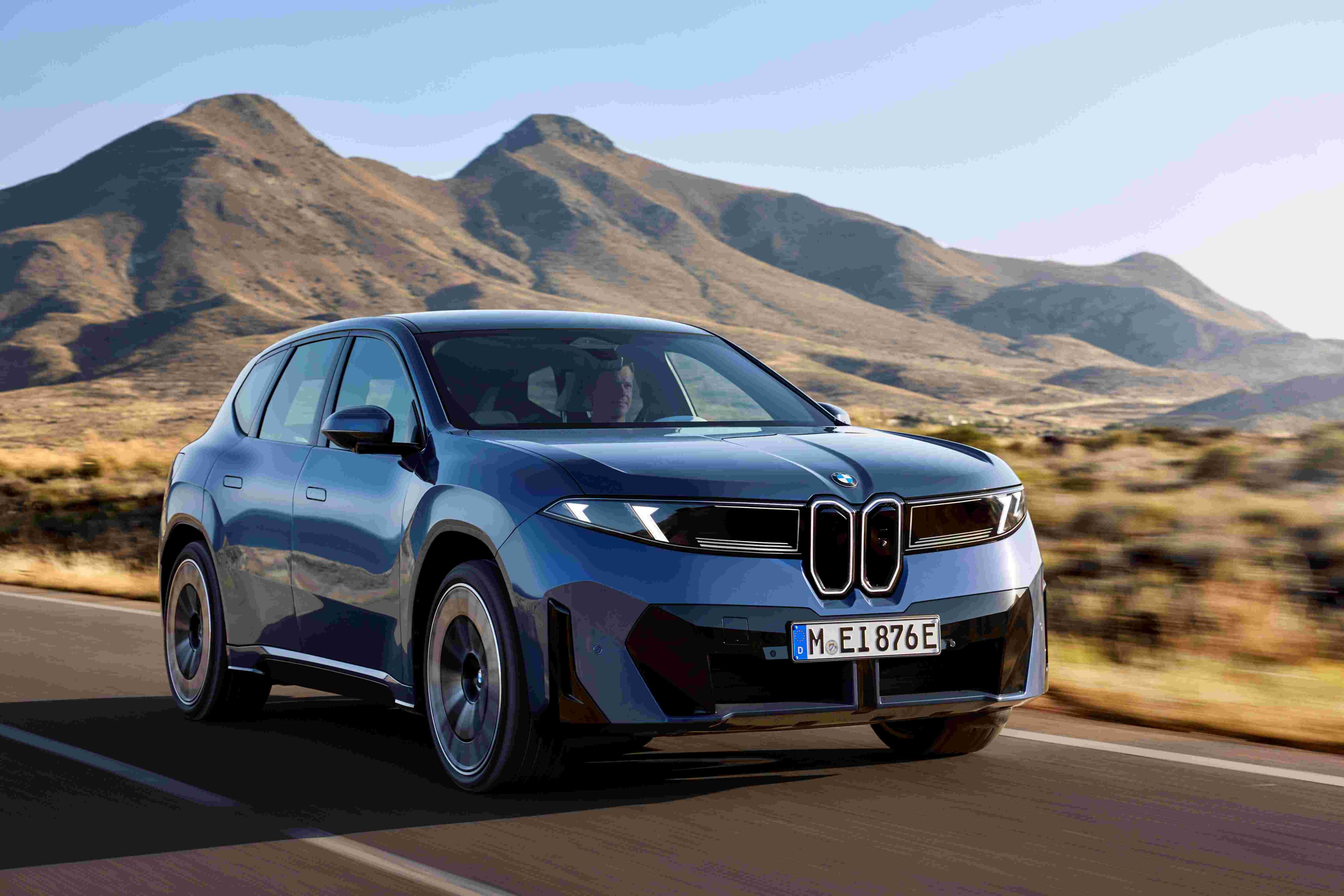
Ultimately, all this factory innovation serves one purpose: to build a better car. The technologies at the heart of the Neue Klasse are a direct result of this advanced manufacturing ecosystem.
- Panoramic Vision: This all-new display was a “technological challenge” but resulted in an “enormously impressive way of presenting data”. It uses advanced reflection technology to project a crisp, bright image that appears to float in the depth of the windscreen, a feature that will be rolled out across all brands.
- Cooperative Driving: The driver assistance system is designed not to overrule you, but to support you. It creates a “synergy in between both” the driver and the car, an intelligence that helps without taking away responsibility.
- Advanced Drivetrain: New cylindrical battery cells offer high energy density, fast charging, and incredible resilience, enabling a range of 800 kilometres and more. The electric motor itself is a breakthrough—a synchronized motor without permanent magnets, meaning no rare earth materials are used. The biggest benefit for the driver is that it can “maintain the momentum… even at high speed,” delivering that signature BMW driving feel where other EVs can lose power.
These core innovations are not exclusive to one model. They form a technological toolkit that will be deployed across the BMW portfolio, including future combustion engine and plug-in hybrid models, ensuring the revolution started at Debrecen will be felt by drivers everywhere.