Skoda has the most adorable scientific breakthrough, it turns out your four-legged friend has been silently judging your petrol-guzzling chariot all along. A groundbreaking study has revealed that dogs aren’t just man’s best friend – they’re also electric vehicles’ biggest fans.
The Science Behind the Snooze
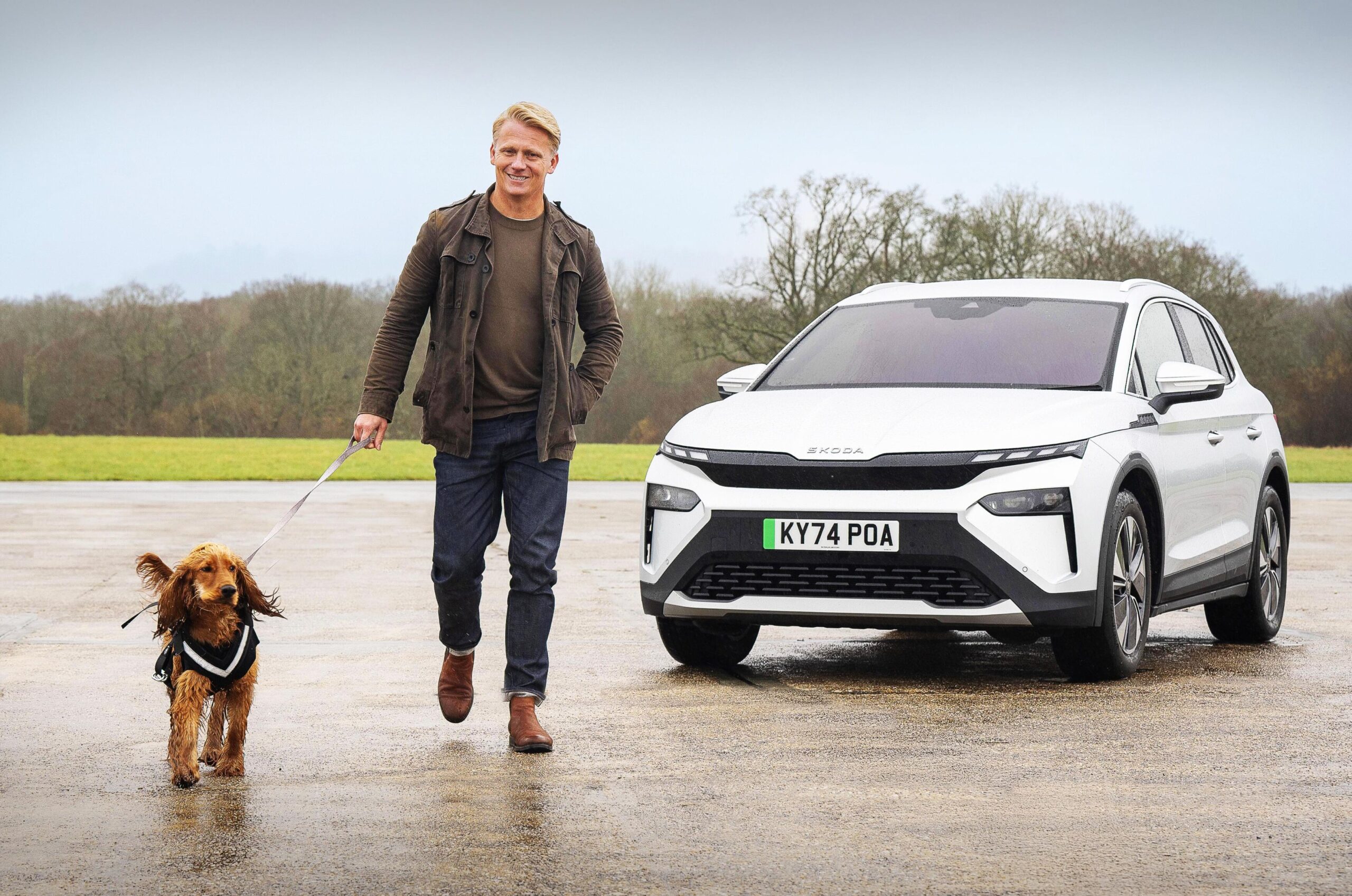
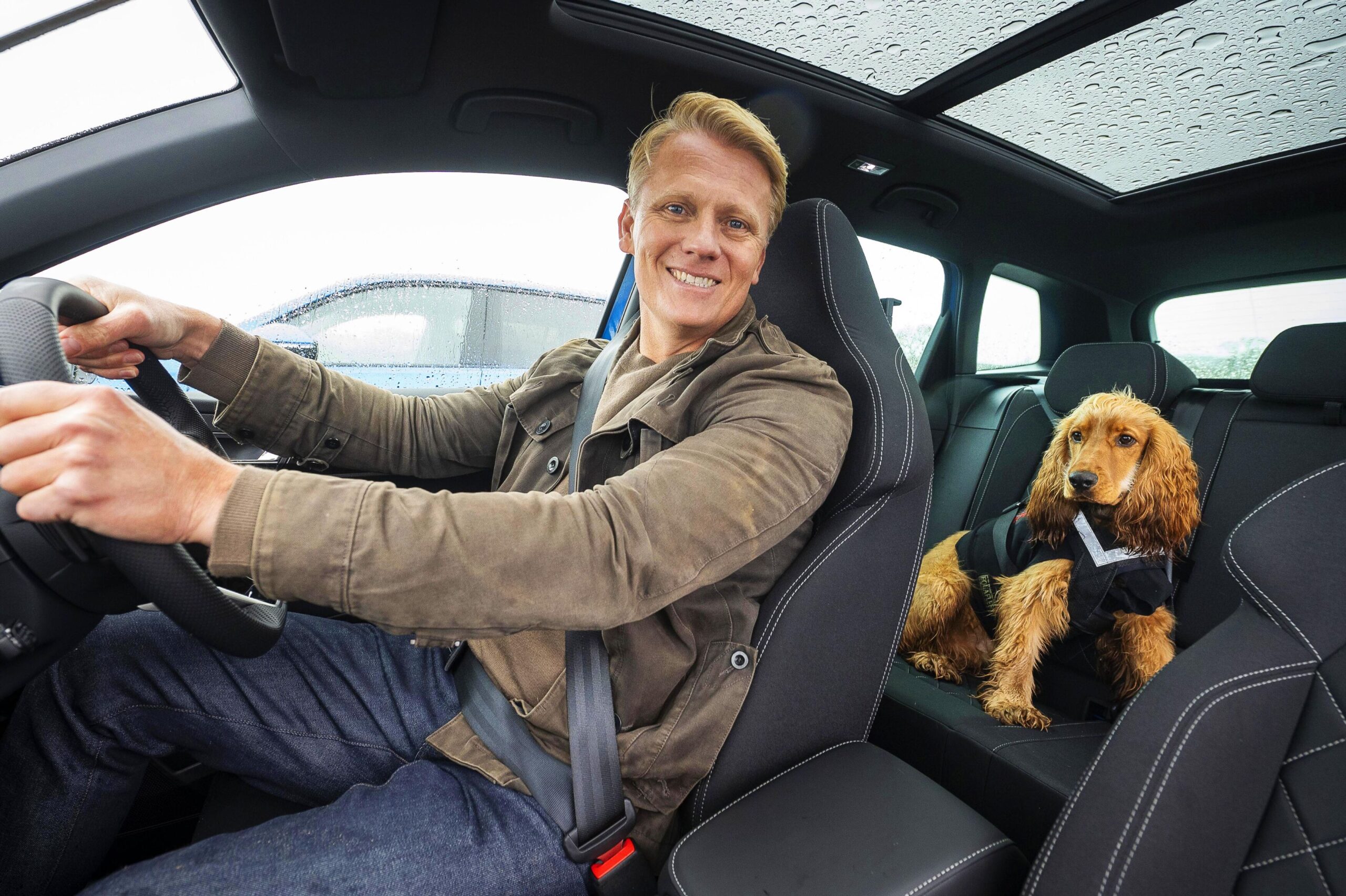
If you’ve ever wondered why Fido seems particularly anxious during car trips, it might not be your driving skills after all (though no promises there). A fascinating new study conducted by Veterinary Surgeon and This Morning’s resident vet, Dr Scott Miller, in collaboration with Škoda, has uncovered that dogs are significantly more relaxed when traveling in electric vehicles compared to their fossil-fueled counterparts.
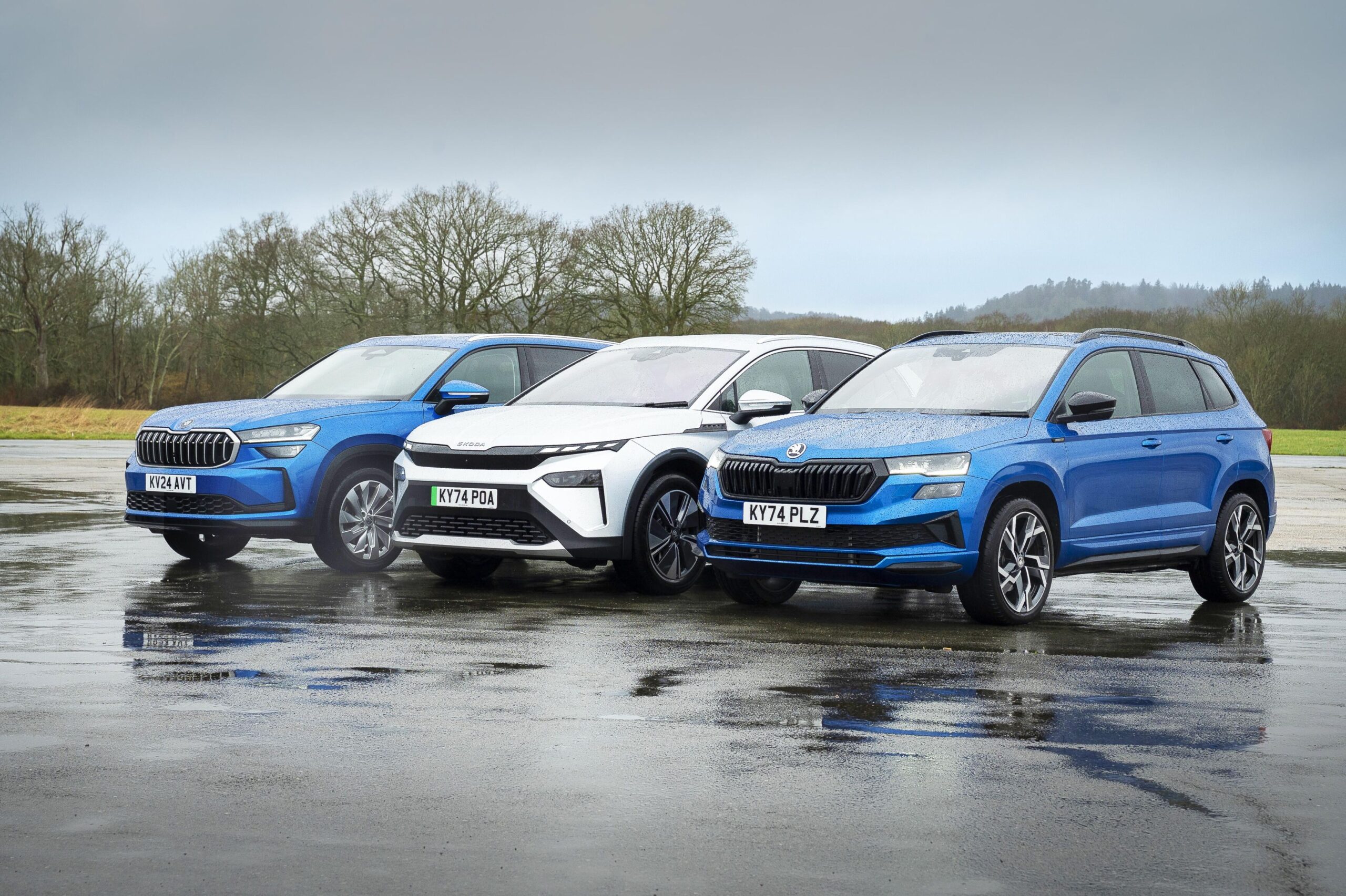
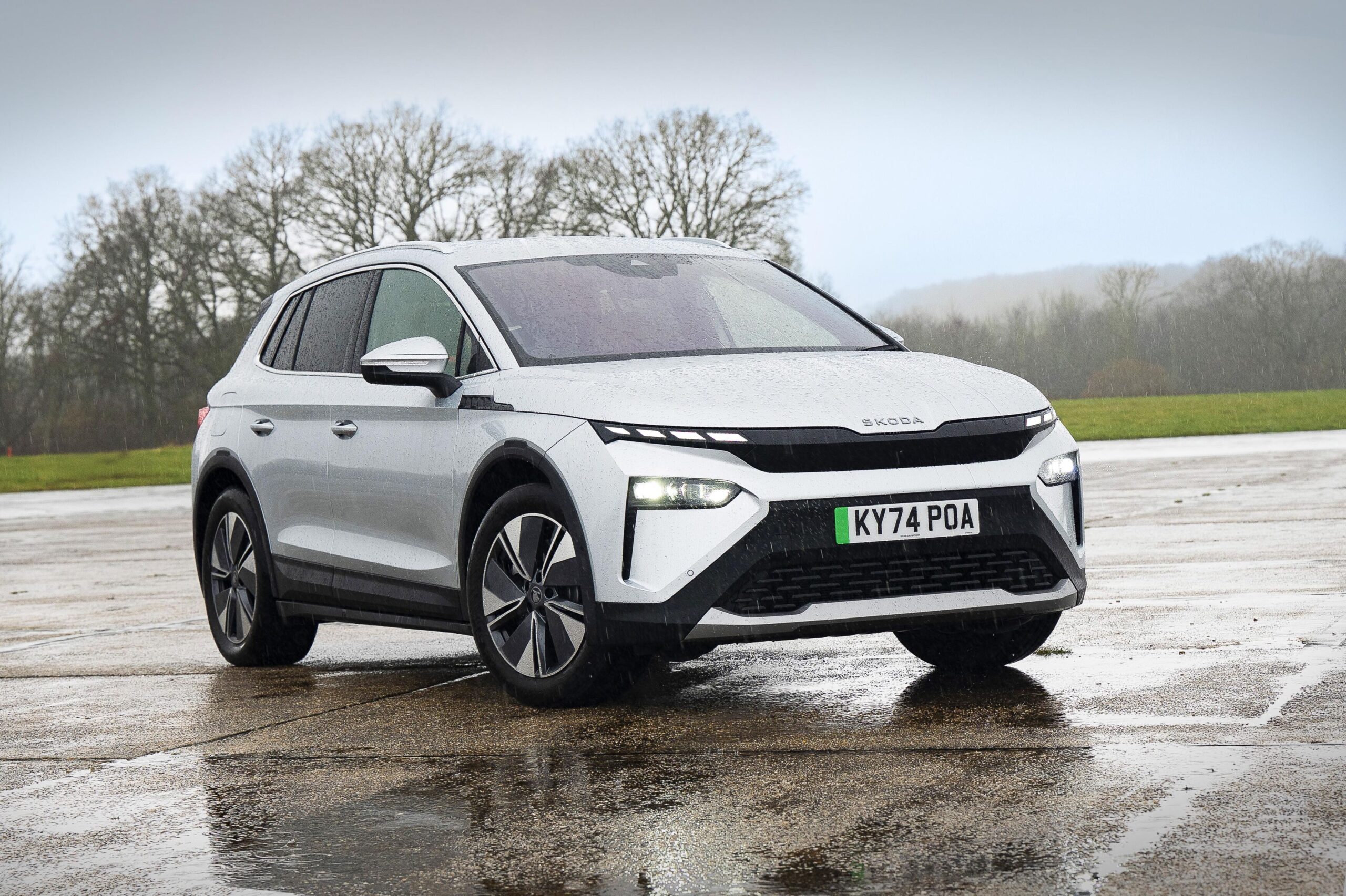
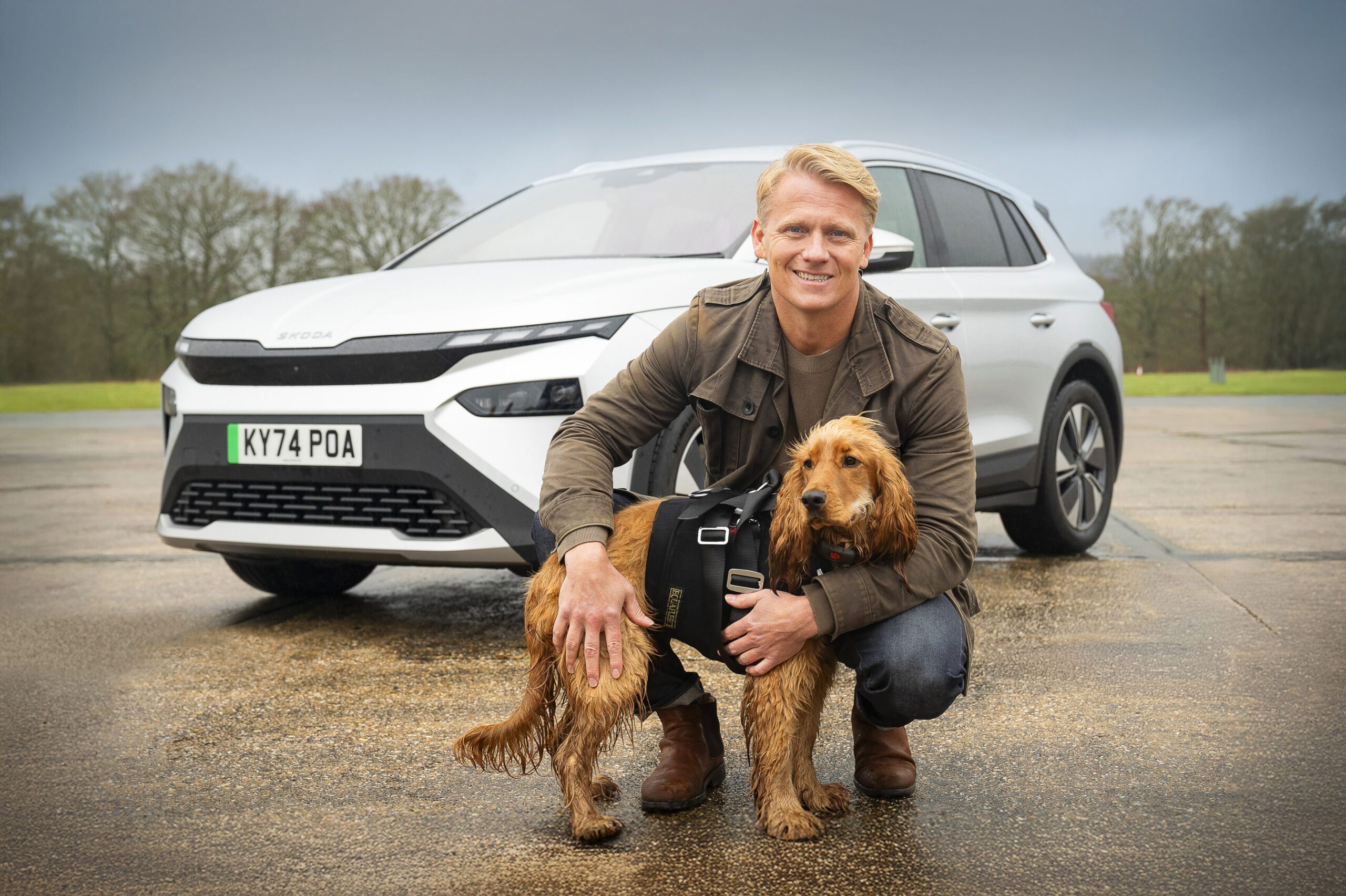
The research involved monitoring one-year-old Cocker Spaniel Mango’s heart rate while cruising at speeds up to 70 mph in three different Škoda models – electric, petrol, and diesel. The results? Let’s just say Mango was practically reviewing cars with his paws.
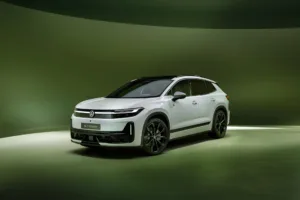
While Mango’s resting heart rate of 80 beats per minute (BPM) only increased to 100 BPM in Škoda’s new electric Elroq, his ticker jumped to a significantly more stressed 120 BPM in the petrol car and 125 BPM in the diesel. That’s the canine equivalent of the difference between a leisurely park stroll and spotting the neighborhood cat in your garden.
Napping on the Go: The Ultimate Review
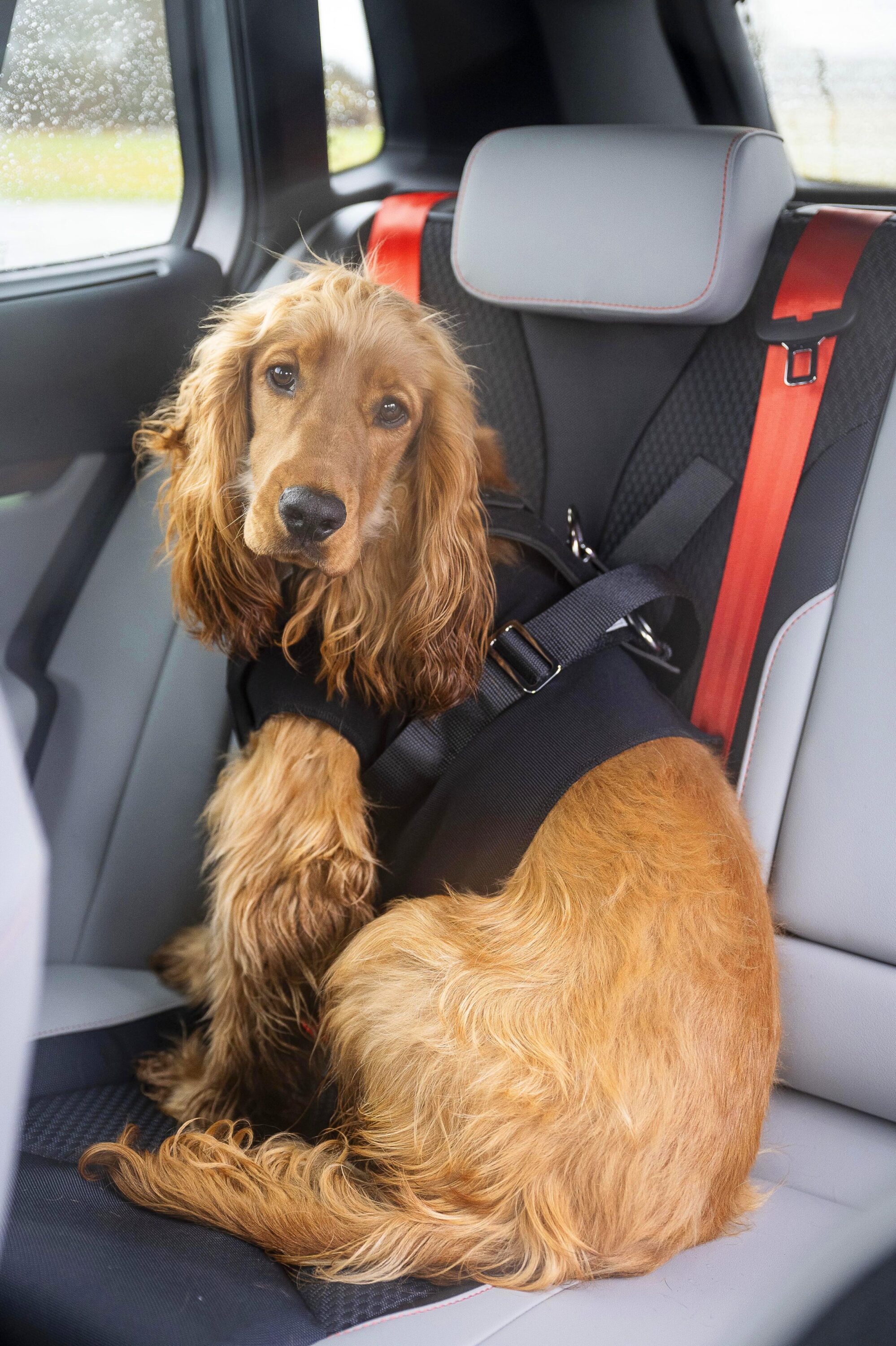
Perhaps most telling was Mango’s behavior during the drives. While being chauffeured in the Elroq, our four-legged automotive critic was so relaxed he actually lay down and nearly dozed off – the ultimate endorsement in dog language. Meanwhile, in the petrol and diesel vehicles, he appeared distracted and unsettled, likely contemplating how to update his PawTreon review account.
“The experiment clearly shows the health and psychological benefits of travelling in an EV for dogs,” commented Dr Miller. “The quiet mechanics, absence of gear changes, and the spacious interiors of electric cars create a soothing environment for dogs, ensuring a more relaxed and happy travel experience for our furry companions.”
A Ruff Time on the Road
The study comes at a perfect time, as a survey of 1,500 dog owners revealed that nearly a third (32%) worry about their pet’s anxiety during car journeys. Despite 53% of dog owners hitting the road with their pets at least once a week, more than half (54%) have actually avoided driving with their dogs completely due to stress concerns.
Dog Behaviourist and Expert Anna Webb, who previously collaborated with Škoda on a “Happy Hounds” playlist (yes, that’s a real thing), provided further insight: “Mango’s body language clearly showed his preference for travelling in an EV where he’s lying down on the back seat, relaxed, with soft semi-closed brown eyes. Whereas in the traditional fuel powered cars, he’s sitting bolt upright and tense.”
She added, “As dogs’ hearing is four times more acute than ours, they pick up on sound frequencies of the traditional engine noises that are inaudible to people. Similarly, the vibrations of the petrol and diesel cars can cause ‘motion sickness’, raising Mango’s heart rate by feeling nauseous.”
Not Ready to Go Electric? Here’s How to Keep Your Pup Calm
For those not quite ready to make the EV leap (or whose dogs haven’t yet staged a formal protest), Anna Webb shared these essential tips for keeping your canine companion calm in any vehicle:
- Safety First: Use a pet carrier, crate, or dog seat-belt harness. It’s not just for your dog’s comfort – it’s required by law under Highway Code rule 57. Your wallet will thank you for avoiding that potential £5,000 fine – oddly There are no laws requiring people to restrain dogs within cars in NZ.
- Recognise Stress Signals: Watch for barking, whining, drooling, panting, or paw-chewing. If you notice these signs, take a break and consider shorter journeys.
- Start Small: Begin with short trips and gradually increase duration, making each journey positive. Your dog’s equivalent of “are we there yet?” comes in the form of anxious behaviors.
- Create Good Vibes: Associate car rides with positive experiences. Try playing calming music or the specially designed “Happy Hounds” playlist on Spotify.
- Listen Up: Pay attention to vocalisation like whining, howling, or heavy panting. These are your dog’s way of saying “this isn’t working for me.”
- Keep it Quiet: Remember your dog’s superior hearing when considering engine noise and radio volume. What’s background noise to you might be a cacophony to them.
- Fresh Air: Ensure proper ventilation, as dogs are particularly sensitive to smells and motion sickness.
- Zen Mode: Stay calm yourself – dogs can literally smell your stress, and it affects them. Deep breaths for everyone!
- Temperature Control: Keep the car under 20 degrees Celsius and always carry water. Dogs run hotter than humans, so what feels comfortable to you might be too warm for them.
- Strategic Planning: Travel during off-peak hours and plan for regular breaks so your pup can stretch, hydrate, and receive some positive attention.
The Future is Electric (and Extremely Comfortable for Dogs)
With 41% of dog owners saying they would factor their hound’s comfort into choosing their next car, and nearly a third (31%) believing EVs offer a quieter, comfier ride, it seems the future of family car shopping might increasingly involve a paw of approval.
The study marks Škoda’s continued sponsorship of Crufts 2025, the world’s largest dog show, and was conducted at the former Top Gear test track in Surrey. A fitting venue for what might be the most important automotive review ever conducted by a Cocker Spaniel.
So next time you’re car shopping and your dog seems particularly interested in that shiny new EV, perhaps it’s worth listening. After all, they might just be looking out for their own comfort – and your sanity on those long road trips. The future of motoring is electric, quiet, and apparently, extremely dog-approved.