Crash Avoidance Systems or Advanced driver assistance systems (ADAS) have long carried a reputation for inflating repair bills. Sensors, cameras, and radar units are expensive to replace and often require specialist calibration. But a new analysis from the Insurance Institute for Highway Safety (IIHS) argues that framing misses the bigger picture entirely.
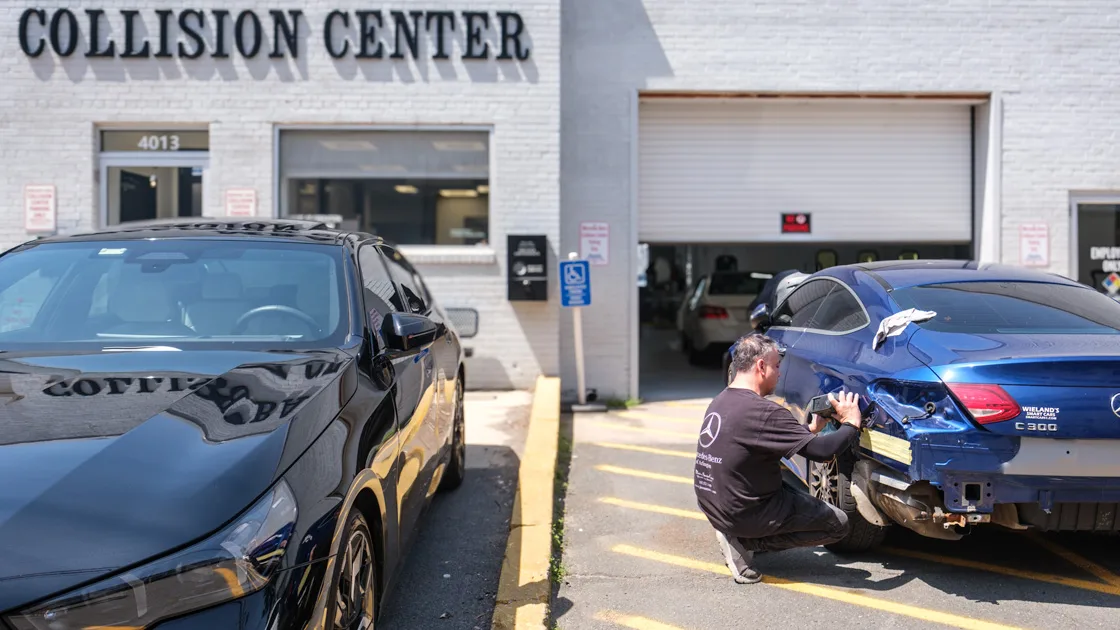
The core finding is straightforward – crash avoidance system technology prevents enough collisions to more than offset its higher per-incident repair cost. The result, on balance, is a net saving for drivers.
Why Repair Costs Look Higher Than They Are
Vehicle repair prices in the United States have risen more than 40 per cent since 2020, well ahead of general inflation. Crash avoidance system sensors frequently take the blame, but the IIHS points to a range of contributing factors.
SUVs and pickups now dominate new-vehicle sales, and larger vehicles cause more damage in a collision. Features once reserved for premium models (power seats, elaborate infotainment, all-wheel drive) are now standard across the market. More than half of new vehicles carry turbocharged, hybrid, or fully electric powertrains, all of which require specialist knowledge to repair.
Sensors are part of the story, but only part. When a crash does occur, a vehicle fitted with automatic emergency braking or blind spot detection will cost more to repair than an identical unequipped model, roughly 10 per cent more under collision coverage, according to IIHS data covering 2017–22 model years. Property damage liability claims, which cover damage to the other vehicle, ran about 15 per cent higher for equipped cars. That figure, notably, cannot be explained by sensor replacement costs alone.
The Maths Behind the Saving
Here is where the analysis becomes more interesting. That higher property damage liability severity has nothing to do with sensors on the car that was hit. What it reflects is a statistical shift in the type of crashes that remain after the technology does its job.
Crash avoidance systems are particularly effective at preventing low-speed incidents, the everyday fender-benders that make up the bulk of claims. Remove those from the pool, and the crashes that do happen tend to be more severe on average, pushing the mean claim cost upward. The average looks worse even as the overall situation improves.
Claim frequency tells the clearer story. For the same group of 2017–22 vehicles, equipped models filed collision claims roughly 10 per cent less often, and property damage liability claims nearly 40 per cent less often. Multiply frequency by severity to get total losses, and the picture shifts decisively: overall collision losses were about 5 per cent lower for equipped vehicles, and property damage liability losses were almost 30 per cent lower.
What This Means for Drivers
Those figures represent real money. Every avoided crash is a deductible not paid, a hire car not needed, and time not lost dealing with an insurer. The IIHS is clear that drivers of equipped vehicles come out ahead on average, not just insurance companies.
The safety dimension matters at least as much. Injury claim frequencies fell substantially for vehicles carrying crash avoidance features, a reduction that no repair cost calculation can fully capture.
The broader point is that judging these systems by claim severity alone produces a misleading conclusion. A technology that prevents crashes will, almost by definition, leave a higher proportion of serious incidents in the remaining data. That is not a flaw in the system; it is evidence that it is working. As vehicles grow more complex and repair costs continue to rise, understanding that distinction will matter more, not less.