The automotive landscape is electrifying at a pace that’s hard to ignore, and GWM is pushing rising to the challenge. Enter the Haval H6 GT Plug-in Hybrid (PHEV), a vehicle that blends the in-your-face styling of a coupe-SUV with a powertrain that delivers both staggering performance and impressive efficiency. It’s a machine of bold claims and even bolder looks, but does this electrifying beast have the substance to back it up? Best we found out.
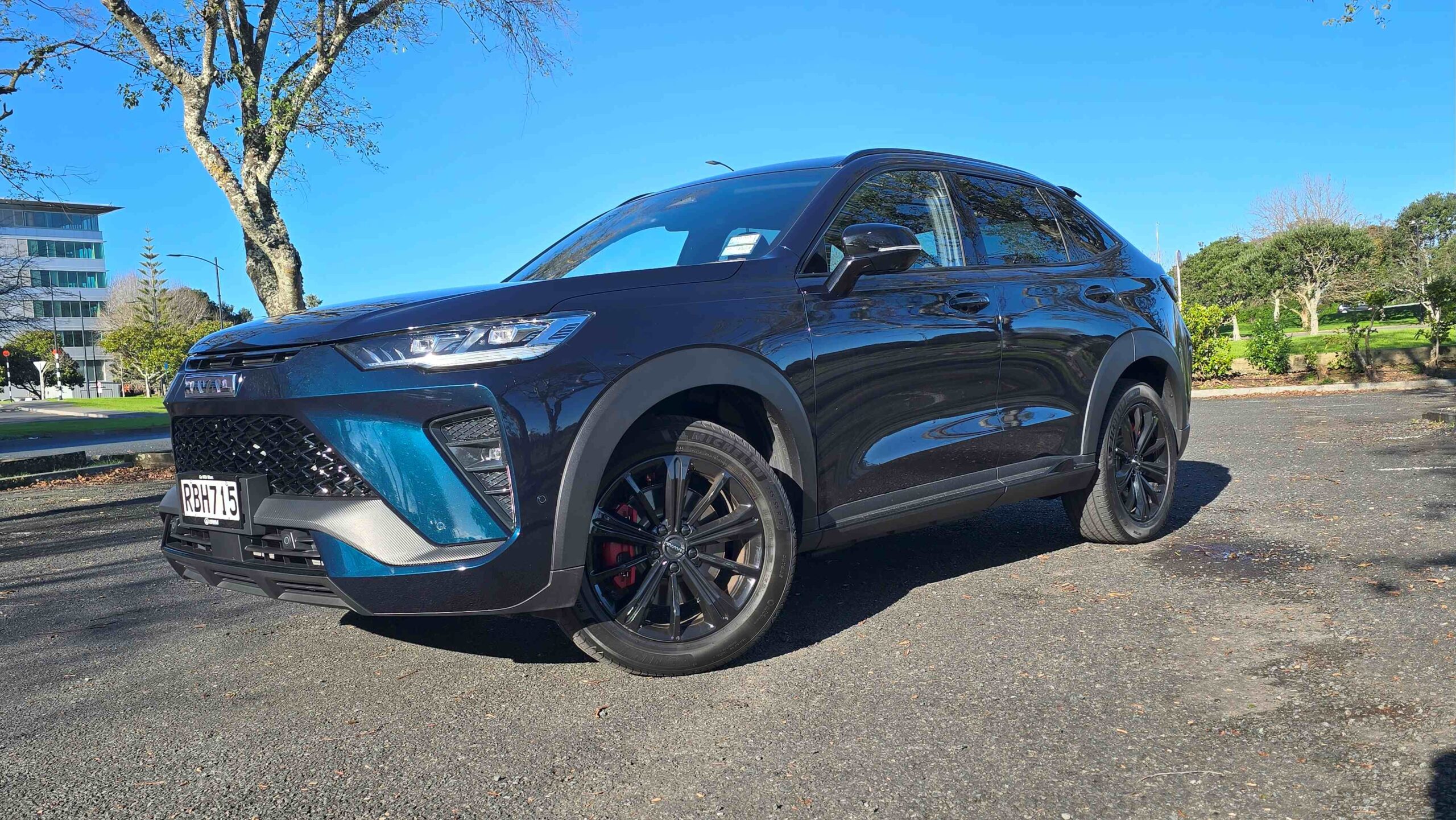
On paper, the H6 GT PHEV reads like a performance car wish list. The combined output from its 1.5L turbo petrol engine and dual electric motors is a massive 321 kW and a tarmac-rippling 762 Nm of torque. This grunt, channelled through a 4WD drivetrain, launches the sizable SUV from 0-100 km/h in a claimed 4.9 seconds, a figure that will make plenty of hot hatches nervous.
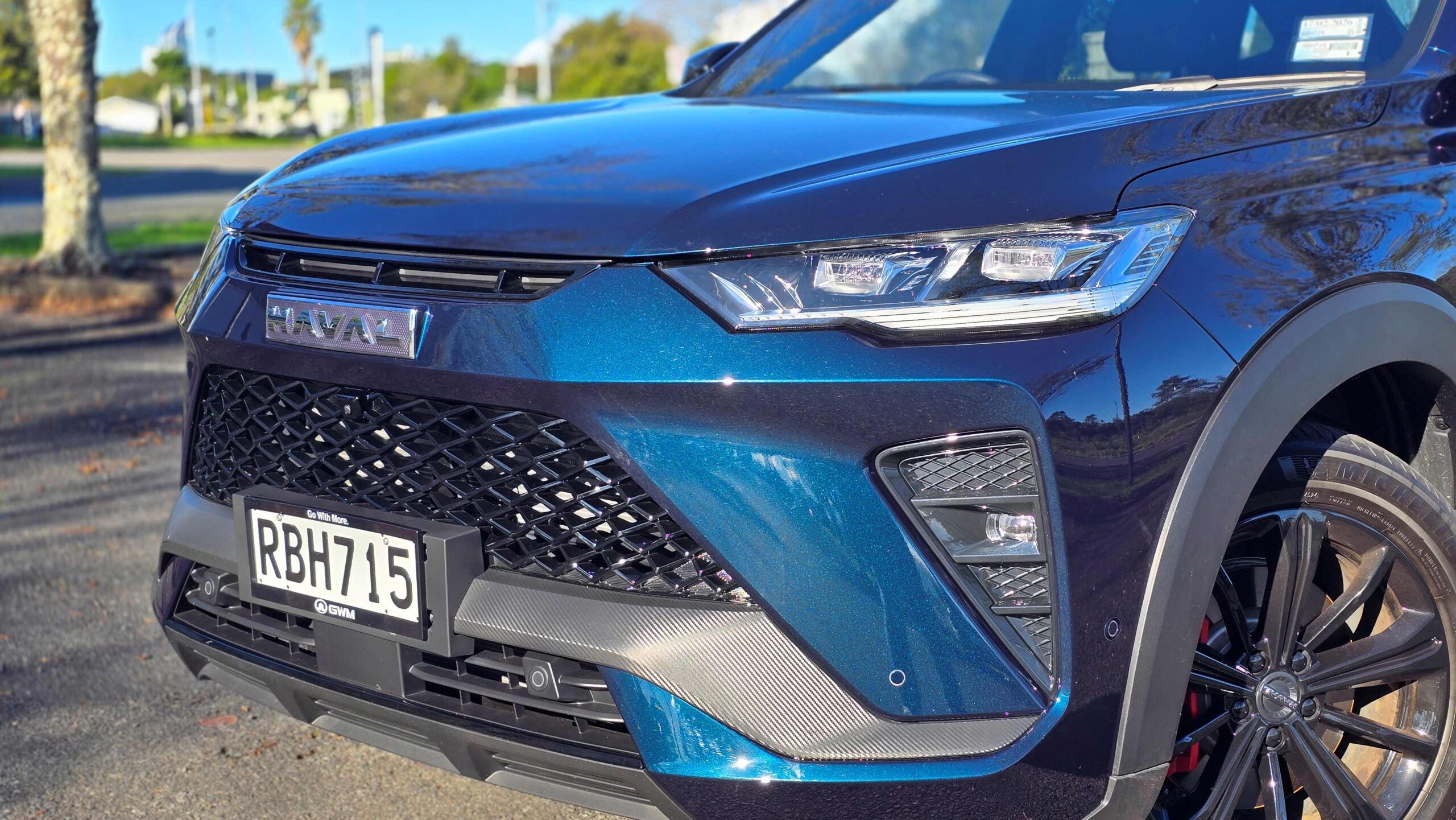
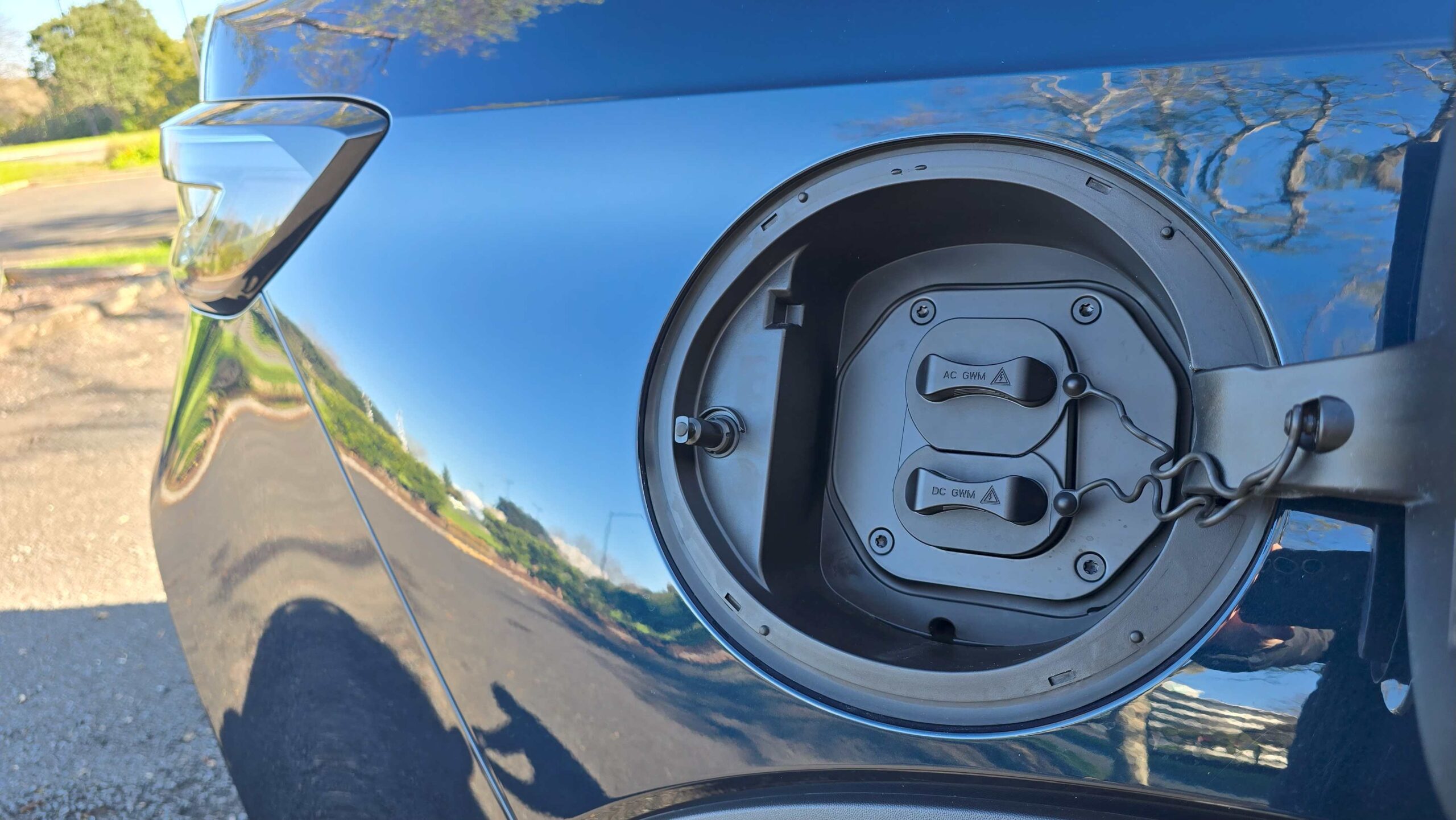
But the story isn’t just about raw power. GWM has equipped it with a generous 35.4 kWh battery, promising an incredible pure electric range of up to 180 km. While this figure is based on the more lenient NEDC testing cycle (a more realistic WLTP figure is still pending), it’s still a standout number that dwarfs many rivals, potentially covering the daily Kiwi commute for a week on a single charge. With a full 55L tank of petrol and a charged battery, the total combined range is estimated at over 1,000 km, making it a true go-anywhere family tourer.
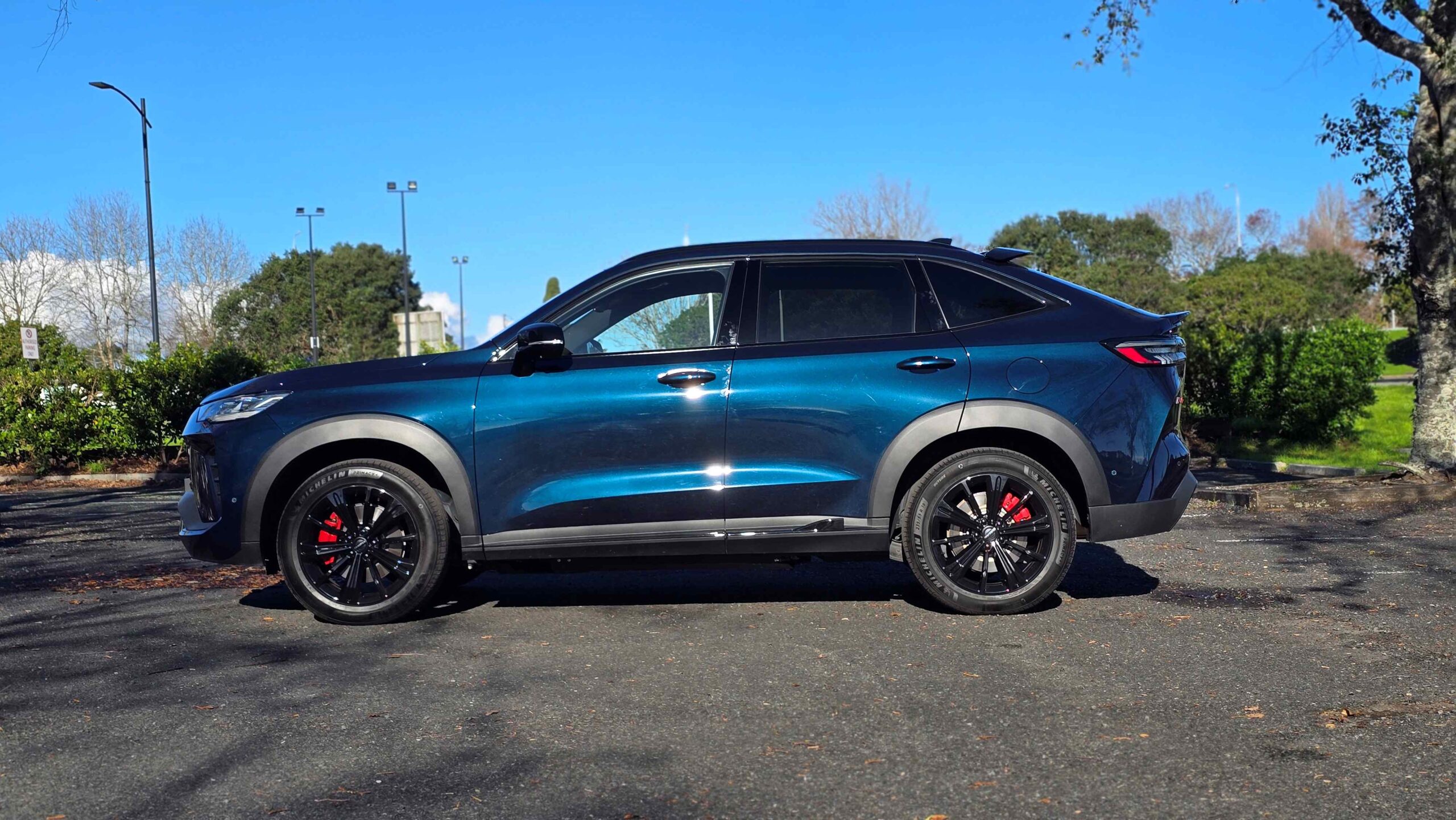
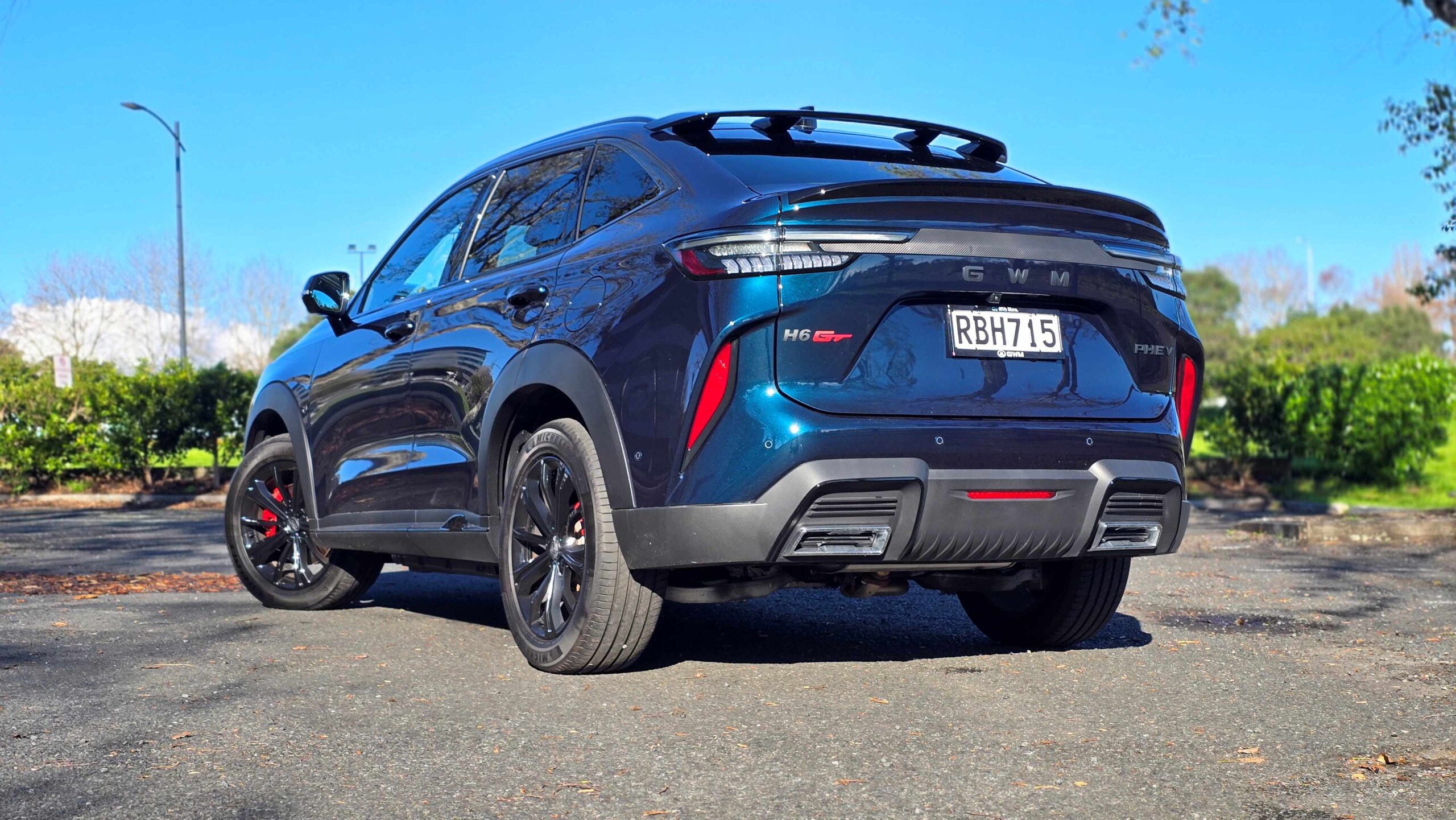
There’s no getting around the H6 GT’s design. It’s a coupe-style SUV, a trend that splits opinions right down the middle. Some will love its aggressive lines, sloping roof, and what one person has called its “ostentatious” presence (whatever that means). Others might find it a bit much, preferring the more traditional (and handsome) lines of the standard H6. Design is subjective, but I’m quite a fan. For the 2025 model, subtle tweaks like new badging and smoky, darkened taillights certainly add to the drama too.
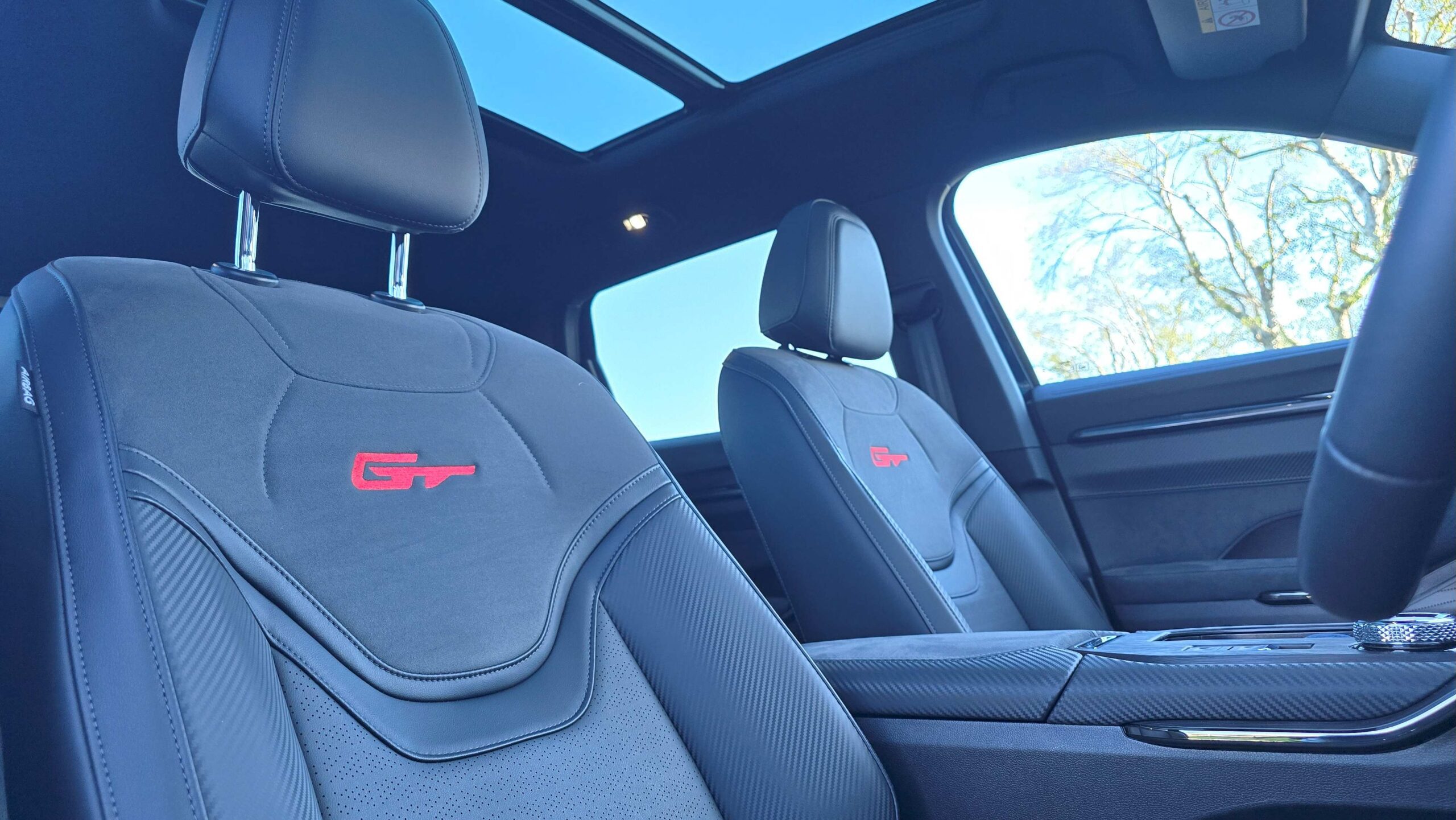
Step inside, and the cabin presents a style best described as fussy minimalism. You get clean elements like a cowl-less digital instrument cluster, but they’re set against a backdrop of many different lines and materials. It’s not class-leading, but with soft-touch surfaces, Comfort-Tek and red GT embossed suede seats, and a massive panoramic sunroof, it’s a sophisticated and comfortable place to be.
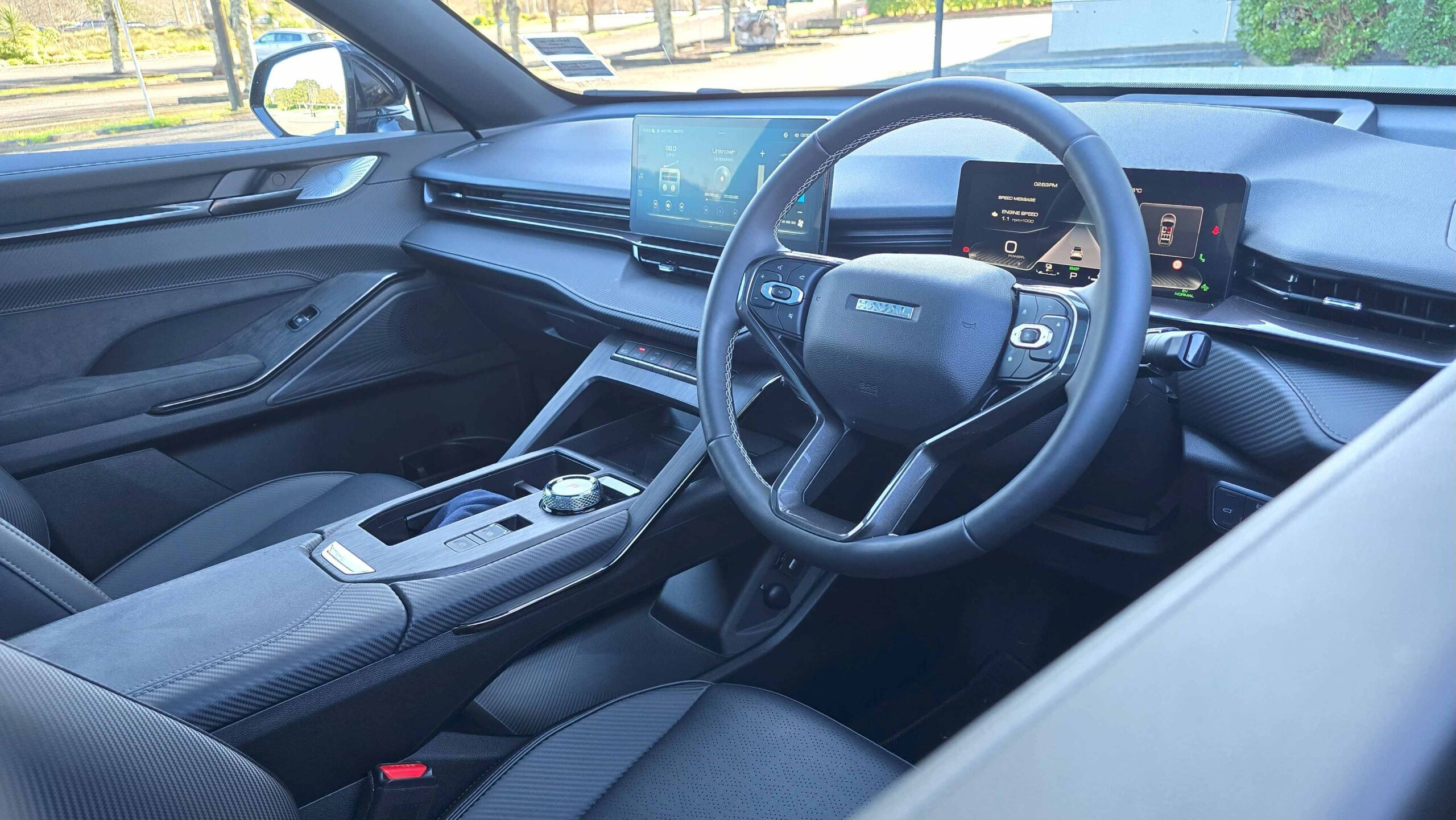
From a practical standpoint, it’s a mixed bag. Storage is a huge win, with deep door pockets that can swallow multiple bottles, a decent glove box, and a clever storage tray beneath the chunky centre console. However, that same console is wide enough that your knee might find it a regular companion, and the seats, while cushy, could use a bit more under-thigh support for longer trips. Tech is well-covered with a 12.3” infotainment screen, wireless phone charging, and Apple CarPlay/Android Auto, though the need to use a specific USB-A port for smartphone mirroring feels a bit clunky.

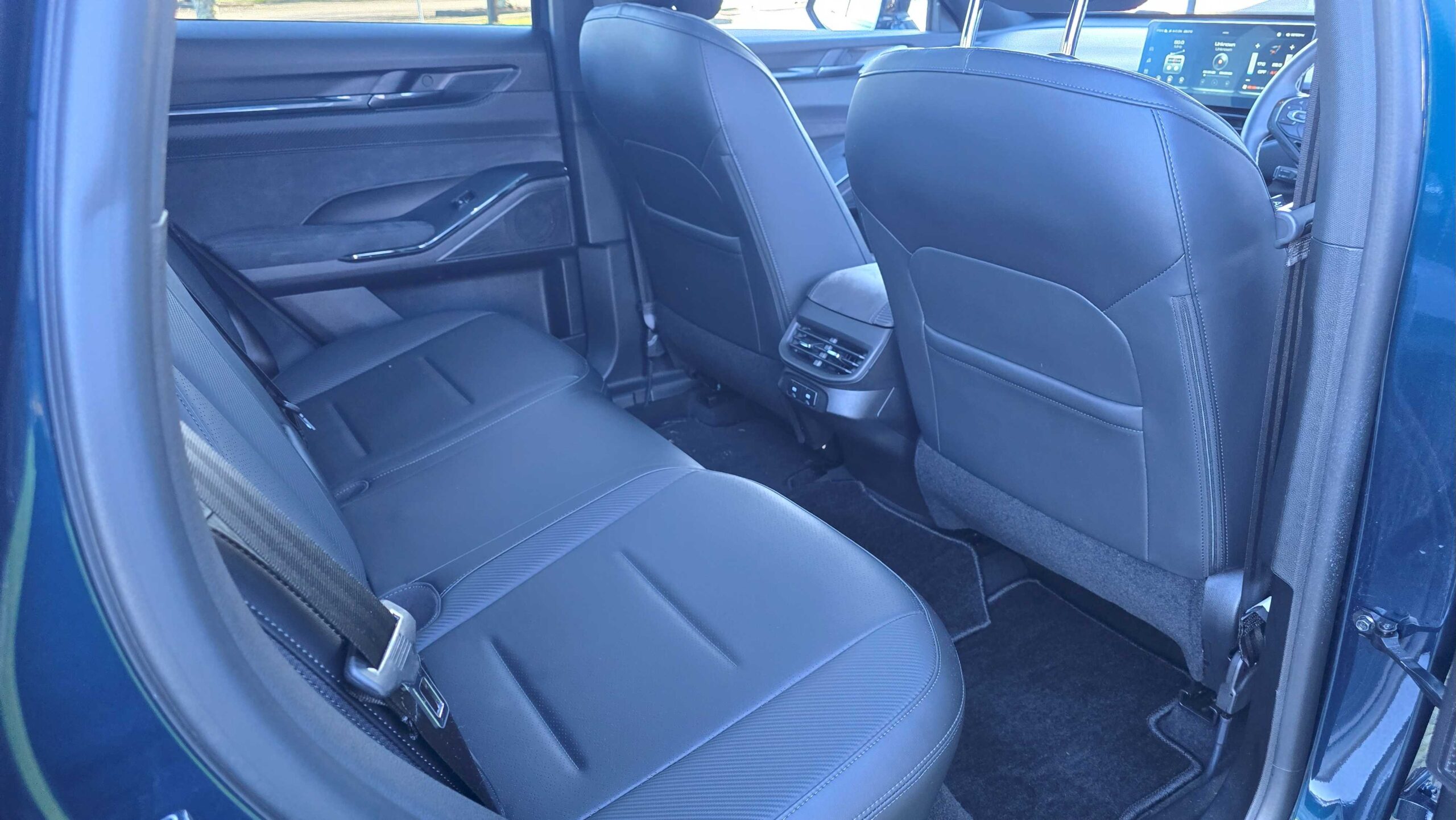
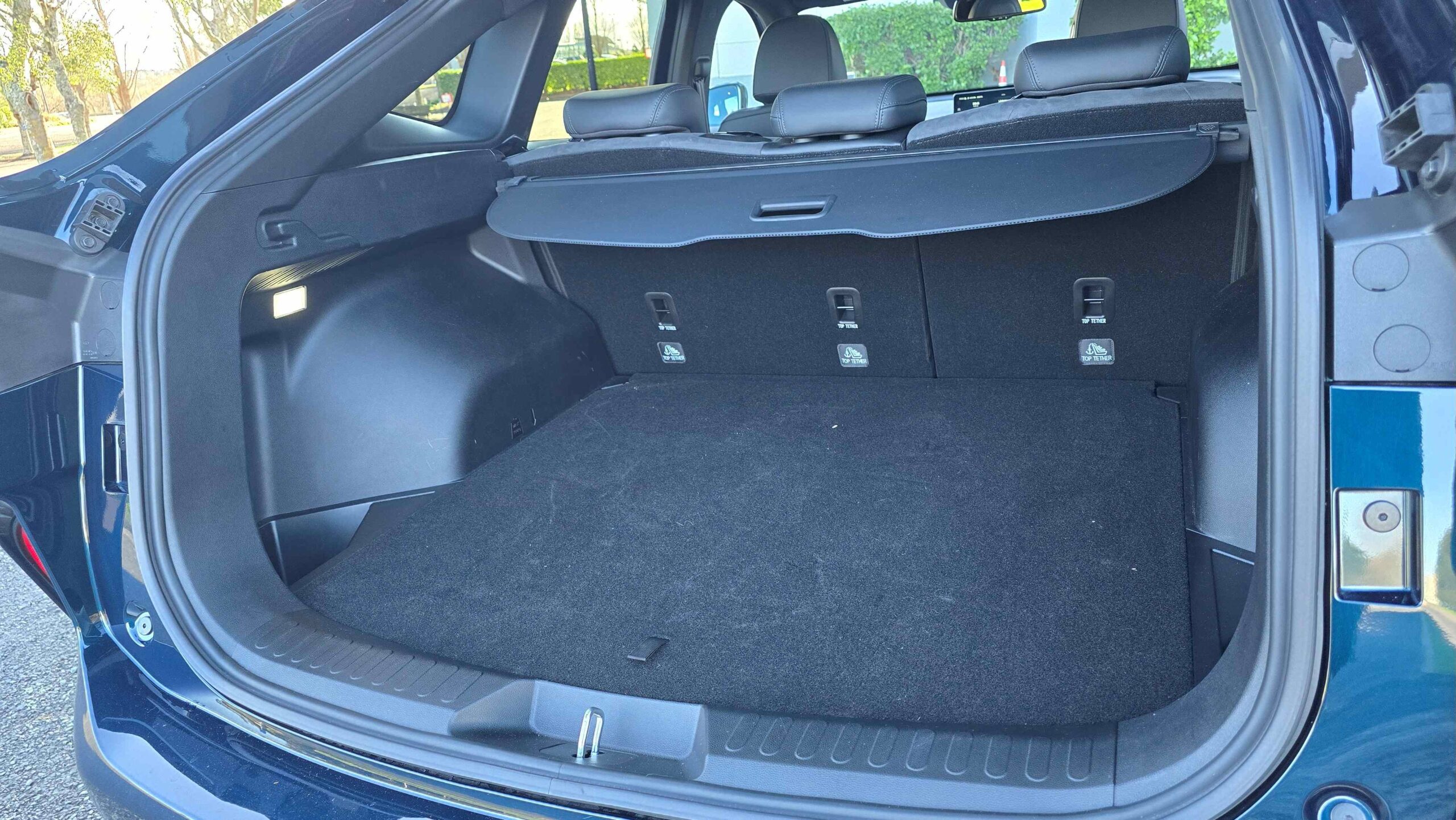
Impressively for a coupe-SUV, rear-seat passengers get a fantastic deal. There is heaps of knee room and, despite the sloping roofline, acres of headroom (but visibility is compromised). Add in rear air vents, USB ports, and comfortable seats, and you have a back row that kids and adults will be happy in. The boot is another surprise; the PHEV hasn’t lost any cargo space compared to its petrol sibling, a rare feat when housing large batteries. The only trade-off is the lack of a spare wheel, with only a tyre repair kit provided.
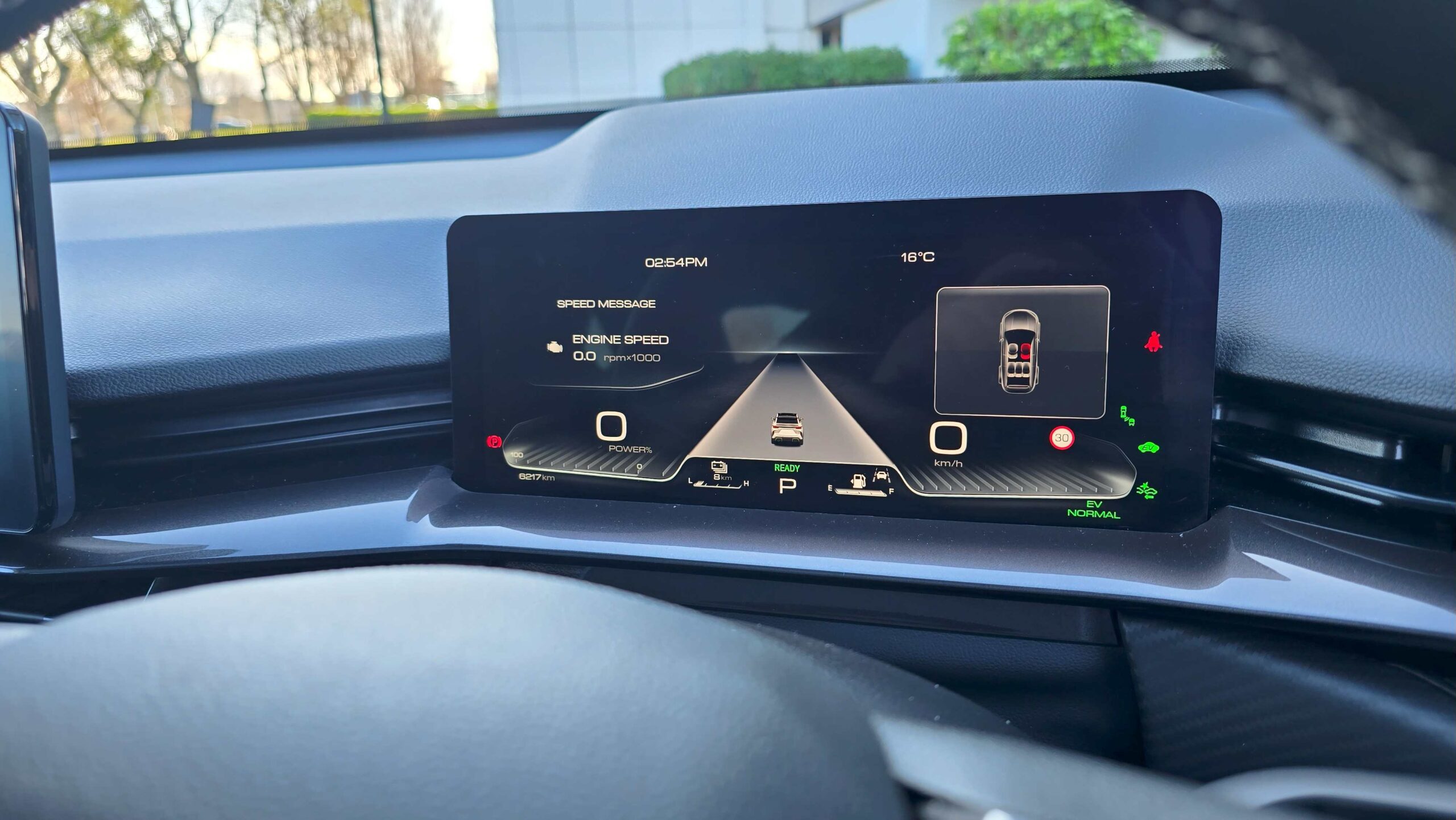
Then there’s the drive, this is where the PHEV powertrain truly transforms the H6 GT. Around town, it’s a silent, smooth, and refined operator, capable of running on pure electric power for impressively long distances. It’s quieter, smoother, and far more sophisticated than the petrol-only model.
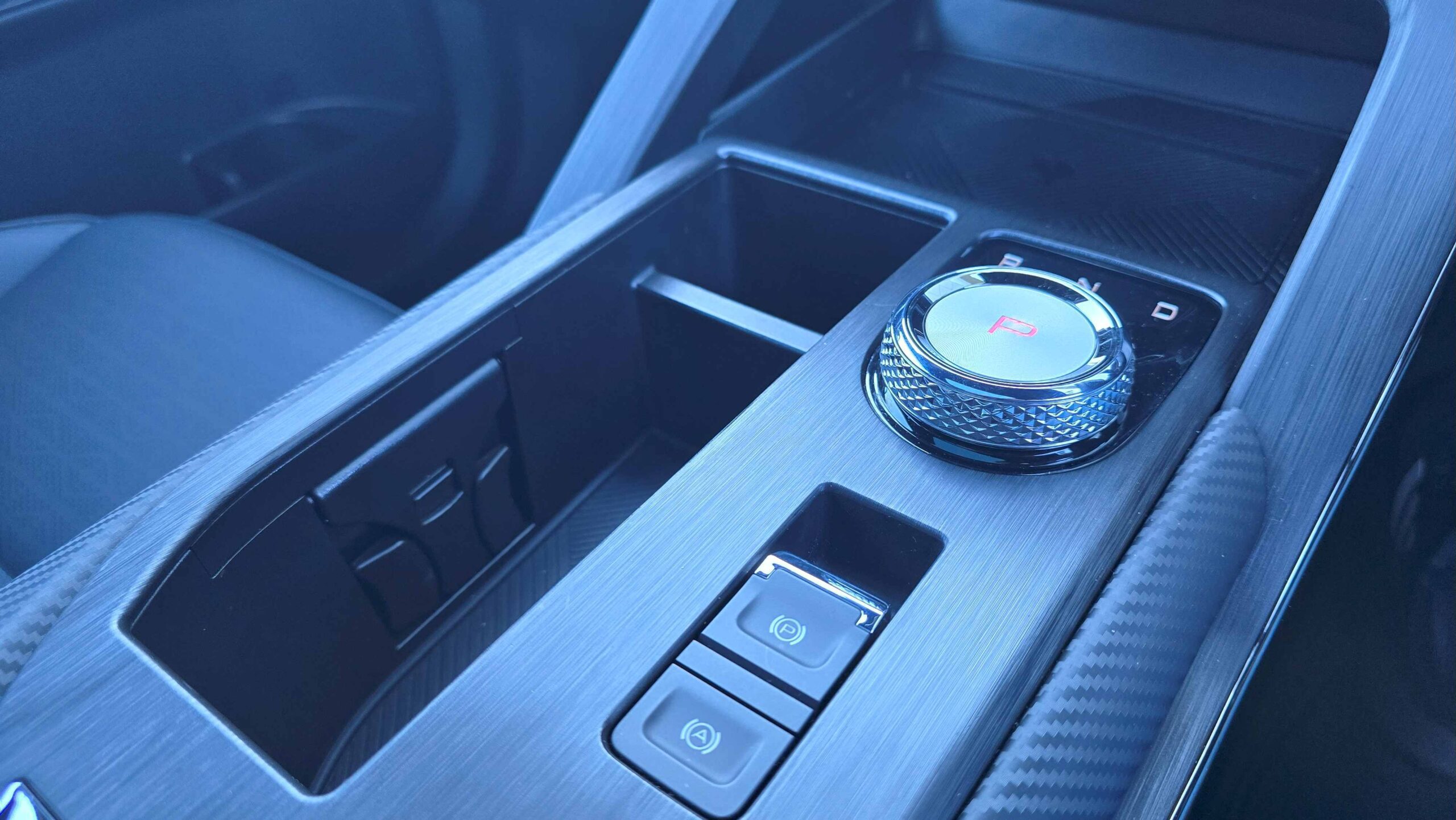
When you demand more, the combined power delivers that sub-five-second acceleration with authority. It’s very quick off the mark and pulls relentlessly. The driving experience does have its quirks, however. The steering wheel rim is pleasantly thin, but the central hub is mounted unusually high, making the classic “10 and 2” hand position feel a little awkward. The steering feel itself is light but sharp and can be adjusted in the settings.
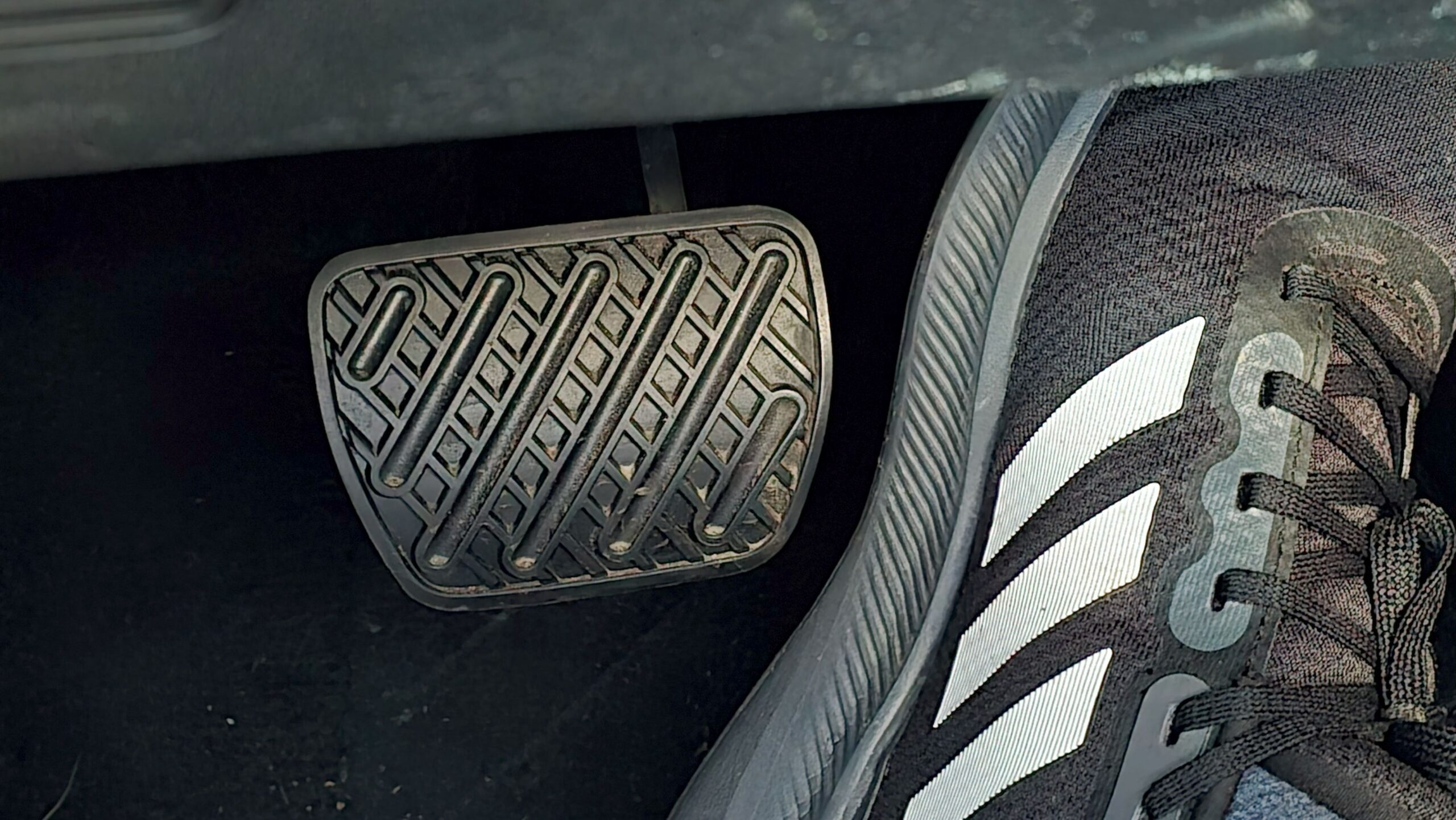
Then there’s the foot pedals. My feet are hardly what you’d call large or clowny (unlike the rest of me), but there is very little gap between the accelerator pedal and the brake, ideal for heel/toe but not great in an auto.
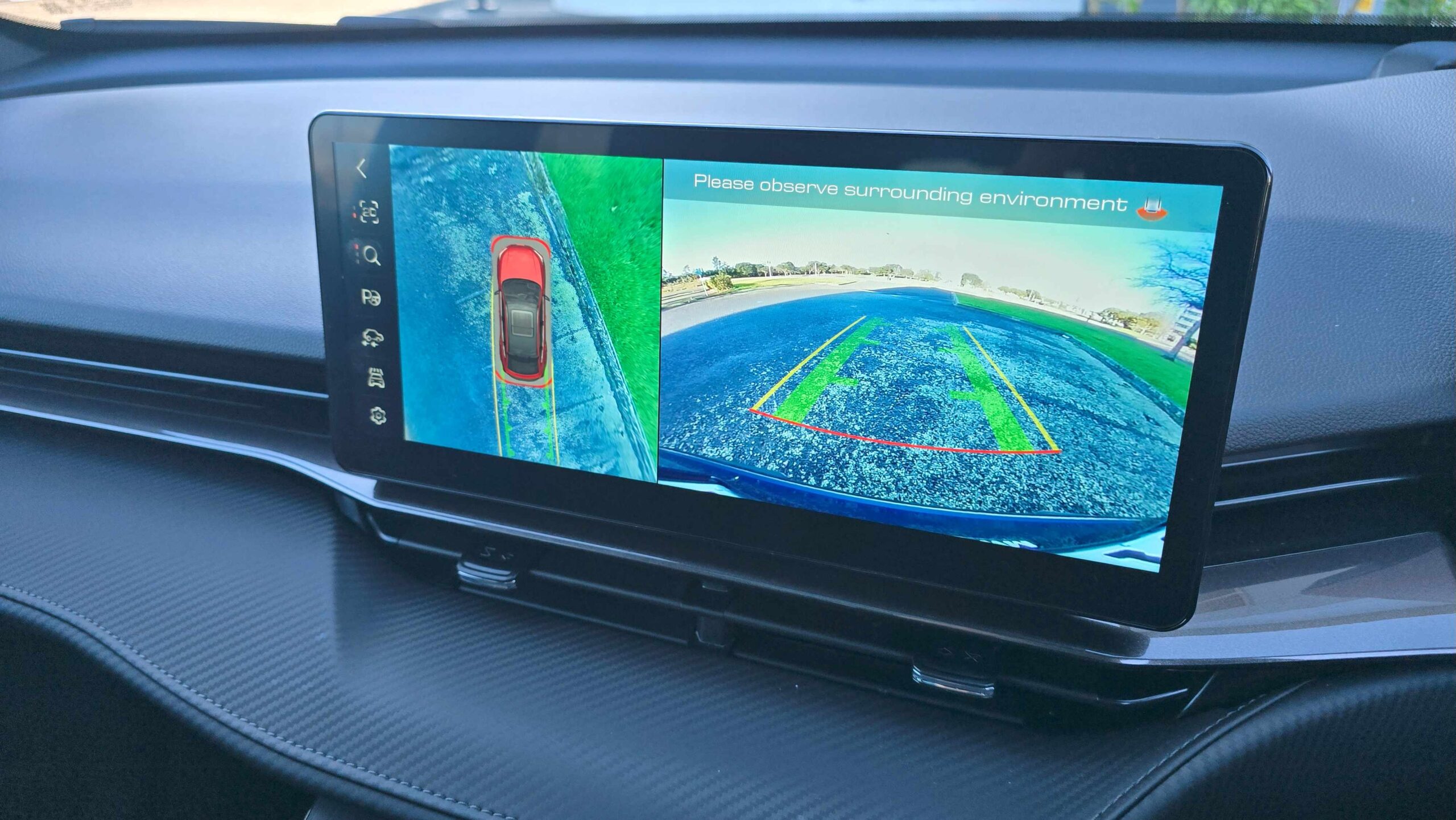
The ride is currently geared more for smooth highways than choppy backroads, and you do feel the bumps. But oddly I kind of want that type of ride in a GT.
In New Zealand, the Haval H6GT Ultra PHEV starts from $58,990 SRRP plus on-road costs, which is highly competitive for a plug-in hybrid with this level of performance and equipment. To sweeten the deal, GWM is offering a complimentary home charger with new purchases for a limited time, making the transition to electric driving even easier (installation costs are separate).
The ownership proposition is one of the strongest in the market. You get a 7-year, unlimited-km vehicle warranty, an 8-year warranty for the hybrid battery, and a 5-year roadside assistance plan. A 5-year capped-price servicing plan adds to the long-term peace of mind.
The addition of the plug-in hybrid powertrain has elevated the Haval H6 GT from a style-focused outlier to a seriously compelling all-rounder. It expertly balances blistering performance with the potential for incredibly low running costs, all wrapped in a practical, family-friendly package.
Yes, the styling will remain divisive, and the ride is firm, but these points do little to detract from the overall value equation. With a massive list of standard kit, a hugely spacious interior, and performance that embarrasses more expensive rivals, the H6 GT PHEV is more than just a pretty face. It’s a genuine and powerful rival to the likes of the Mitsubishi Outlander PHEV and BYD Seal U, proving that you can indeed have the best of both worlds.