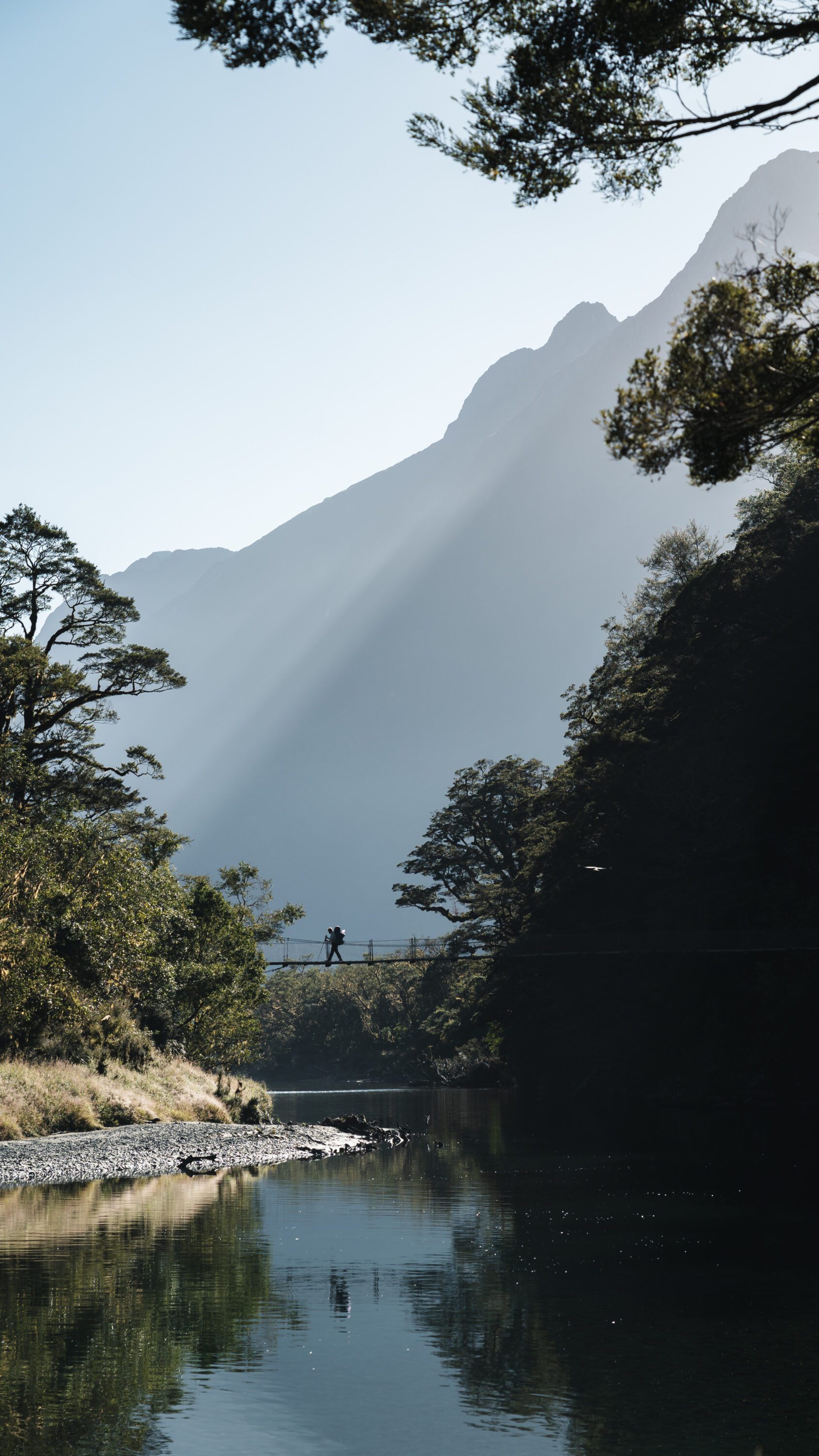
New Zealand is renowned for many things, but its natural beauty is definitely a podium finish. After moving here, it didn’t take long for my wife and me to start tackling the famed Great Walks, 11 trails managed by the Department of Conservation, each showcasing some of the most picturesque landscapes this country has to offer. These tracks are immaculately maintained, safe, and equipped with amenities to make them as enjoyable as they are challenging. Having completed a few already, the next one on our list was the Milford Track.
Widely considered one of the most beautiful multi-day hikes in New Zealand (and the world, depending on who you ask) the Milford Track comes with one challenge before you even set foot on it: booking a spot. Securing your place feels like scoring tickets to a sold out concert. But once the day finally came, we were ready. We flew down to Queenstown, spent the night in a budget-friendly hostel, and prepared for an early start the next morning.
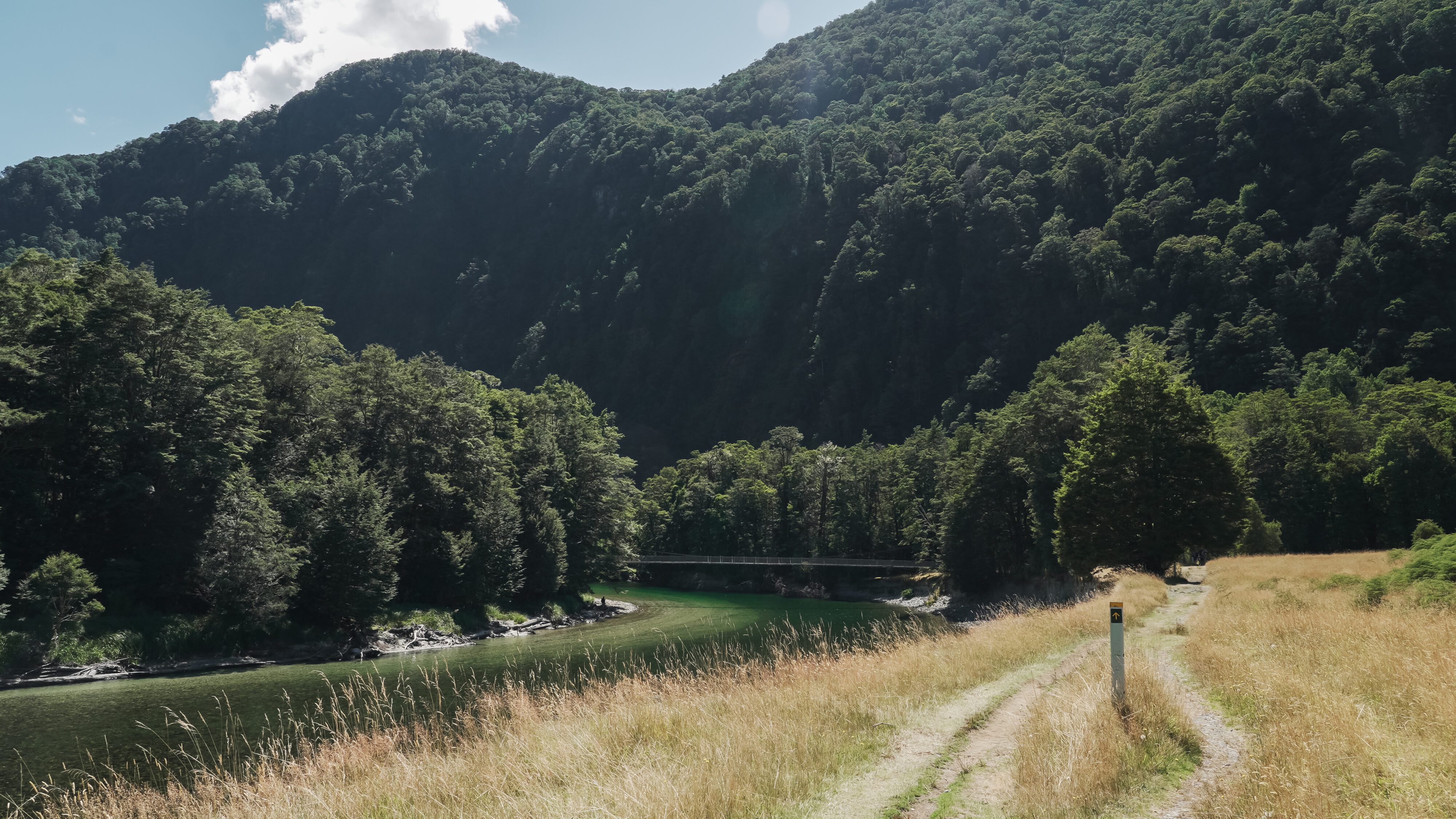
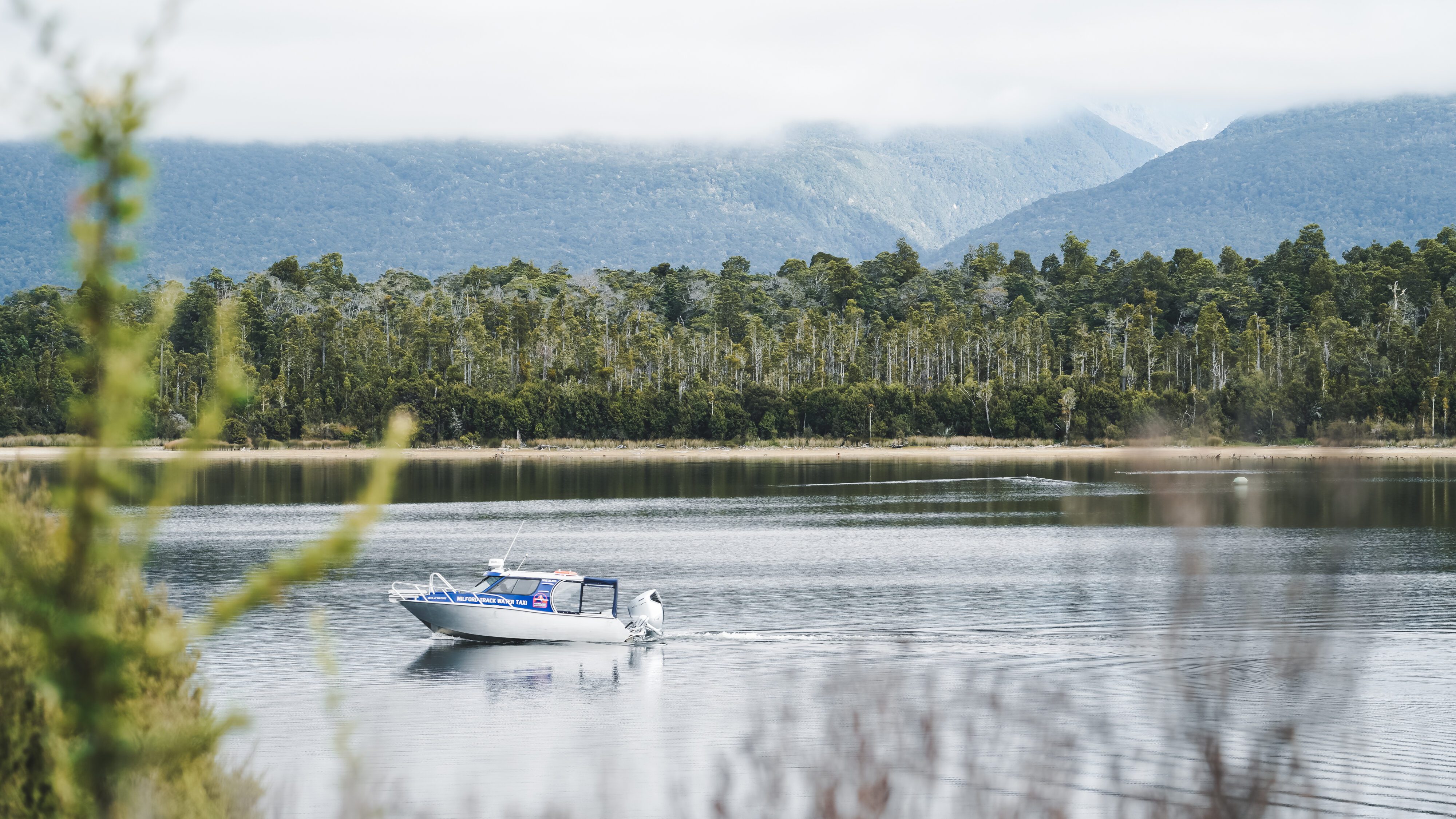
The track beings with an hour long water taxi ride through Lake Te Anau. But considering we were still in Queenstown when the day started, you can add a bus ride from Queenstown to Te Anau Downs before all that. From there, we boarded the vessel that carried us across the serene waters of Lake Te Anau and into Fiordland National Park. As we approached the starting point of the track, the beauty of the surrounding scenery gave us a taste of what was to come. The first day’s hike is short (just 5 km to Clinton Hut, the first of three) but it’s more of a warm-up, allowing you to ease into the lush, bird-song-filled forests that define this section of the track.

Day two takes you deeper into the wilderness, with the goal of reaching the new Mintaro Hut, situated at the base of the Mackinnon Pass. The old Mintaro Hut, which was situated before the start of the climb, was retired a few years ago due to the ever-changing circumstances of this wild terrain. During the ranger talk the night before, we were advised to climb the Pass that same evening if we had enough time and energy. Morning cloud cover often obscures the views from this alpine vantage point, so this seemed like sound advice, especially for photography enthusiasts like us. The climb was intense, especially in a rushed pace and after an already long day, but leaving our packs behind at the hut made it more manageable. We were rewarded with clear skies and jaw-dropping vistas at the top, making every step worth it.
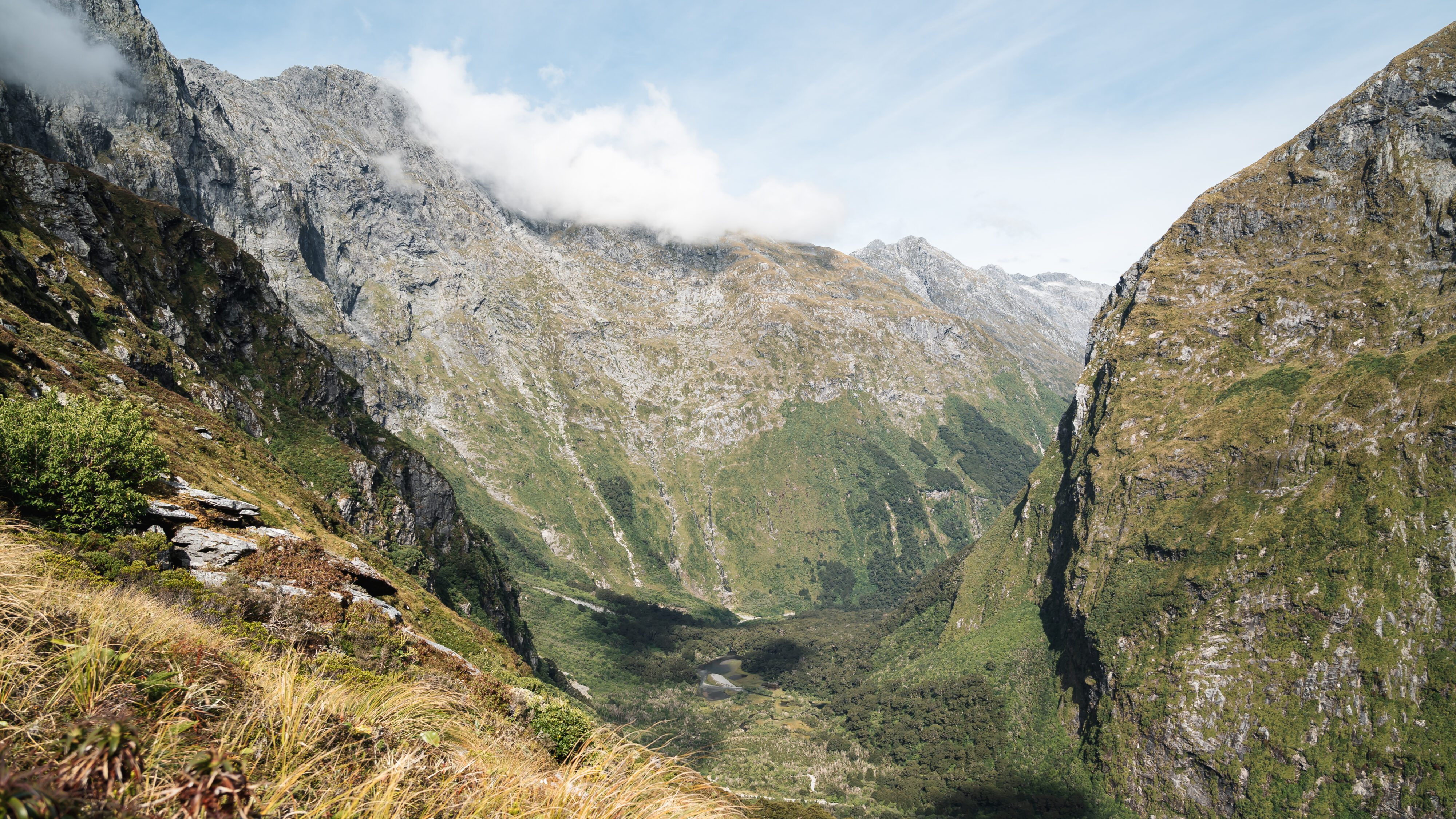
The third day (the longest and most demanding) started with retracing our steps up the Mackinnon Pass. Sure enough, the morning fog hung heavily over the valleys, confirming that climbing the evening before had been the right call. At the top, the monument to Quintin Mackinnon stands as a tribute to the explorer who first blazed this trail. Some of the people that didn’t climb the pass the evening before missed on the views from the valleys, but in an effort to ensure we got all shots we wanted, we stood behind at the peak of the track for some 1.5 hour to wait for the warmest light to clear the clouds. The views were, once again, worth the wait, but we were now pushing our luck with the time.
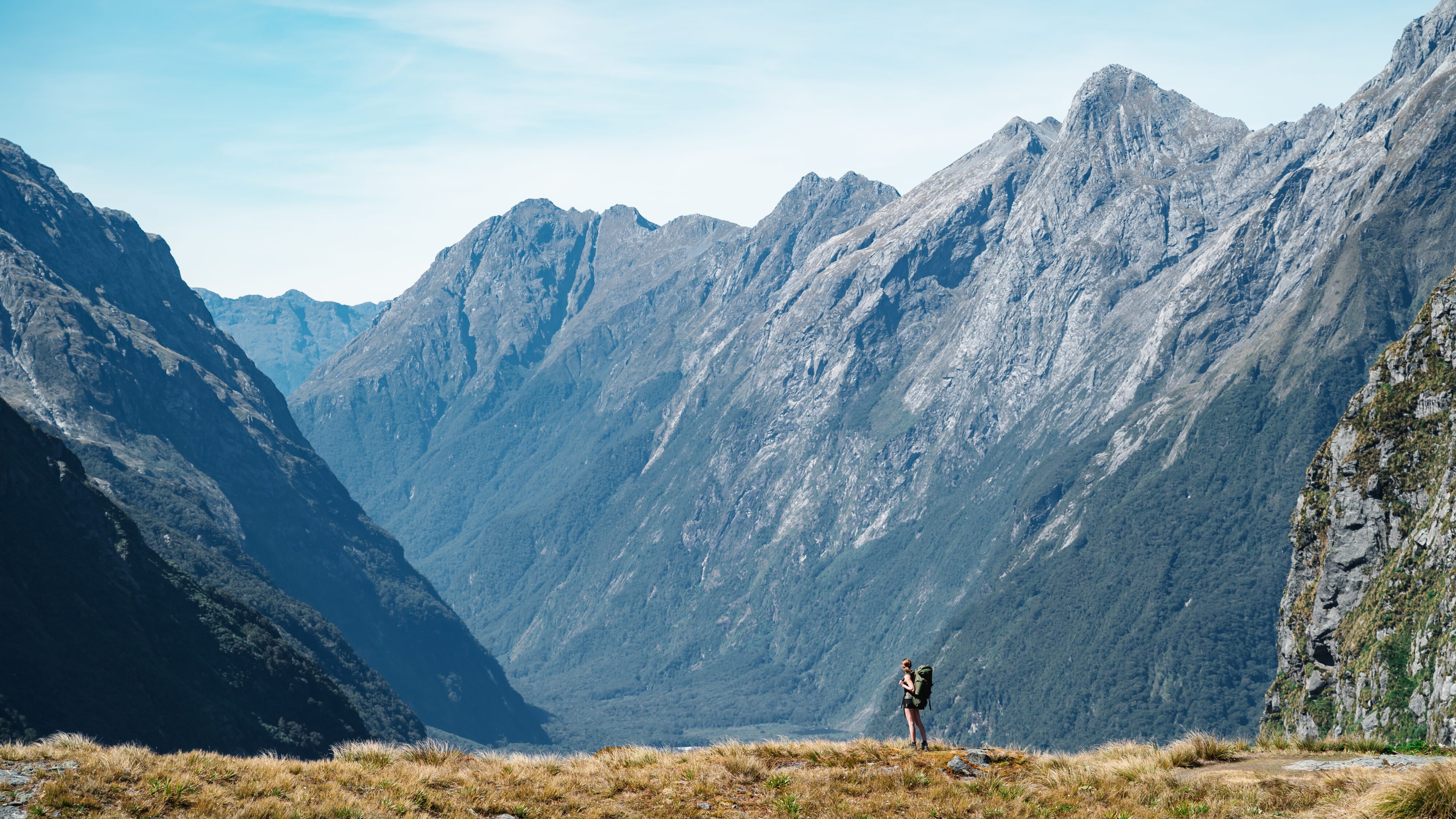

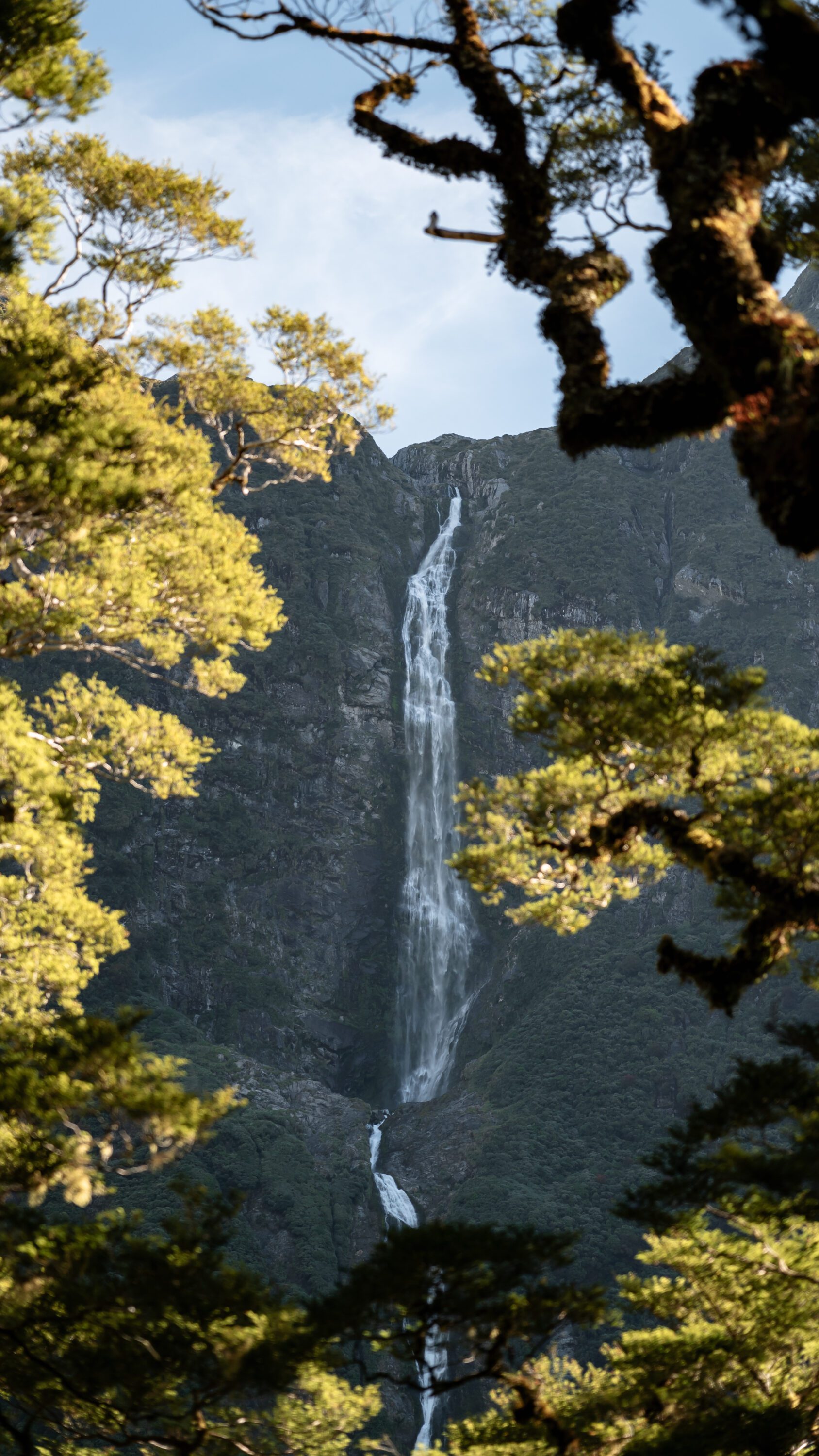
From there, the descent into the Arthur Valley is steep and relentless, making walking poles invaluable for saving your knees. Near the end of this leg, a 1.5-hour detour leads to Sutherland Falls. At 580 metres, it’s the tallest waterfall in New Zealand and an absolute must-see. We had the rare privilege of experiencing it alone, a moment of serenity that made the mad dash back to the hut before the ranger’s roll call all the more exhilarating.

This was our last of three nights sleeping in a DOC Hut. As you travel with basically the same group of 40 people from beginning to end, at this point we knew most of the people and there were always fun conversations to be had as we met other trampers. This is a big part of the trekking culture in New Zealand and makes the whole experience more enriching.

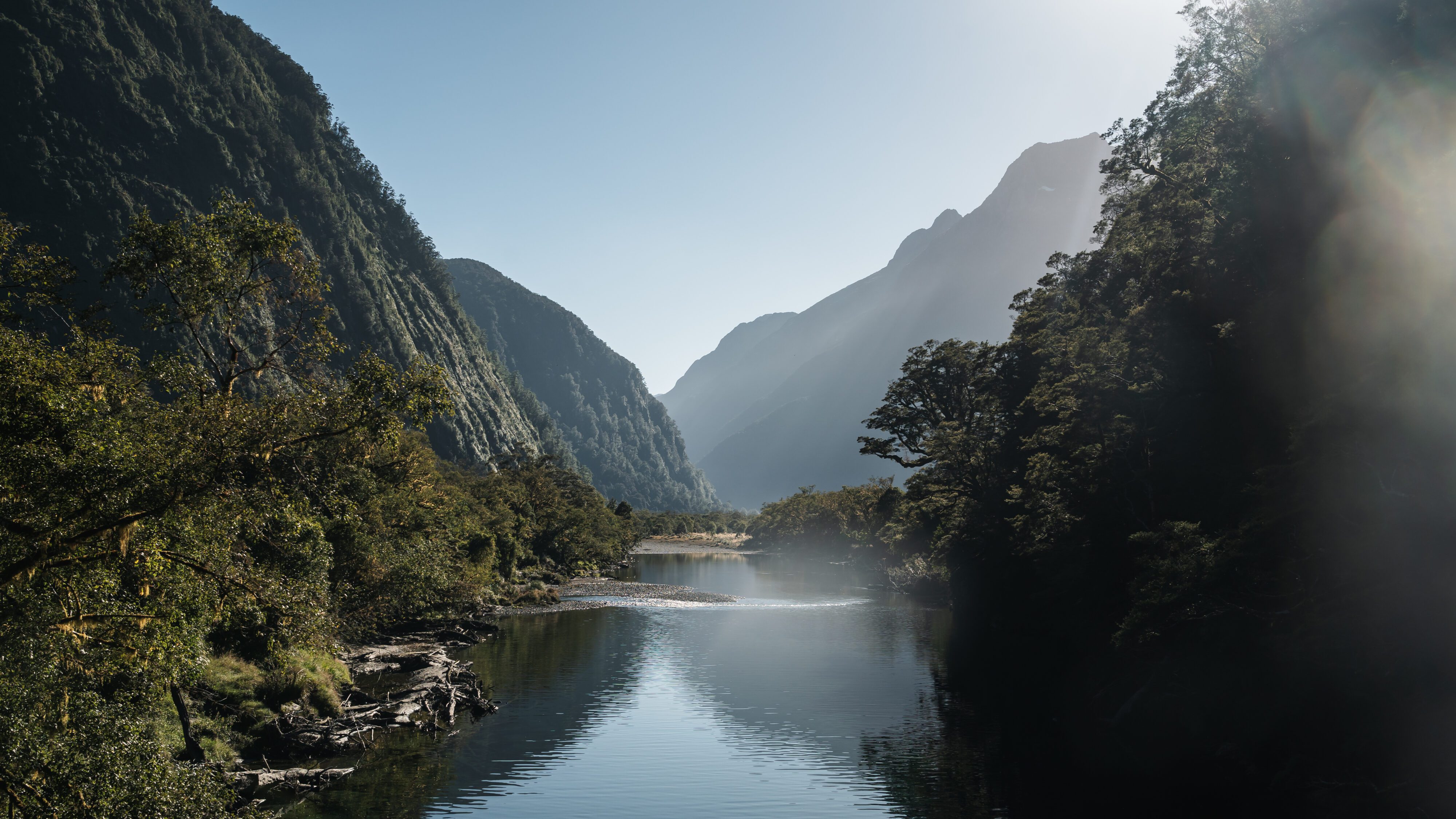
The final day covers 18 km to Sandfly Point, where a water taxi awaits to take you back to civilisation. With a departure time of 2:30 PM (in our case, it can change depending on which company you choose), we had about six hours to complete the journey. While the terrain is less challenging, the fatigue from the previous days makes it no easy feat. The track’s markers, measured in miles rather than kilometres, add a quirky historical touch but can be misleading due to their placement along the original 1800s route. By the time we reached the finish line, we were exhausted but exhilarated, ready to reward ourselves with a well-earned Ferg Burger and a cold beer back in Queenstown.
The Milford Track lives up to its reputation in every way. Its breathtaking views, historical significance, and sheer sense of accomplishment make it a standout among New Zealand’s Great Walks. While it’s not for everyone, we’re here to bring the highlights of these trails to you so you can enjoy them vicariously — or perhaps inspire your own adventure. Thank you, New Zealand, for the incredible scenery, and thank you for reading!