
What do you get when a brand crosses a tech-forward crossover SUV with a proper sense of maturity? It seems BYD was faced with this exact question when coming up with the newest model from theirs to reach our shores, the Sealion 7. I’ve been through a bit of a streak with their cars recently, and I was quite curious to try out their offering in what is arguably the hottest segment in the industry.
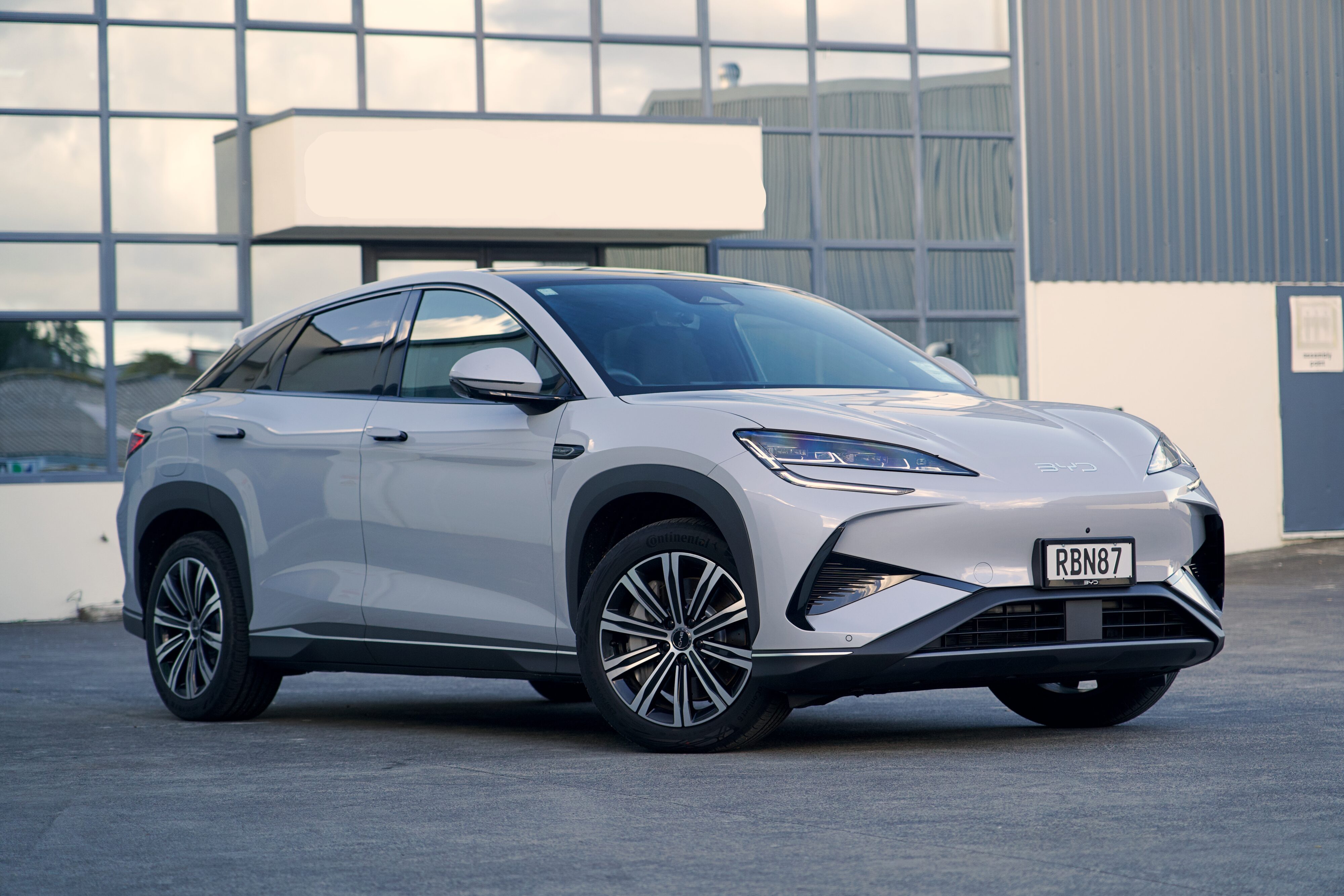
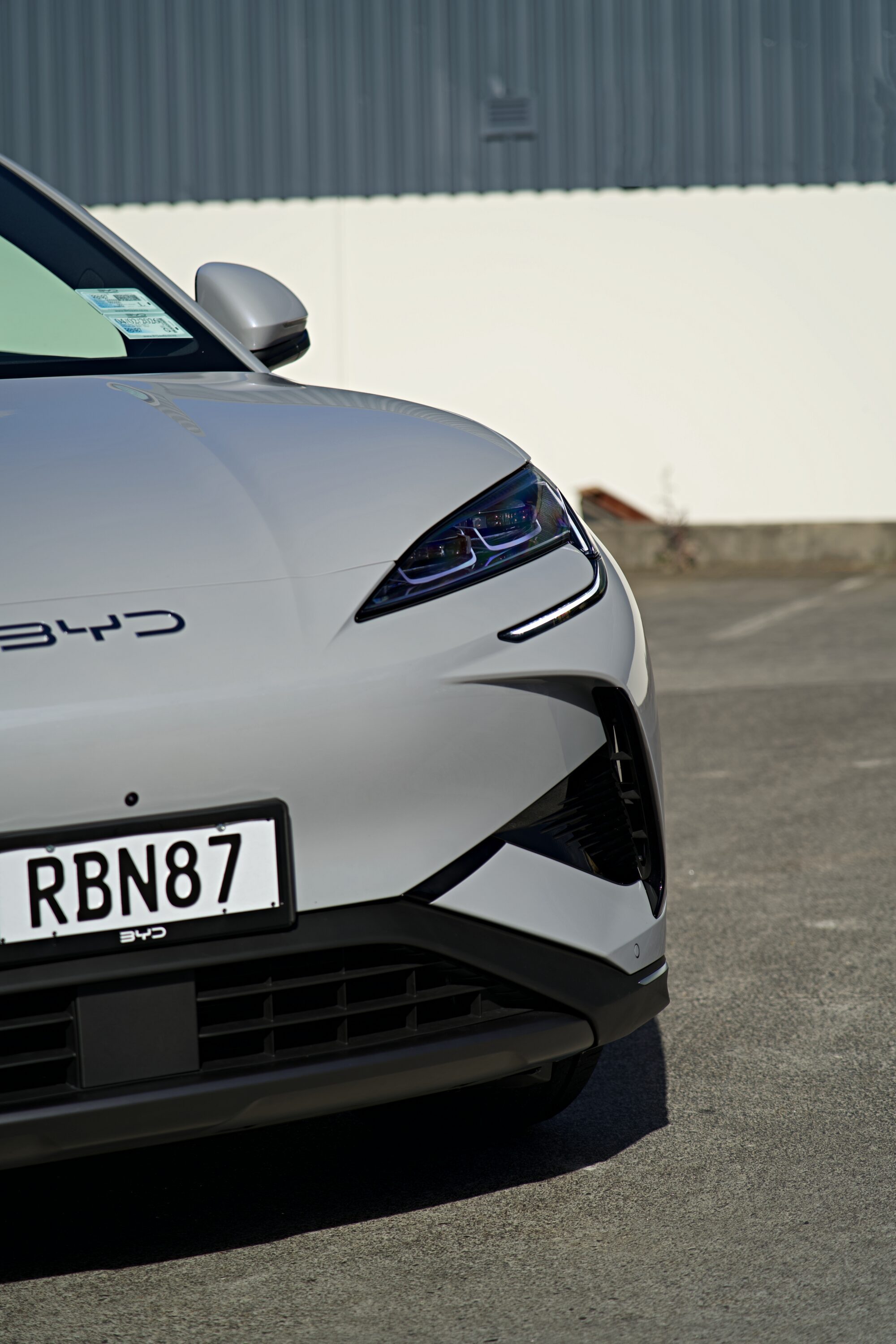
From the outside, the Shark Grey paint shows off the Sealion 7’s clean lines and flush surfaces. It is not a small vehicle, and the flat and minimalist look gives it presence without being too bulbous. It’s handsome, in an understated way – the front end is reminiscent from the Sealion 6, but a revised bumper leads to a much more successful overall design.
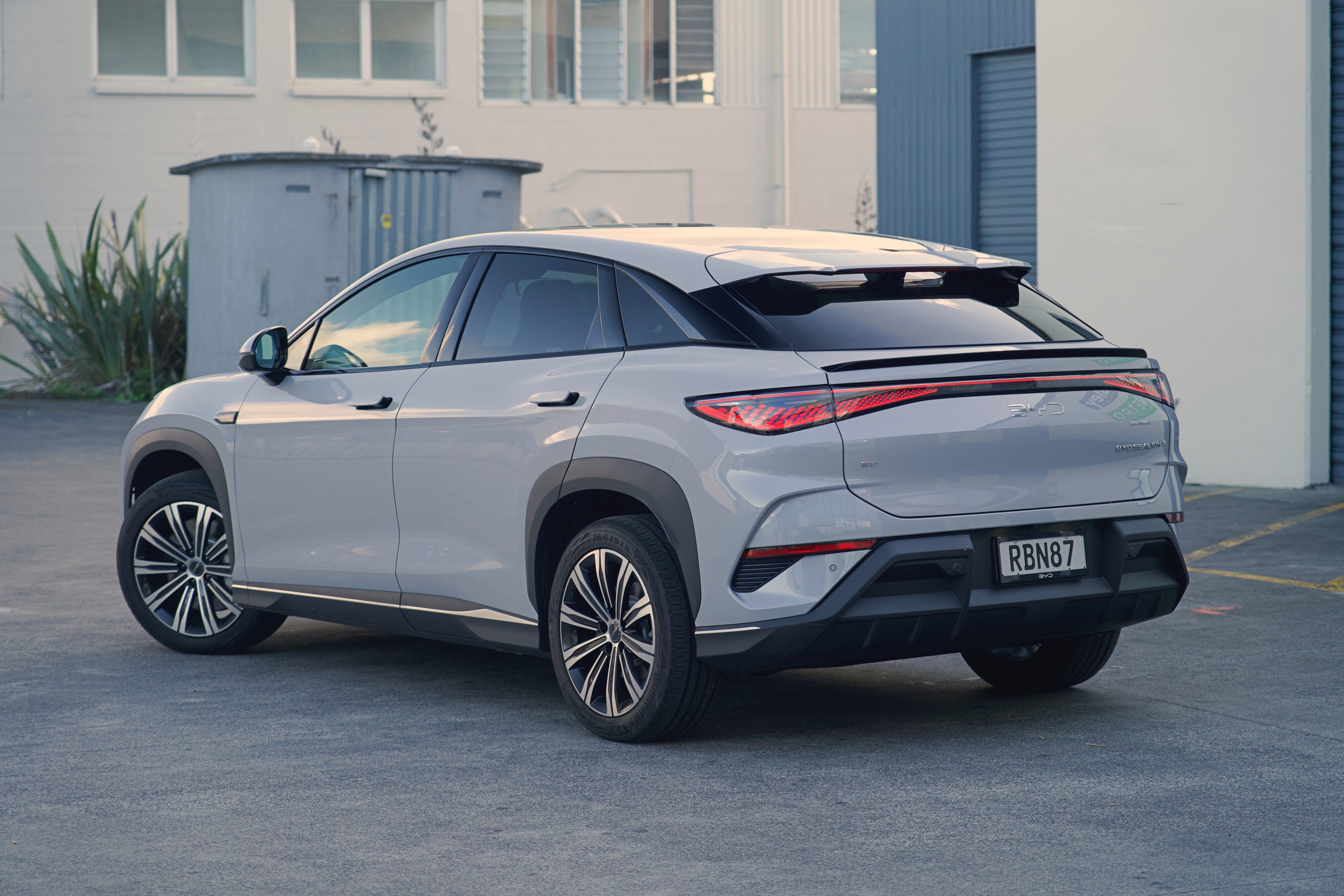
From a side view, some elements pop up to work with the simple lines: the plastic cladding, the sloping roof line and the elevated door sills that try to make the car slimmer. The LED bar at the rear lights up with an animation, and gives a modern look that foreshadows some of the premium-ness you’ll see as soon as you jump inside.
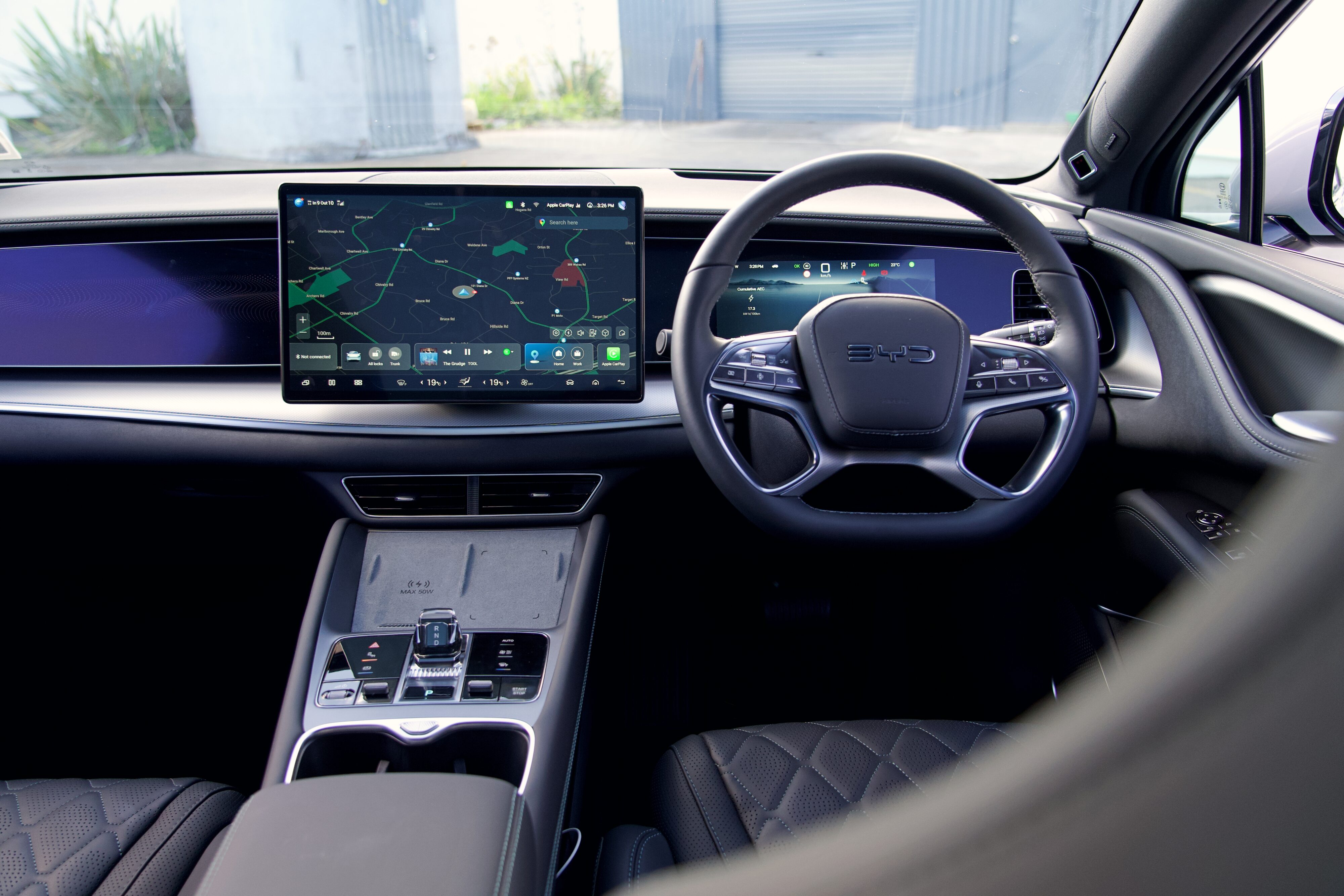
Pop out and pull on the recessed door handles to jump inside, and now we’re talking. The Sealion 7’s interior is the highlight of the car, and a very nice place to be. The design of this Premium trim level is modern, inspired, tasteful and very well put together. They didn’t take any shortcuts like using a single screen, getting rid of all buttons, or using cheap symmetry here.
The door cards stand out with this almost flying buttress motif, with door pulls you actually pull up, but that are way better looking than those on the Atto 3. Touch surfaces are a mix of leather, neoprene and soft touch plastic mostly everywhere, leading to a plush and quiet cabin that impressed me.

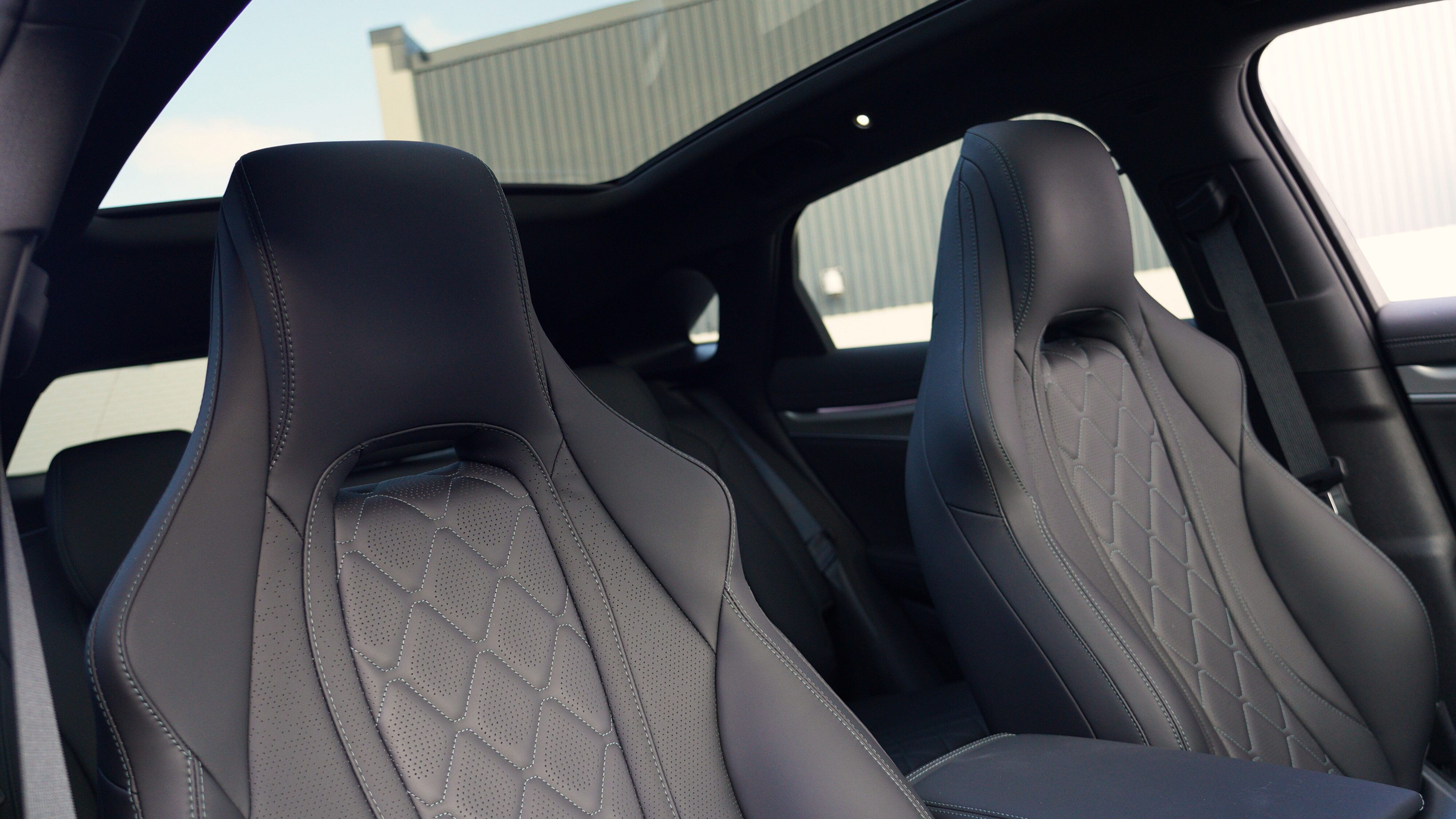
The seats are very comfortable, with 8 way electric adjustment for the driver and 6 for the passenger. They are cooled and ventilated (although you can only get a heated wheel on the Performance model, bummer) and the integrated headrest design works well with the stitching choice.
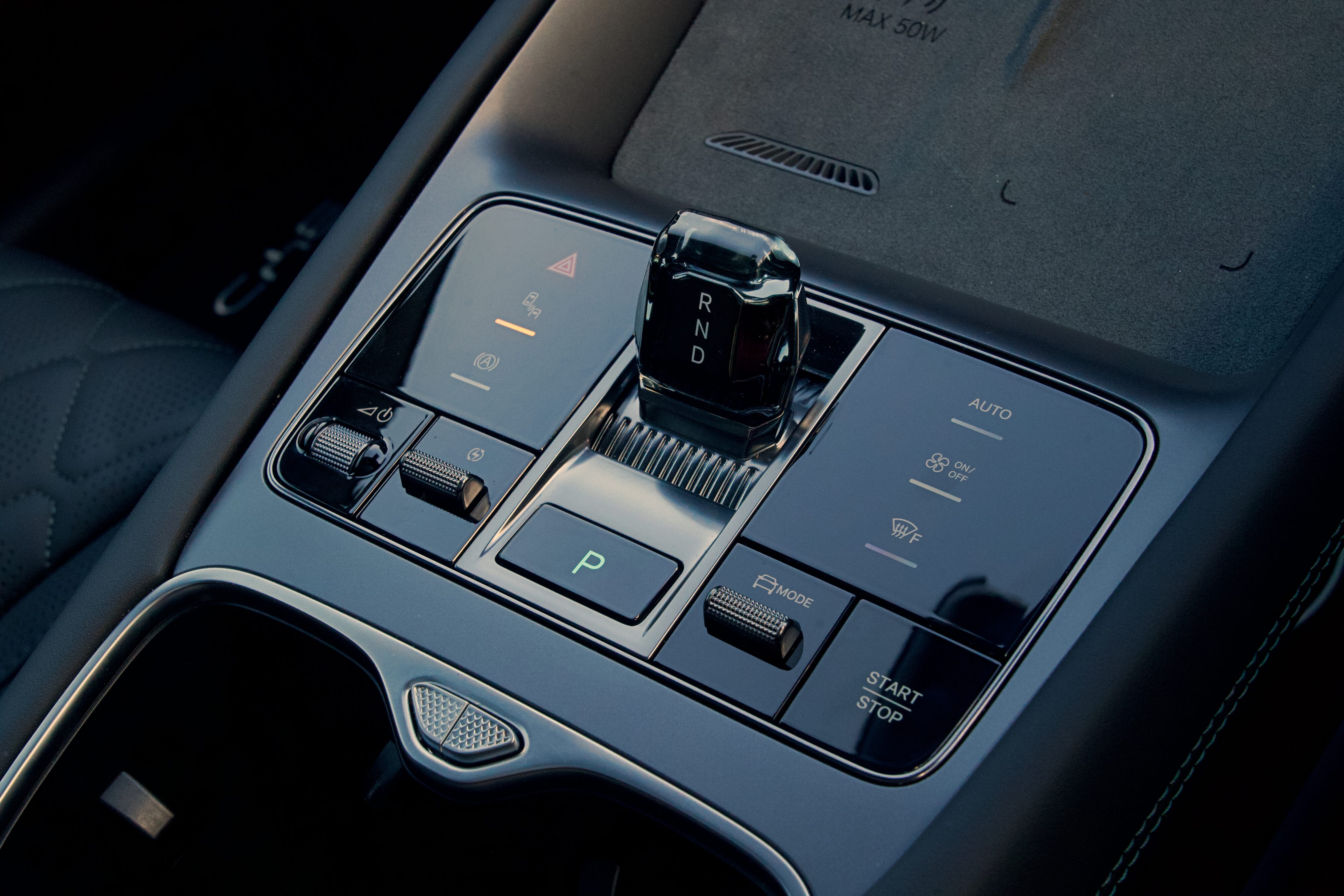
Storage solutions are smart and well implemented, with a deep armrest cubby, average door bins, two cupholders and an open cubby that rests underneath the tray for two phones, one of them with a ventilated 50W wireless charging pad that is quite possibly the loudest fan in the whole car.
The rear seat experience is also outstanding, with plenty of knee and headroom, ports, pockets, cupholders and all the niceties, including reclining seats and privileged views of the massive sunroof. Four can travel in lots of comfort, and there will be room for everything with a 500L trunk and a 58L frunk.

When it comes to tech, BYD are now caught between a rock and a hard place with their rotating screens. While I personally think they are a gimmick that adds little value, they made this a signature for the brand that might be hard to walk away from. Fortunately, in landscape mode the screen looks more like a part of the dashboard, and the newly added ability to have the maps showing on the Home Screen (instead of wallpapers) makes it much more useful.

The 360 camera works amazingly well, and the Dynaudio sound system would be worth an optional package if it were one, but it is thankfully standard equipment. The only two tech-related things keeping the Sealion 7 from perfection in my view are the A/C controls that need way too much interacting for small changes, and the fact that every time you turn adaptive cruise on, it announces what you just did (“ICC activated”), lowering your media volume to announce something unnecessary.
BYD doesn’t do the break neck thing with acceleration, instead they go for a very progressive delivery of power that disguises the potential of this non-Performance model. With a car this quiet and a powertrain so silent – with no simulated sounds – speeds creep up on you quickly, commensurate with the 230kW/380Nm on tap. Steering feels either very light or artificially heavy, but all modes are actually usable and make the drive slightly more interesting. The suspension is plush, comfortable and uses the weight to absorb low frequency bumps like a pro.

My driving was mostly around town, where the Sealion 7 shines, with one small caveat. This is because another thing BYD doesn’t do is one pedal driving, which in this car, feels like a massive head scratcher. It makes you have to rely more on the grabby brake pedal, and enjoy less of the regen (which could also be stronger). All these things would have been mitigated with a good one pedal driving mode, and would make the car feel even more refined and premium. Here’s hoping!

In terms of battery talk, the 82.5kWh is rated for 482km of range in this trim level, and that seemed achievable with my driving regimen. When it’s time to charge, you get 11kW AC, 150kW DC and V2L. Not bad, not great either, as was my efficiency average of 17.3kW/100km.

The Sealion 7 was a positive surprise. I had recently tried the Sealion 6 and Shark 6 and was fond of both cars, which showed how BYD can do premium quite well. The brand has a comprehensive and competent lineup, and the new 7 is no exception. It might not excel in many specific metrics, but it is very well thought and, at NZD $67,990, absolutely cannot be ignored. Thanks, BYD, for the experience, and thank you for reading this far!




One Response
Well, BYD can forget my buying one until they wake up and offer one-pedal driving. Sorry, BYD. Your cars are nice but lacking one-pedal driving is a deal breaker.