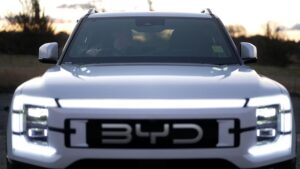
The large PHEV SUV – or should it be PHESUV? – segment has been getting more attention lately, with more entrants trying to secure a slice of this profitable market that comes with an ever growing list of requirements. One of the newest players is the BYD Sealion 8, and if it is an indication of where we can expect BYD to keep spending their effort, it really deserves the flagship mantle.
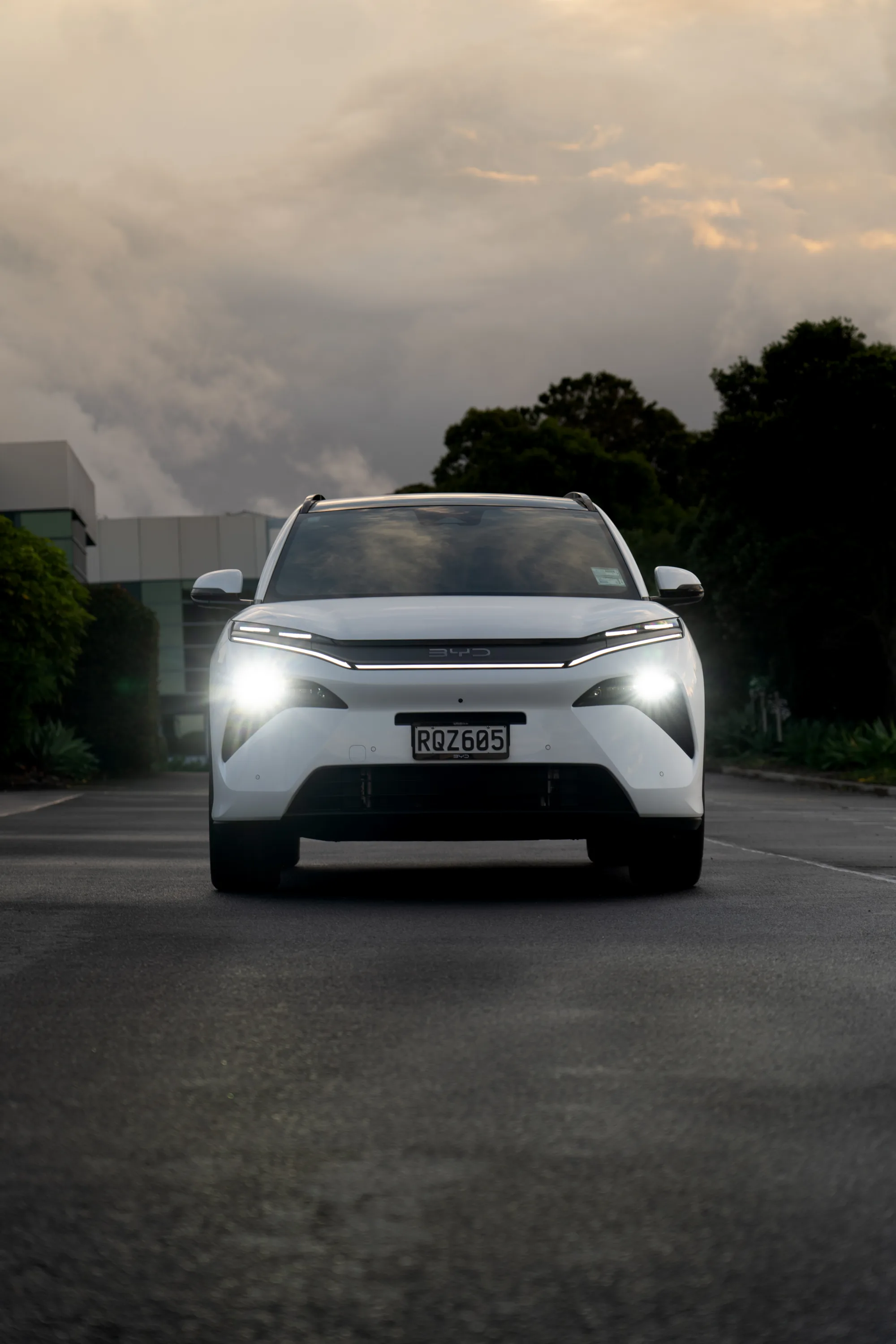
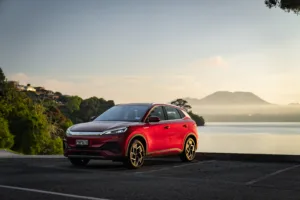
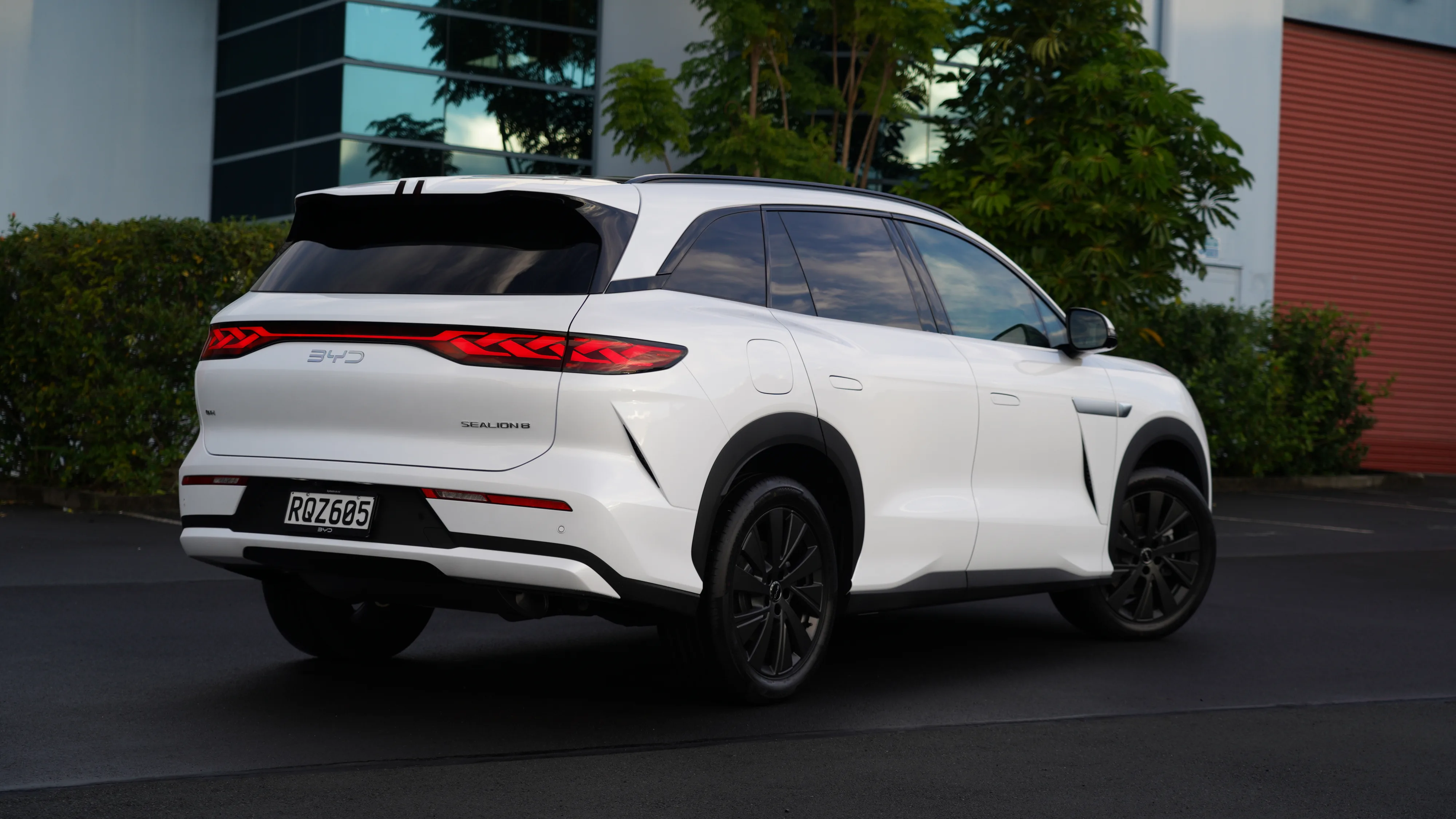
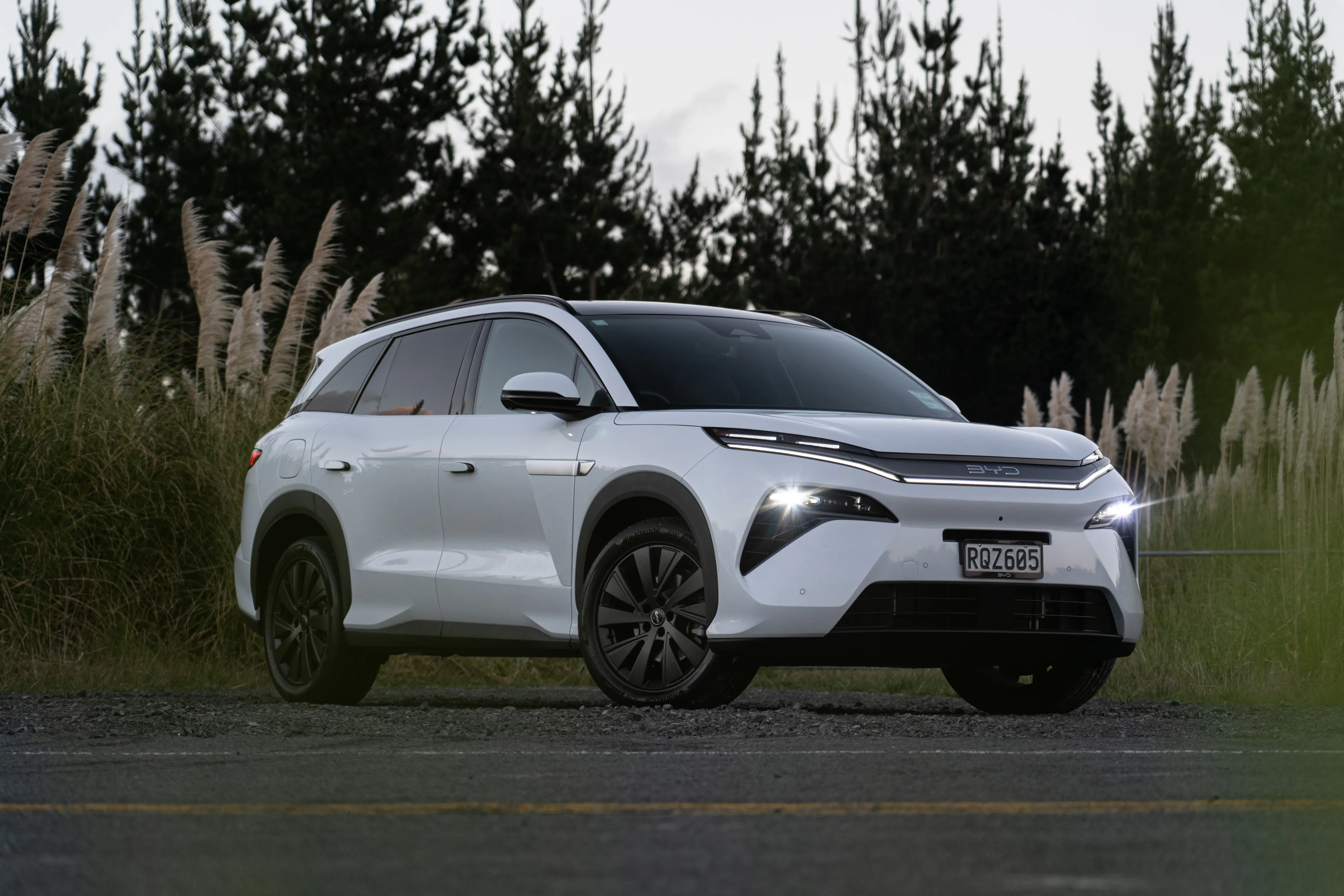
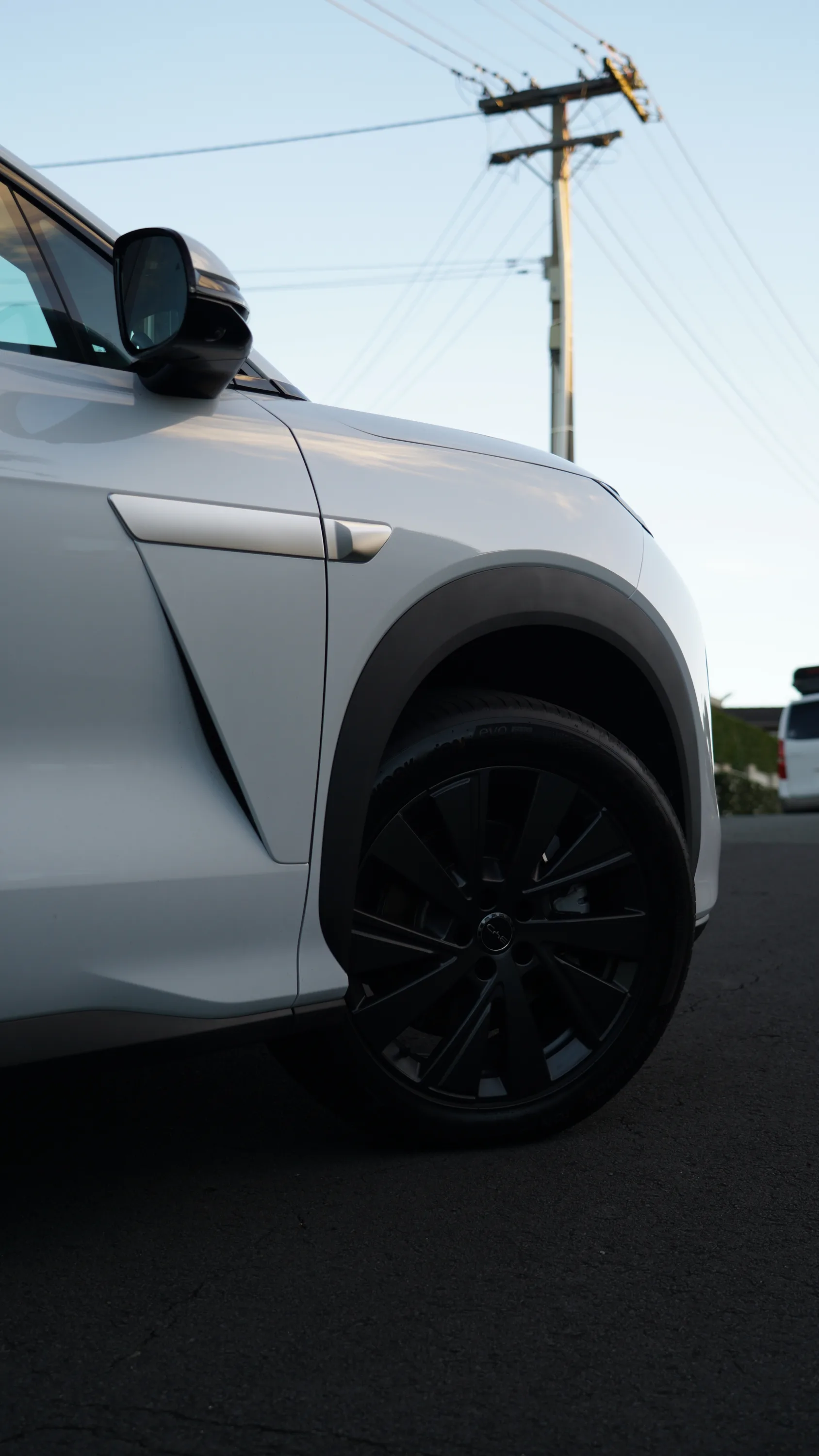
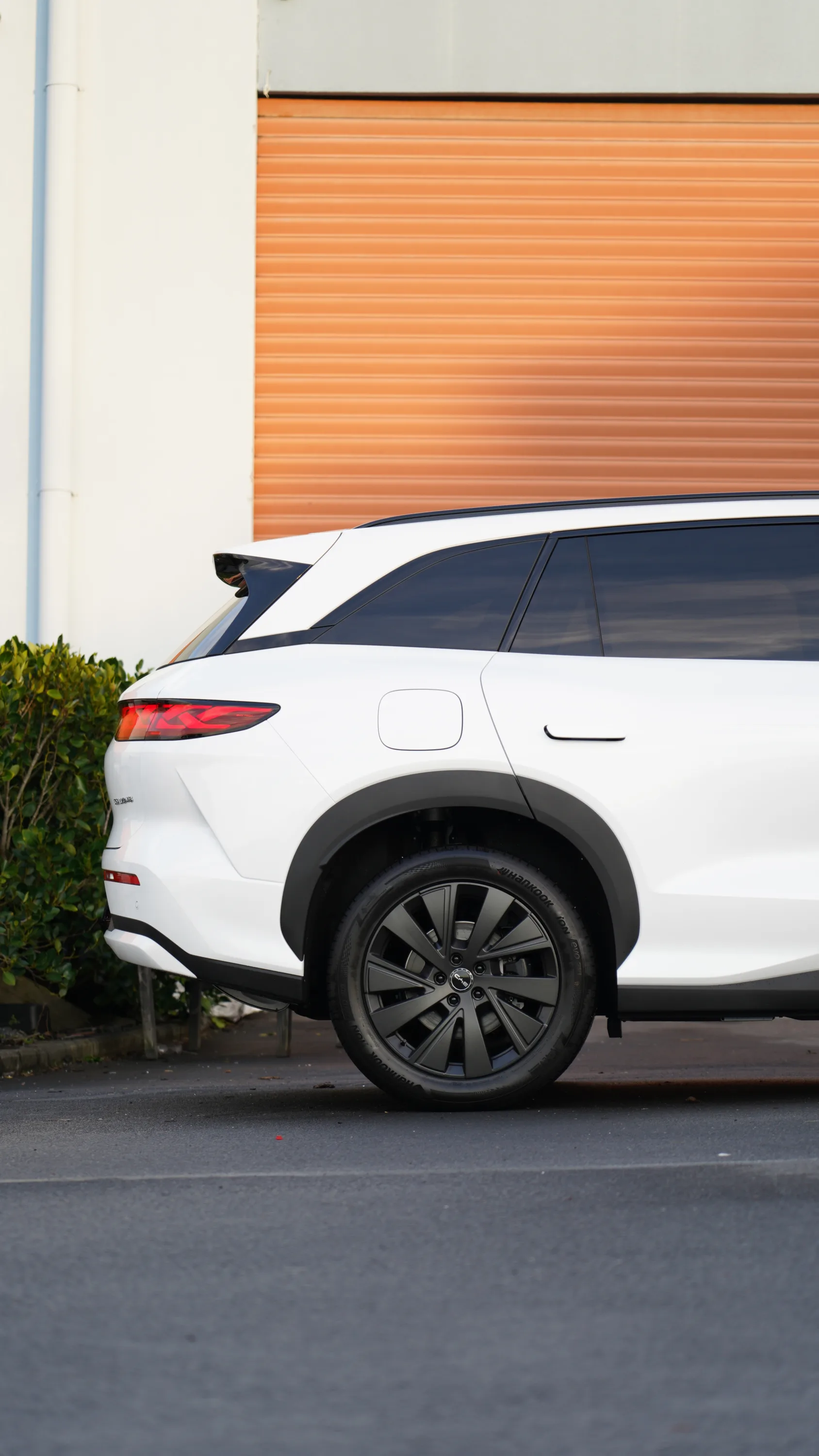
There’s something about the way the Sealion 8 presents itself that manages to simultaneously bring an unseen gravitas to the brand, while still being very BYD. It’s big, properly big, but it doesn’t feel like a blunt instrument. Still, it has design maturity that we haven’t always seen from the more affordable offerings from the brand. It still looks unmistakably BYD, but here it’s been stretched, refined into something that sits comfortably alongside more established players in the large SUV space. The interesting taillights, the split headlight assembly and the side blade are all welcome elements to add personality, with the only detractor being the finicky door handles.
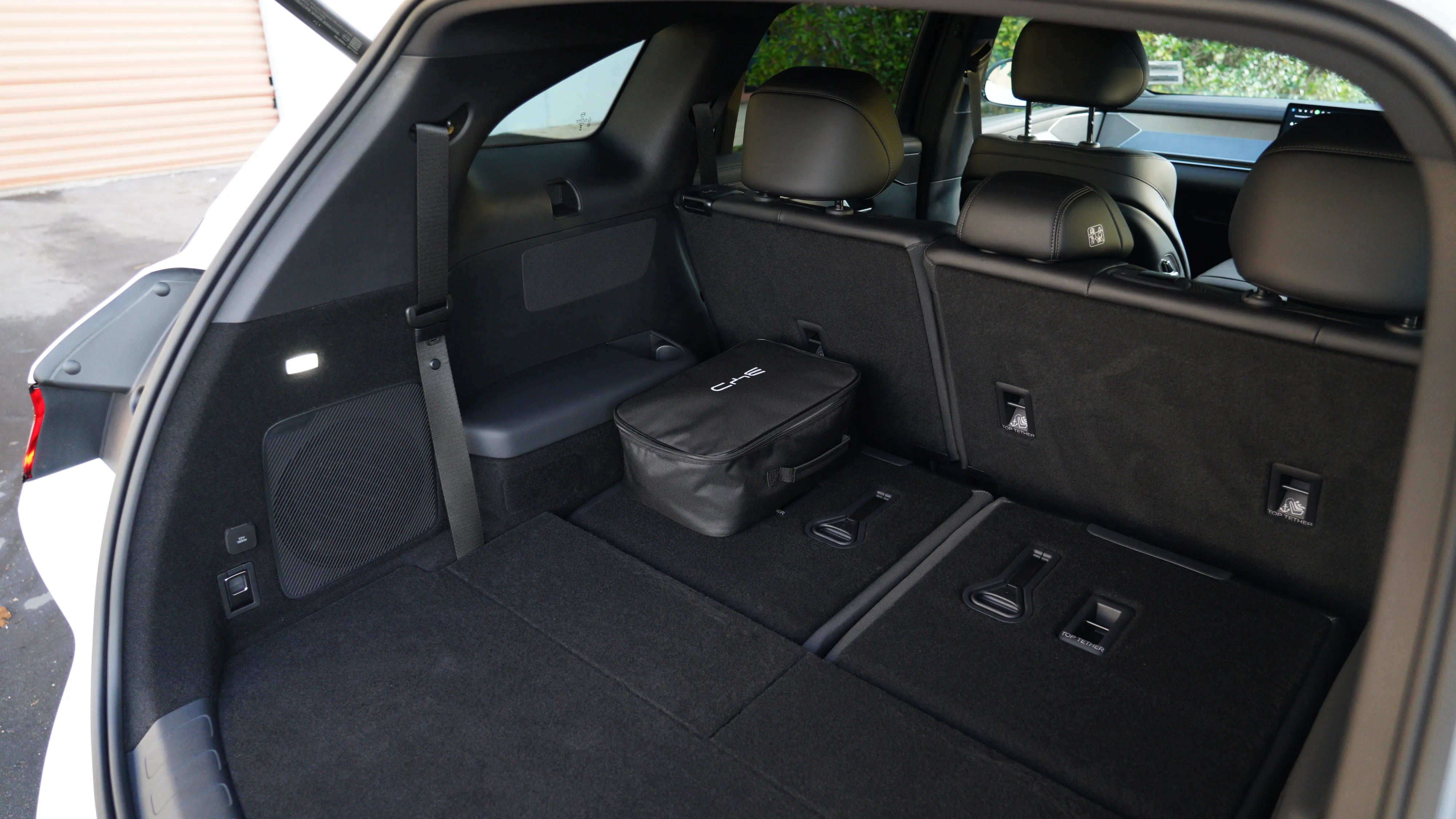
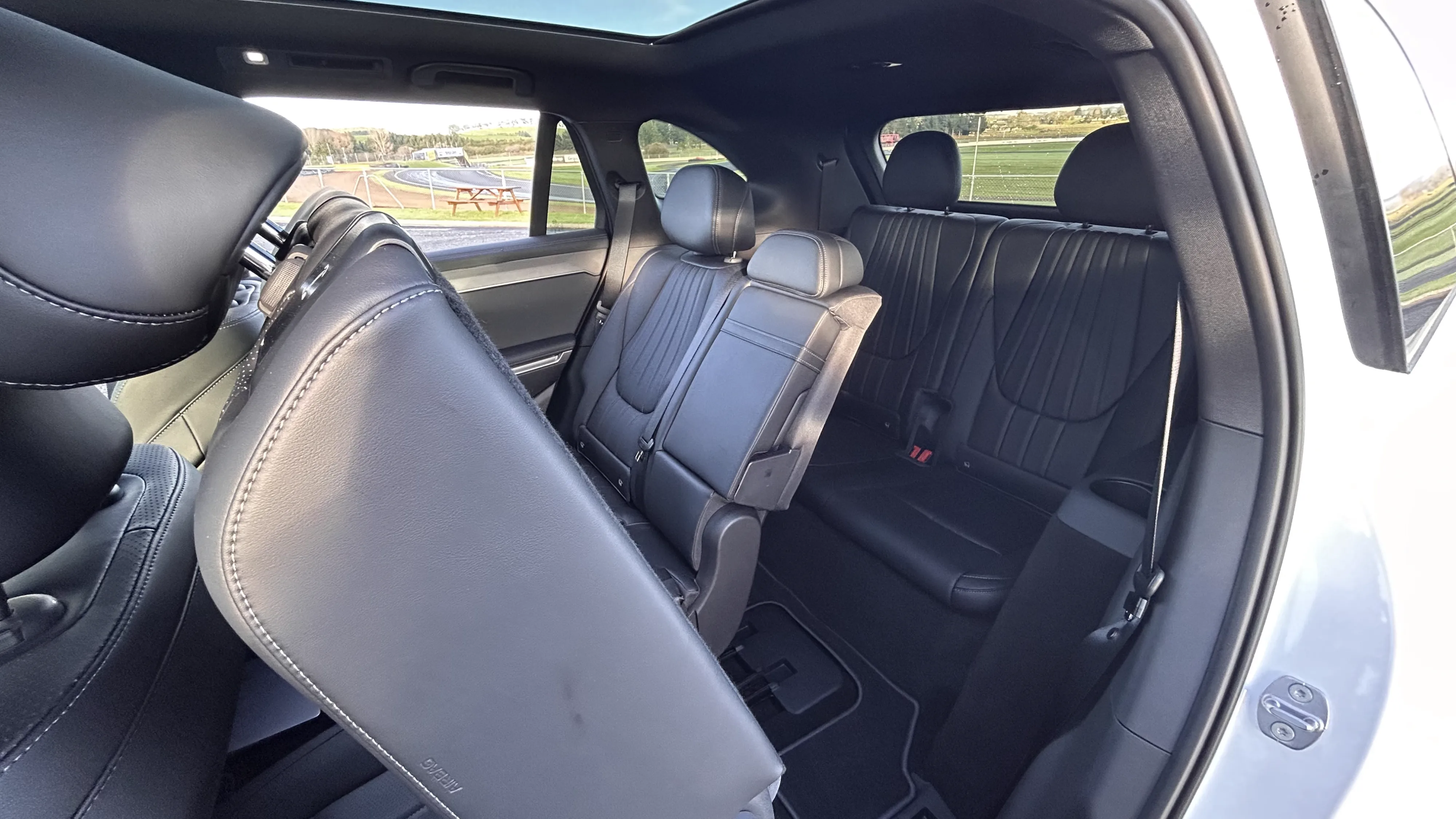
As you start using the car as intended (as a seven seater) the impression of evolution stands. Access to the third row is easier than expected, which is half the battle in cars like this. Once you’re back there, it is properly usable: adults can sit in relative comfort, especially thanks to the flexibility offered by the second row. Those middle seats slide generously forwards and backwards, letting you prioritise either legroom or third row usability depending on the situation. It’s a thoughtful setup, even if the inevitable compromise remains: with the third row up, the boot shrinks and you’ll need to plan around.
Up front, though, the Sealion 8 leans heavily into its premium brief, and for the most part, it delivers. Material quality plays its part as well. The synthetic leather seats are impressively executed, offering a level of comfort and tactility that edges closer to what you’d expect from more luxurious brands.
A caveat out of the way first: I had the Dynamic FWD trim level (there is a Dynamic AWD and one actually called Premium, also AWD). Even in this entry level trim, the seats get heating and ventilation, which goes a long way in everyday usability. There are, however, a few omissions that remind you where you sit in the range: no eight way adjustment, no heated steering wheel, and the absence of ambient lighting that would have elevated the atmosphere further. Not exactly deal breakers, but show product segmentation working its magic.
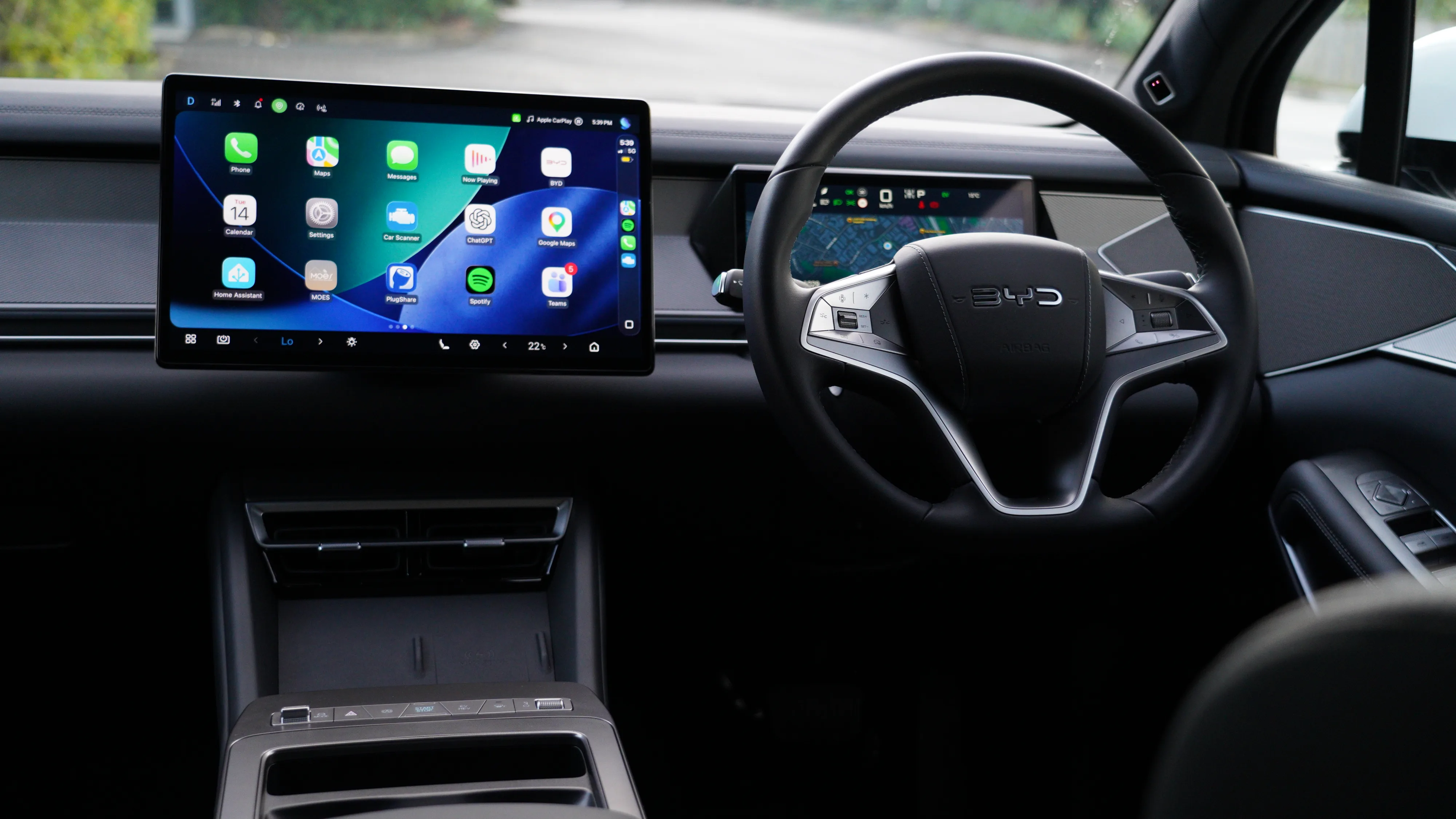
The cabin is a genuinely pleasant place to spend time. The large central screen dominates the dashboard and quickly becomes a talking point for passengers, not just because of its size, but because of how much more polished it feels compared to older BYD systems.
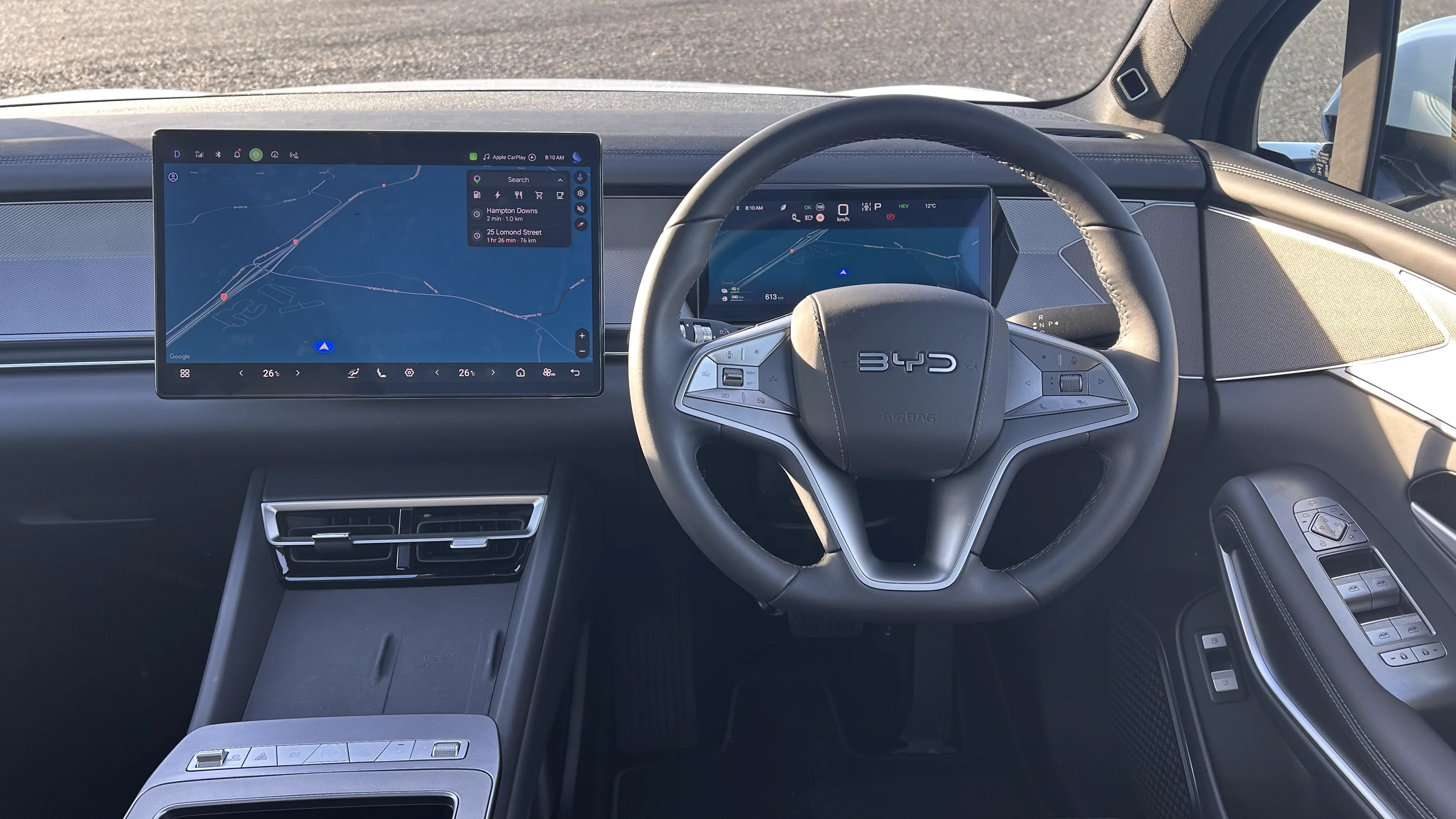
This is the first time the brand’s tech hasn’t felt like something you have to excuse. Fonts are cleaner, animations are smoother, and the overall interaction feels far more considered. It finally gets closer to something that was designed for a Western audience, rather than translated. With this being a complaint I’ve had many times before, it relieves me to no end to see the results of effort being put on this.
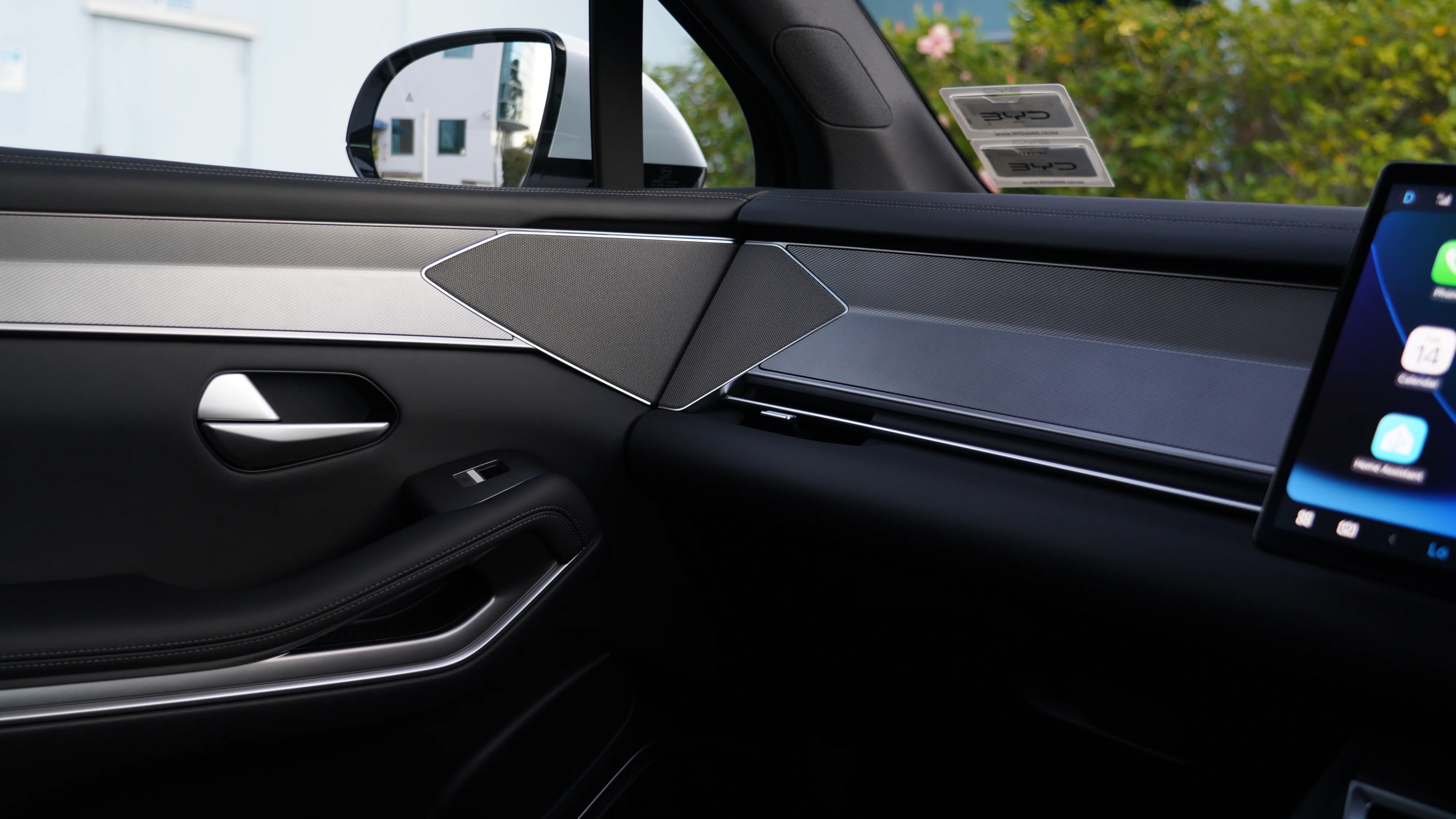
Beyond that, the cabin shows a bit more creativity than expected. There’s an interesting mix of materials and textures across the dashboard, including a polygonal cloth section housing the speakers that gives it a slightly more design led feel. Storage is also well resolved, with practical solutions that make day to day use straightforward, and visibility remains strong regardless of how many seats are occupied, a crucial trait for something of this size.
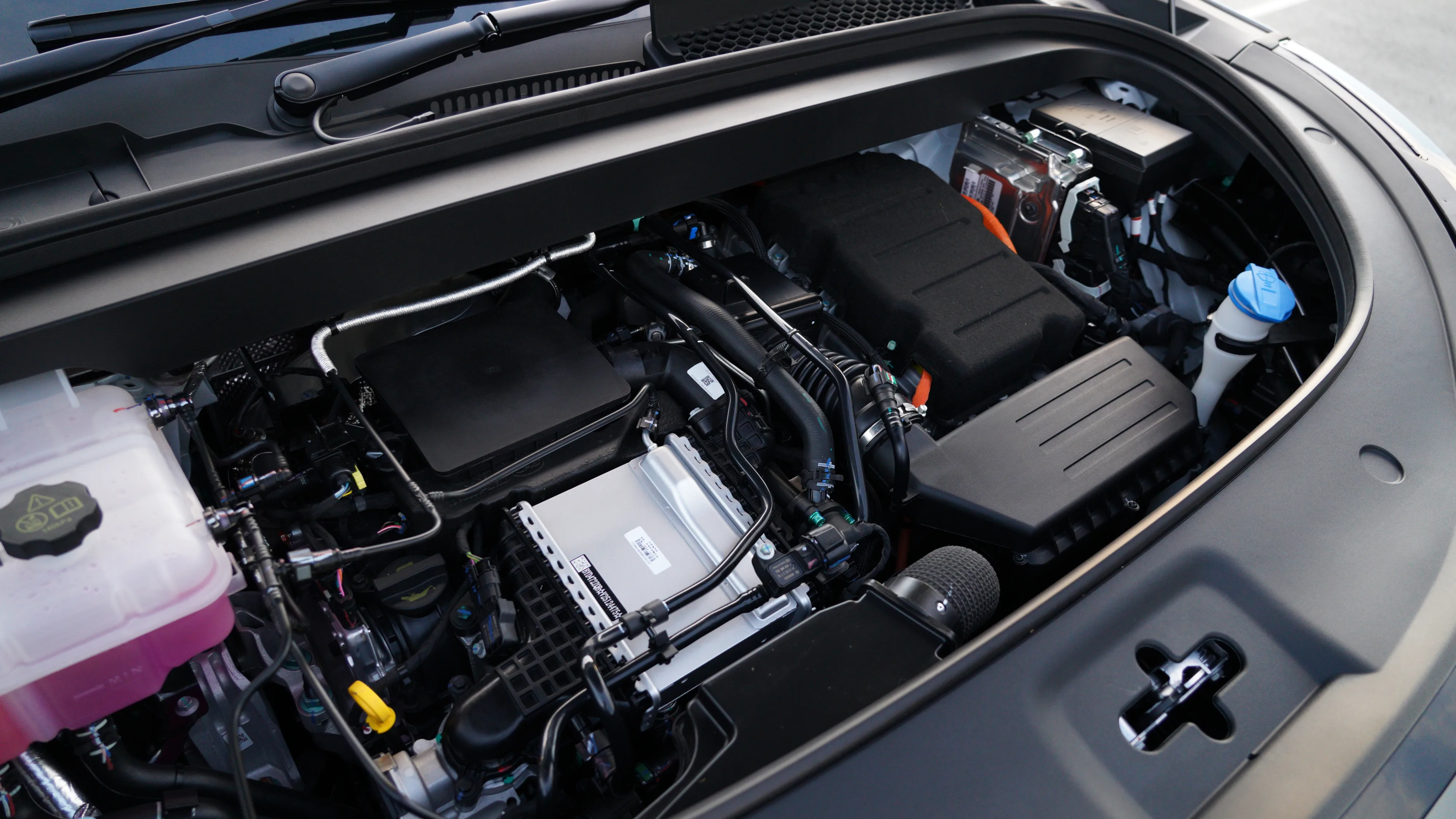
Underneath it all sits BYD’s DM-i plug-in hybrid system, pairing a 1.5 litre turbocharged 4 with an electric motor. In this entry level configuration, it’s FWD only, with higher trims adding a rear motor for all-wheel drive. On paper, it sounds like a robust setup, but out on the road, the Sealion 8 makes its intentions clear very early on: this is not a performance focused SUV.
It builds speed in a measured, almost relaxed manner, leaning into a more traditional luxury driving style. It will get up to motorway speeds without issue, and can even maintain them in EV mode under the right conditions, but if you’re asking for a quick overtake, especially while running purely on electric power, there’s a noticeable pause. You often find yourself waiting for the petrol engine to wake up and the system to fully deliver what it has in reserve. Granted, this is very likely to only be a characteristic of the less powerful model I had, which boasts 205kW/315Nm. The other trims offer 359kW/675Nm, a massive jump that could very well completely mitigate this.
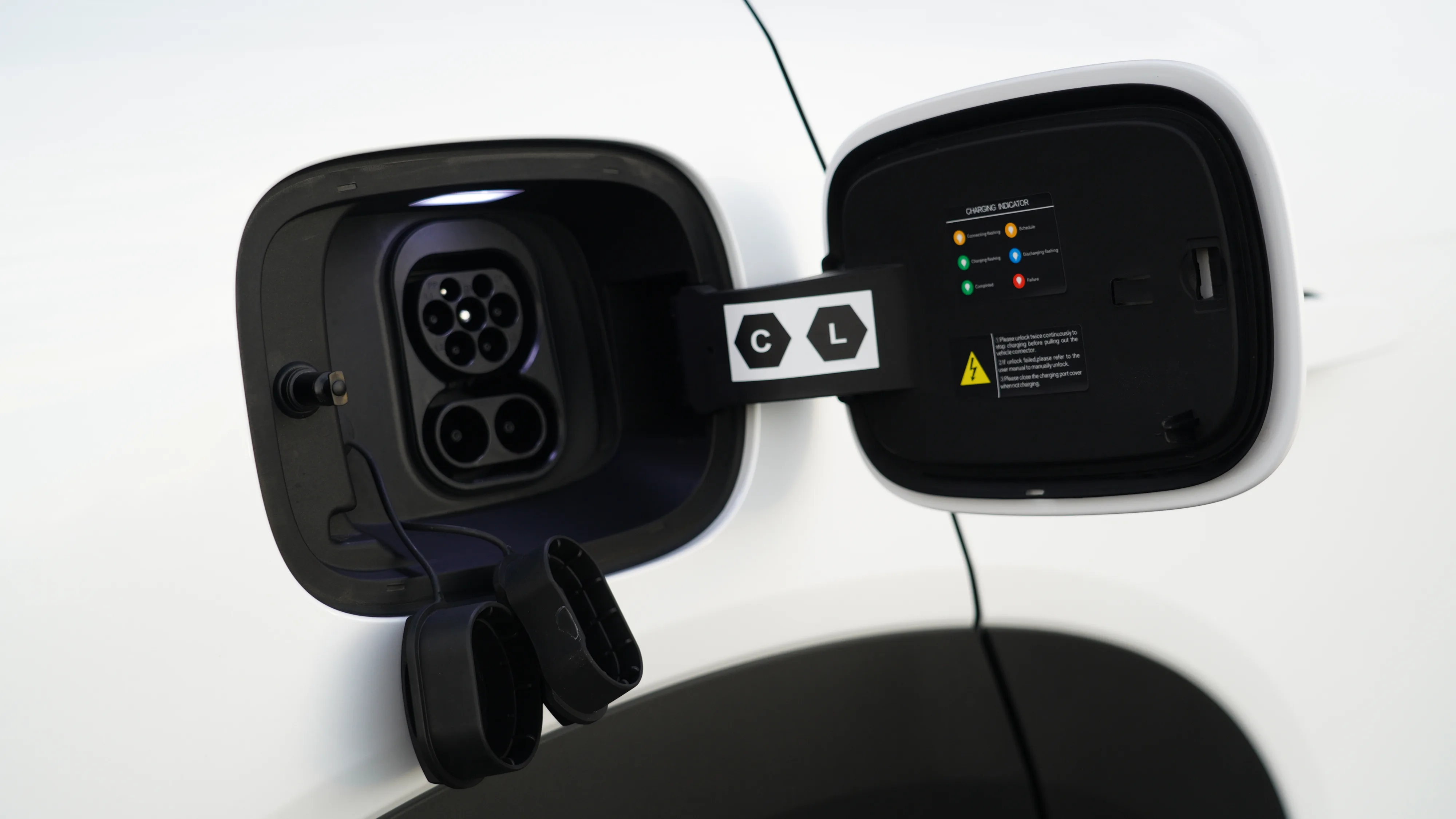
That same approach carries into its efficiency story. BYD claims around 100km of EV only range, and while that might be achievable under ideal conditions, real world results are more nuanced. In mixed driving, figures closer to 70 feel more realistic, with factors like load, terrain, and climate control having a clear impact. The upside is that the system is clever in how it manages energy. Regenerative braking does most of the recovery work while on the move, and once you come to a stop, the engine backs off, keeping the cabin quiet and reinforcing that luxury-leaning character. Plus, SAVE mode is your friend, works wonders and just amplifies the versatility of this approach. Charging flexibility helps its case as well, with both AC and DC options available, making it easier to integrate into different usage patterns, especially considering this feels like an “EV first” kind of PHEV, something I always appreciate.
Dynamically, the Sealion 8 feels exactly like what it is: a large, heavy, multi-purpose SUV. There’s composure in normal driving, with a soft, wafting ride that suits long distances, daily duties, and very relaxed driving. But push it beyond that comfort zone, and its mass becomes harder to ignore: the body control loosens, and the rear suspension can feel unsettled over broken surfaces, occasionally turning crashy where you’d hope for a bit more polish. It’s not a car that enjoys being driven hard, but out of all the requirements this car has to clear, this is not one of them.
Where it does stand out, however, is in how cohesive the overall experience has become. The improvements in technology alone mark a significant leap forward for BYD, and when combined with the space, comfort, and usability on offer, the Sealion 8 finds its position as a credible entrant into the luxury PHEV seven seater segment.
There is an interesting question around value, at the end of the day. Because while this is a well rounded product, it doesn’t exist in a vacuum. For similar money, especially at this entry level, there are alternatives from more established names that will inevitably factor into the decision making process. And, if the main driver is the price tag, there are Chinese offerings undercutting the Sealion 8 by quite a bit. That doesn’t make the BYD the wrong choice, but it puts a lot of pressure on BYD’s capacity to create a product ladder that offers an interesting choice for each different customer set, something I think they did masterfully.
Spend some time comparing, weigh up what matters most to you, and if you land on the Sealion 8, you’ll likely find a car that delivers on its promise: a modern and good looking, spacious, comfortable, and sophisticated take on the modern PHEV 7 seater family SUV, with enough efficiency to handle day to day life and polish to justify its ambition. Thanks, BYD, for the opportunity, and thank you for reading this far!