You might have noticed in some of my BMW reviews that I often highlight the brand’s ability to seamlessly integrate technology into their cars. Whether it’s the stunning visual design, the innovative ways of interacting with the system, or the (mostly) unobtrusive nature of it all, it is undeniable that BMW has consistently been at the forefront of automotive tech. Hindsight is always 20/20, but now we can see that when BMW unveiled the iDrive system back in 2001, it wasn’t just introducing a new feature — it was basically redefining what it meant to interact with a vehicle of theirs.

Now, more than two decades later, the story of iDrive is one of evolution, one version after the next. What began as a bold attempt to streamline navigation, entertainment, and customisation has become a cornerstone of BMW’s approach to connected driving. With a new generation of iDrive on the horizon, the brand put me in contact with people within the brand so I could understand how this system has helped shape what the BMW experience is today.

First introduced in the E65 generation of the 7 Series back in the early 00s, it pushed the boundaries by decluttering the dashboard and making the interaction with the system easier on the go with the rotary knob. What it also pioneered was the utilisation of voice commands, which we take for granted now, but was revolutionary all those years ago.

In an effort to keep important information always at a glance and reduce distractions, BMW pioneered the use of another technology: the heads up display. The E60 5 Series debuted the first automotive head-up display, borrowing a trick from aviation. It was practical, futuristic, and a subtle reminder that the bar could be raised once again.


While many of us were still struggling with SMS in 2008 – I know I was – , BMW was making history by offering unlimited in-car internet access. By 2012, this expanded to include third-party apps, laying the groundwork for the connected vehicles we now see everywhere, and opening a can of worms we’re only today starting to grasp the concept.

Fast forward a few more years and as the tech world shifted from buttons to touchscreens, so did iDrive. The addition of touch functionality in 2015 marked another milestone, making the interaction feel similar to the devices we had grown accustomed to by that point, without leaving behind the convenience and legacy. Looking back, it’s hard to imagine a car without a touch sensitive panel nowadays, so that was definitely the right bet.
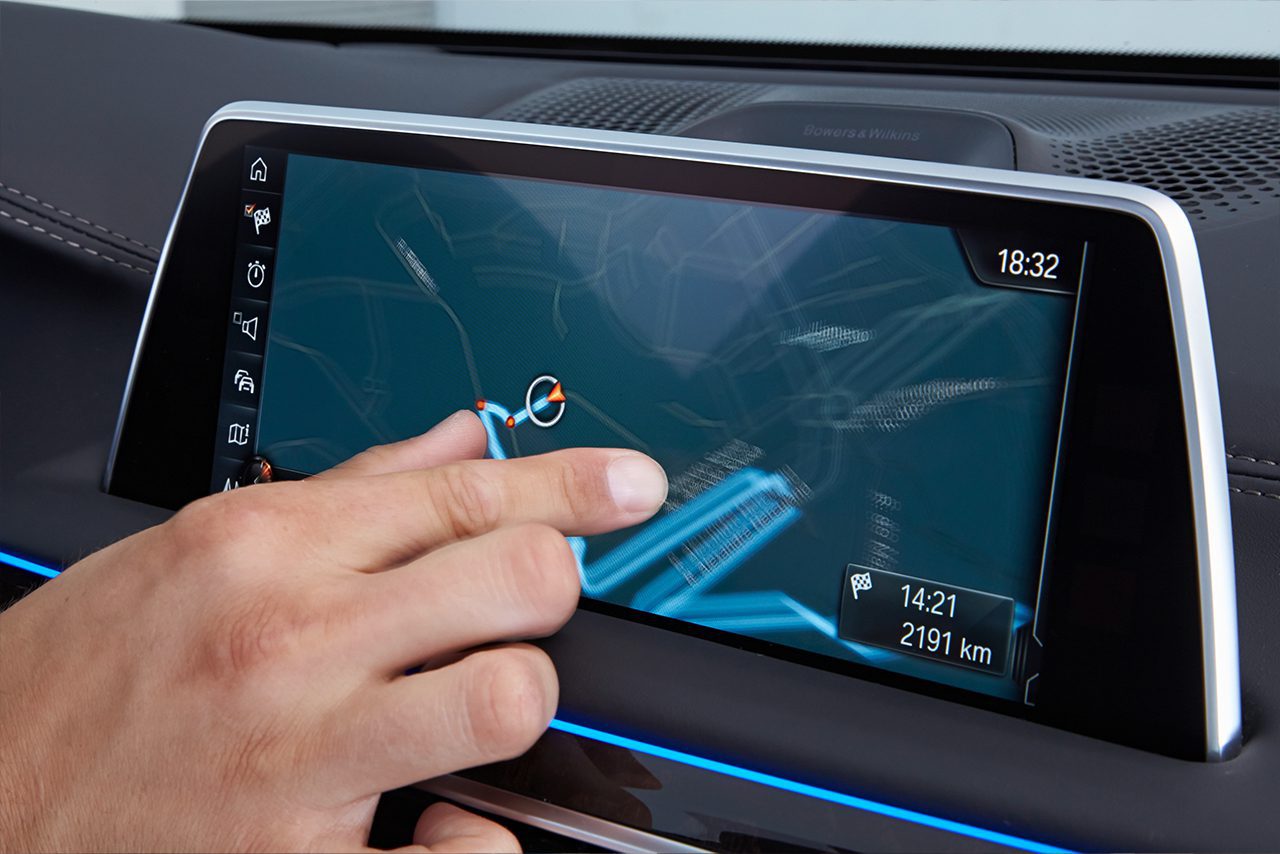
Then, with iDrive 7, BMW brought two watershed updates that reshaped the system moving forward. First, we saw the release of the BMW Intelligent Personal Assistant, allowing for more natural voice commands to control everything from climate to navigation. Second, over-the-air (OTA) updates became a thing, ensuring cars could stay up-to-date without a visit to the dealer. This was another time where the brand leaned into the growing similarities in interaction between cars and our phones and tablets.

By the time iDrive 8 rolled out, a lot had changed. The digital cloud was hanging above our heads for good, so the whole implementation could grow into “a driver’s digital ecosystem”. BMW ID took personalisation to the next level, letting drivers save their preferences and transfer them between vehicles. For someone immersed in the software industry, I could clearly see BMW’s commitment to user-centric design, allowing for more functionality to be available while away from the vehicle, powered by the computers in our pockets but also backed by robust data privacy and security — a topic I’m particularly passionate about.
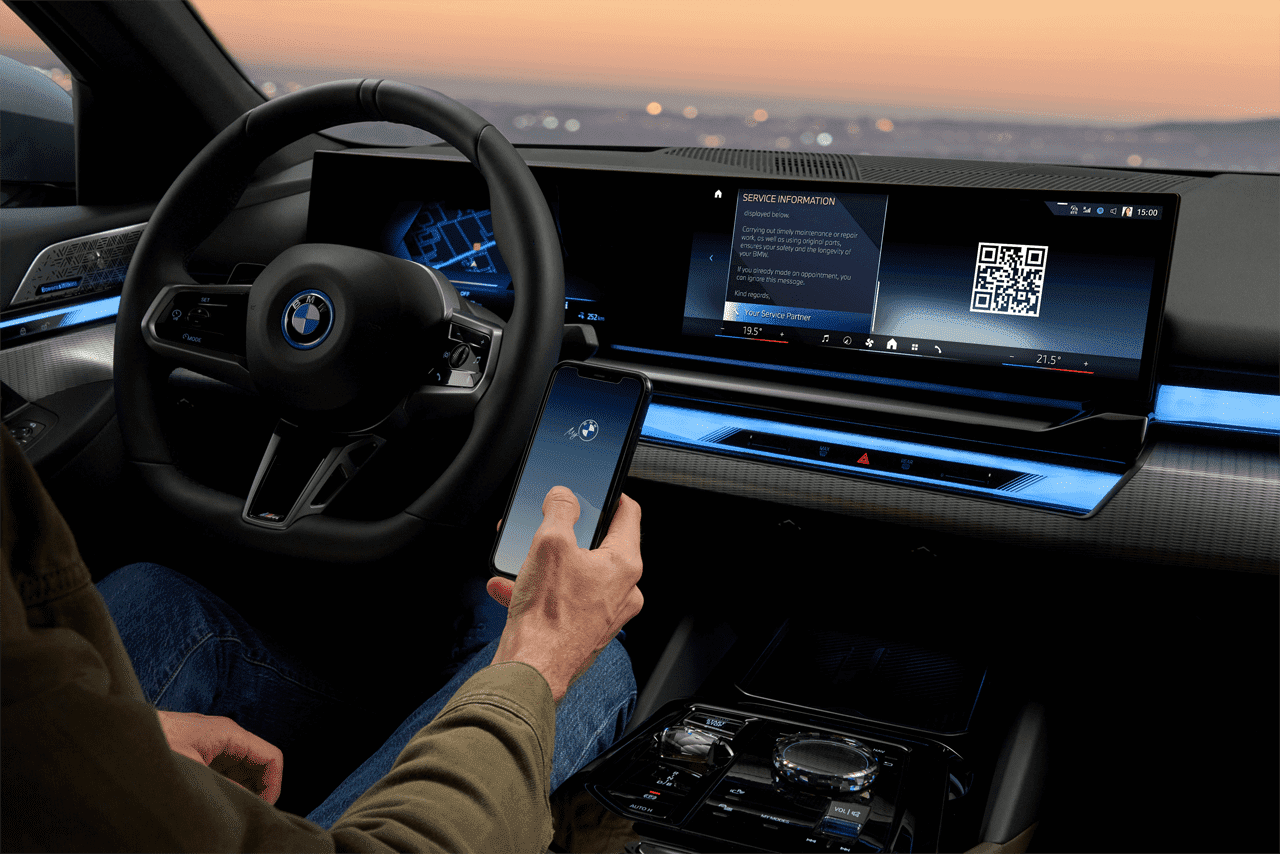
I asked them many questions about data capturing, anonymization, storage, and how BMW uses that information to learn from drivers and develop improvements. Using privacy-by-design, clear consent clauses and driven by the very stringent European GDPR (General Data Protection Regulation) rules, BMW solidifies its commitment to proper data custodianship in alignment to even the largest software-houses.

With iDrive 9, BMW has embraced the app-driven world we live in. Being the first generation built over the Android Open Source framework, the interface is now simpler, more intuitive, and packed with entertainment options. Developed entirely in-house, it also offers deeper personalisation than ever before, ensuring the system feels as unique as each driver taking control of the car, and being such an ubiquitous scaffolding, it makes it much easier for third party solutions to be integrated – think gaming, or streaming. Customers are a weird bunch, so while some of these requirements might seem unnecessary in cars, this is the result of a brand trying to please as many prospects as possible.

So where to now? The future of iDrive is just around the corner, with the Panoramic iDrive set to debut in the greatly anticipated (it can’t be just me) Neue Klasse. Previewed at CES, this next-generation system promises to set new standards for driver-focused technology, blending cutting-edge innovation with ease of use. BMW heard from over 3000 customers to develop the new system, which will eventually roll out across all new BMW models, regardless of powertrain and lineup positioning.

From its early beginnings to its current status as a tech powerhouse, BMW has used iDrive to continually push the boundaries of what’s possible behind the wheel. With over 23 million connected BMW cars, it’s clear that they are not slowing down as the Panoramic iDrive generation approaches.
Of course, other brands have attempted to replicate this success, with varying results. But if you’ve followed the industry for any length of time, you know that BMW has a knack for staying ahead of the curve. As the automotive world faces a rapidly changing technological landscape, it’s comforting to see BMW continuing to lead the charge. Thanks, BMW, for tackling my questions, and thank you for reading!