Ford says 84 of its sites now send no manufacturing waste to landfill, and one of its engineers says a basketball backboard on a recycling bin is helping workers sort scrap.
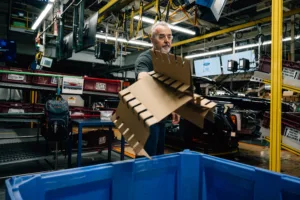
Ford’s plan to remove landfill from its manufacturing operations has an unlikely tool: a basketball backboard. In a blog post on Ford’s own platform, senior environmental engineer Dan Esch explains that fixing backboards to recycling bins helps keep scrap off the floor. It also turns a chore into a small game.
The gimmick serves a serious target. Ford wants zero waste to landfill (ZWTL) from manufacturing across its global operations by 2028.
Where Ford stands today
According to Ford, 84 of its sites worldwide now qualify as ZWTL. The company also says the waste it disposes of from manufacturing has fallen by nearly 25% since 2022. Both figures are self-reported, and the post doesn’t say how many sites remain or how the reduction is measured.
The aim is to divert manufacturing waste through recycling and reuse. Esch presents this as good citizenship and good business, noting that landfill disposal will eventually bring costly clean-up obligations.
Keeping the line moving
There’s an obvious tension here. A busy assembly line has little patience for extra sorting steps, and Ford says building vehicles comes first. Its waste programme therefore has to fit into daily production without slowing anything down.
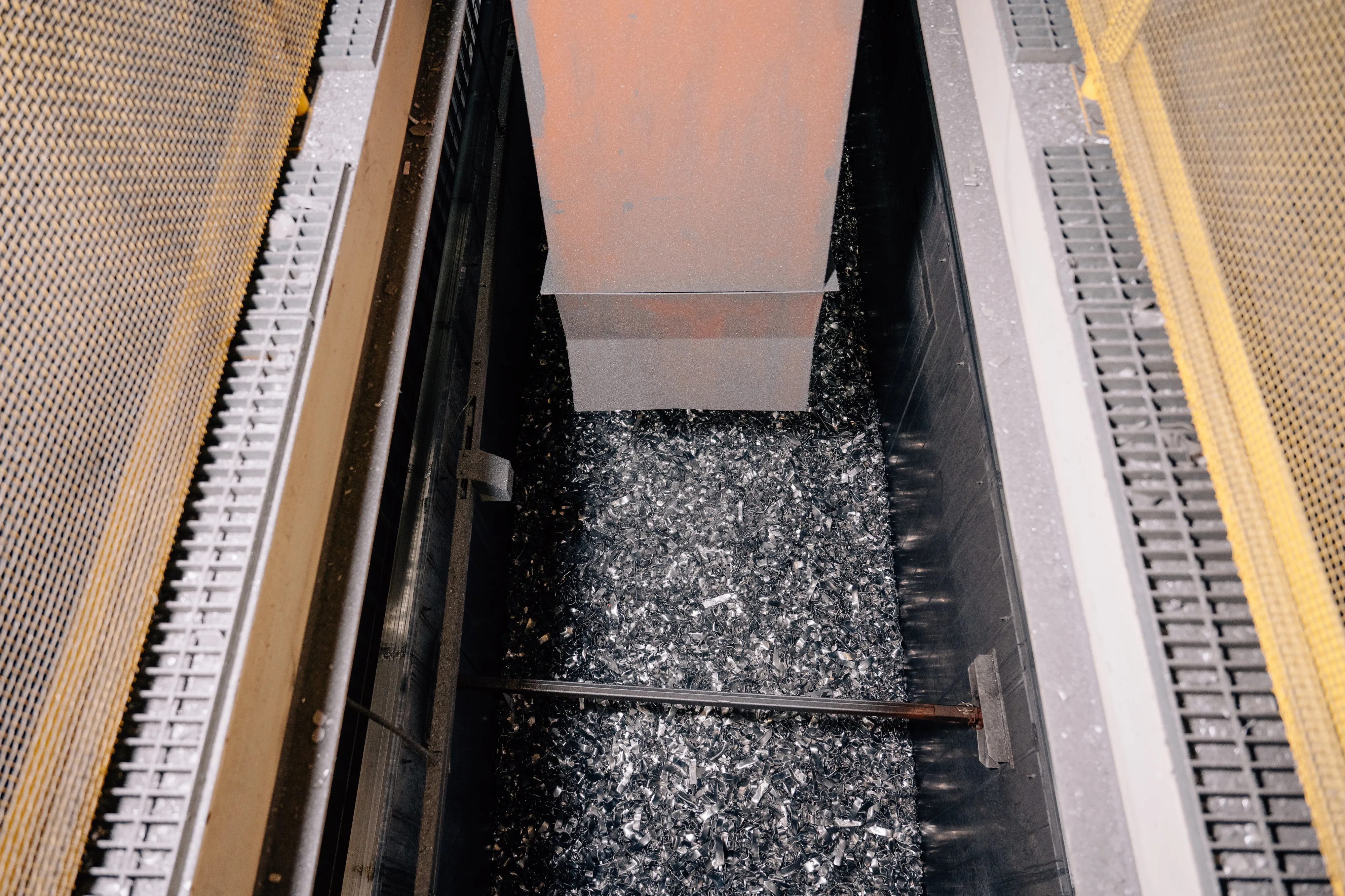
Where possible, Ford automates the job. Esch points to scrap metal handling at Dearborn Stamping as one example. When people still have to do the sorting by hand, the goal is to make it as easy as possible. That’s where the backboards come in, catching material that might otherwise miss the bin. Esch says this preserves the material’s value and avoids the cost of handling it twice.
The harder materials
Not all waste is equal. Metals are simple to recycle, while certain plastics and manufacturing by-products need more research before anyone can find a use for them. Differing regional waste laws and gaps in local recycling infrastructure make the job harder still.
Ford also admits that progress hasn’t been a straight line. This year, three of its plants dropped off the ZWTL list. Sustainability teams responded by looking for new recycling outlets, adding processing and cleaning technologies, forming new partnerships and tightening benchmarks to win the status back. Ford hasn’t said whether those three plants have regained it yet.
From recycling to circularity
Ford calls landfill diversion only part of the picture. The longer-term goal is circularity, which means putting collected materials such as aluminium scrap straight back into its vehicles.
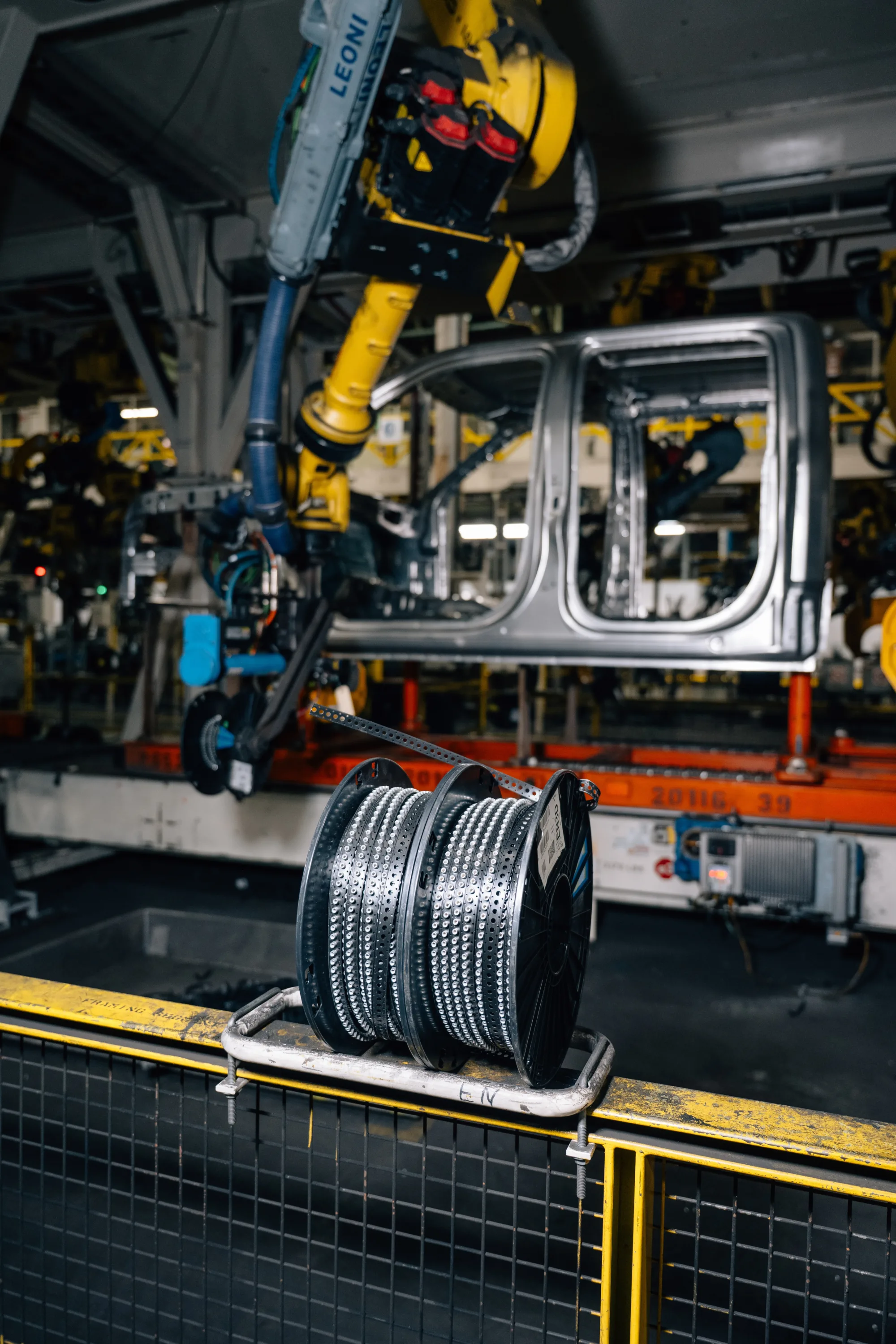
At Dearborn Truck Plant, research and environmental teams are working on turning spent rivet strips from the body shop into battery trays. This is still a collaboration rather than an announced production change. Elsewhere, one facility sent truckloads of stockpiled wooden dunnage to Habitat for Humanity.
Why it matters
None of this is as eye-catching as a new model launch. Still, a carmaker’s environmental record now depends on its factories as well as its tailpipes. With just over two years left before the 2028 deadline, the three plants that dropped off the list show that keeping ZWTL status takes as much work as earning it. Making scrap sorting into a game may sound like a small fix, but Ford is betting the result shows up in its landfill numbers.