Formula 1 will return to Africa for the first time since 1993, under a 10 year agreement with Rwanda that will see a brand-new, purpose built circuit host a grand prix starting in the early 2030s. The announcement ends more than three decades without the sport on the continent: the last African round was the South African Grand Prix at Kyalami back in 1993. F1 had more recently been working on a faster return via a revived Kyalami race, but those negotiations stalled, leaving the door open for a different bid.
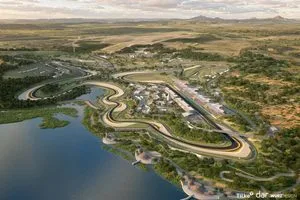
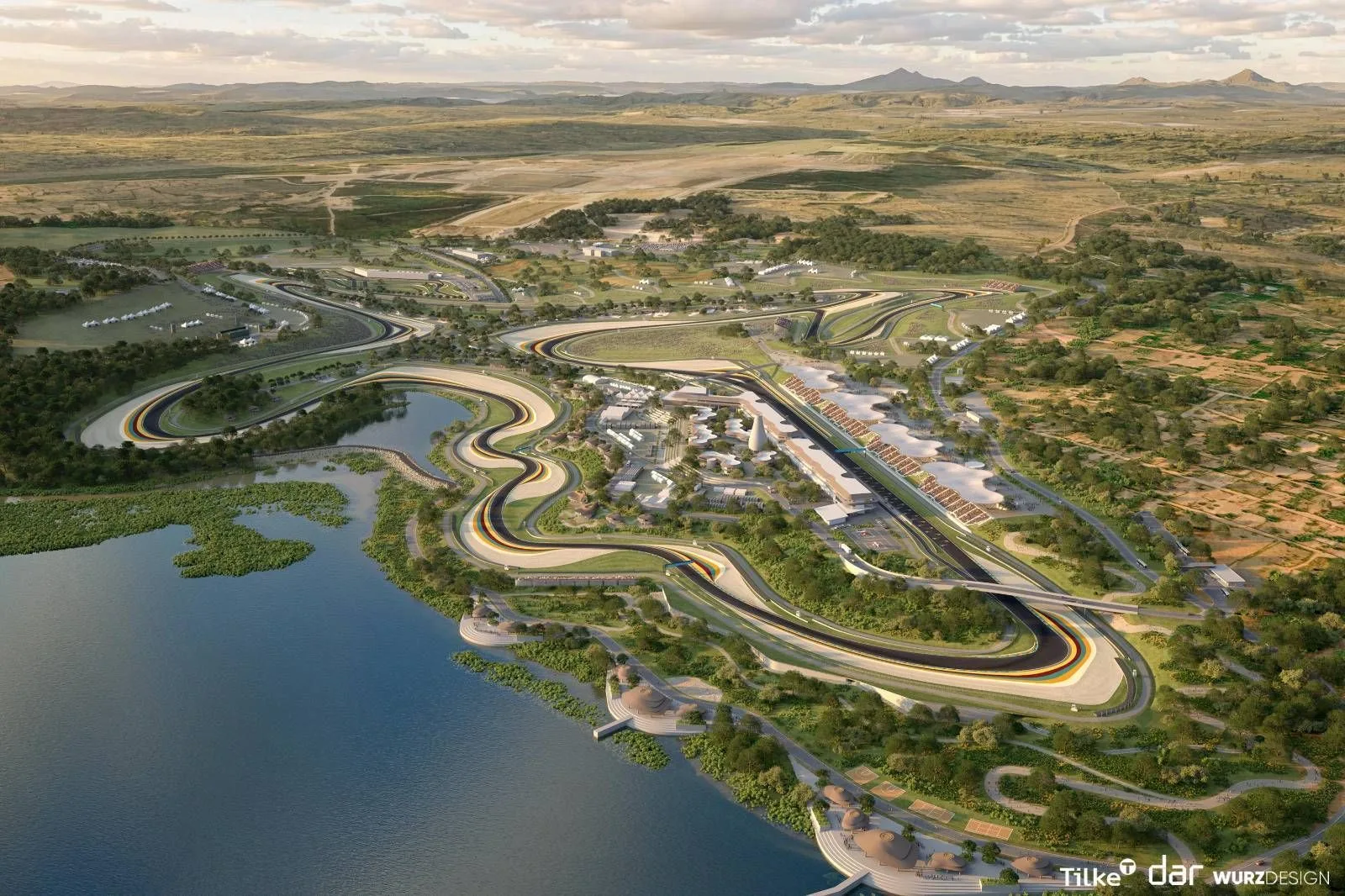
Rwanda’s winning pitch centres on a new circuit in Bugesera, about 40km south of the capital Kigali, built to the FIA’s top Grade 1 standard required for F1. No exact race date or construction milestones have been set yet, with details still to come, but the headline commitment is a full decade of racing once it starts.
Rwandan president Paul Kagame framed the deal as bigger than motorsport: “Today belongs to Africa. For more than three decades, the world’s premier motorsport championship has raced without this continent, and that changes with this agreement.” F1 CEO Stefano Domenicali struck a similar note, saying “Africa has always been part of Formula 1’s future… we were determined to return in the right way, with the right partner”, while FIA president Mohammed Ben Sulayem called it “an important step in the continued global growth of motorsport”.
“Early 2030s” might seem just around the corner, but it might be long enough that Lewis Hamilton, who has publicly pushed for F1 to race in Africa for years, is very unlikely to still be on the grid to see it happen.
The choice of Rwanda over South Africa is also drawing attention, as it was to be expected when the headline is “F1 returns to Africa”. Rwanda has been building an international sports profile for several years now, as Kigali already hosts major cycling events and backs several European football sponsorships. Landing F1 ahead of South Africa, the continent’s traditional motorsport home and a country with an actual ex-F1 circuit sitting ready to be upgraded, says as much about Rwanda’s sports strategy as it does about F1’s calendar planning.