Ford CEO Jim Farley says America’s skilled trades shortage demands faster action, as the company prepares a bigger second edition of its ACCELERATE the Essential Economy event in Detroit.
Ford boss Jim Farley wants America to rethink what a respectable career looks like. In a new post marking one year of the company’s ACCELERATE the Essential Economy initiative, he warns that the skilled trades shortage is growing faster than the response to it.
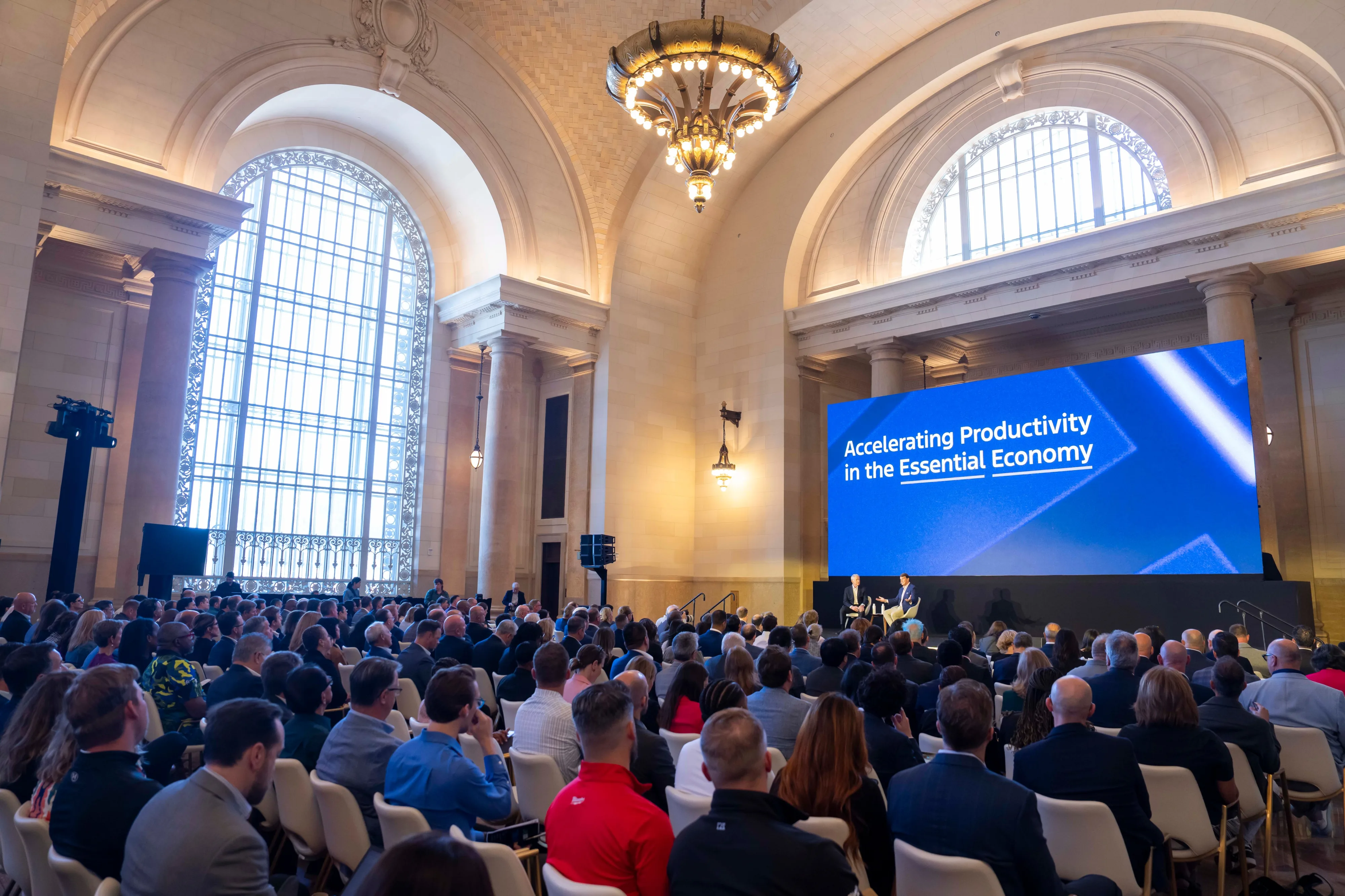
The second edition of the event takes place next week at Michigan Central Station in Detroit. Farley says it will be bigger than the first. He adds that this time Ford arrives with a year of evidence rather than just conviction.
A 2.1-Million-Job Hole
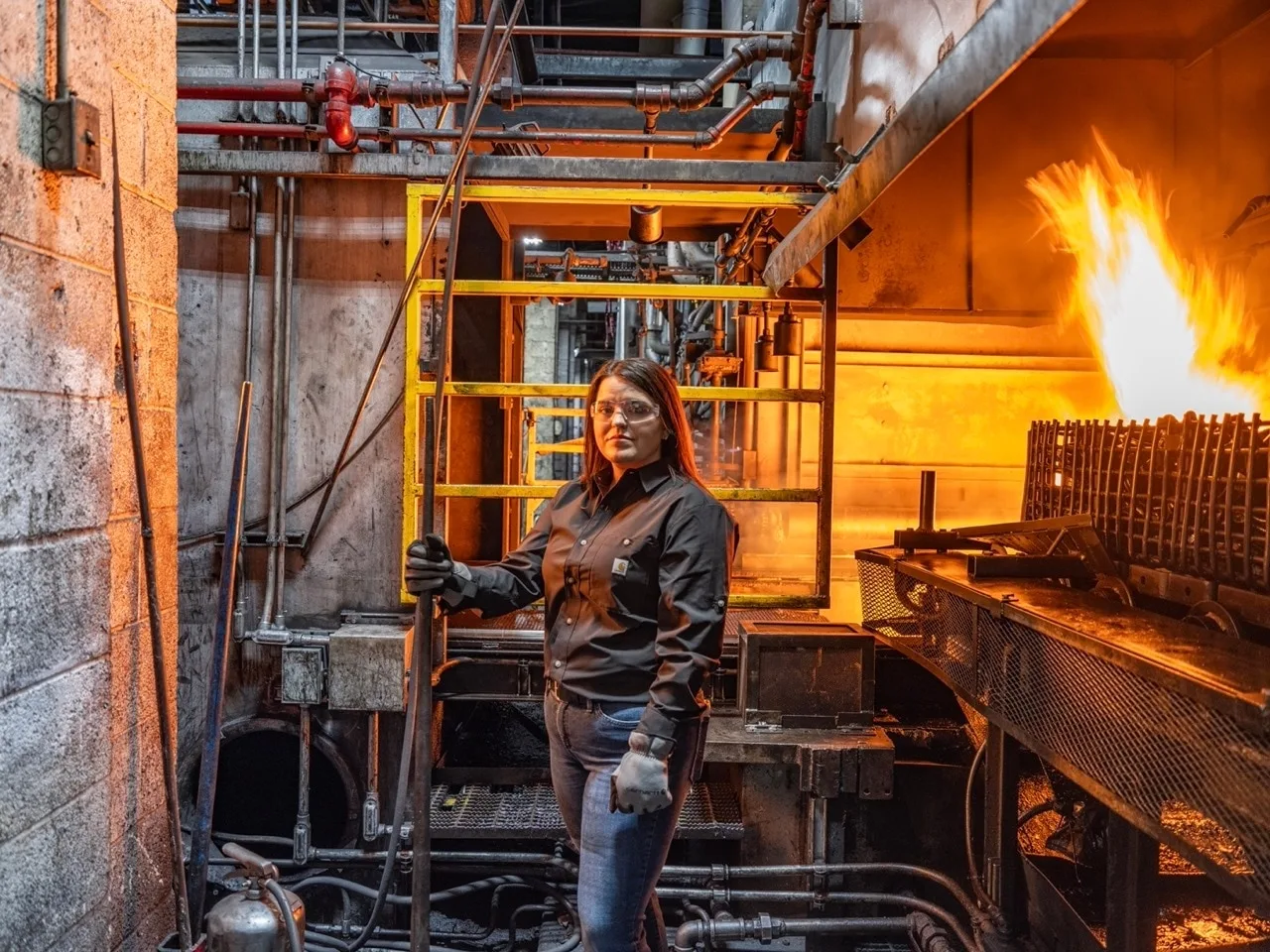
The headline figure is stark. Farley cites a projection that at least 2.1 million skilled trades jobs may go unfilled in the US by 2030. These are the roles that keep the power on, the water running and the roads usable.
Ford calls this part of the economy the Essential Economy. The name is a little on the nose, but the point stands: when these jobs sit empty, the effects reach well beyond any single industry.
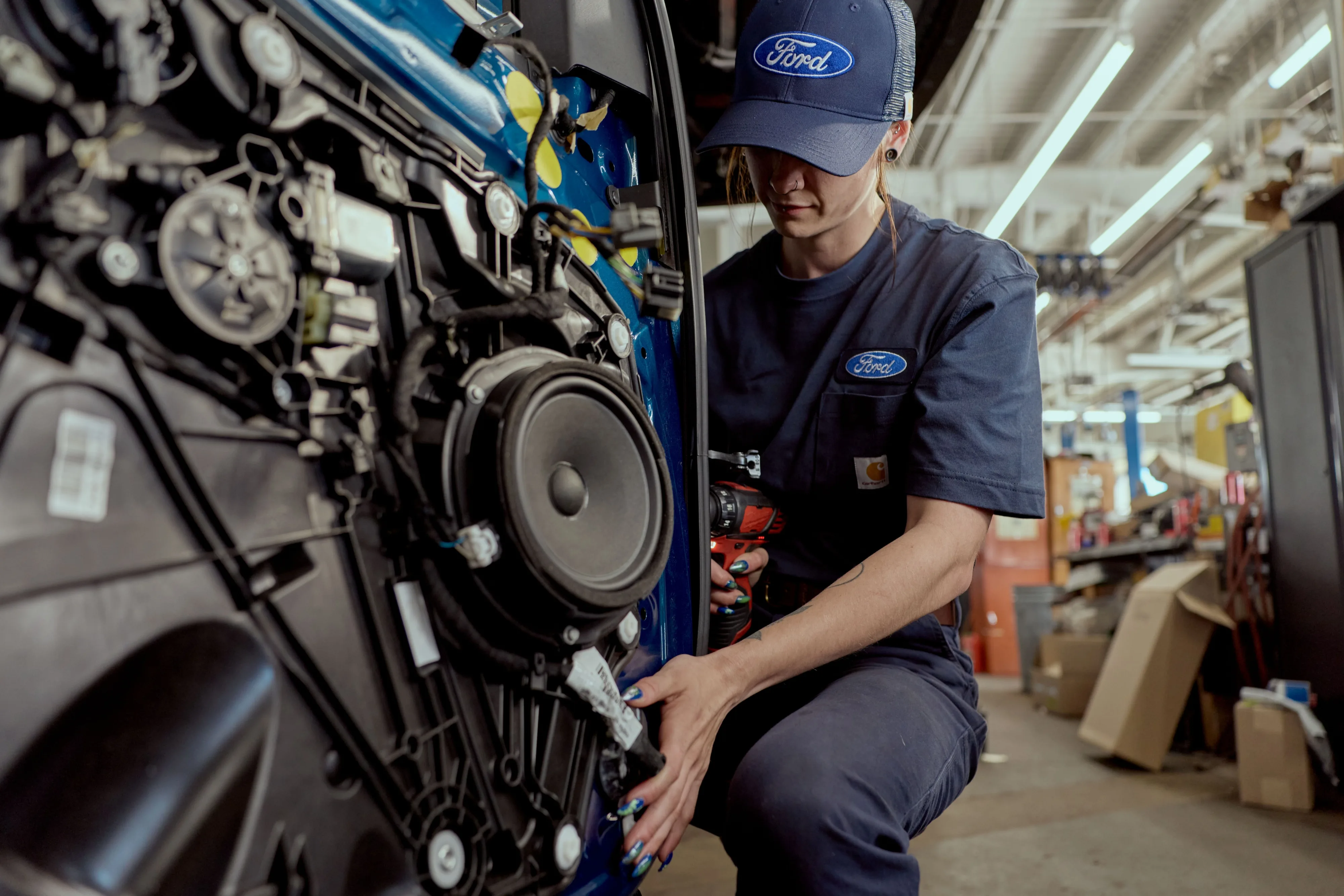
For a carmaker, the link is hardly abstract. Vehicles are built, wired and repaired by exactly the kind of workers Farley is talking about.
A Problem of Perception
Farley argues the shortage is as much cultural as economic. For decades, he writes, young Americans heard that a four-year university degree was the only serious route to a good life. In his view, that story wasn’t wrong, just incomplete.
The research Ford points to backs up the concern. Only about a third of teenagers believe a career in the trades is respected. Even students who are drawn to the work often struggle to find a clear first step, or get steered back towards university.
His conclusion is blunt. The trades haven’t just been underfunded. They’ve been treated as a fallback rather than a calling, and changing that view is the core task for year two.
What Happens Next Week
- The Michigan Central gathering will bring together a broad mix of people:
- Tradespeople
- CEOs
- Mayors
- Small business owners
- Civic leaders
Farley says the aim is to move past diagnosing the problem and to put real weight behind fixing it. Ford will stream the sessions live, and they will also be available to watch afterwards.
Reading Between the Lines
This is a CEO writing about his own company’s initiative, so the tone is naturally upbeat. Apart from the 2.1 million projection and the teen survey result, the post gives few hard numbers on what the first year actually delivered.
To his credit, Farley admits that nothing announced will close the gap on its own. He describes the initiative as a way to build a shared set of facts and start a public conversation. He also insists that no single company, school or government can fix a shortage this size alone.
That honesty helps. Still, Ford has promised a year of evidence, and next week at Michigan Central it will need to show what that evidence is.