The idea that a sub-$40,000 electric vehicle must compromise on safety is looking increasingly difficult to defend. The Leapmotor B05 and Geely EX2 have both earned five-star ANCAP ratings under the organisation’s new Stages of Safety criteria, a more comprehensive framework introduced in 2026 to reflect evolving vehicle technology and real-world road risks.
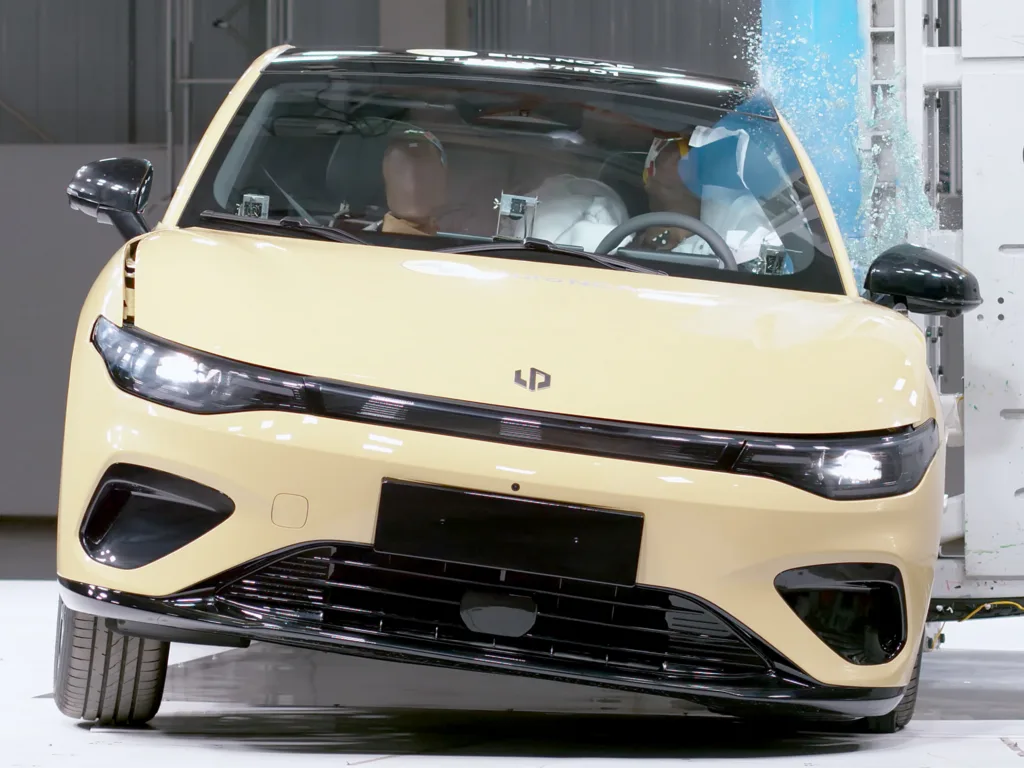
They are only the second and third models to be assessed under these updated standards, which makes the results a meaningful early benchmark for the industry.
What the New Criteria Actually Demand
ANCAP’s 2026 framework goes further than previous assessments in several areas. It now accounts for occupants of a broader range of sizes and statures, introduces new low-speed scenarios such as pedal misapplication and driveway runover risks, and places greater emphasis on post-crash features like eCall, a system that automatically alerts emergency responders to a crash’s location and severity.
Both the B05 and EX2 arrive with eCall hardware fitted as standard. Full activation is expected within 12 months for both brands, at which point existing owners will also gain access to the feature. That’s a meaningful commitment, not just a box-ticking exercise.
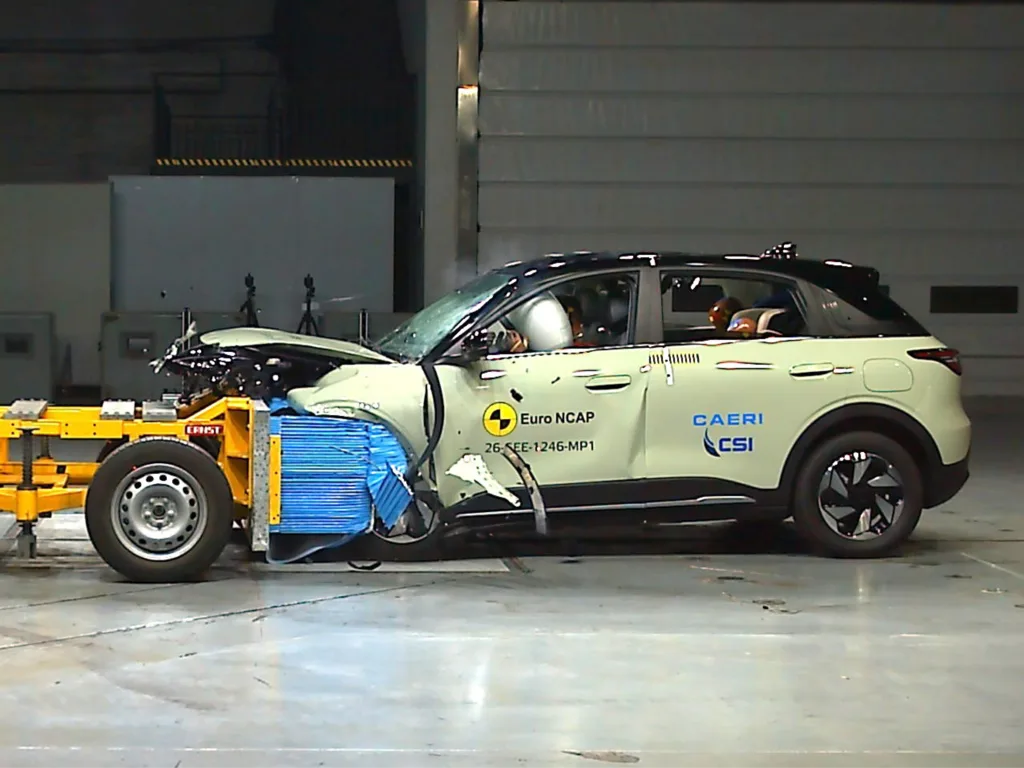
Leapmotor B05: Strong Foundations
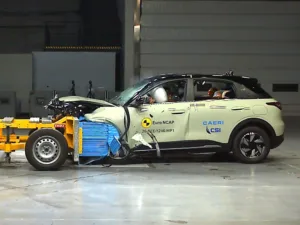
The B05 posted a 92% score in Crash Protection, with its well-designed structure and restraint systems performing consistently across occupants of different sizes. Its autonomous emergency braking system performed well across a wide range of scenarios, and its lane departure collision prevention scored close to full marks.
Some of the newer low-speed scenarios (particularly those involving pedal misapplication and reversing situations) remain areas for development. That’s not unusual for early assessments under new criteria, but it’s worth noting for buyers who prioritise those specific use cases.
The B05 is the third Leapmotor model to earn an ANCAP five-star rating, following the C10 and B10. The brand is building a consistent safety record across its range.
Geely EX2: Punching Above Its Size
The compact EX2 achieved 79% in Safe Driving, supported by a driver monitoring system that performed strongly in detecting distraction. Its occupant monitoring system can identify incorrect seatbelt use and adjust restraints based on the front occupant’s stature, features more commonly associated with vehicles in higher price brackets.
Crash avoidance performance was capable overall, with lane support systems particularly effective in preventing collisions with oncoming and overtaking vehicles, including motorcycles. Some newer low-speed scenarios proved more challenging, and ANCAP has flagged an elevated risk of leg injury for the driver in the frontal offset test, encouraging Geely to address this in future updates.
One notable result: the EX2’s crash compatibility with other road users was rated as impressive. ANCAP attributes this partly to the vehicle’s smaller size and the additional frontal crush space made possible by the absence of a combustion engine, a structural advantage that pure-electric architecture can offer.
Why This Matters Beyond the Ratings
ANCAP chief executive Carla Hoorweg noted that these results demonstrate five-star safety is achievable at an accessible price point, and that newer brands can compete on safety just as they compete on value and technology.
For buyers in Australia and New Zealand weighing up a first EV purchase, that’s a genuinely useful data point. Five-star ratings under stricter criteria, at prices that undercut much of the established competition, that changes the conversation.