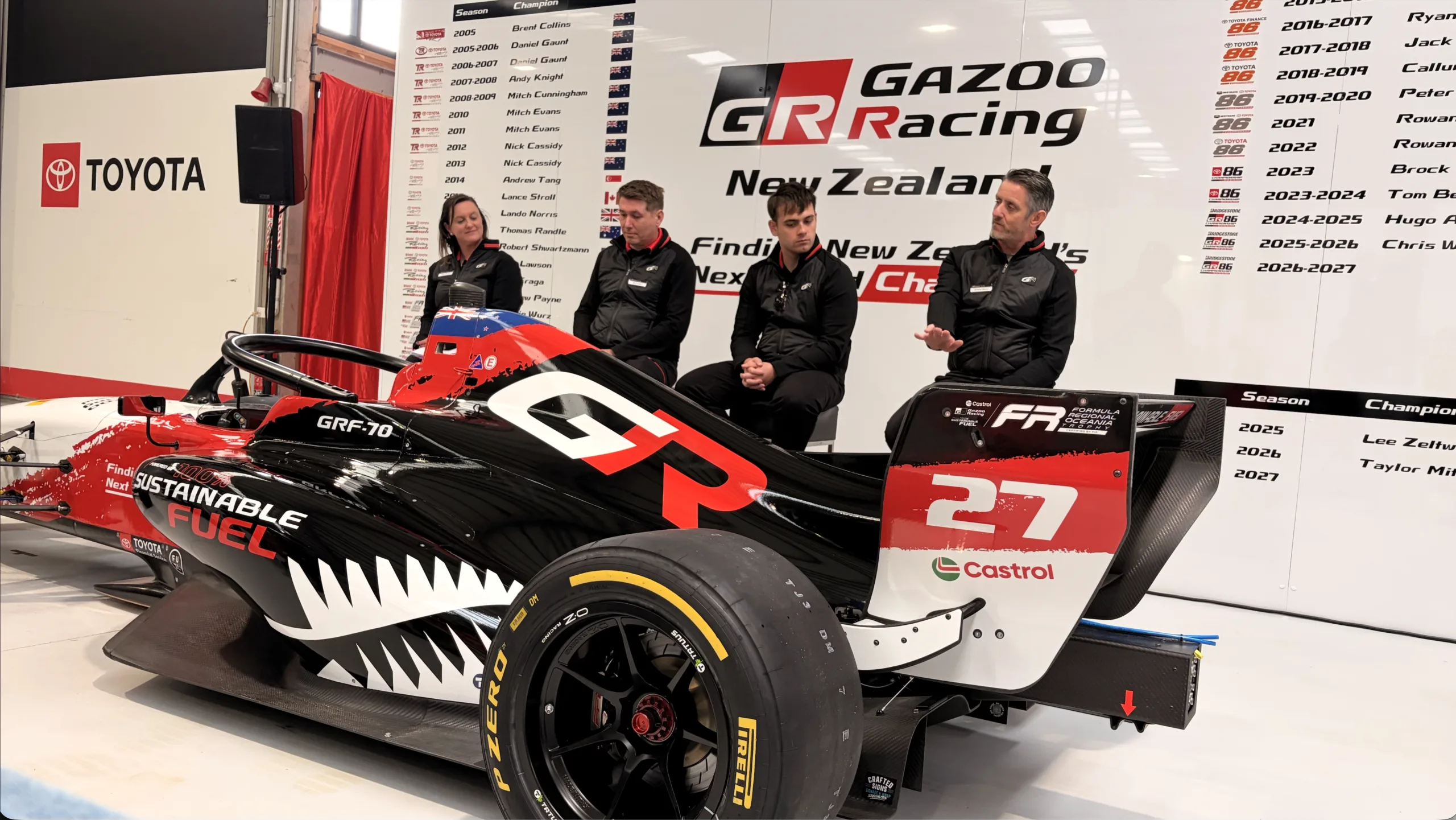
Toyota’s next-generation Formula Regional racer has made its public debut at Hampton Downs, bringing Gen 2 technology and a locally developed powertrain to the Castrol Toyota Formula Regional Oceania Trophy, with a renewed focus on driver experience. And, of course, Toyota (smartly) chose Hampton Downs to pull the covers off their newest race car.
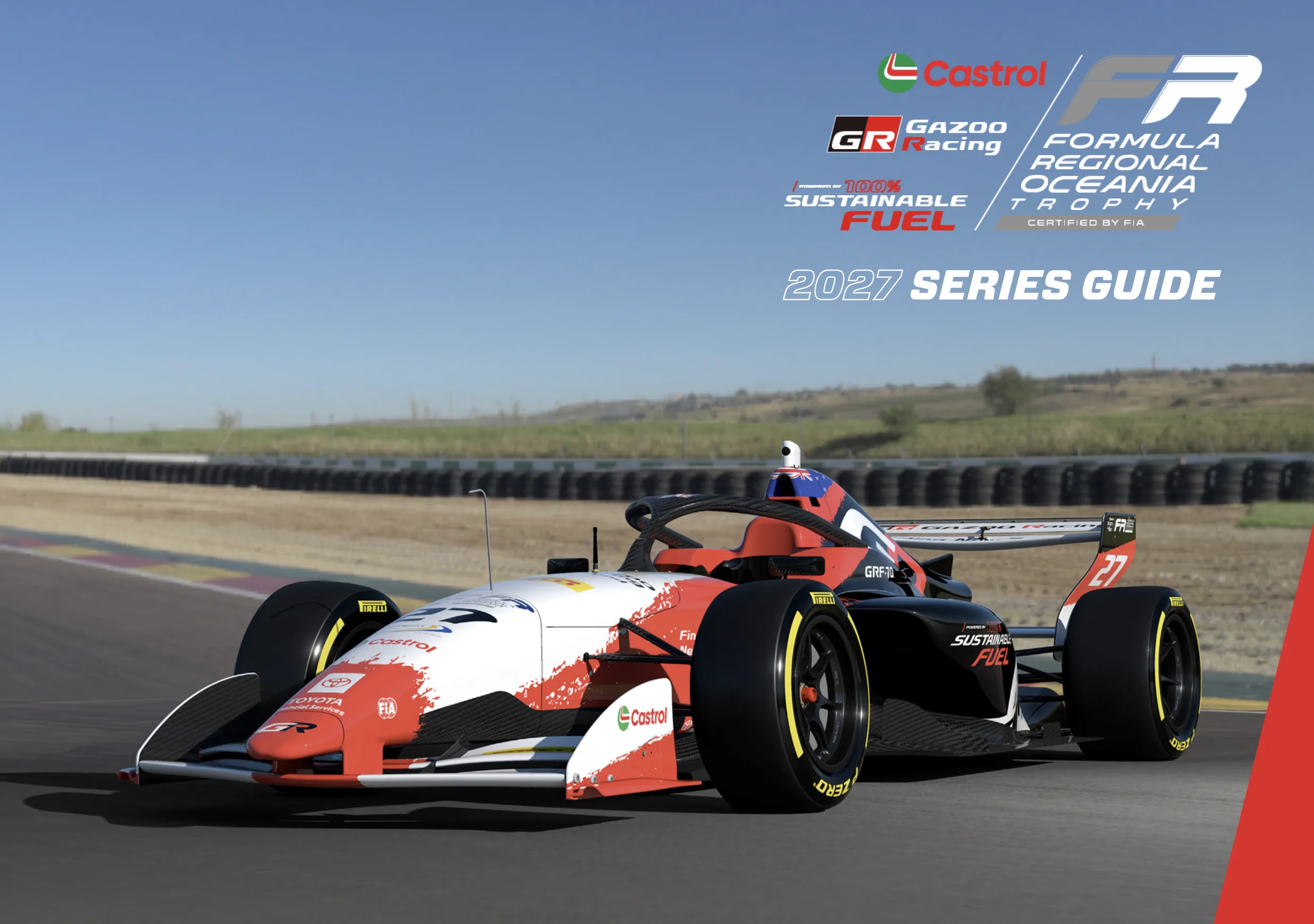
This is because Hampton is where Toyota GAZOO Racing New Zealand’s single-seater operation is based, where its race cars are prepared and maintained, and where much of the development work behind the country’s premier junior single-seater category takes place. And today, we got to see it first hand: meet the GRF-70.
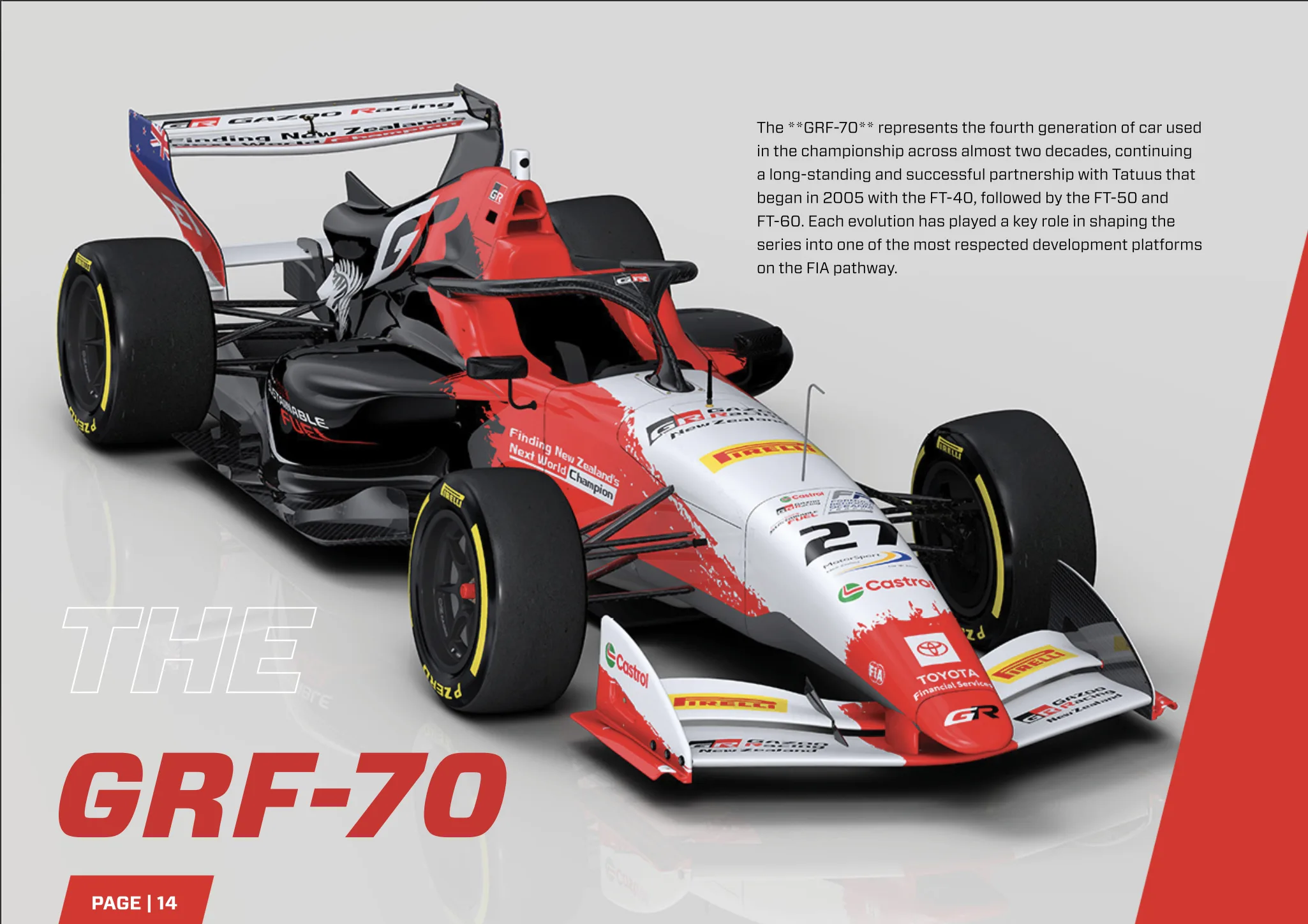
The GRF-70 replaces the FT-60, which has served the Toyota Racing Series/Formula Regional Oceania field since 2020, and represents the fourth generation of Toyota-powered single-seaters introduced to the category since the FT-40, FT-50 and FT-60.
A new generation of Formula Regional machinery
At the heart of the GRF-70 is the Tatuus T-326, the latest Formula Regional chassis developed for the global Gen 2 regulations. It retains the carbon fibre monocoque construction expected of a modern junior formula car, but almost everything around it has been updated. The aerodynamic package has been developed with a focus on allowing cars to follow one another more closely. That means more downforce for the car itself, while attempting to reduce the aerodynamic penalty suffered by a following car, which by consequence leads to a better spectacle.
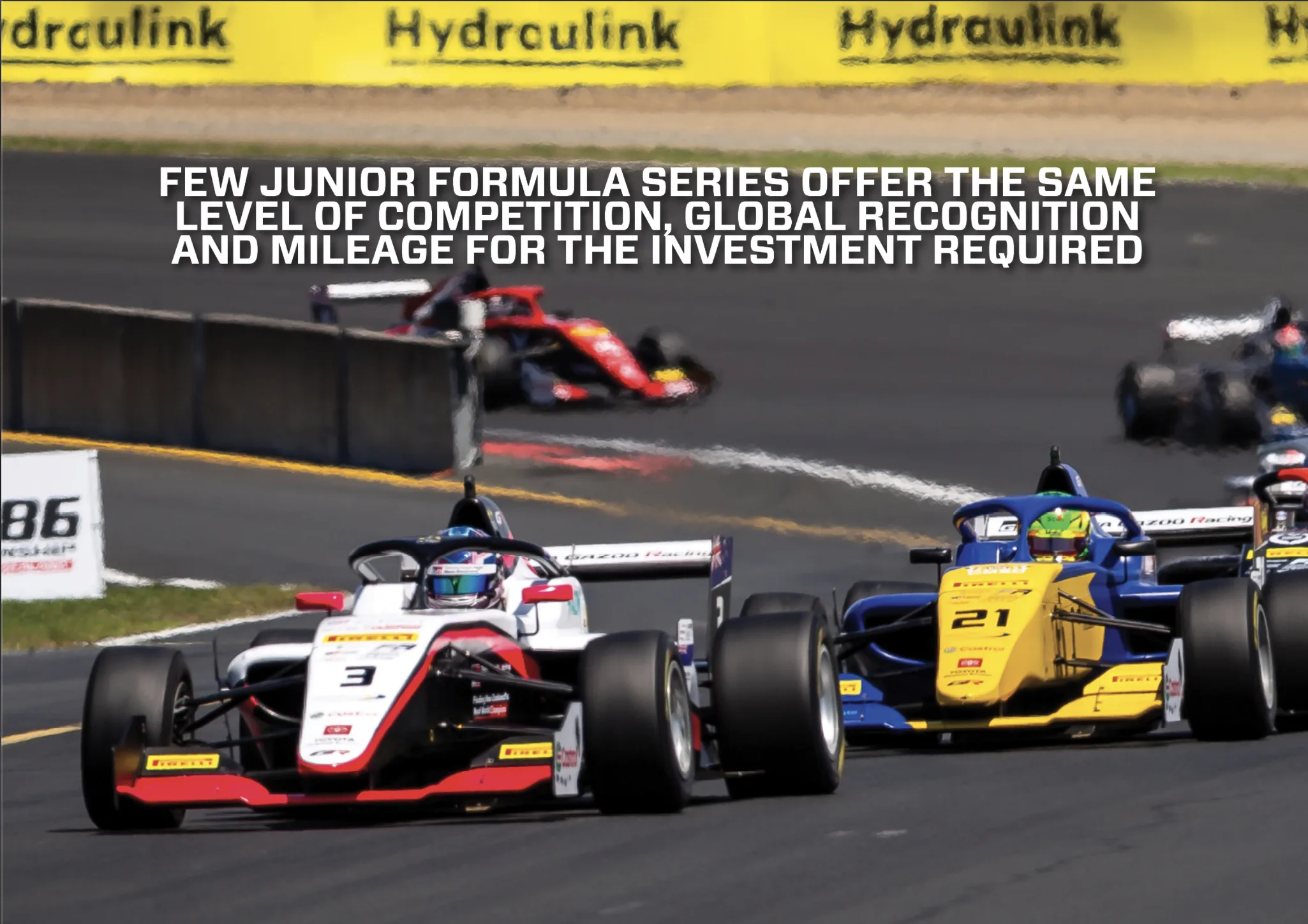
Junior formula racing is ultimately about developing drivers, and giving them opportunities to race and grow their skills. The GRF-70’s aerodynamic development is therefore aimed not only at making the car faster, but at making the racing better. The championship’s push-to-pass system, introduced for the 2026 season, will also carry over into the new generation. Toyota cites a 30% increase in overtaking during its first season, and the combination of that system with the new aerodynamic philosophy should make the GRF-70 an even more effective racing platform.
More comfortable, more accessible
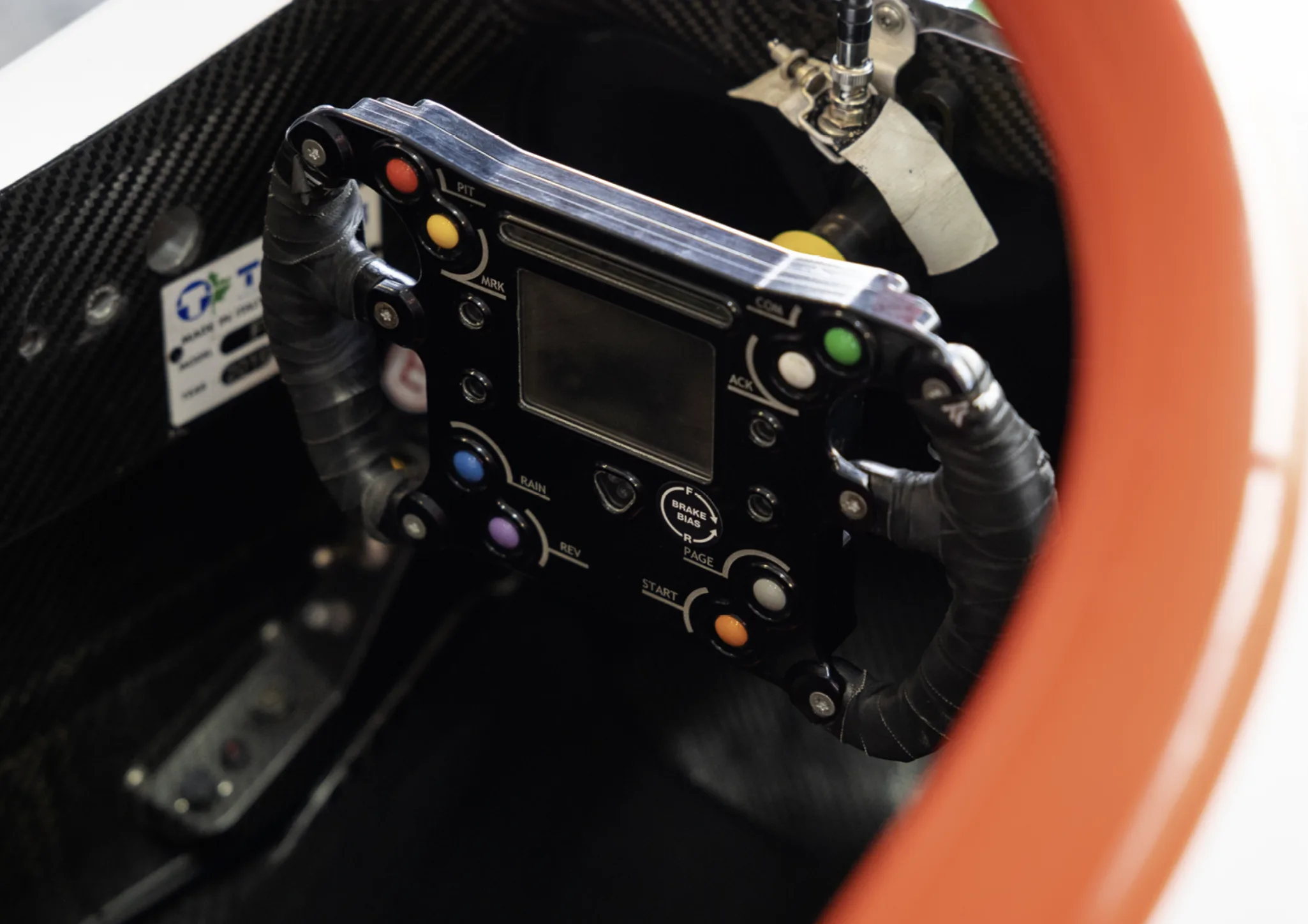
One of the less glamorous but arguably more important changes, as highlighted by one of the race car drives himself, is accessibility and comfort. The previous gen Formula Regional car was not exactly renowned for driver comfort, particularly when it came to accommodating drivers of different heights and physiques.
Gen 2 cars feature a redesigned seating position and greater adjustability, allowing the car to accommodate a wider range of drivers, and the front suspension has also been redesigned to reduce steering effort. Those changes are not headline grabbing, sure, but they matter enormously in a category whose fundamental purpose is driver development – and a confident driver is a faster driver.
The heart remains very Kiwi
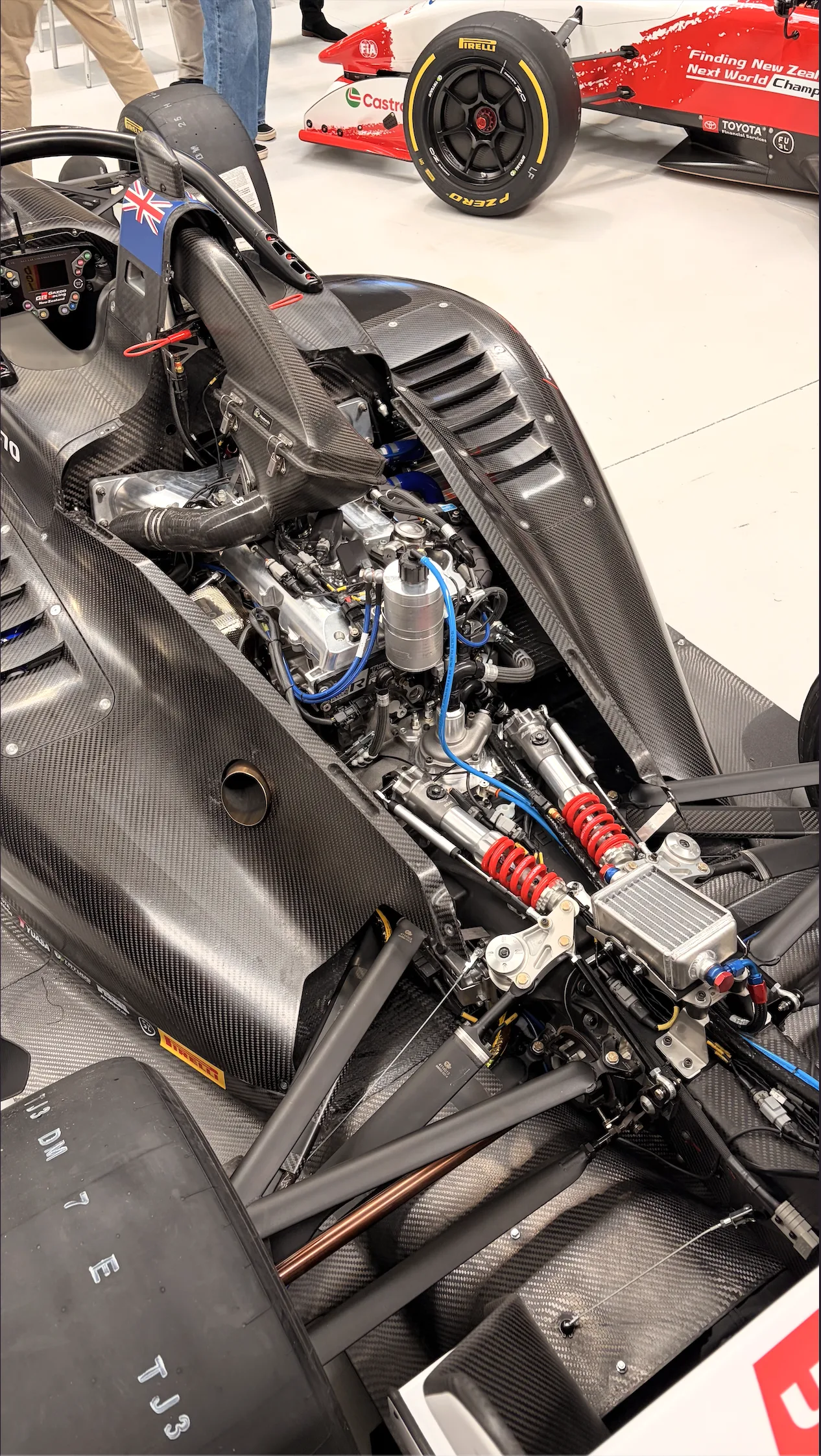
There’s also a very Kiwi ingredient to this whole recipe. Power continues to come from the 2.0-litre turbocharged 8AR-FTS four popper, the same basic engine architecture that has powered the FT-60 since 2020. For anyone familiar with Toyota and Lexus road cars, the engine will be familiar territory, being the base engine used in models including the Lexus IS 200t and RC 200t, just turned up to 11, of course.
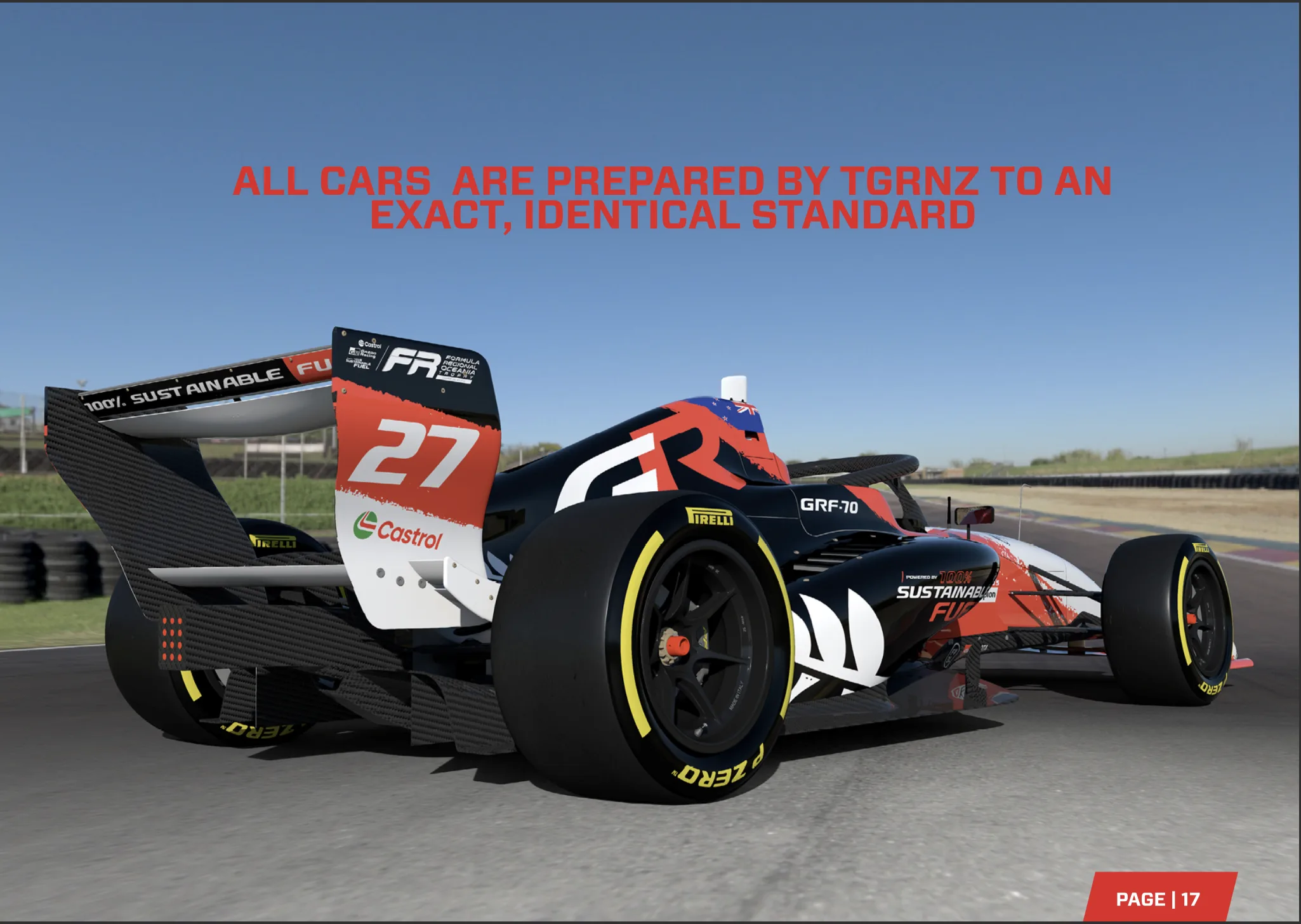
Development and preparation remain a distinctly New Zealand operation, with results of around 212kW, with the engine paired to a Sade’s six-speed sequential transmission.
Again, not outrageous figures, but the philosophy here is not to chase an enormous headline power figure at the expense of reliability, something Toyota has become exceptionally good at with this category. The previous 8AR-FTS package has established an impressive reputation for durability in Formula Regional competition, without a single report of an engine failure in the series – this doesn’t even read like a motorsport phrase.
That is an important part of the Kiwi ingenuity behind this programme: take an existing Toyota road car engine, develop it locally into a highly specialised racing unit, and then put it through the punishment of an international-level junior formula championship, while developing young talent.
Sustainability without sacrificing performance
Running on Fu3L synthetic fuel, produced using renewable feedstocks, the GRF-70 will also corroborates Toyota’s push for greener operations. Quoting a substantial reduction in well to wheel CO₂ emissions compared with conventional petrol, it brings the category into line with the broader FIA push towards more sustainable motorsport, with zero downsizing or electrification.
Standing at Hampton Downs today, the most interesting aspect of the GRF-70 isn’t any of the figures around the car, but what it represents. Continuing to operate an entire single-seater program here in New Zealand, with the cars prepared locally, engines developed and maintained locally, and a significant amount of the engineering knowledge retained within the Kiwi operation.
The company has also made no secret of the fact that this program is about finding and developing New Zealand’s next world class racing talent. The list of drivers who have passed through Toyota’s New Zealand single-seater program is already impressive, with former champions including Lando Norris, and the category continuing to attract international prospects alongside Kiwi talent. And the arrival of the GRF-70 is therefore a showcase of New Zealand’s power in motorsport both in people, and product. We love to see it!