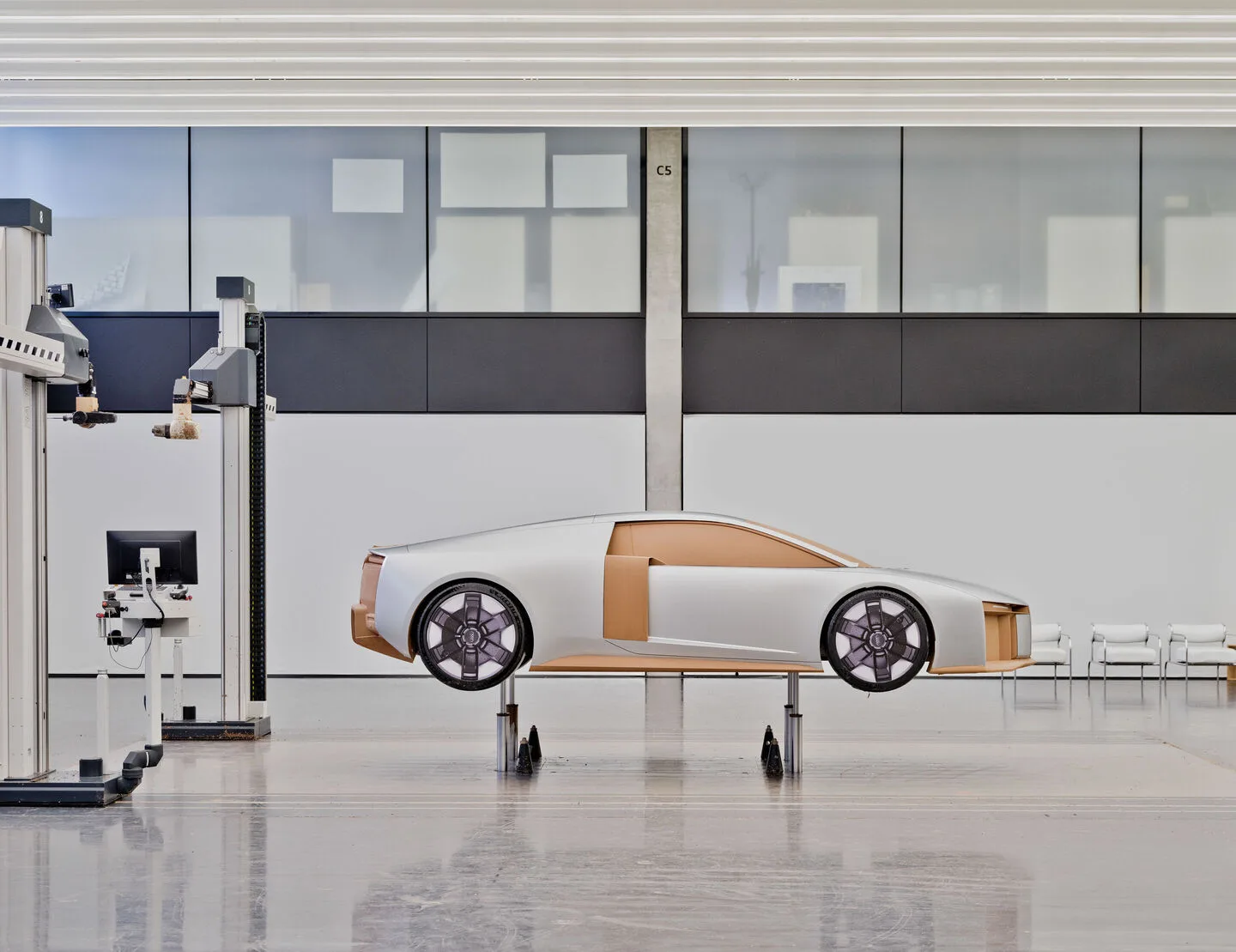
Four hundred and five days. That is all the time Audi needed to take the Nuvolari from a blank page to a car capable of being driven at speed on a high speed test track. That’s remarkable pace, even if you consider it’s coming from a shared platform (sort of).
A Different Way of Working
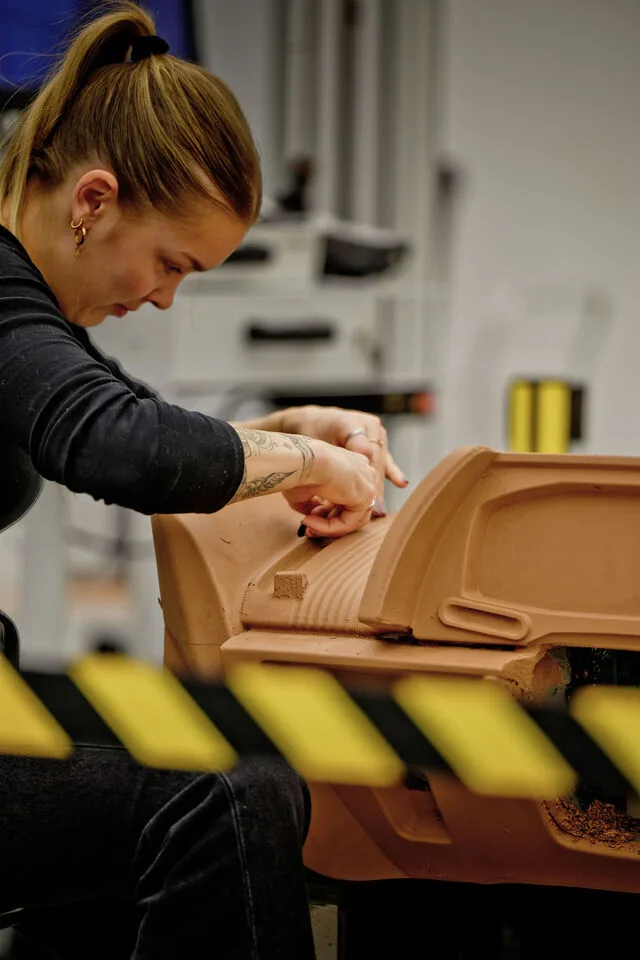
And that’s all because the Nuvolari’s development broke from Audi’s usual structure: rather than passing the project through separate departments in sequence, the company assembled an autonomous team from the outset. Designers, aerodynamicists, powertrain engineers, and chassis specialists worked alongside one another from day one.

Chief Creative Officer Massimo Frascella described the result as proof that speed and quality are not mutually exclusive when the right mindset and close teamwork are in place. Shorter communication cycles and fast decision making kept the project moving without the delays. CEO Gernot Döllner framed the achievement directly, calling it a striking example of how quickly Audi can bring an idea to life, using the brand’s long standing “Vorsprung durch Technik” philosophy as the guiding principle.
From Lapland to Nardo
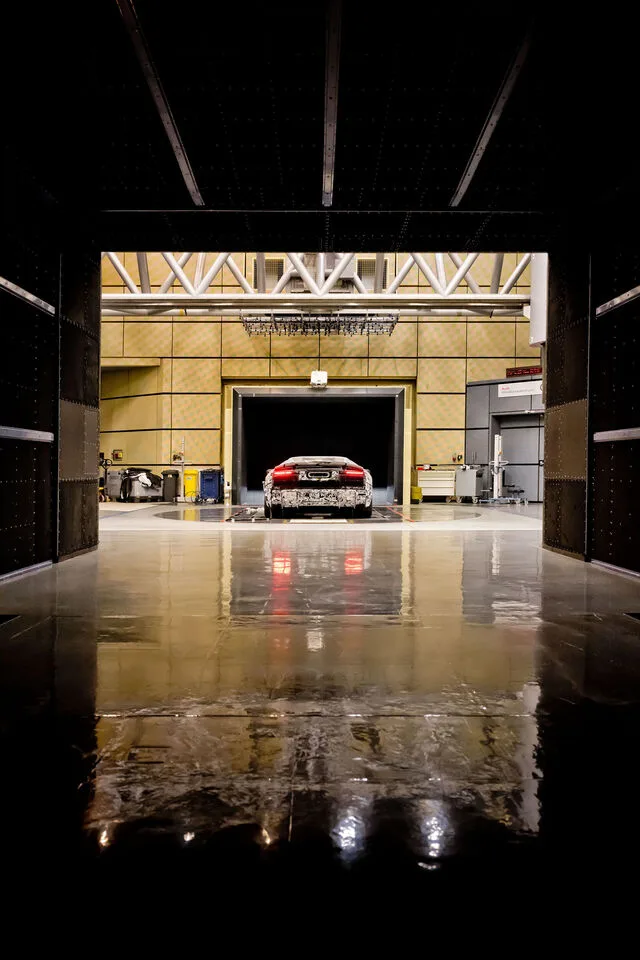
The development programme covered considerable ground, both literally and technically. Cold weather testing took place in Lapland with technology demonstrators, lightweight construction work was carried out in Neckarsulm, aerodynamic studies happened in the Ingolstadt, suspension tuning in southern Spain, and high speed validation at the Nardò Technical Center in Italy. Phew.
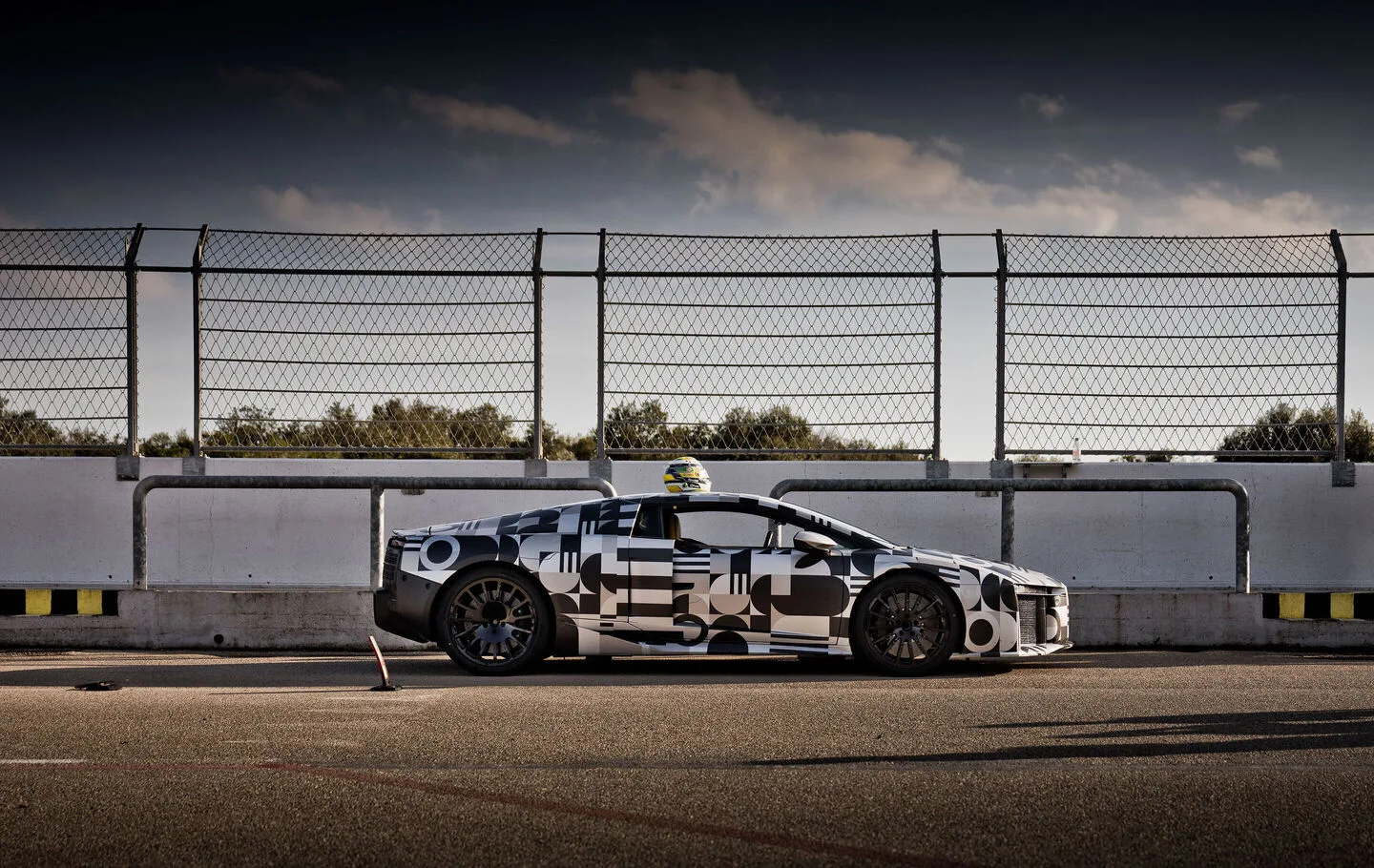
That final stage brought in the Audi Revolut Formula 1 team drivers. Gabriel Bortoleto completed high speed runs at Nardò, describing the car as extremely quick with an incredible sound, while Nico Hülkenberg tested at the Neustadt an der Donau circuit, singling out the acceleration and the combined system output of more than 1,000 PS as a genuine statement.
World Premiere and Recognition
The drivable prototype was presented on 4 June 2026, with the world premiere held in Antibes before the car made its public road debut at the Monaco Formula 1 Grand Prix. Döllner described Monaco as the most fitting possible location for the Nuvolari’s first drive in public. The car has since been named Design of the Year at the UK-based CAR Genius Awards. The jury cited its sense of restraint and clarity within the supercar segment, and noted that the design feels new while remaining unmistakably Audi. It is also the first series production Audi to carry the brand’s new design language.
Audi positions the Nuvolari not simply as a halo product but as a technological North Star, intended to guide future development across the brand’s portfolio (I’m all for it). Preliminary figures list combined weighted fuel consumption at 11.3 l/100 km and power consumption at 7.8 kWh/100 km, with CO₂ emissions of 270 g/km on a weighted combined basis. These are noted as preliminary figures from a near production prototype, but considering what we’ve seen from the Temerario (which shares a lot with the Nuvolari), we might be closer to reality than we think.
Whether the Nuvolari’s development model influences how Audi approaches future projects is perhaps the more interesting question. A 405-day timeline, if repeatable, would represent a meaningful shift in how a large manufacturer can operate, especially in trying times like these.