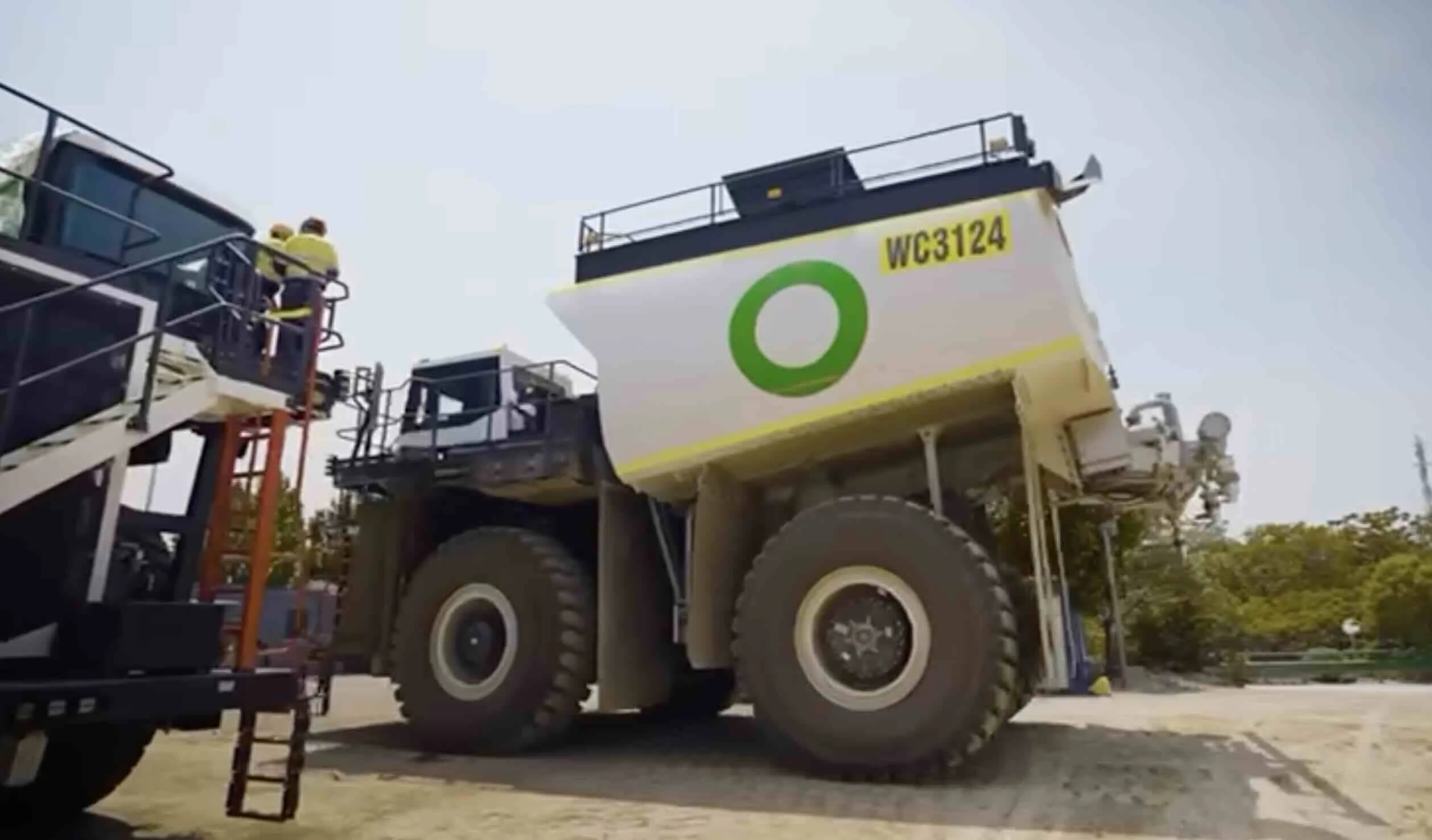
Fortescue is moving its ambitious diesel phase-out from planning into practice. The Australian iron ore giant has been trialling prototype electric mining machines built by Chinese manufacturer XCMG, including a 150-tonne battery-powered water truck, electric dozers, wheel loaders, and graders, all destined for its Pilbara operations in Western Australia.
CEO Dino Otranto travelled to China to test the machines firsthand, describing them in a LinkedIn post as “very smooth.” That may sound like faint praise for equipment of this scale, but for heavy mining machinery making the switch from diesel, it is a meaningful early signal.
What Is Being Tested
The prototype lineup covers several machine types that form the backbone of a working mine site. The 150-tonne electric water truck is among the most striking, given that water carts of this size typically consume enormous quantities of diesel on active sites. XCMG is also producing electric graders, wheel loaders, and dozers for Fortescue.
These machines join equipment Fortescue is already operating. The company currently runs 16 electric excavators across its iron ore operations, each reportedly saving one million litres of diesel per year. Around half of its 70-strong excavator fleet is expected to be electric by the end of 2026.
The Bigger Picture
Fortescue’s decarbonisation target is to eliminate diesel from its Pilbara mines entirely by the end of the decade. To support that, the company is building more than a gigawatt of solar capacity and its first wind farm, aiming to establish a green energy grid by 2028.
The largest single contributor to diesel reduction will be the replacement of its haul truck fleet. More than 300 giant 240-tonne electric haul trucks, sourced from both XCMG and Liebherr, are planned. Fortescue has developed its own 6 MW charging stations internally to handle the power demands those trucks will require.
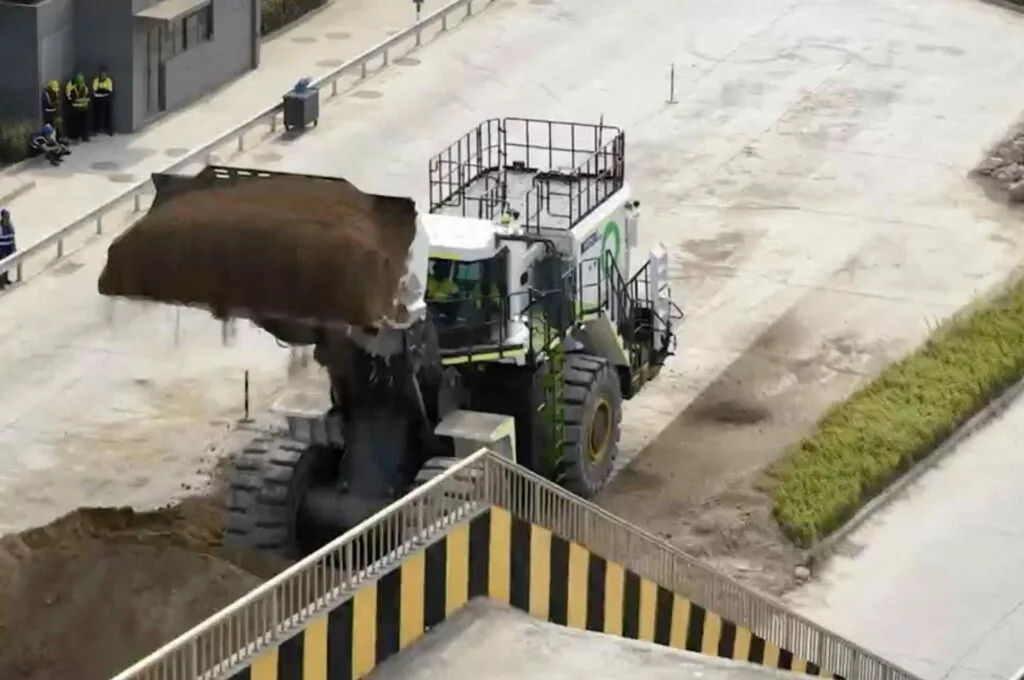
The first of the new prototype machines are due to arrive in the Pilbara later in 2025, with a broader rollout scheduled across 2027.
Why This Matters Beyond Mining
Fortescue’s programme stands apart from its peers. Rival miners have been slower to act, in part because substantial diesel rebates reduce the financial pressure to change. Fortescue is pressing ahead regardless, making it arguably the most ambitious corporate decarbonisation effort in Australia, and a significant test case for whether heavy industry can genuinely electrify at scale.
The machines being trialled are not concepts or renders. They are physical prototypes that Otranto has personally operated. That distinction matters. Getting electric equipment of this size to work reliably in one of the world’s harshest mining environments is a different challenge entirely from building it in a factory. The real test begins when these machines start working shifts in the Pilbara heat.