Ferrari has spent decades building some of the most recognisable and emotionally charged cars on the planet. Yet somehow, the company’s first fully electric model has found itself at the centre of one of the internet’s strangest automotive pile-ons in recent memory.
The newly unveiled Ferrari Luce was always going to be controversial. As Maranello’s first EV, it carries the unenviable task of convincing traditional Ferrari enthusiasts that an electric future can still feel special. What Ferrari perhaps didn’t anticipate was that much of the online conversation would revolve around a completely different car: the Nissan Leaf.
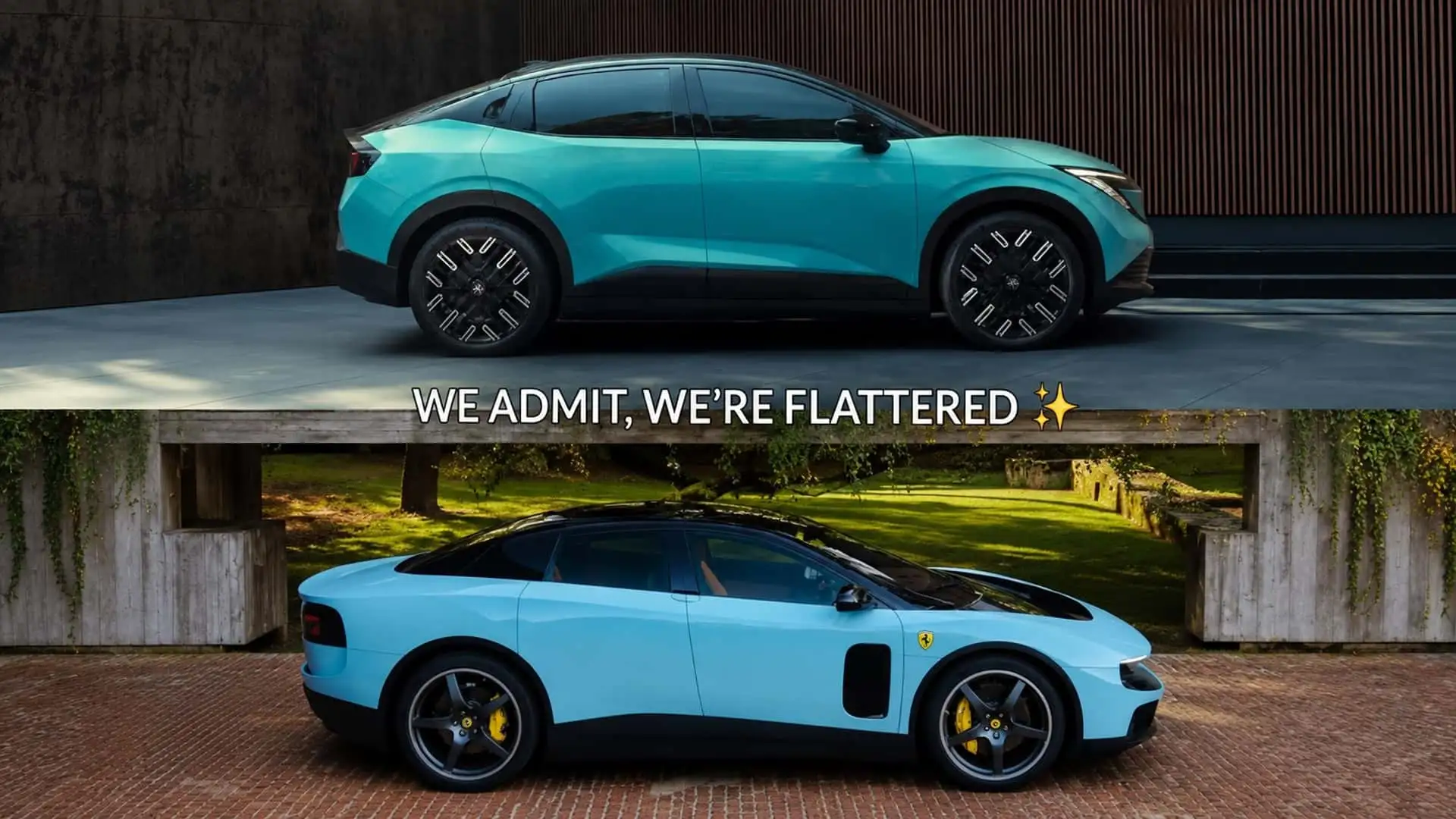
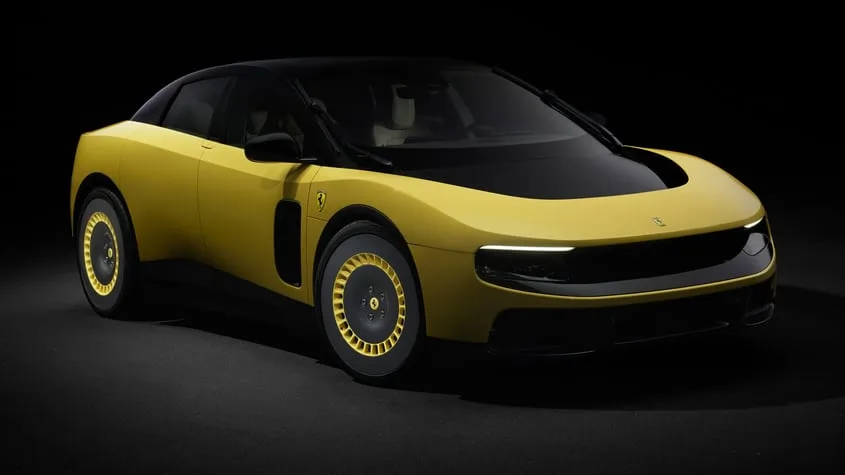
Shortly after the Luce was revealed, social media users began drawing comparisons between Ferrari’s sleek but controversial electric flagship and some other models, including the latest-generation Nissan Leaf. While the similarities are not exact, many pointed to the overall silhouette, soft surfacing and even the launch colour as reasons why the “inspiration” was there. The internet did what it does best, and within hours the memes were everywhere. And then, of course, Nissan decided to join the conversation.
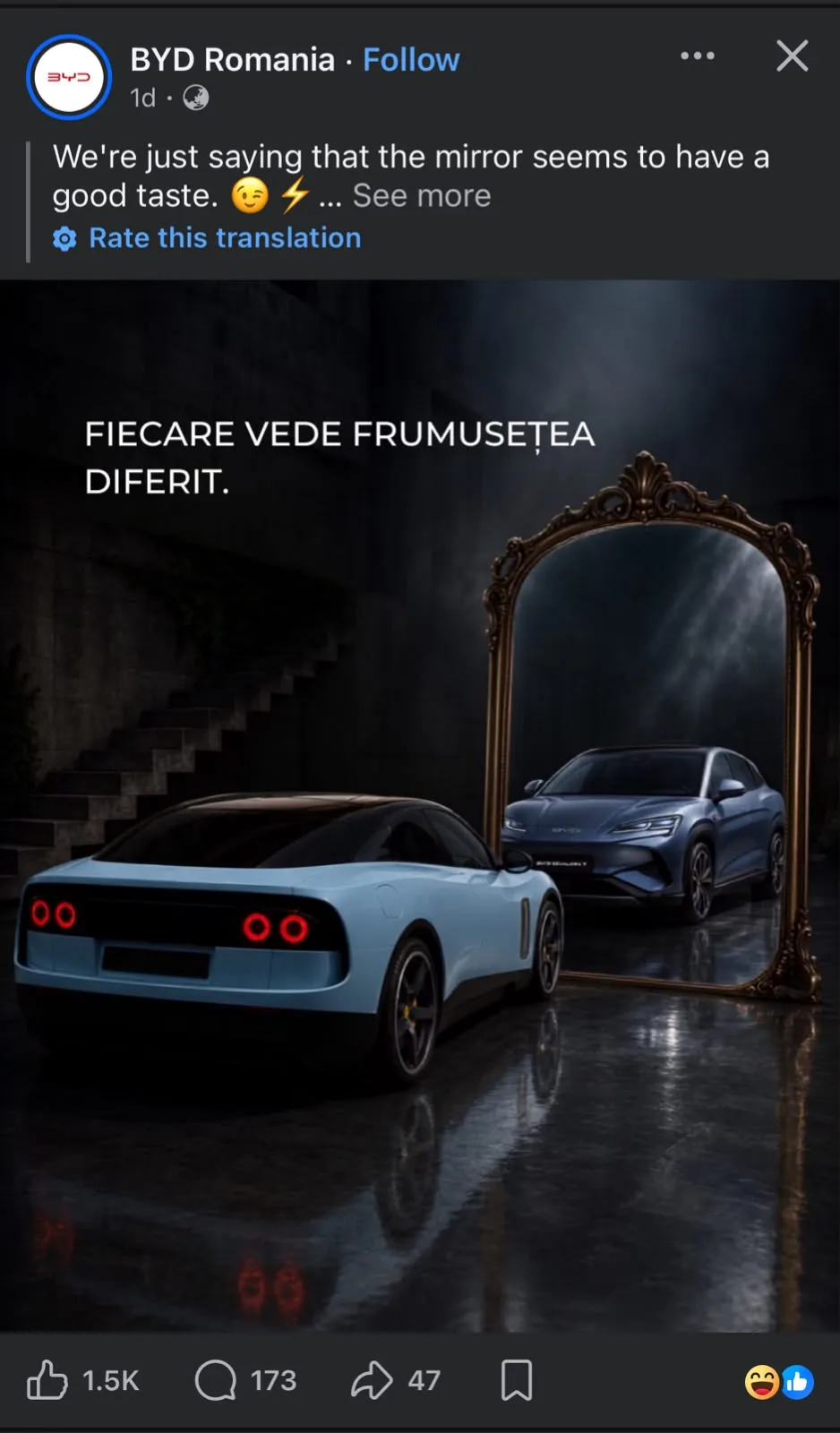
In an unexpected move, some brands decided to take to social media to make the most of the situation – see BYD’s post below. Nissan Ireland published a social media post placing the Leaf and Luce side by side, accompanied by a cheeky message thanking Ferrari for the “imitation”. The post quickly went viral, generating thousands of reactions and further amplifying a comparison that Ferrari would probably rather have ignored.
Since its unveiling, the Luce has become one of the most polarising Ferrari launches in recent history. Critics have accused the design of looking too generic, too appliance-like, and lacking the drama traditionally associated with the Prancing Horse.
Part of that reaction stems from the involvement of LoveFrom, the design company associated with former Apple design chief Jony Ive. Ferrari’s move towards a cleaner, more minimalist aesthetic for the Luce has been the most unanimous reaction I’ve seen from enthusiasts around a release for the brand, and it’s not good. While there is a lot to like when looking at elements individually, the overall package feels like a rejection of the visual aggression and theatricality that made Ferraris instantly recognisable.
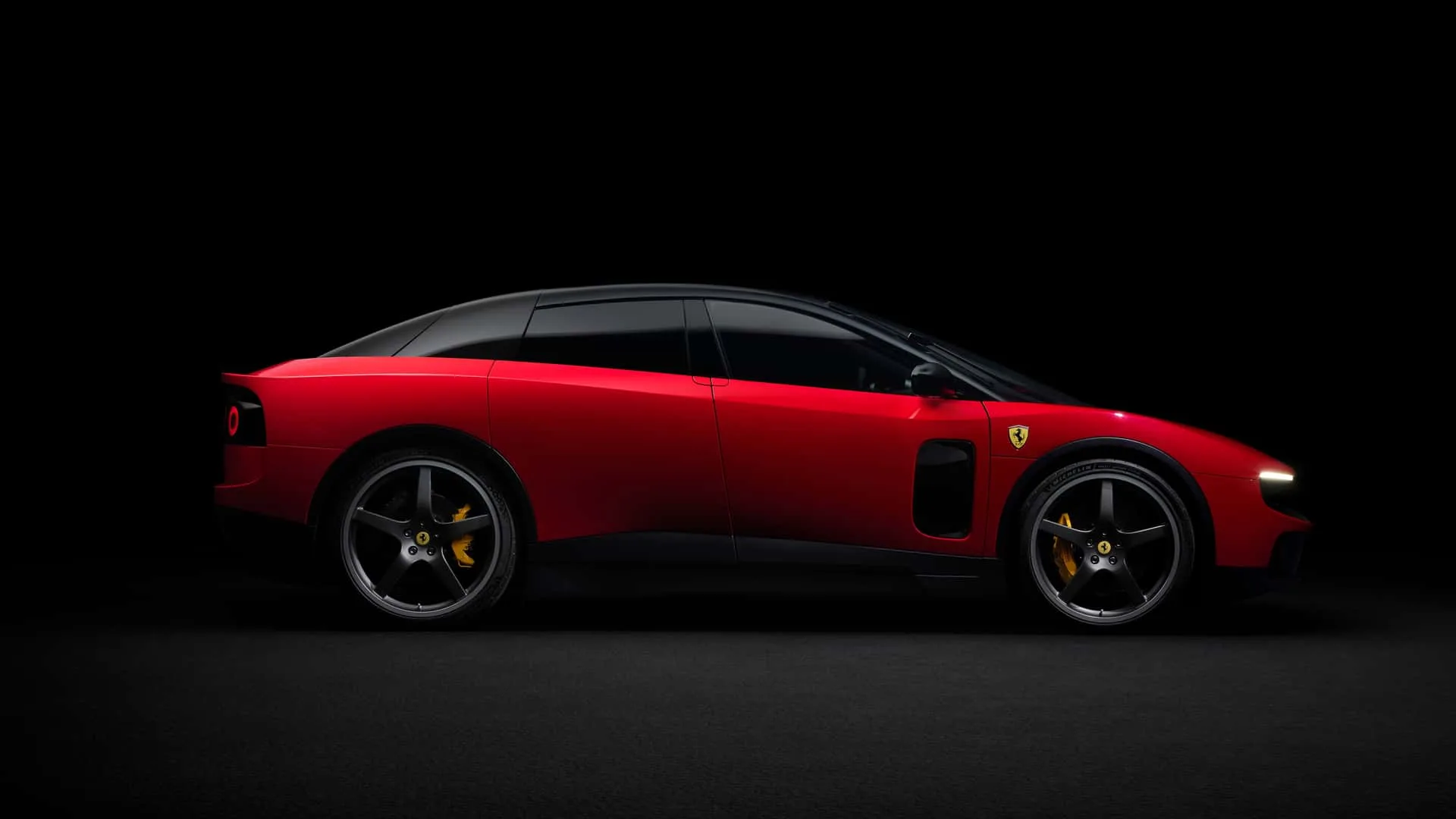
The criticism has not been limited to social media either. Industry commentators and former Ferrari executives have publicly questioned the direction of the project, while investors initially reacted negatively following the reveal. Ferrari’s share price dropped after the launch, with some analysts attributing part of the market reaction to uncertainty surrounding both the vehicle’s design and the company’s electric strategy.
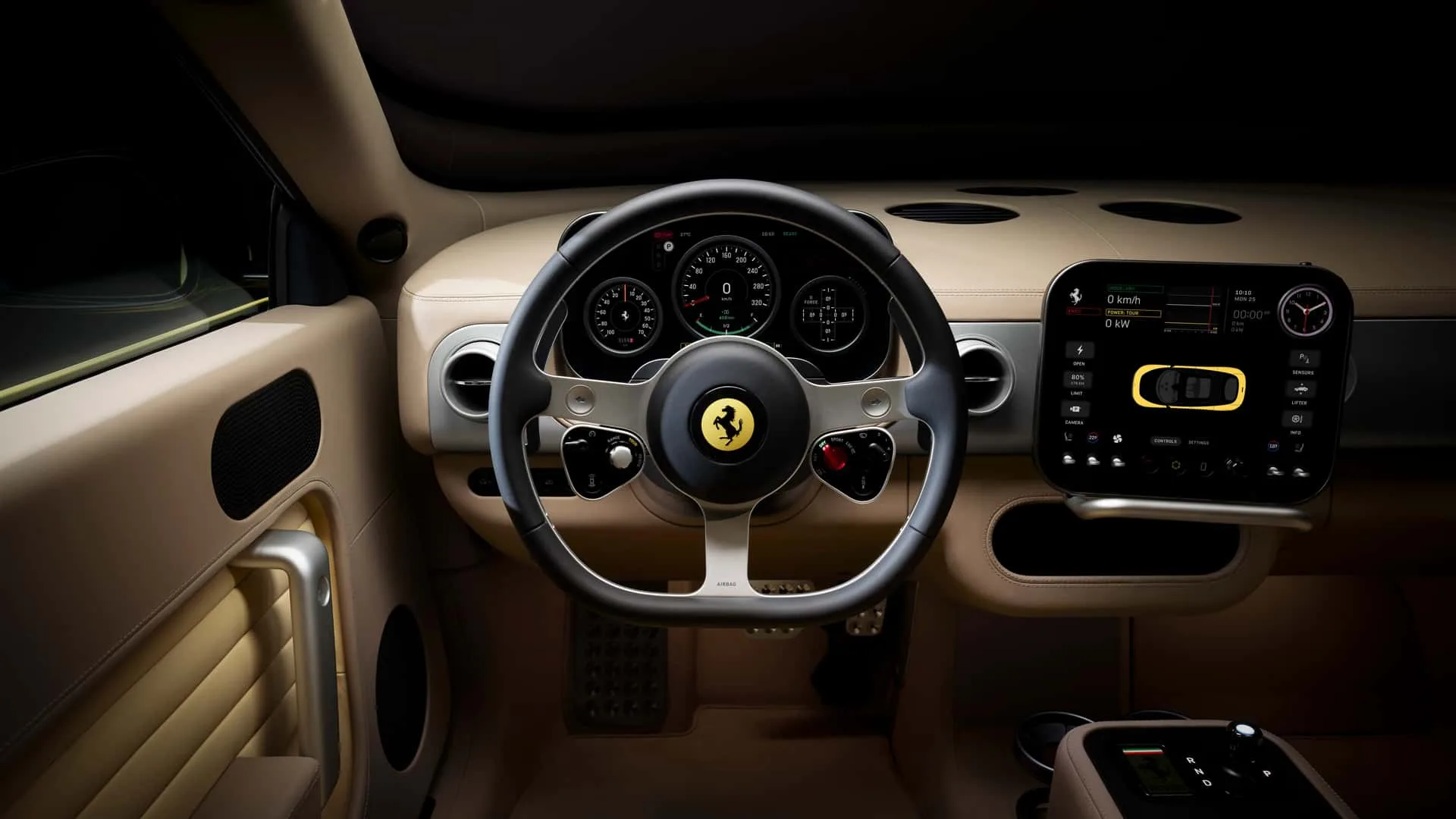
What’s particularly fascinating is that the Luce isn’t being criticised because it is objectively poor. In fact, on paper it is an astonishing piece of engineering, with more than 1,000 horsepower, a completely bespoke platform, and introducing technologies Ferrari claims will redefine how an electric performance car should feel and drive. The ambition is there, but the backlash appears to be rooted in something else.
Ferrari buyers don’t simply purchase performance figures. They buy theatre, heritage, noise and visual drama. The Luce challenges all of those expectations simultaneously. It asks us peasants to redefine what a Ferrari should look like, sound like and even represent. Whether history ultimately views the Luce as a design masterpiece or a rare Ferrari misstep remains to be seen, and I mean it very genuinely. What is certain is that very few new cars have generated this level of debate and vitriol before a single delivery has taken place – and of course they are all sold out. In that single regard, this is very much a Ferrari, alright.