Nissan’s bold new vision, “Mobility Intelligence for Everyday Life,” stakes its future on AI-Defined Vehicles (AIDV), a broadened electrification roadmap and a sharply pruned product strategy designed to deliver smarter, more useful cars for real people. It’s a plan that reads like a manifesto for pragmatic innovation: marry cutting-edge artificial intelligence to a spectrum of electric powertrains, simplify the lineup so each model has a clear role, and scale through lead markets to bring those advances to everyday drivers worldwide .
AI-Defined Vehicles: intelligence in the driver’s seat
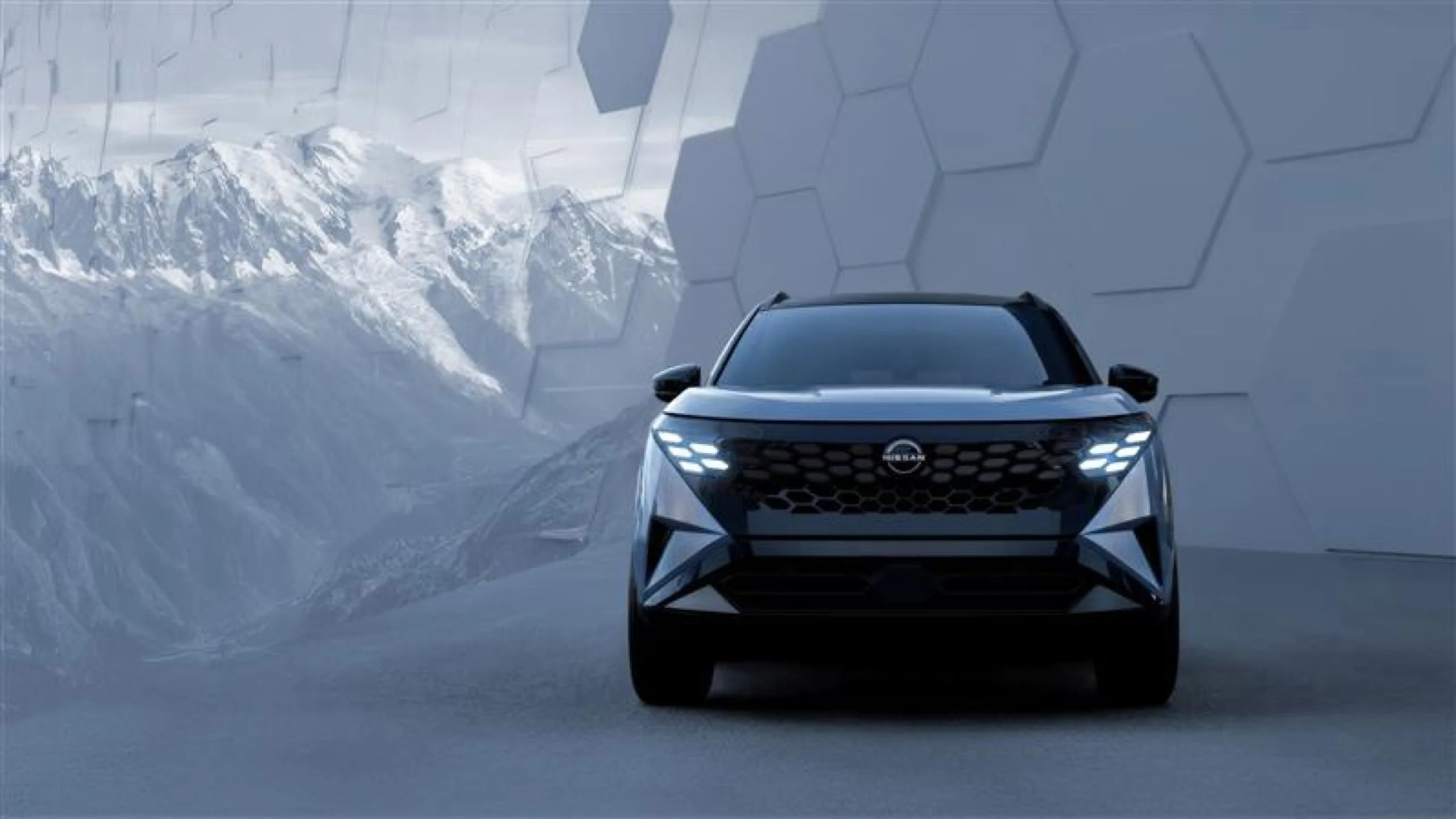
At the heart of Nissan’s vision is the AIDV concept, vehicles that combine Nissan AI Drive (autonomy-focused) and Nissan AI Partner (personal-assistant-focused) to make time in transit safer, more intuitive and genuinely productive. Nissan explicitly targets deploying Nissan AI Drive across 90% of future models, signaling a company-wide pivot toward AI-enabled driving aids and, in time, higher levels of autonomy. The new Elgrand, for example, is slated to adopt next‑generation ProPILOT with end-to-end autonomous capability by the end of fiscal 2027, showing Nissan’s roadmap from advanced driver assistance toward true autonomous functionality.
This isn’t autonomy for autonomy’s sake. Nissan frames its AI work around improving real-world mobility: integrating AI into vehicle control and safety systems and connecting cars into everyday life via intuitive digital assistants that anticipate and support driver needs . The result aims to be more than hands-off driving, it’s about reshaping the in-car experience so journeys become less about stress and more about value, whether that’s work, family time or relaxation .
Electrification – a spectrum, not a single path
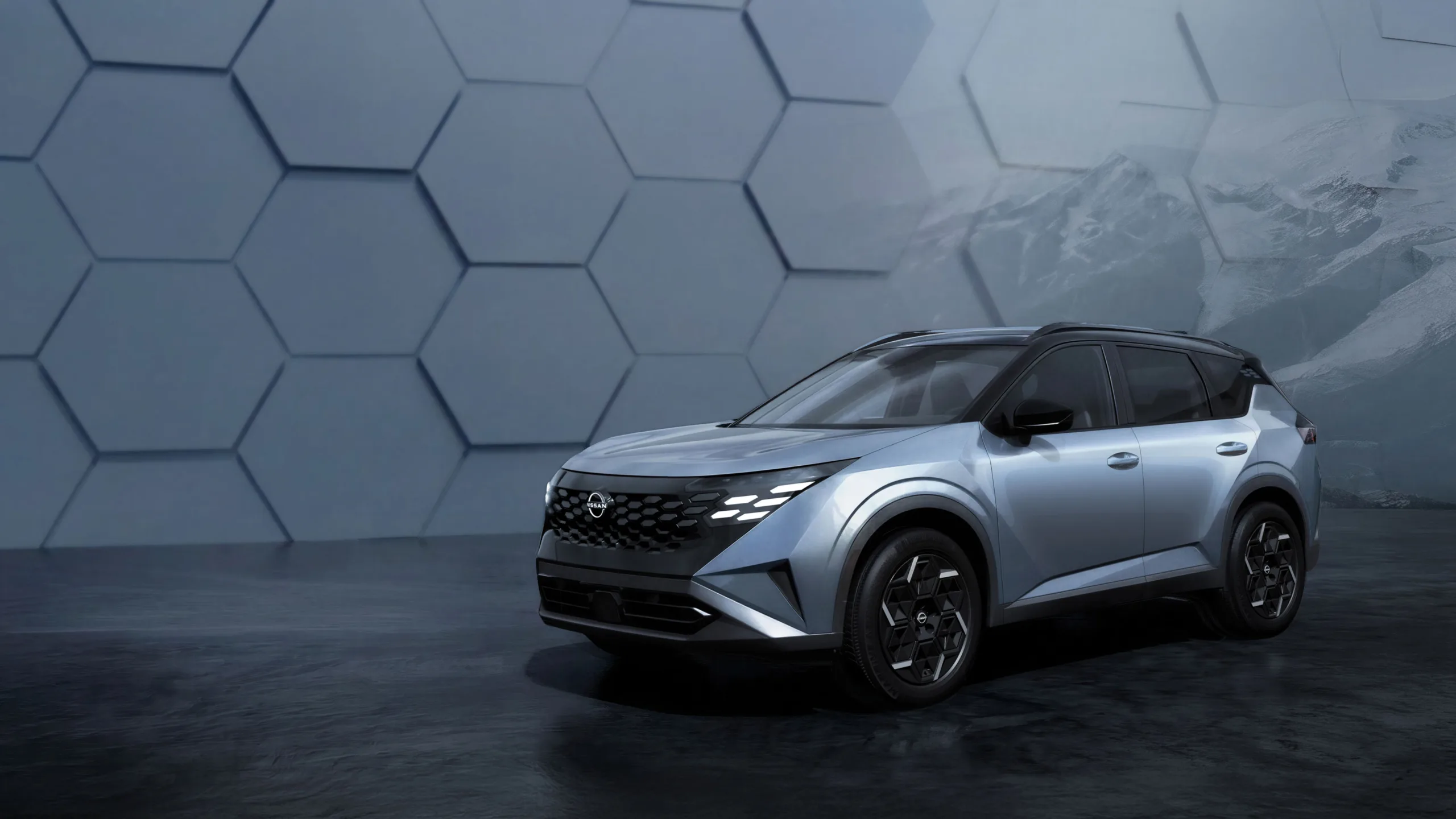
Nissan’s electrification strategy is deliberately diverse. The company leans on its successful e-POWER series hybrid to provide “electric-like” driving without the need to plug in, a pragmatic bridge for customers not yet ready for full electrification. Alongside e-POWER, Nissan will expand its portfolio to include a new HEV system for frame-based vehicles, and offers for plug-in hybrid and range-extender hybrids through partnerships. This balanced approach is aimed at meeting varied customer needs across different markets and use cases, from urban commuters to long-range SUV buyers.
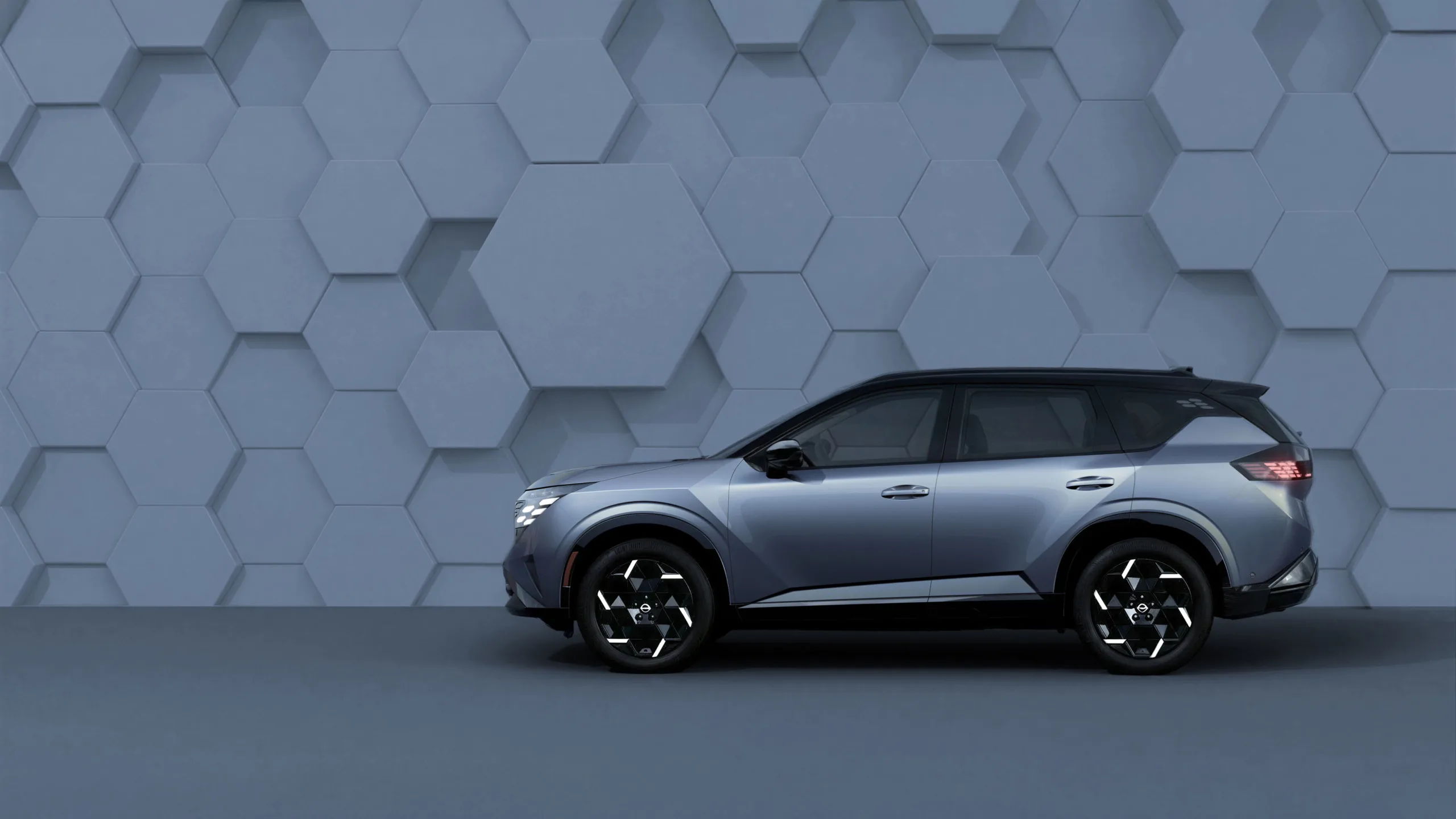
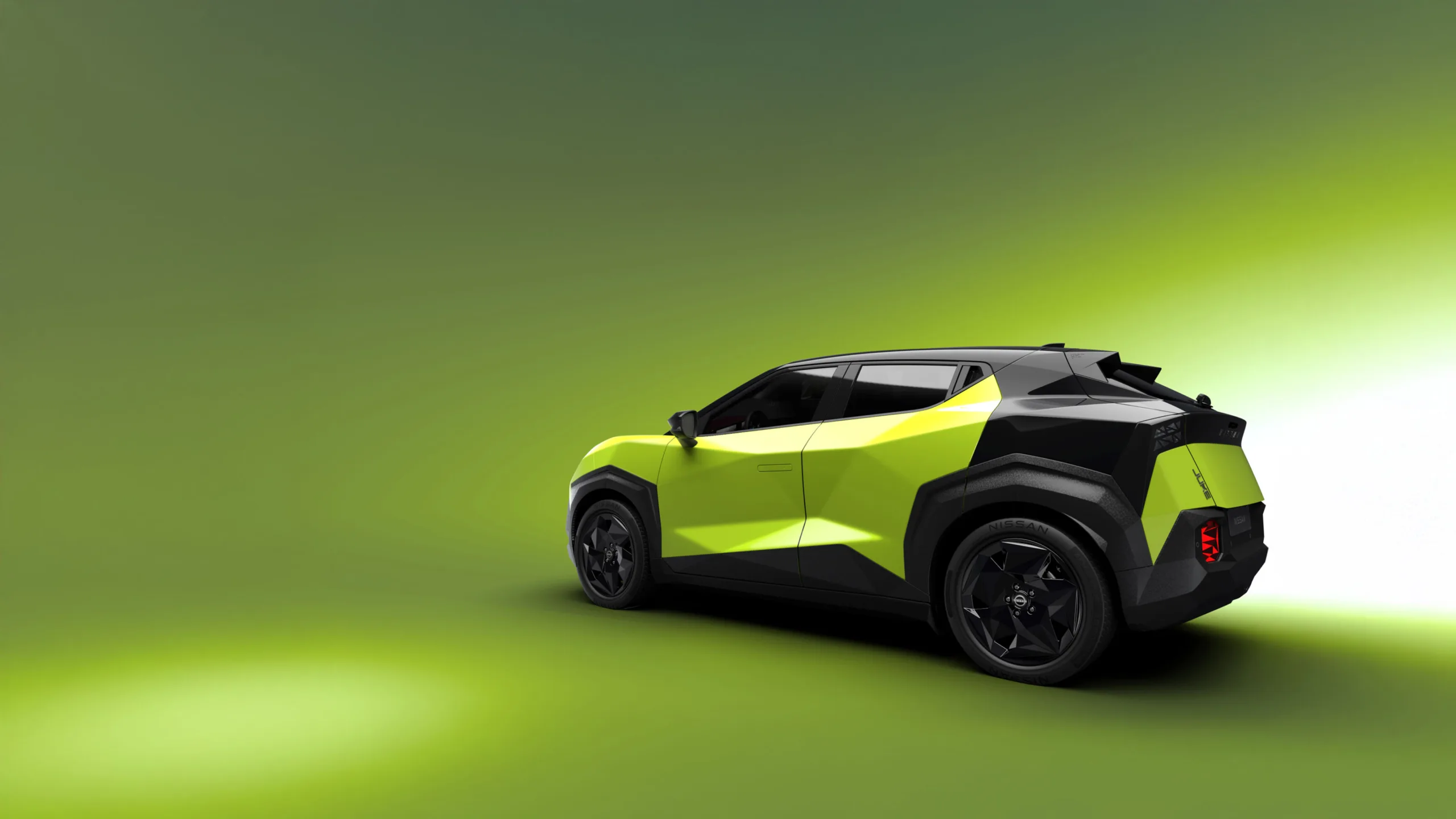
Crucially, Nissan’s EV ambitions remain measured. The company plans disciplined EV investments that follow consumer trends and policy evolution, particularly in markets like the U.S., where large vehicles and localized manufacturing remain core to profitability and customer preference . Europe and other regions will see fully electric models like the Juke EV sit at the centre of core-market electrification efforts, while models such as the New X-Trail and Rogue Hybrid e-POWER illustrate how electrified systems will be applied across global core volume models.
A tighter, clearer product strategy
To sharpen its commercial focus, Nissan will streamline from 56 models to 45, exiting underperformers and reinvesting into growth areas and powertrain variety. The reorganization groups models into four roles (Heartbeat, Core, Growth and Partner) so each vehicle has a clear purpose in the lineup, accelerating development and boosting volume per model. The company will also shift development from one-off model work to architecture-led product families, concentrating on three product families that will represent over 80% of global volume and raise volume-per-model by more than 30%.
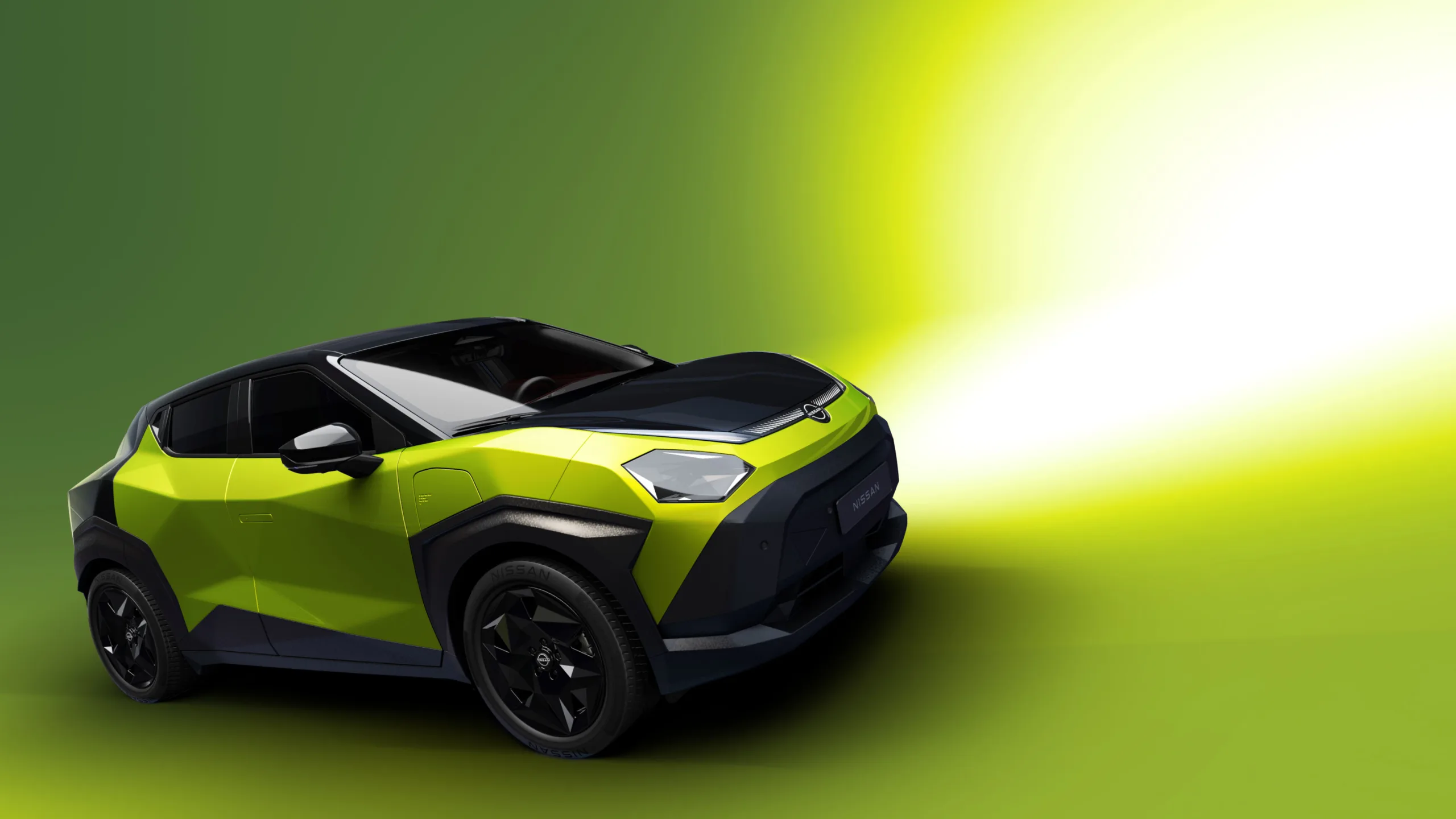
This family-based industrial model promises faster rollouts of new tech across many models, tighter cost control and improved quality by designing platforms, powertrains and software together from the start . Examples in the announcement underline the intent: Xterra and Skyline as Heartbeat models, the New X‑Trail and Rogue Hybrid e‑POWER as global Core offerings, and the Juke EV as a Europe-focused Core model, each serving a distinct customer need and market role.
Lead-market strategy and global scale
Nissan’s competitive playbook rests on three lead markets (Japan, the U.S. and China) each assigned specific roles: Japan as an innovation proving ground, the U.S. as a stability and scale engine, and China as a speed-and-cost hub with export ambitions. This tripartite focus is designed to accelerate technology rollout while tailoring products and industrial capacity to local demand patterns.
Tarmac Takeaway
Nissan’s “Mobility Intelligence for Everyday Life” is notable for its pragmatism. Rather than banking everything on a single technology, Nissan is blending AI, a spectrum of electrified powertrains and a leaner, clearer product architecture to serve diverse customers and markets. If executed well, the plan could deliver smarter, more flexible vehicles that put usable autonomy and electrified performance into the hands of many, not just the early adopters.
As the industry braces for years of rapid change, Nissan’s roadmap is less about flashy declarations and more about integrating intelligence into the vehicles people actually buy and drive every day, and that’s a future most drivers will find compelling.