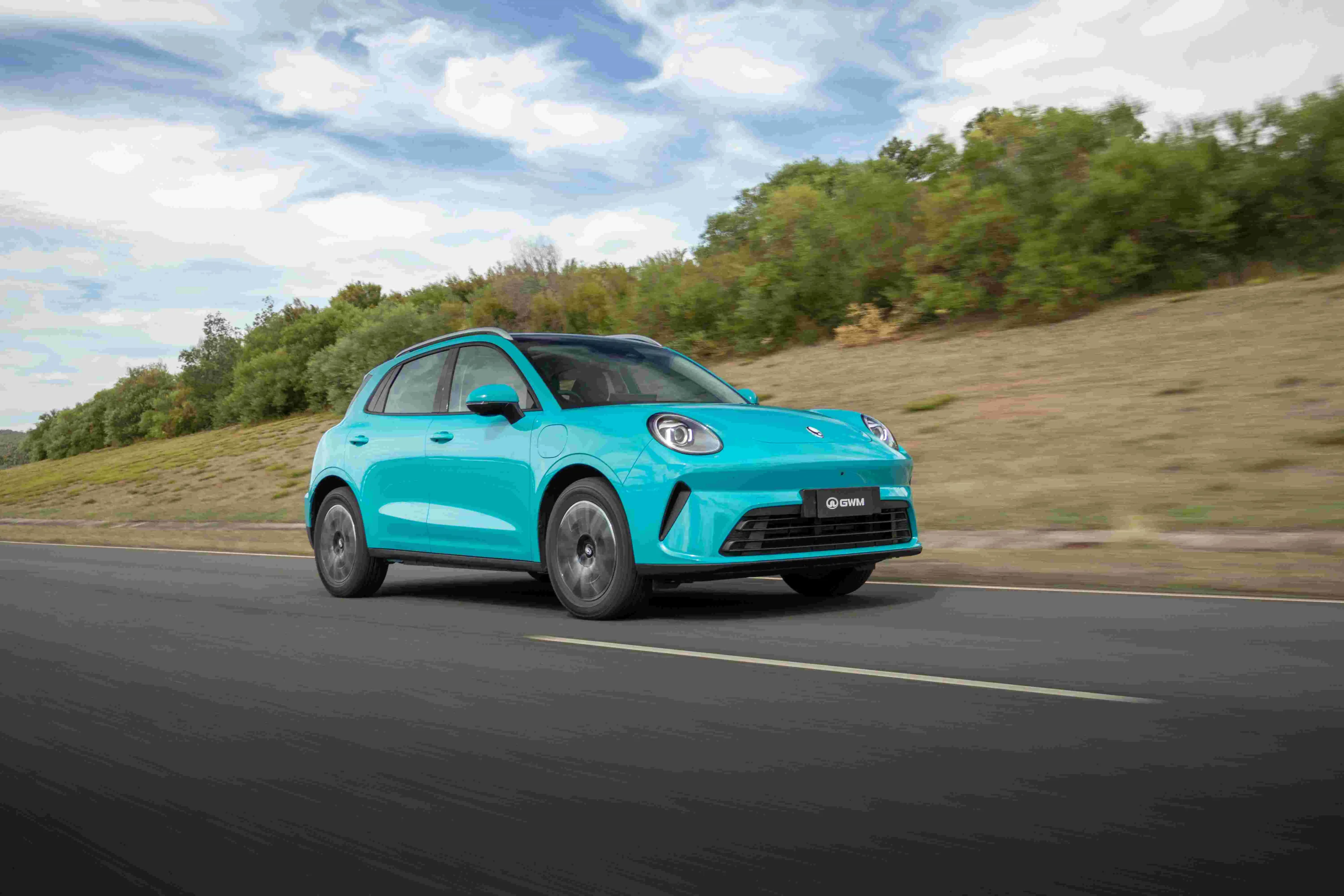
The ORA 5 SUV arrives in New Zealand soon with a clear play, pack as much real-world EV capability as possible into an affordable small‑SUV package. Scheduled to hit local showrooms from June, the ORA 5 is priced aggressively (the Lux from $36,990 RRP + ORC and the Ultra from $39,990 RRP + ORC) signalling GWM’s intent to push accessible electric mobility into the mainstream here.
What you get for that price is impressive on paper
The ORA 5 is a purpose-built Battery Electric Vehicle (BEV) powered by a front-mounted permanent magnet synchronous motor producing 150kW and 260Nm, enough for lively urban progress and confident open‑road cruising. Energy comes from a 58.3kWh lithium iron phosphate (LFP) pack developed by SVOLT, offering a WLTC-rated driving range of around 430km and a quoted energy consumption of 15.5kWh/100km.
Charging practicality is a strong suit
The ORA 5 supports DC fast charging at up to 120kW, with a headline 30–80% charge in roughly 20 minutes under ideal conditions, and V2L (Vehicle-to-Load) capability that supplies up to 6kW of external power for tools, camping gear or tailgate parties. For most owners, a combination of overnight AC charging and occasional DC top-ups should cover daily life and longer trips without drama.
Design that balances character and purpose
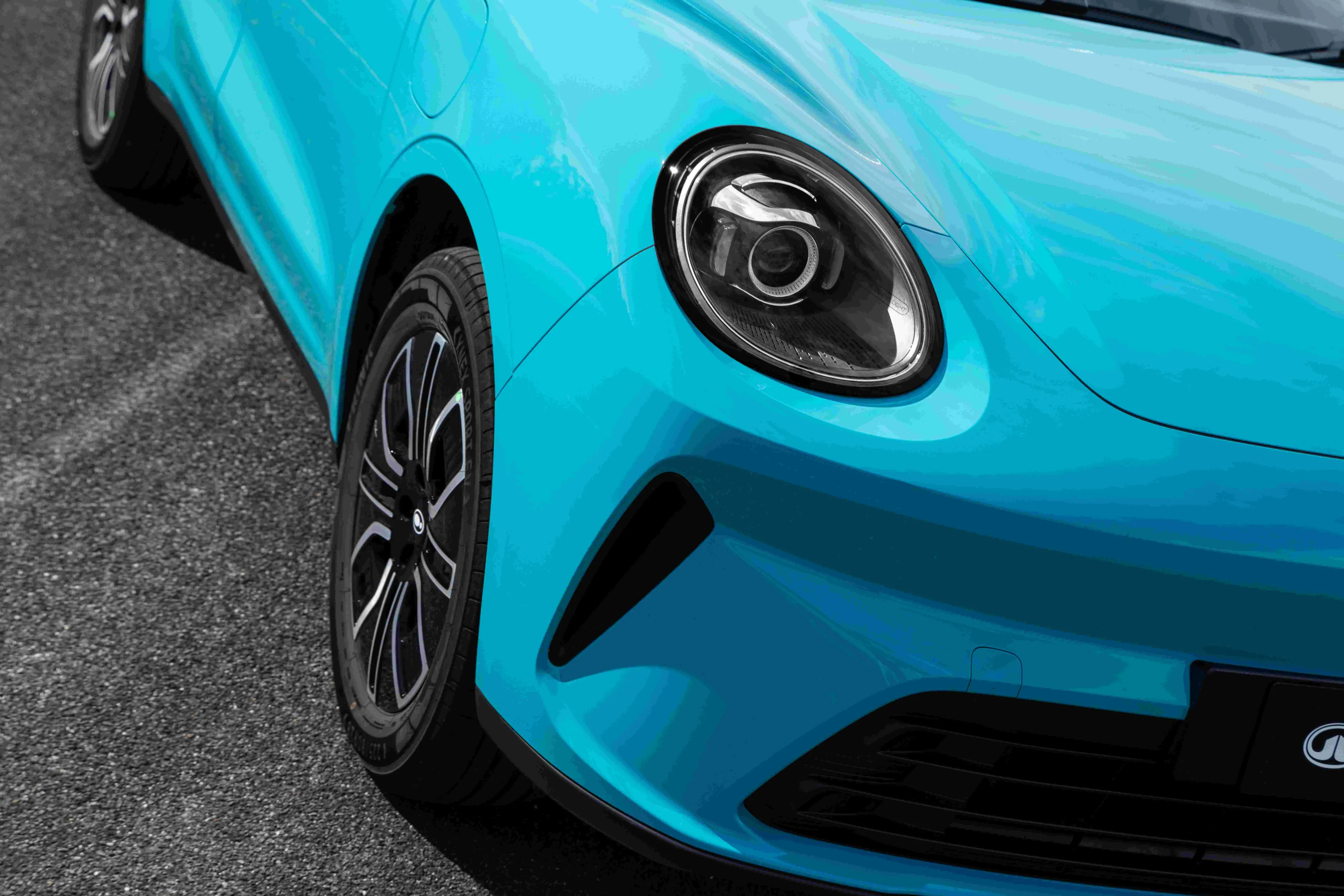
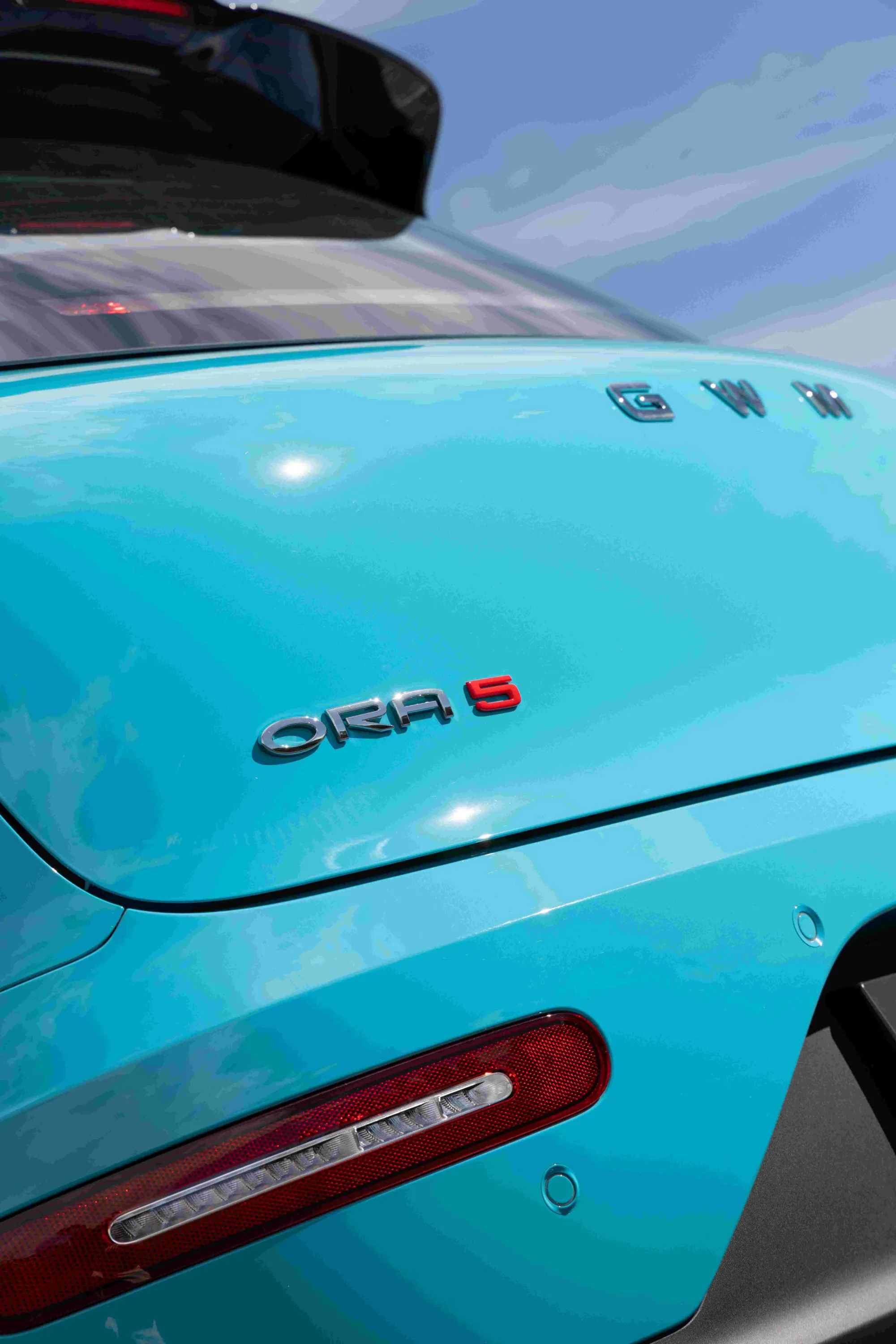
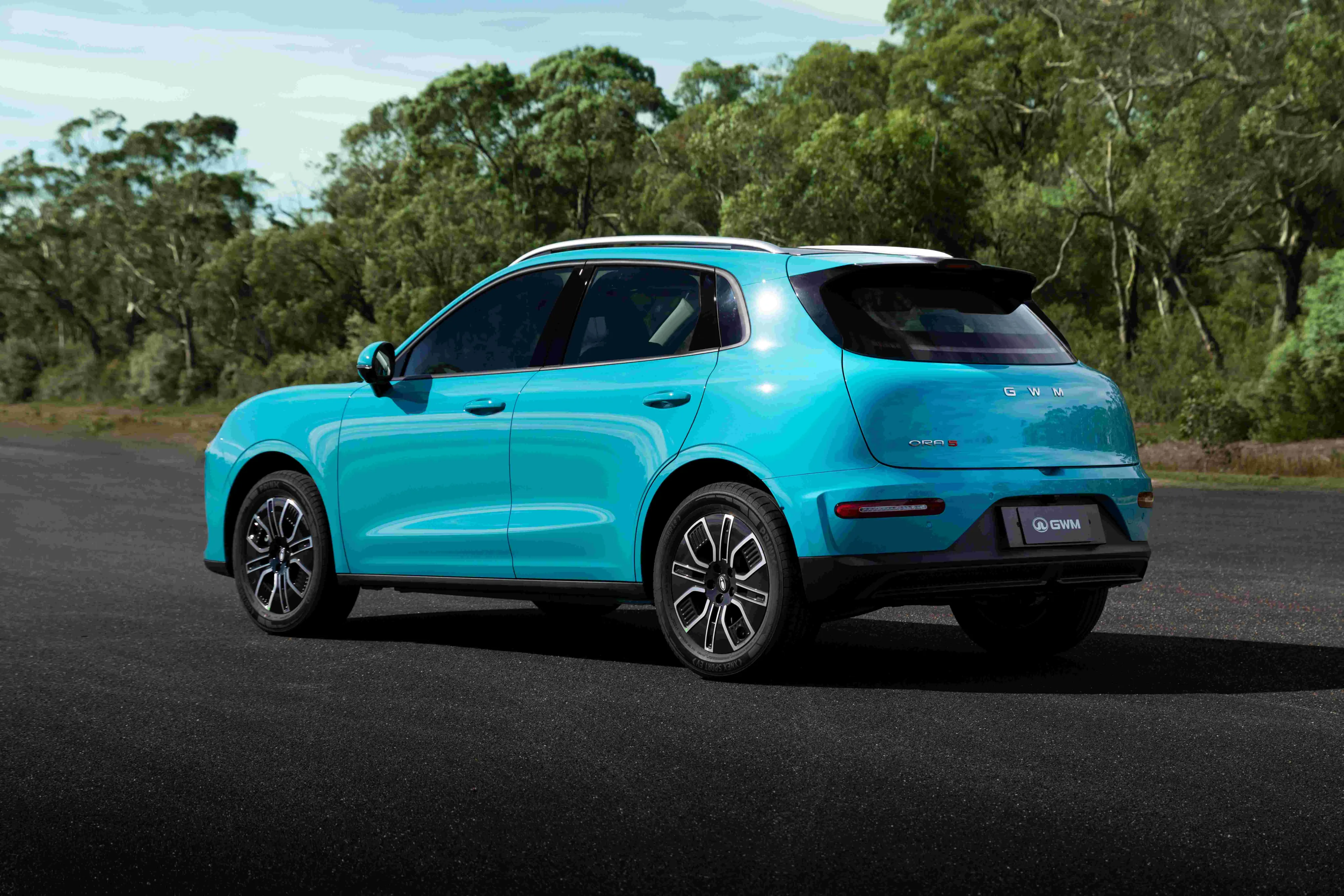
The ORA family has always leaned on a blend of retro charm and modern cues, and the ORA 5 evolves that language into something more planted and SUV‑like. At 4,471mm long, 1,833mm wide and 1,641mm tall with a 2,720mm wheelbase, it’s substantially larger than the outgoing ORA hatch, gains that deliver better proportions, more interior space and improved road presence. Ground clearance sits at 175mm, preserving crossover usability without awkward ride height compromises. Exterior touches (water‑drop LED headlights, four‑leaf clover wheel design and a continuous rear light bar) give it distinct visual DNA.
Tech and interior – Coffee OS and a practical cabin
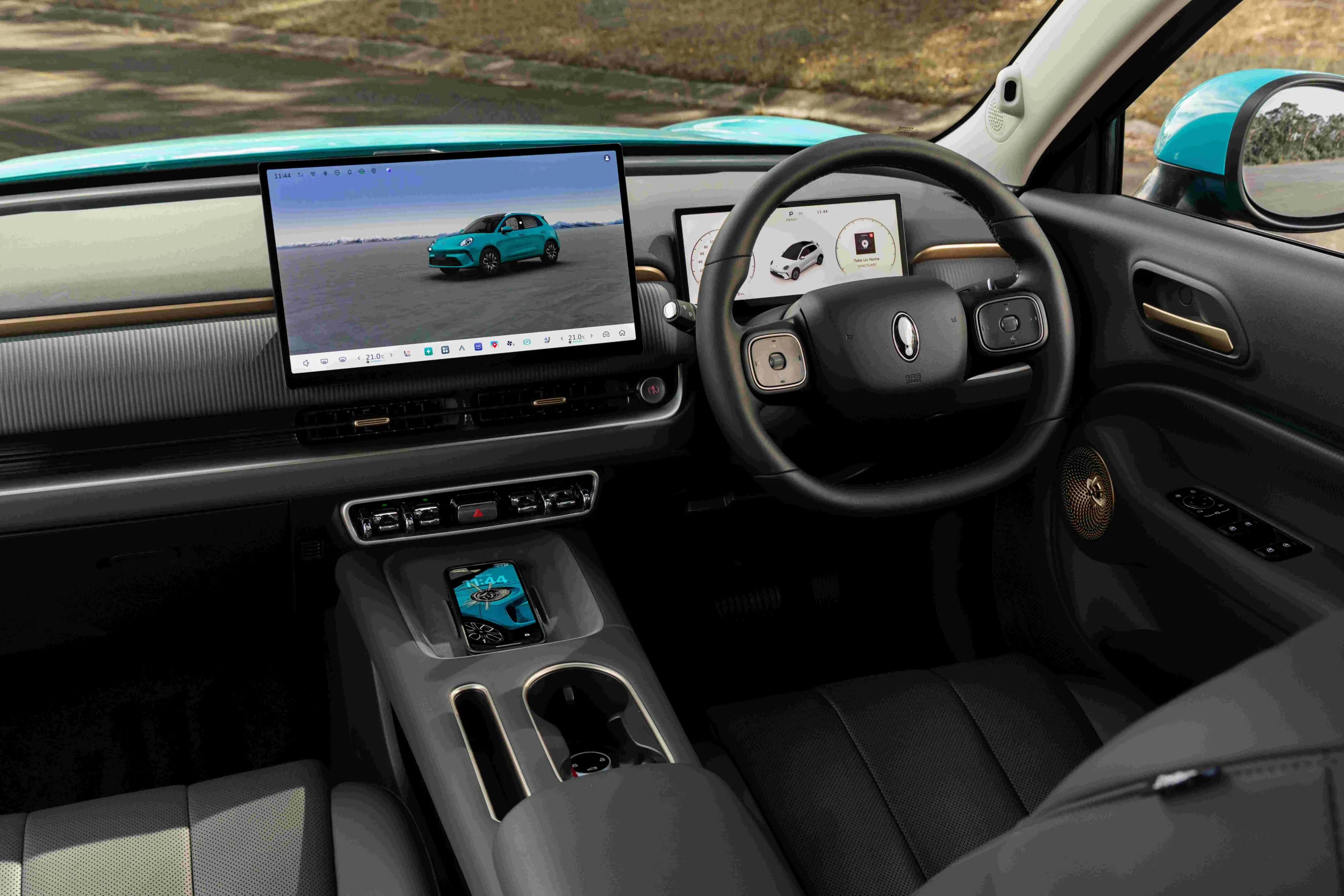
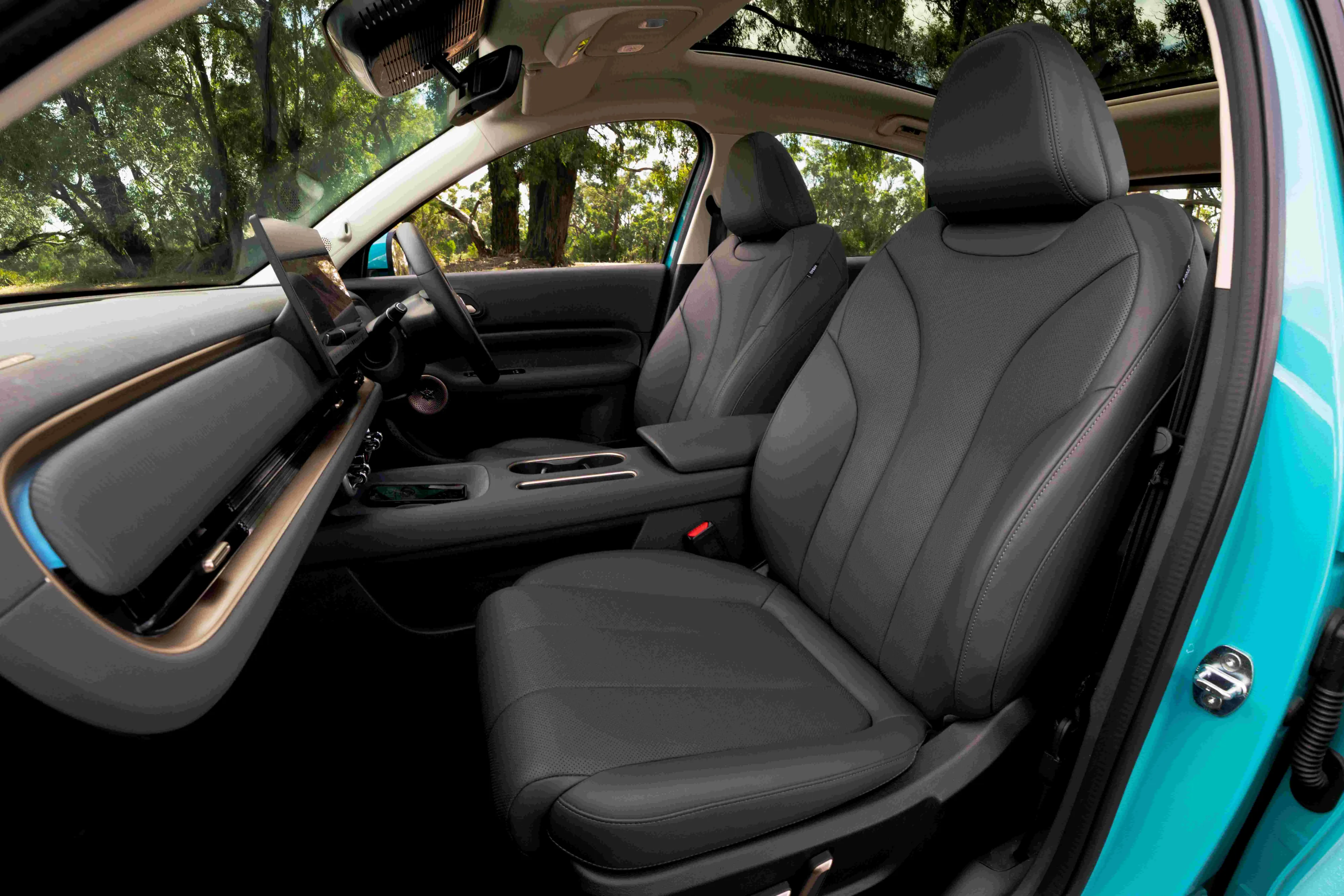
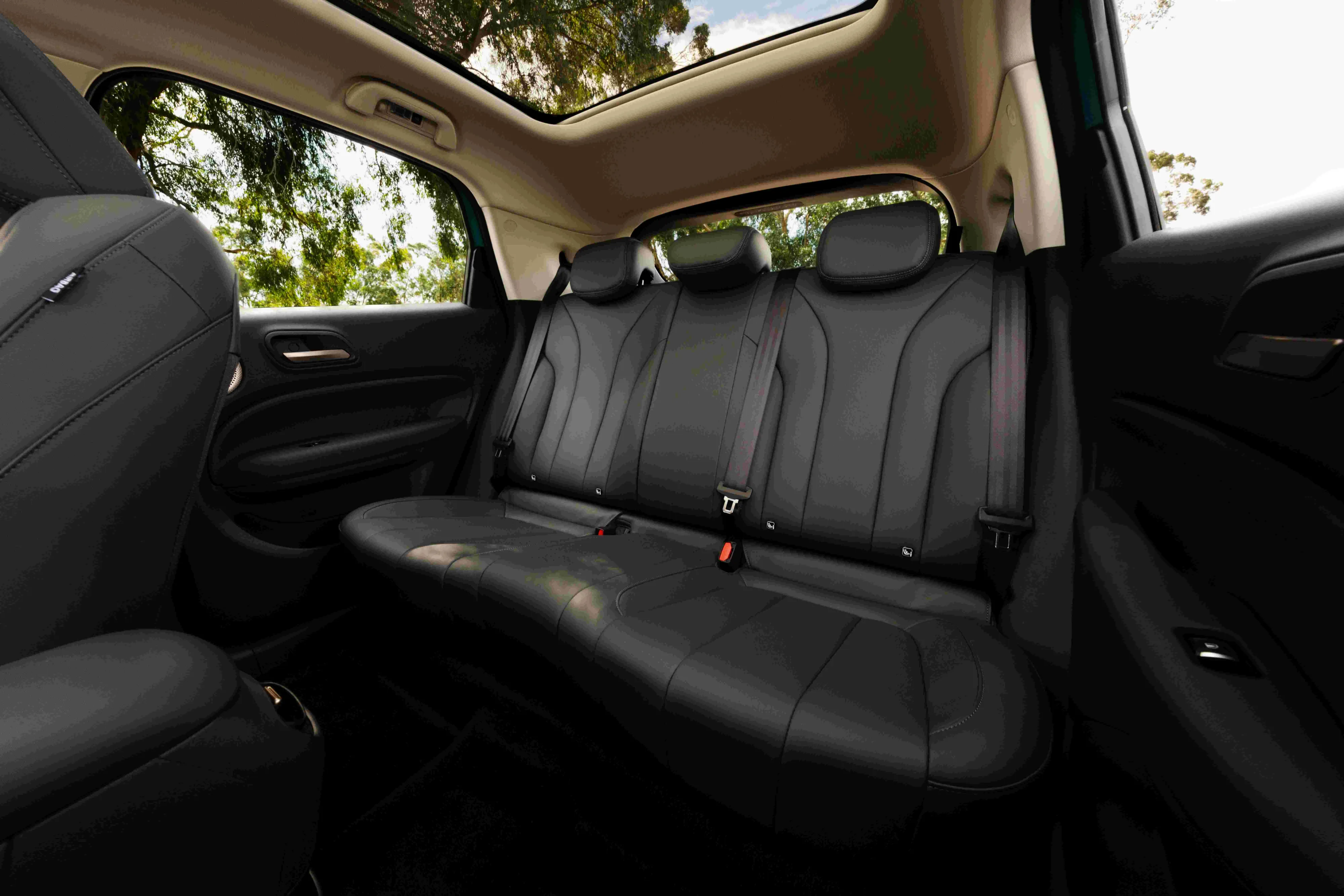
Inside, GWM positions the ORA 5 as tech-first but user-friendly. The cabin centres on a 14.6‑inch central display running GWM’s Coffee OS intelligent cockpit, paired with a 10.25‑inch digital instrument cluster and features such as wireless Apple CarPlay and Android Auto, DAB+ radio and multiple USB outlets. The interior spec across trims is practical, leatherette seats, 60:40 rear seats, single‑zone climate with rear vents and a sensible luggage volume of 362 litres.
Safety and driver assistance are comprehensive at this segment price
The ORA 5 lists seven airbags, a 360° monitoring camera with transparent view, tyre pressure monitoring, ISOFIX mounts and a long suite of ADAS including adaptive cruise with stop & go, AEB with pedestrian and cyclist detection, blind‑spot monitoring, rear cross‑traffic braking and traffic jam assist. These features make the ORA 5 feel well‑equipped for both city commutes and family duties.
Real-world usability and towing
The ORA 5’s kerb weight is 1,685kg with a GVM of 2,120kg, and towing capacity is modest (750kg braked and unbraked) which keeps expectations realistic for small SUV buyers planning light trailers or bike racks. Luggage and cabin flexibility, combined with V2L, broaden its appeal to campers and weekend adventurers who want EV practicality without paying premium EV prices.
Why this matters for New Zealand buyers
GWM’s timing and pricing strategy are no accident. Expanding the ORA lineup with larger BEV models positions the company to capitalise on New Zealand’s Clean Car Standards (CCS) and the broader shift to electrified transport, while the aggressive entry price helps attract budget-conscious buyers who might otherwise defer EV ownership. The ORA 5 brings a generous spec sheet that punches above its price point in a crowded small‑SUV class.
Battery chemistry and longevity – LFP explained
The ORA 5’s use of LFP chemistry (Lithium Iron Phosphate) is noteworthy. LFP cells typically offer longer cycle life, greater thermal stability and lower raw‑material costs than nickel‑rich chemistries, though they are slightly heavier for equivalent energy and can produce lower nominal energy density. For daily driving and the charging habits common to Kiwi owners, LFP is a pragmatic choice that emphasises durability and safety over absolute energy density.
Where the ORA 5 fits and who should consider it
If you want an affordable, well‑equipped BEV that covers daily commutes, family errands and occasional longer trips without fuss, the ORA 5 is compelling. Small‑SUV buyers who appreciate bold styling, a tech‑centric cabin and strong fast‑charging capability will find a lot to like, particularly at the Lux price point that undercuts many rivals. Buyers who need heavy towing capacity or premium luxury finishes will want to look elsewhere, but for the mainstream Kiwi buyer the ORA 5 offers an attractively balanced proposition.
Tarmac Takeaway
GWM’s ORA 5 SUV makes a persuasive case for democratising electric mobility in New Zealand: larger than the hatch it replaces, packed with safety and convenience tech, and priced to get serious consideration from everyday buyers. Whether the brand can translate value into reputation remains to be seen, but on first glance the ORA 5 looks like one of 2026’s most interesting affordable EV launches in the Kiwi market.