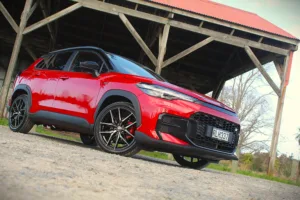
The global EV market loves a good story as much as a long range figure. Legacy marque revivals combine instant brand recognition with a narrative (heritage, romance, and credibility) that new marques must sweat to earn. MG’s renaissance under Chinese ownership proved this: a storied British name reborn as a competitive, budget-friendly EV brand with global reach.
That success begs the question, which defunct 100-year-old (or very near-century) brands could China reboot as electric legends?
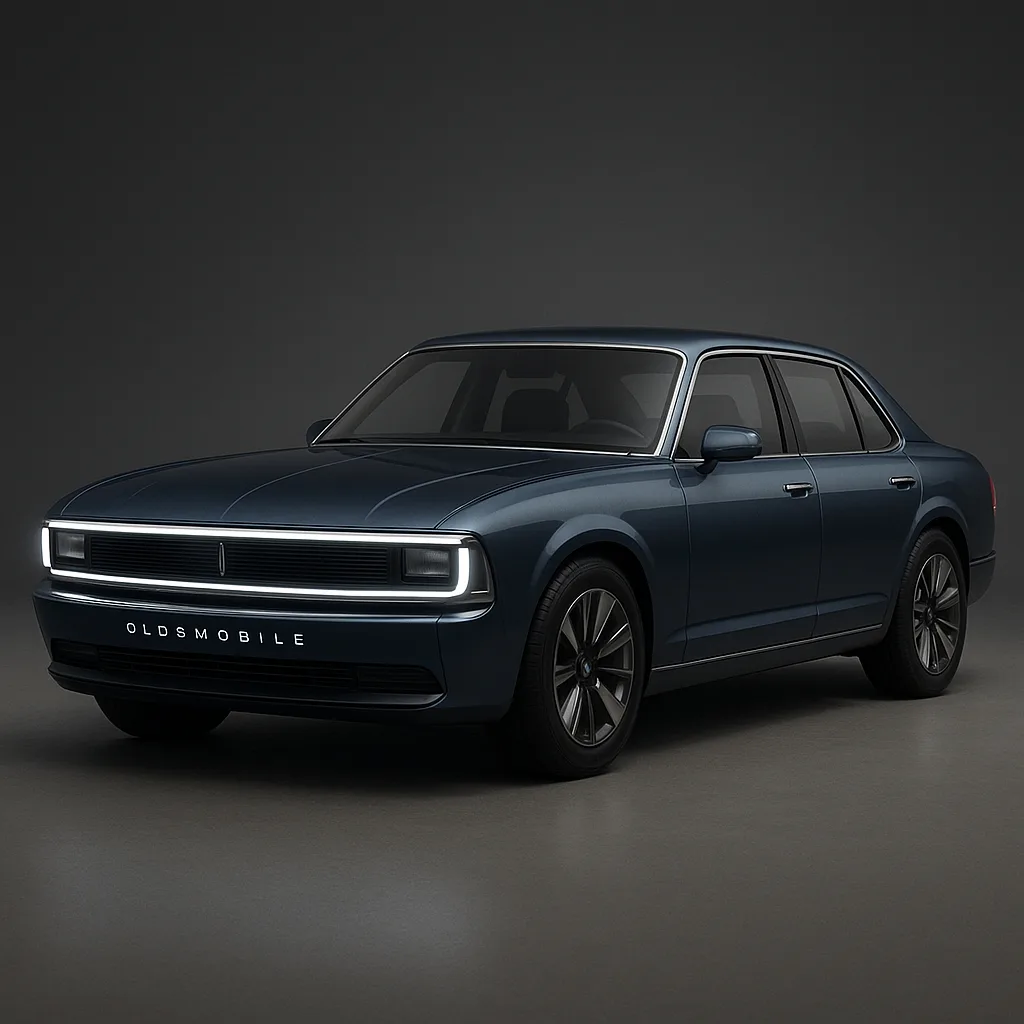
Oldsmobile — The everyman’s EV with a twist of innovation
Why it fits: Oldsmobile was a pioneer in American motoring and enjoyed a run from 1897 to 2004, producing millions and embedding itself in the public imagination.
Revival angle: Reposition Oldsmobile as an accessible, tech-forward EV label, practical daily drivers with smart features, subscription services, and a focus on safety and ease of ownership. Think reliable commuter EVs with just enough retro styling cues to tug at nostalgia.
Brand pitch line: “Oldsmobile: Forward-Minded, Family-Focused.”
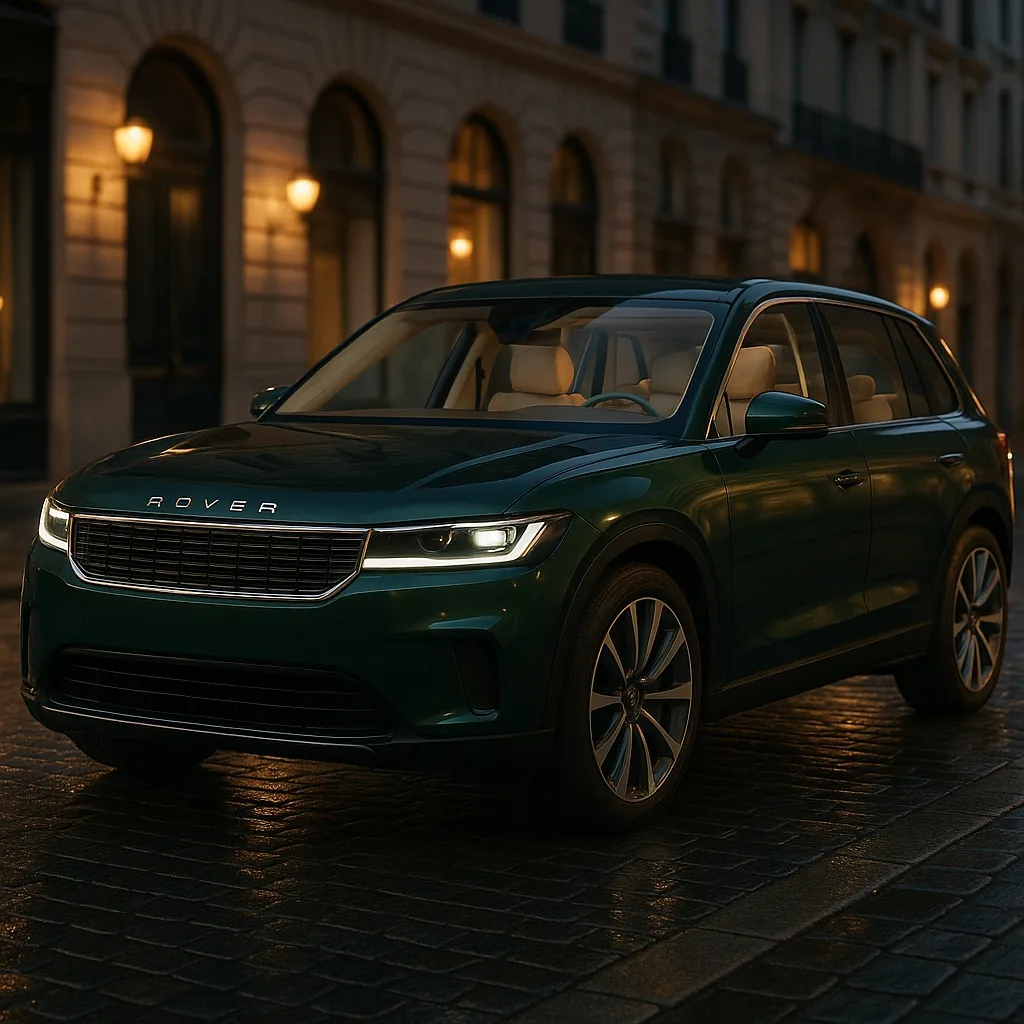
Rover — British comfort, electrified for global markets
Why it fits: Rover traces roots to 1878 and transitioned from bicycles to cars, becoming synonymous with British comfort and quality before its collapse in the 2000s.
Revival angle: Leveraging Rover’s classic positioning, Chinese manufacturers could create premium yet attainable EV crossovers and sedans aimed at markets that love understated luxury, China, Southeast Asia, and select European niches. Keep interiors cozy, software polished, and offer chauffeured autonomous modes to honor Rover’s tradition of comfort.
Brand pitch line: “Rover Electrified: Timeless Comfort, Modern Drive.”
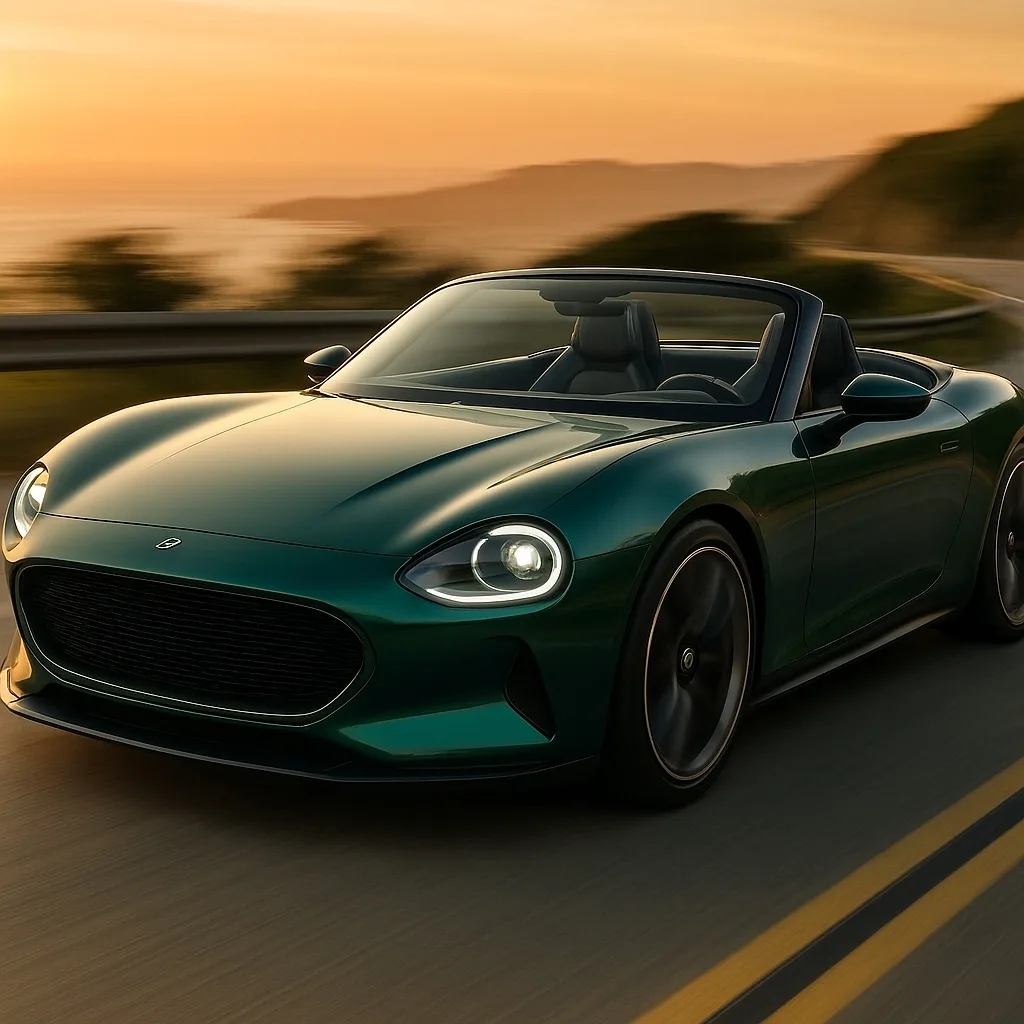
Triumph — Sportscar soul, electrified grin
Why it fits: Triumph began as a bicycle company in 1885 and later built some of Britain’s most beloved sports cars, TR series, Spitfire, Dolomite, before fading away.
Revival angle: Reintroduce Triumph as a maker of lightweight, driver-focused electric roadsters and compact GTs. Keep the cars engaging: preserved manual-feel controls through haptic feedback, rear-wheel drive dynamics, and a clubhouse-of-owners culture to stoke enthusiasts. A limited-run revived TR EV could act as halo to the broader lineup.
Brand pitch line: “Triumph EV: Heartbeat, Not Just Horsepower.”
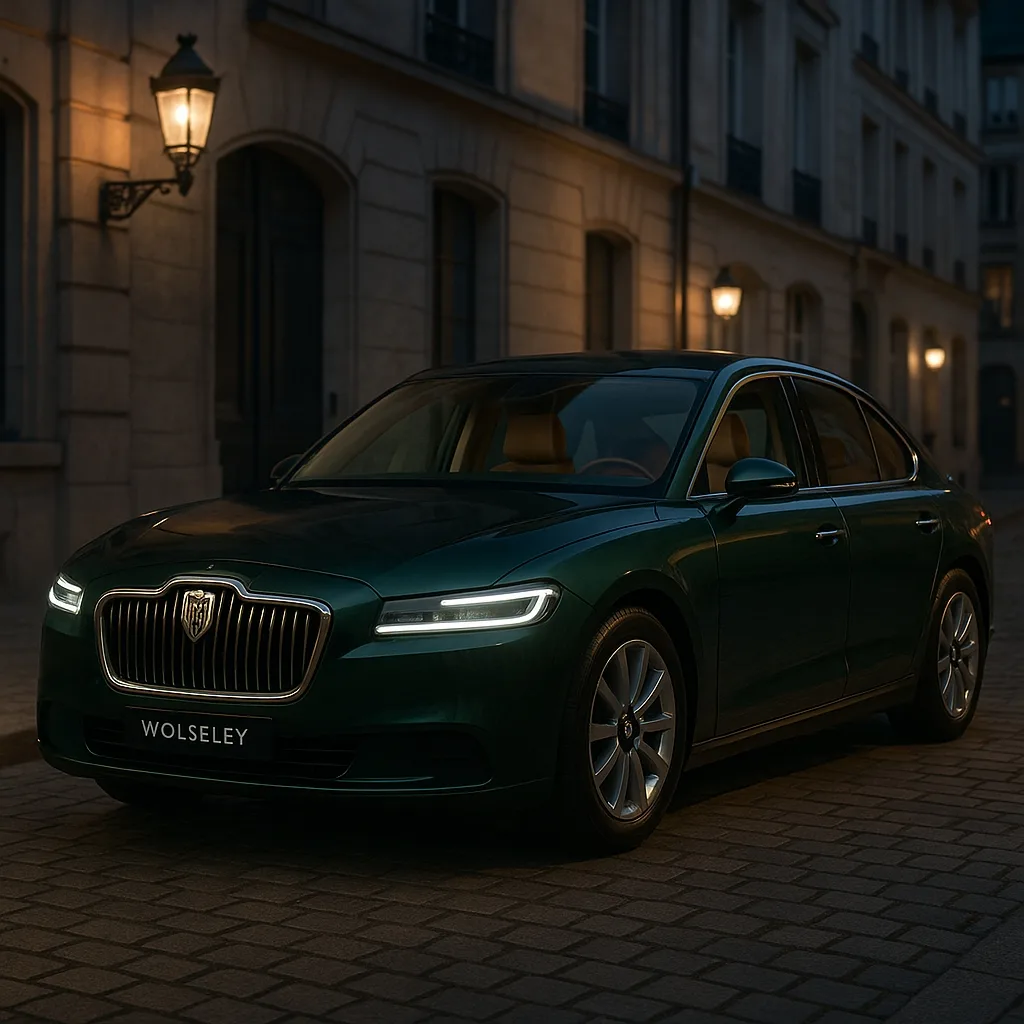
Wolseley — Classic British styling meets smart urban EVs
Why it fits: Wolseley Motors was a major British name from 1901 to the mid-1970s, known for presence and craftsmanship in its day.
Revival angle: Use Wolseley as a bespoke urban-luxury sub-brand focusing on quiet, elegant EV city cruisers with premium materials, concierge services, and urbane marketing. Limited editions with classic grille motifs and modern lighting would reconcile heritage with contemporary EV cues.
Brand pitch line: “Wolseley: Quietly Distinguished, Electrically Yours.”
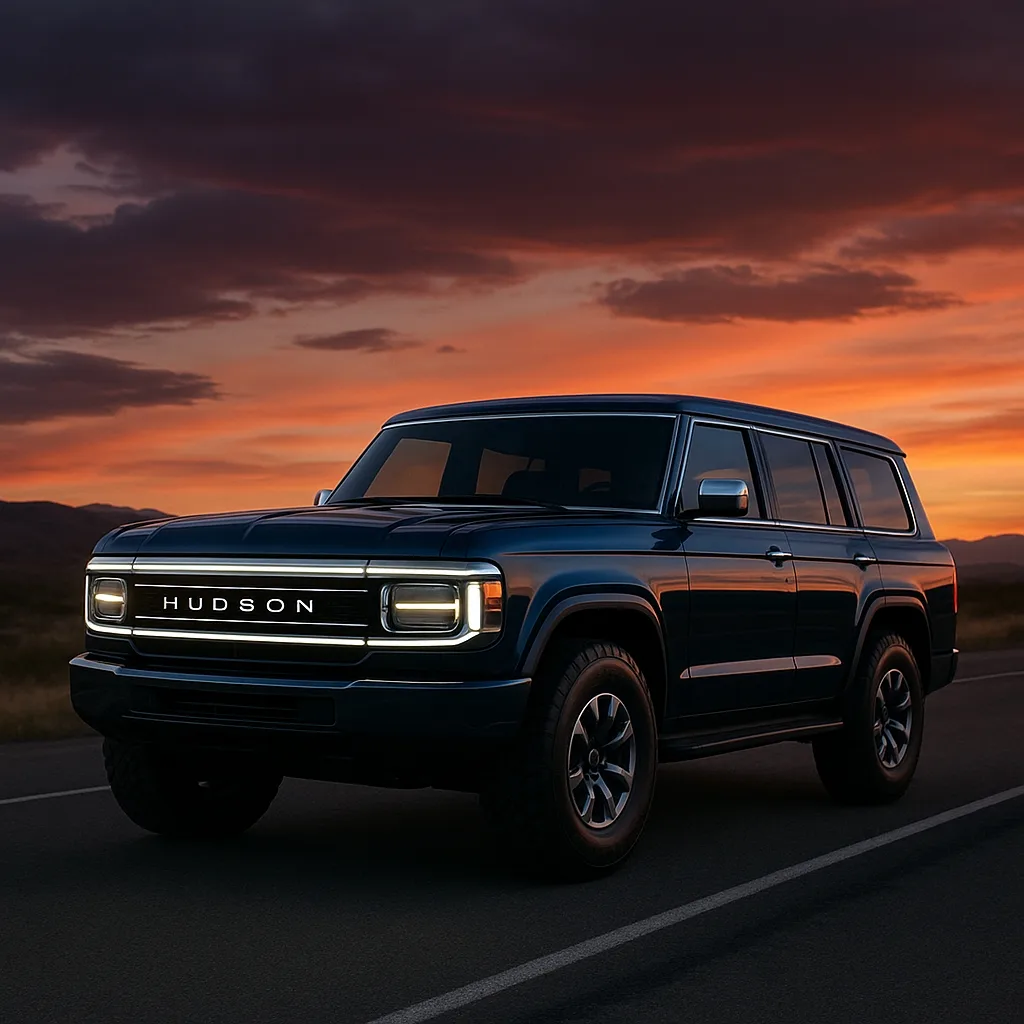
Hudson — Americana reimagined as muscular EV utility
Why it fits: Hudson Motor Car Company (1909–1954) was once a notable American maker known for engineering prowess before merging into AMC.
Revival angle: Reframe Hudson as a rugged, stylish EV utility brand, sporty SUVs and pickup-style crossovers that nod to Hudson’s engineering roots. Emphasise towing tech, robust software for fleet use, and bold retro-modern styling. Perfect for markets that want American muscle without the petrol hangover.
Brand pitch line: “Hudson EV: Built Bold, Drives Smooth.”
Common challenges and why Chinese makers are well-placed to overcome them
Rebooting a defunct name isn’t free: legal rights, supply chain setup, dealer networks, and convincing skeptical buyers that the revived badge isn’t just nostalgia paint. Yet Chinese automakers have advantages, deep EV supply chains, low-cost manufacturing scale, and aggressive software integration capabilities, that make rapid, cost-effective brand launches viable. MG’s rebirth showed that with the right product-market fit and storytelling, heritage plus modern EV tech can attract buyers worldwide.
Quick tactical checklist for a successful revival
- Secure intellectual property and craft a modern brand charter that respects heritage but targets contemporary customers.
- Start with 1–2 segment-defining models (one halo, one volume) to build credibility and cashflow.
- Lean into digital-first retail, subscription ownership, and globalized software updates, areas where Chinese OEMs excel.
- Use limited-run “heritage editions” to generate press and desirability, then scale affordable variants for mass adoption.
Tarmac Takeaway – heritage sells, but products must deliver
Names like Oldsmobile, Rover, Triumph, Wolseley, and Hudson come with built-in storytelling power drawn from more than a century of automotive culture. But heritage alone won’t drive growth, reimagined vehicles must meet modern EV expectations in range, safety, connectivity, and ownership convenience. Done right, revivals can turn nostalgia into volume, and give Chinese manufacturers a suite of global brands that feel both familiar and forward-looking.
After all, MG showed a name from the past can become the future’s everyday car, now let the revival parade begin.
Can you name other car brands that should be ‘reborn’?