Nissan has taken Clean Energy Day to a whole new level with the reveal of its solar‑powered Ariya concept—a bold, sunny slice of the EV future that feels straight out of science fiction but is very much rooted in real-world engineering. Unveiled in Paris, this concept car doesn’t just drive, it harvests the sun, offering a glimpse into how electric mobility could one day become cleaner, freer, and far more self‑sufficient.
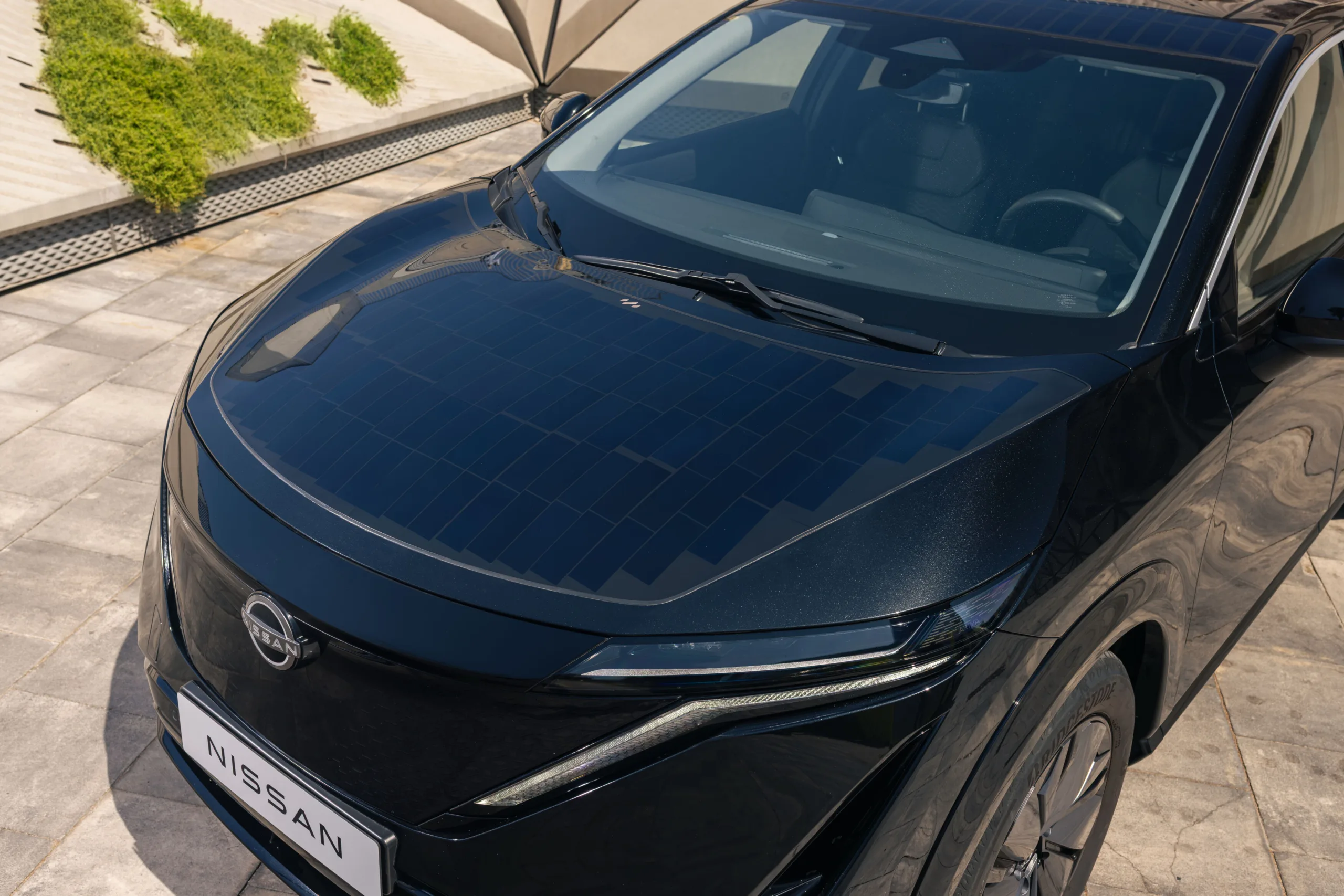
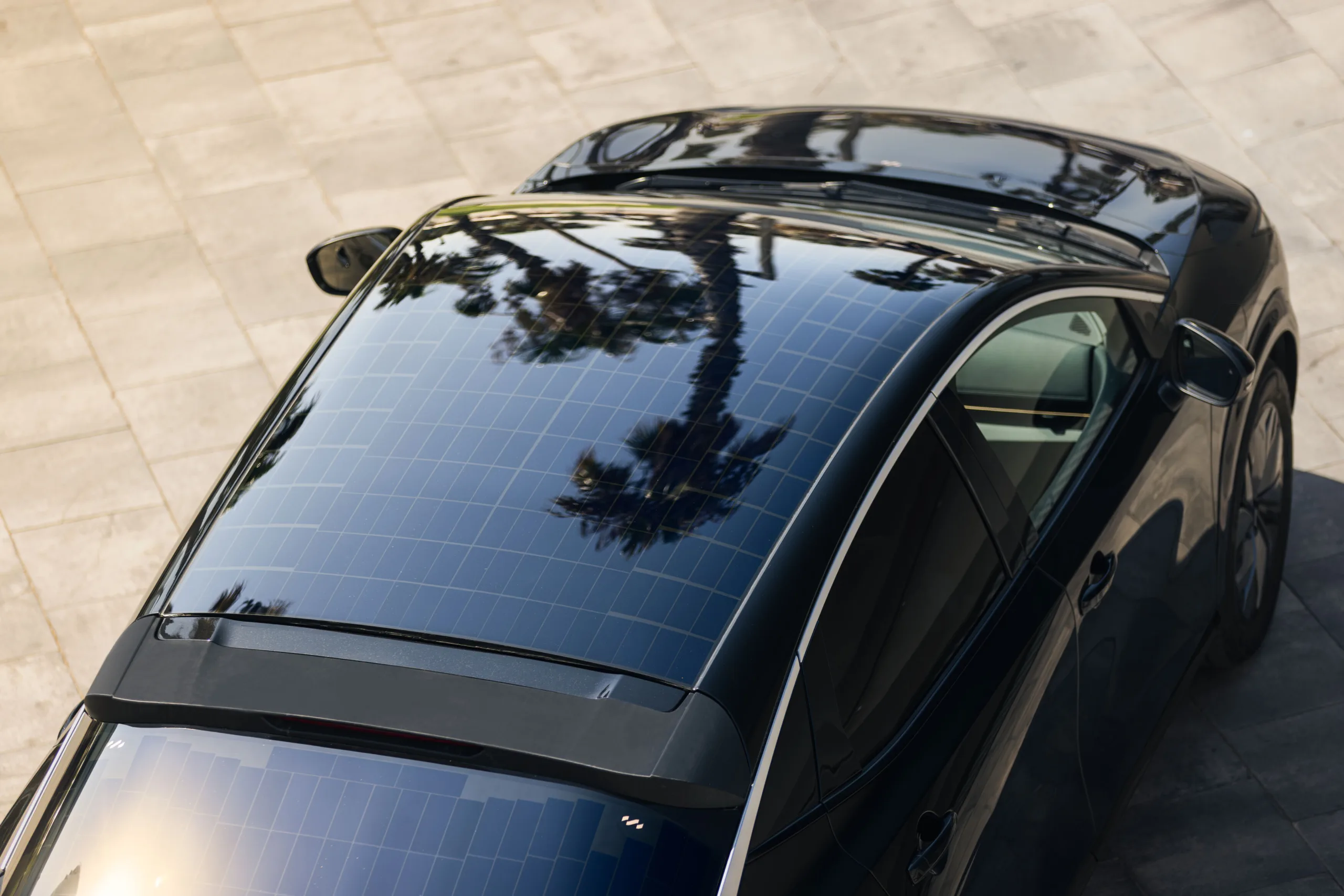
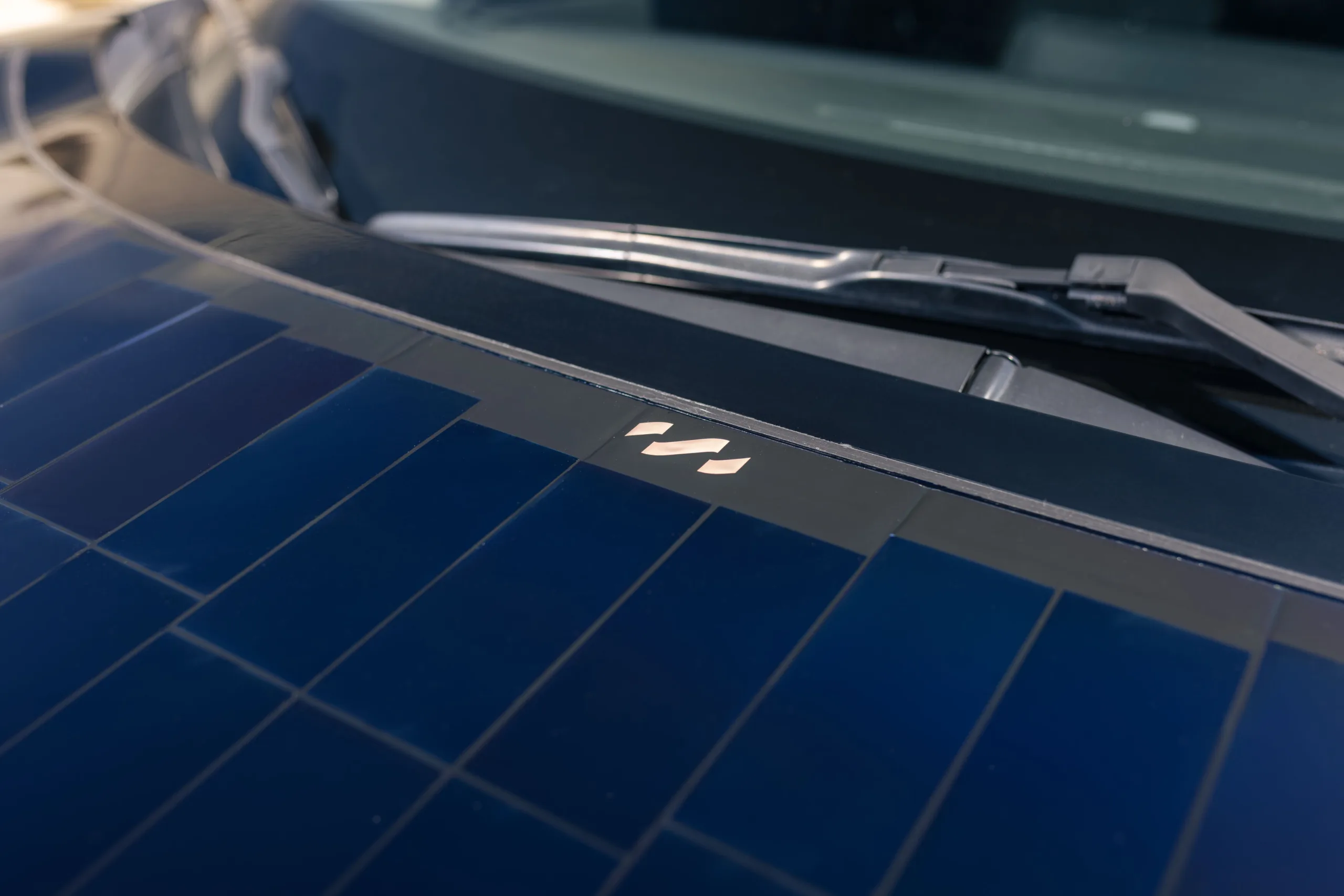
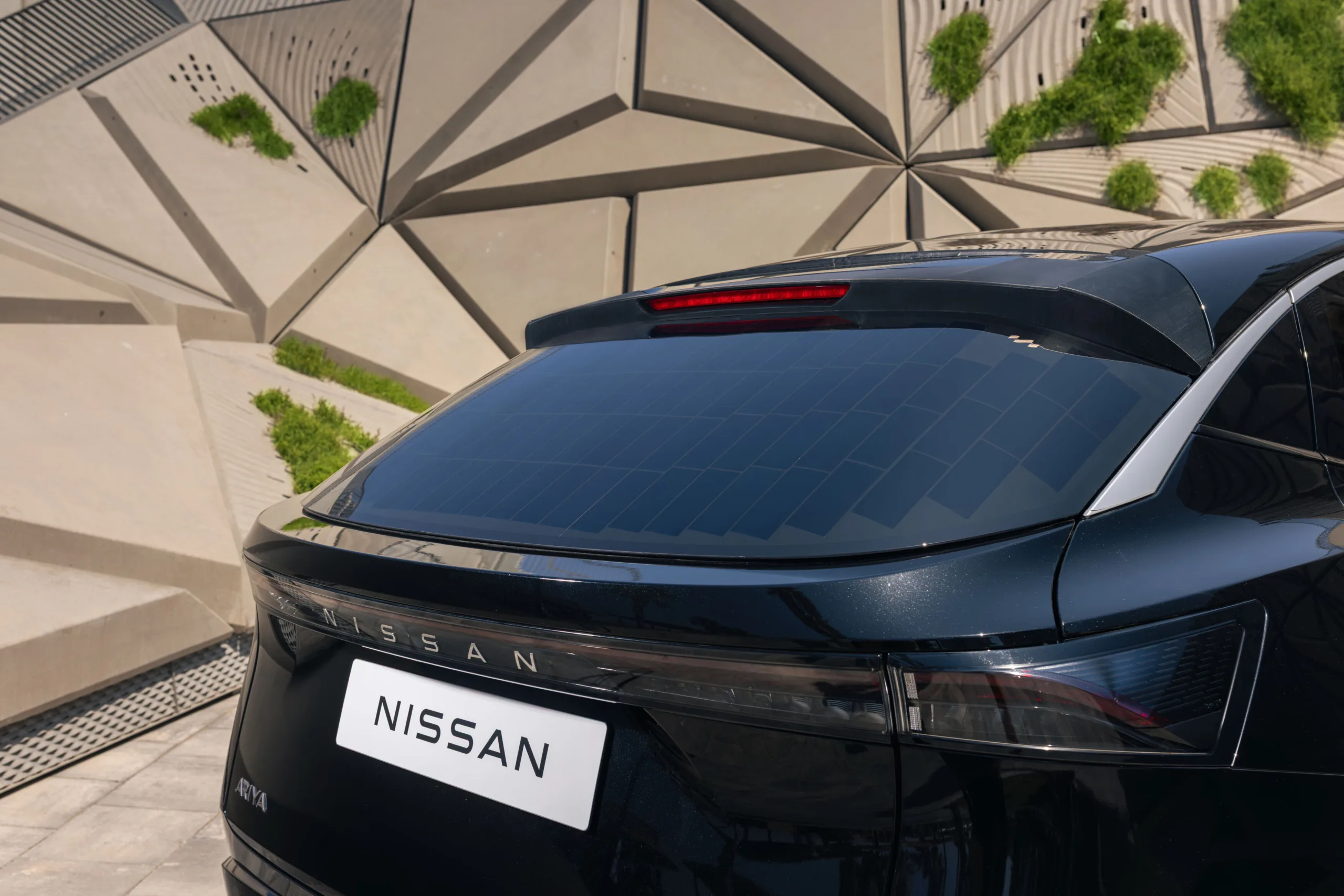
At its core, the Ariya concept is equipped with 3.8m² of custom, high‑efficiency photovoltaic panels integrated seamlessly into the hood, roof, and tailgate. These aren’t your average rooftop panels; they’re advanced polymer‑and‑glass units developed through Nissan’s collaboration with Dutch solar‑mobility innovators Lightyear. Paired with a smart controller system that optimizes energy flow, the concept car absorbs sunshine and converts it into precious, free driving range.
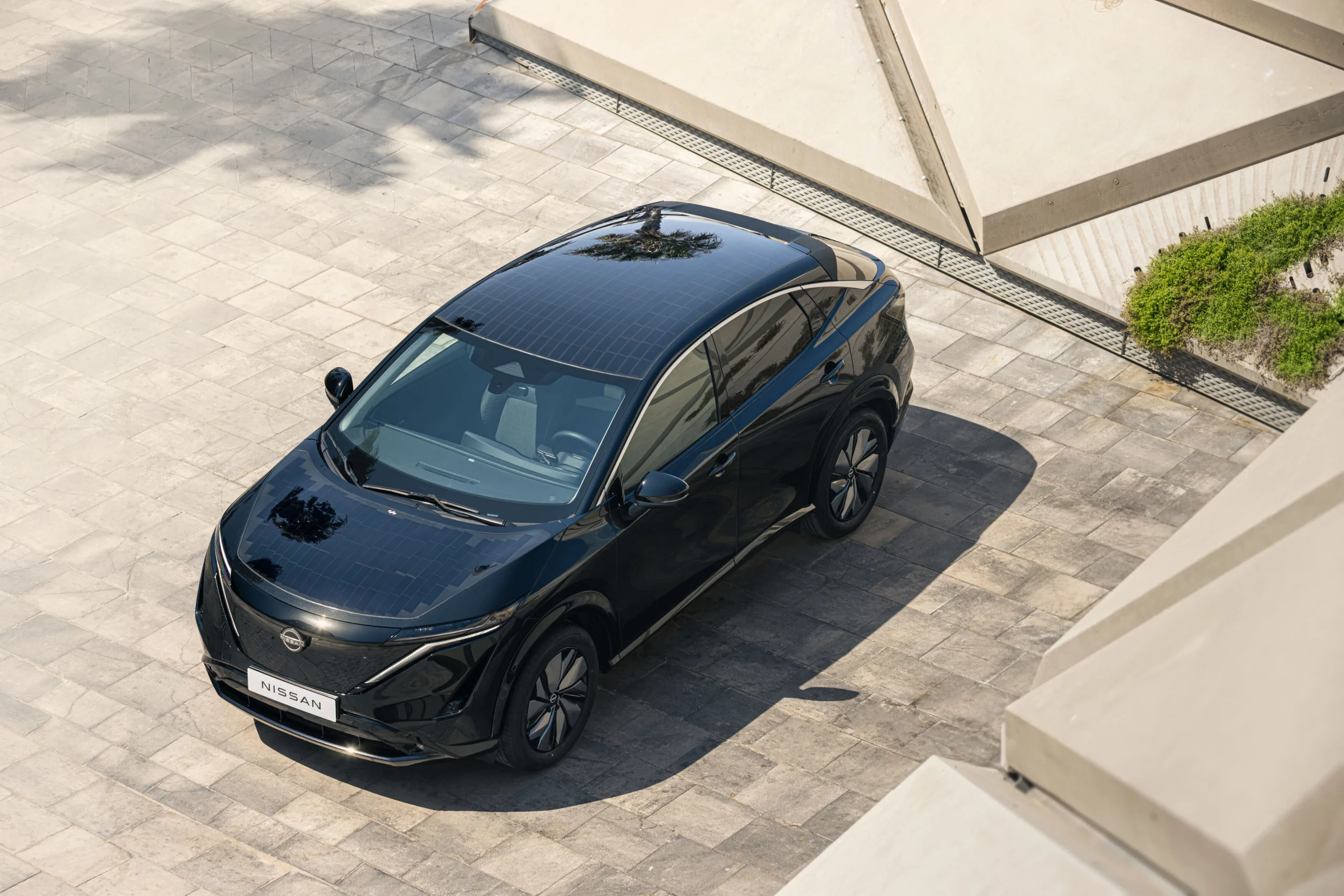
And the numbers? They’re genuinely impressive. Real‑world testing shows that on a bright, sunny day, the solar-powered Ariya can generate up to 23km of additional range—no charging cable, plug, or power outlet required. Cities with strong solar exposure benefit even more: drivers in Barcelona could see about 17.6km of solar-powered travel per day, while Dubai residents might enjoy as much as 21.2km. Even comparatively cloudier London clocks in at a respectable 10.2km daily, proving that the sun is still a reliable partner even under grey skies.
But it gets better. According to Nissan, this solar supplementation could reduce charging frequency by a remarkable 35–65%, depending on lifestyle and usage patterns. That means fewer charging stops, lower running costs, and the deeply satisfying sense of powering your journey with pure sunshine. During testing, a two-hour, 80km drive was shown to regenerate 0.5 kWh of energy—enough to add roughly 3km of clean, zero‑emission driving range.
For drivers in regions with developing or limited charging infrastructure, the implications are huge. With solar integration, EV ownership becomes more accessible, more convenient, and more autonomous, just park, soak up the rays, and go. Nissan’s 1,550km long‑distance test run, from the Netherlands to Barcelona, reinforced the benefits: annual charging visits for a typical 6,000km‑per‑year commuter dropped from 23 to just 8.
Behind the scenes, this ambitious concept was brought to life by Nissan’s Advanced Product Planning team in Dubai and the Powertrain Planning team in Barcelona, who joined forces with Lightyear to explore the ultimate EV question: “What if cars could charge themselves?”. Judging by the results, that question has sparked a genuinely promising frontier in clean mobility.
Shunsuke Shigemoto, Nissan’s Vice President for ePowertrain and ICE Powertrain development, emphasizes that this concept goes beyond clever engineering—it’s a window into Nissan’s long-term sustainability mission and a crucial step toward the brand’s goal of achieving full carbon neutrality by 2050. For Nissan, the solar‑powered Ariya isn’t just a prototype; it’s a statement about the future of mobility, where innovation and environmental responsibility move in lockstep.
And, of course, it’s hard not to appreciate the symbolism here. An electric SUV, powered by the sun itself, gliding through European cities as the world marks Clean Energy Day, it’s an image that captures exactly where the EV world is heading. Cleaner. Smarter. Sun‑kissed.
As solar technology improves and integration becomes more cost‑effective, it’s not hard to imagine a future in which most EVs arrive with solar elements as standard, adding meaningful range, reducing charging loads, and giving drivers a little extra freedom with every sunrise.
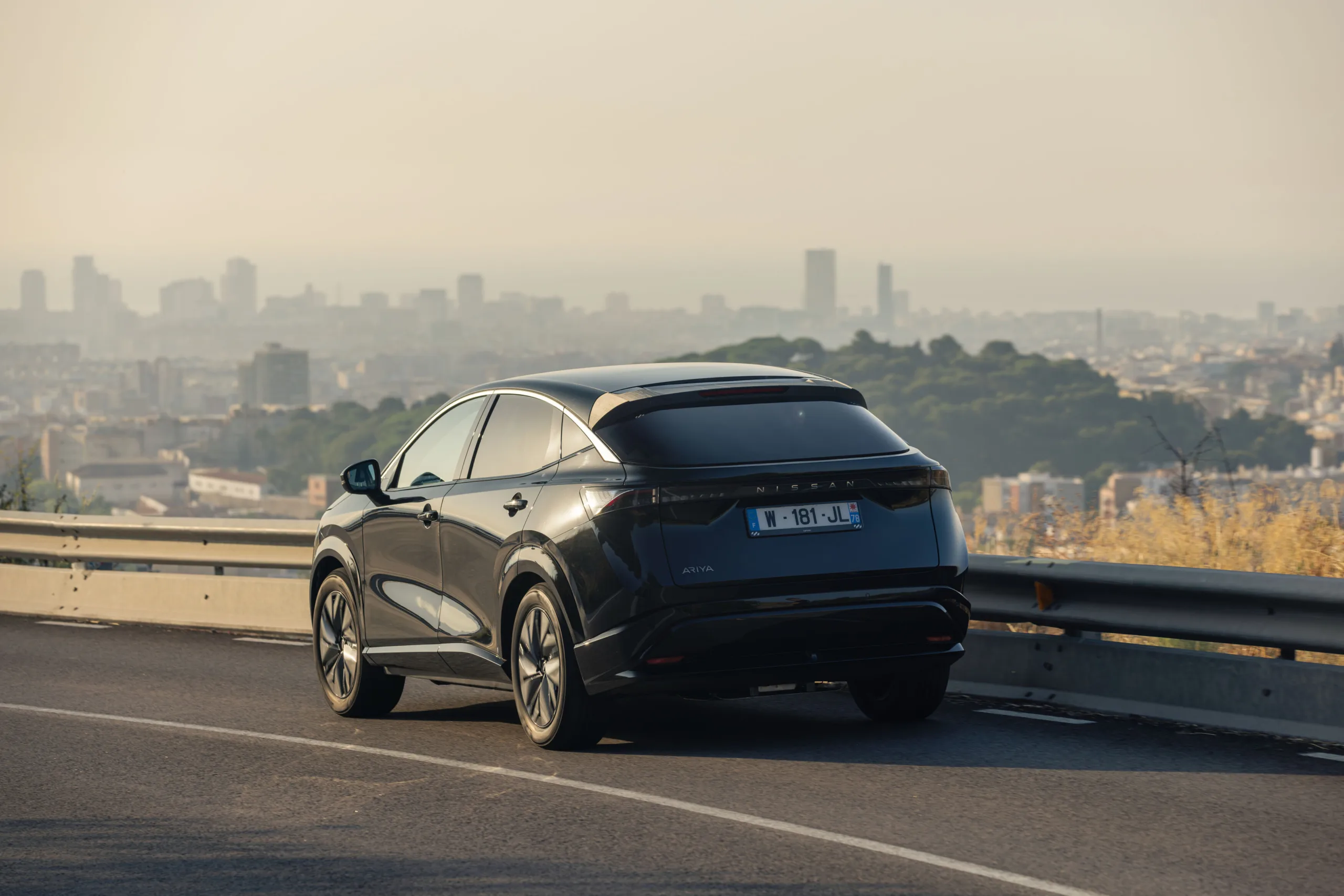
For now, the solar‑powered Ariya concept stands as an inspiring promise: one day, your daily commute might begin not with a plug-in, but simply by stepping outside into the sunshine.