The survivor-led documentary arrives at a moment when audiences are demanding more from the true crime genre
If your social feeds have been flooded with the name Elizabeth Smart this week, you’re not alone. The release of Kidnapped: Elizabeth Smart on Netflix this January has reignited global conversation about one of America’s most harrowing abduction cases. But here’s what makes this moment different: in 2026, we’re finally ready to listen differently.
For those experiencing true crime fatigue, that creeping discomfort with how often these stories centre the perpetrator rather than the person who survived, this documentary offers something genuinely refreshing. It arrives at a cultural inflection point where audiences are asking harder questions about the ethics of consuming trauma as entertainment.
Her Story, Her Voice

So, is Kidnapped: Elizabeth Smart worth watching? The short answer: yes, but not for the reasons you might expect.
Previous dramatisations of Smart’s ordeal have approached her story from the outside looking in. The 2003 TV movie The Elizabeth Smart Story was rushed to screens less than eight months after her rescue, based primarily on her parents’ account. The 2017 Lifetime film I Am Elizabeth Smart marked progress; Smart narrated and produced it, but remained a dramatisation with actors portraying her trauma.
This Netflix documentary represents something fundamentally different. Directed by Benedict Sanderson, it places Smart herself at the centre, not as a subject to be examined but as the author of her own narrative. Now 38 and a mother of three, Smart guides viewers through archival footage and never-before-seen material with remarkable composure.
The documentary features candid interviews with her younger sister Mary Katherine, who at just nine years old was the sole witness to the abduction, along with her father Ed, uncles and the investigators who worked the case. What emerges is not merely a recounting of events but a meditation on memory, family and the long road toward healing.
What Happened to Elizabeth Smart?
For those unfamiliar with the case, a brief context: in June 2002, fourteen-year-old Elizabeth was taken at knifepoint from her bedroom in Salt Lake City by Brian David Mitchell, a man who had done odd jobs for the family. For nine months, she endured captivity before being recognised by passersby who had seen Mitchell’s photograph on America’s Most Wanted.
But reducing Smart to what happened to her misses the point entirely. The documentary makes clear that this is a story about what happens after. It’s a story about the psychological resilience required to rebuild a life when the world has already written your ending.
Smart speaks openly about the shame she carried, the silence that surrounded conversations about sexual violence and how that silence nearly convinced her that rescue wasn’t worth hoping for. These revelations aren’t gratuitous; they’re purposeful, aimed at other survivors who may recognise themselves in her experience.
Elizabeth Smart Now: Advocate, Author, Educator
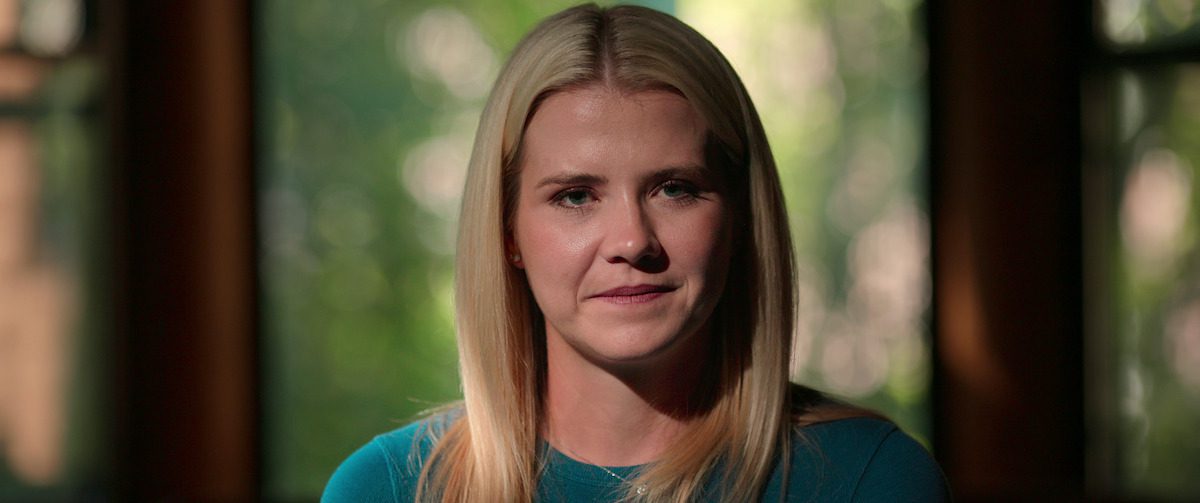
Today, Smart leads the Elizabeth Smart Foundation, which she established in 2011. Her flagship initiative, the Smart Defence programme, combines martial arts training with education about sexual violence prevention. It’s designed specifically for women and girls aged twelve and older, blending physical empowerment with psychological preparation.
The foundation’s “We Believe You” campaign works to dismantle the victim-blaming narratives that keep survivors silent. Smart has also published three books, including her recent memoir Detours, and hosts the Smart Talks podcast, where she interviews therapists, advocates and fellow survivors.
Why This Resonates in New Zealand?
Here in Aotearoa, we’re no strangers to difficult conversations about child safety and survivor empowerment. Organisations like Shine, the Child Abuse Prevention Foundation and Netsafe continue working to shift our national dialogue from reactive response to proactive prevention. Recent parliamentary inquiries into online harms affecting young New Zealanders and the introduction of new stalking legislation in 2026 reflect a society grappling with how to protect its most vulnerable.
Smart’s approach, essentially centring survivor voices, emphasising education over fear and refusing to let shame dictate the conversation, mirrors the kaupapa of many local advocates. Her documentary arrives as a useful companion piece to our own evolving understanding of what meaningful support looks like.
The Verdict
Kidnapped: Elizabeth Smart is required viewing, though perhaps not in the way true crime documentaries typically demand our attention. This isn’t about the crime itself; rather, it’s about the human capacity to reclaim agency after it has been violently stripped away.
As Smart herself puts it in the film’s closing moments: “I’m stronger than I thought I was.”
For anyone who has grown weary of true crime content that exploits rather than illuminates, this documentary offers a template for something better. It demonstrates that the most powerful stories aren’t always about what was taken, but about what was rebuilt.
Kidnapped: Elizabeth Smart is streaming now on Netflix.
If you or someone you know has been affected by sexual violence, support is available through Safe to Talk (0800 044 334) or Victim Support (0800 842 846).