Let’s be honest, the world of automotive concept cars can be a bit of a mixed bag. For every jaw-dropping masterpiece that hints at a glorious future, there are a dozen amorphous, soulless blobs that look like they’ve escaped from a low-budget sci-fi film. But every so often, a manufacturer unveils something that stops you dead in your tracks. Something that isn’t just a car, but a statement. Enter the Mercedes-Benz Vision Iconic.
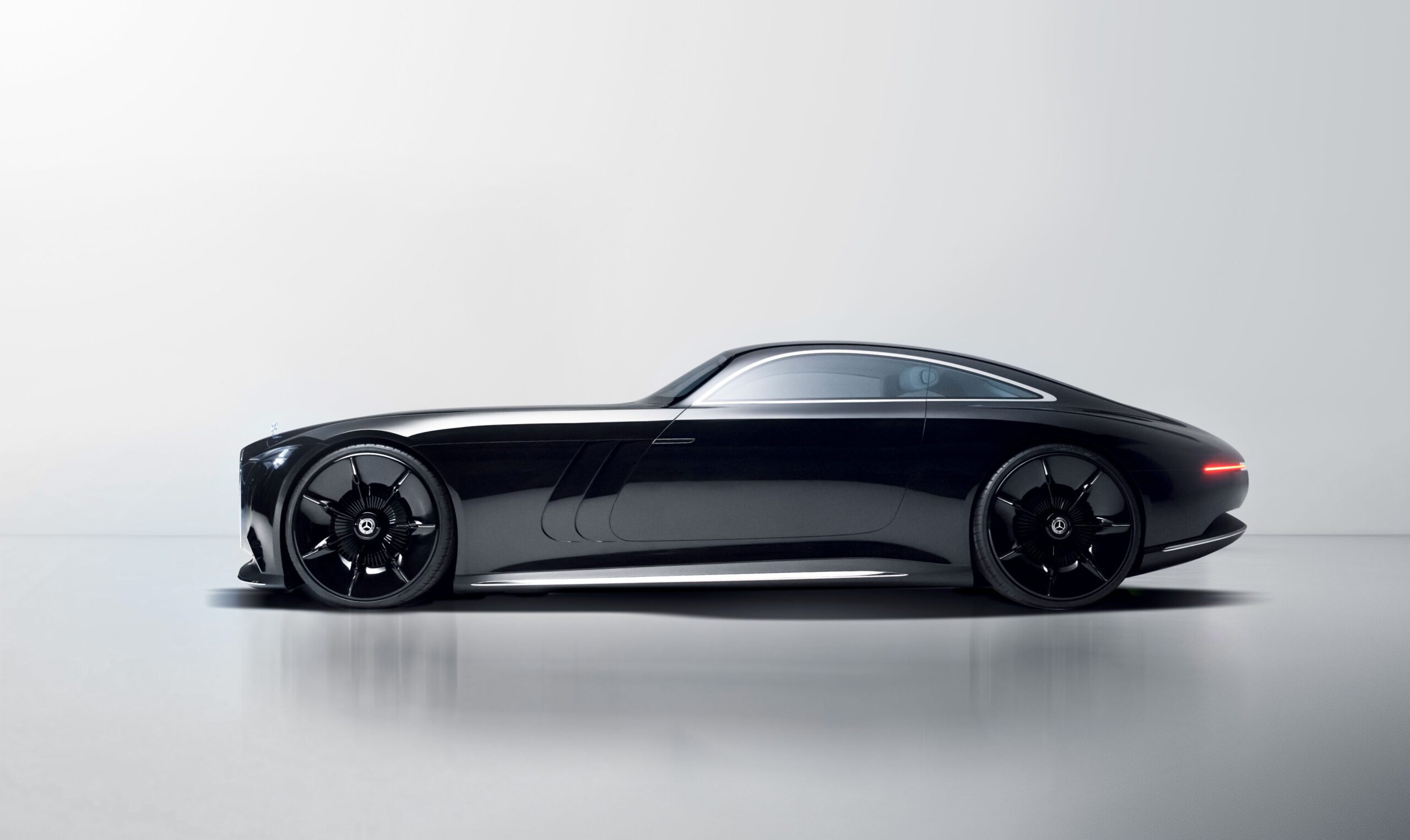
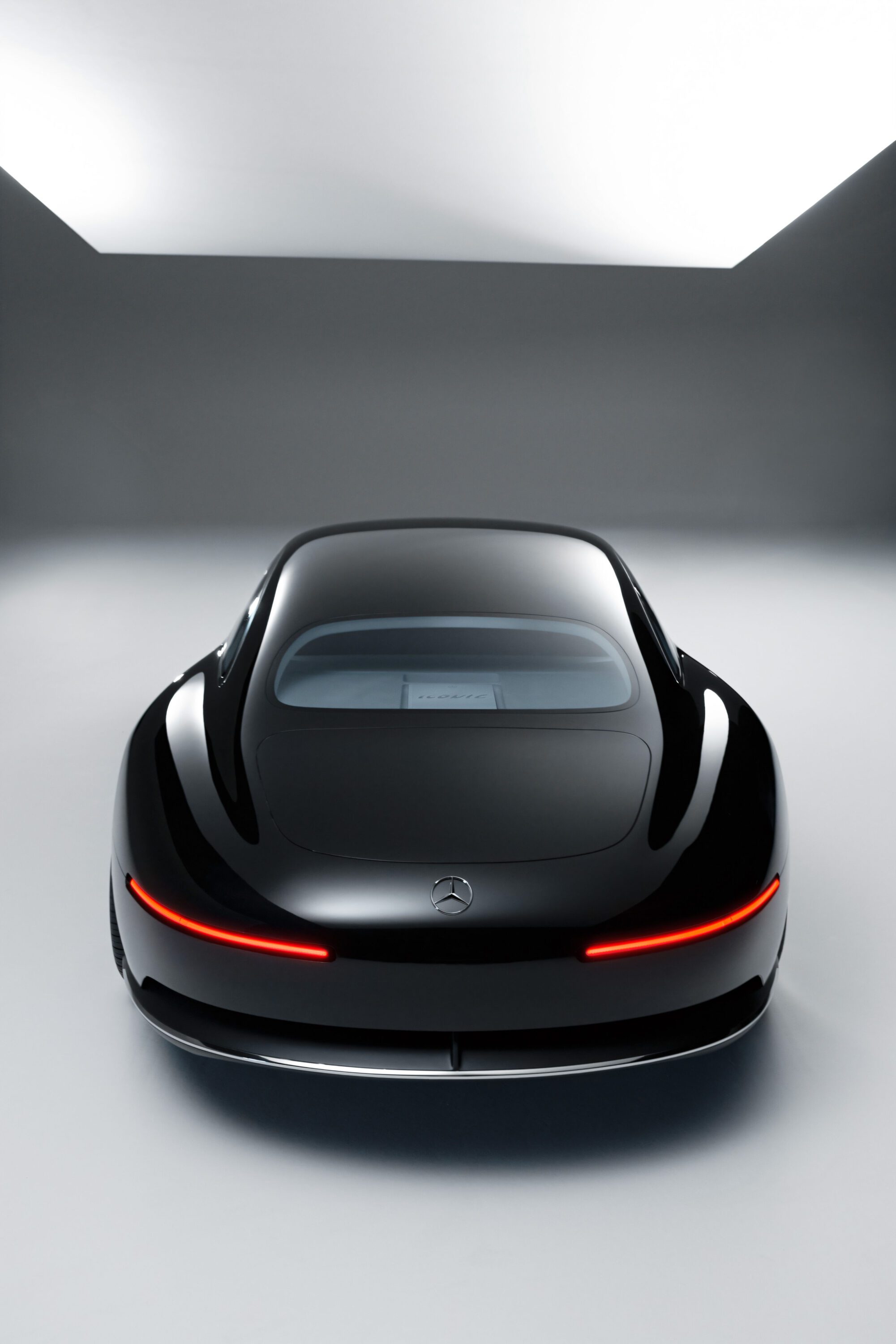
Unveiled in Shanghai, this show car is less a vehicle and more a rolling piece of sculpture, designed to build a “bridge between past and future”. It’s a breathtaking blend of 1920s Art Deco grandeur and technology so advanced it feels like it’s been plucked from the next century. Gorden Wagener, the design guru at Mercedes-Benz, perfectly captures its essence, calling it a “sculpture in motion, a homage to timeless elegance”. Forget the sea of sameness; this is Mercedes planting its three-pointed star firmly in the soil of a new iconic era.
A Face That Honours History
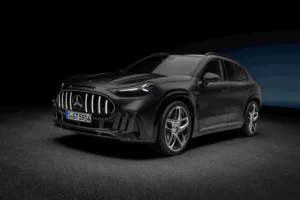
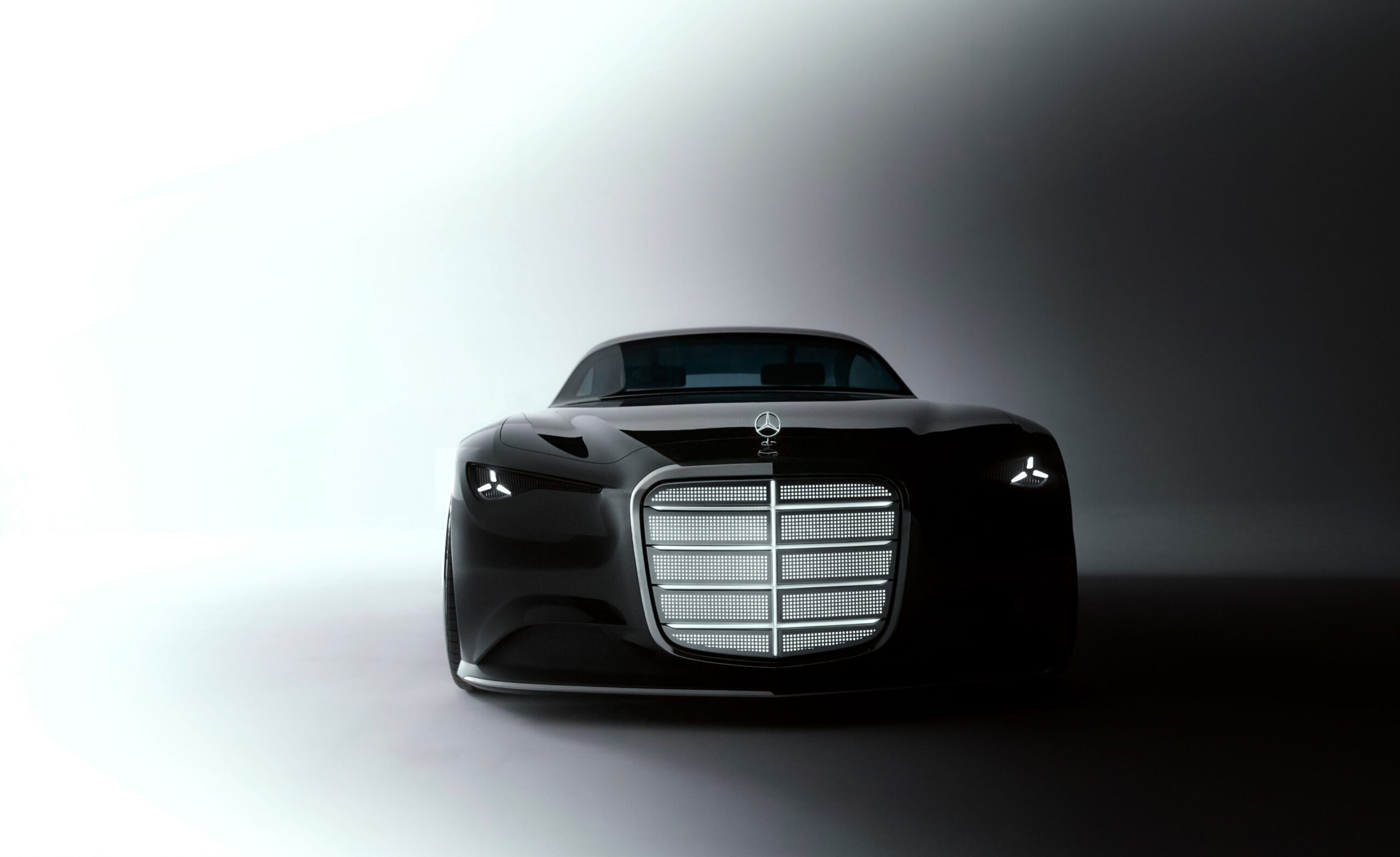
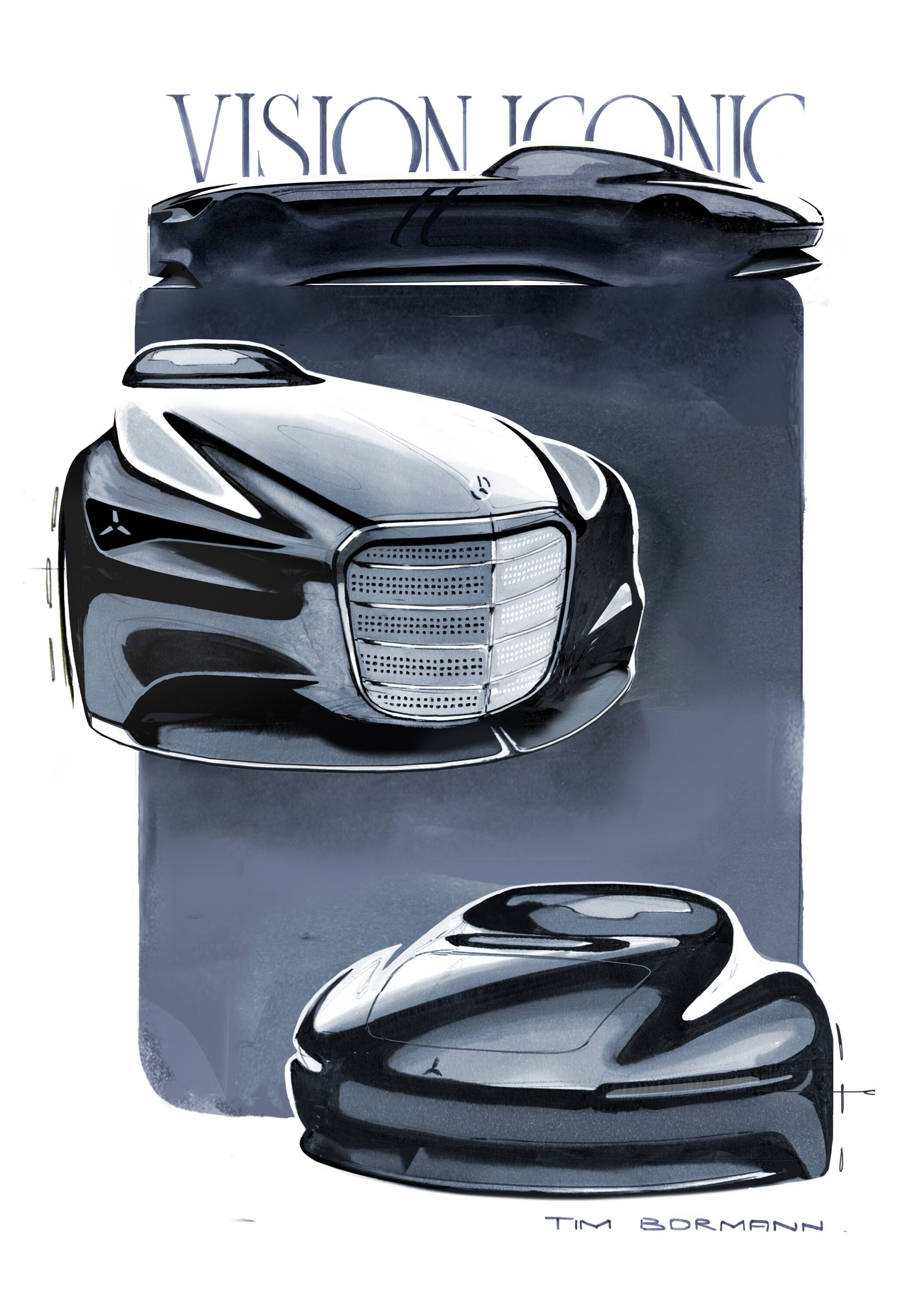
One of the biggest identity crises for electric vehicles is the lack of a traditional grille. How do you give a car a recognisable face when it doesn’t need to breathe in the same way? Mercedes-Benz answered this with the “iconic grille” on its new electric GLC, but the Vision Iconic takes that concept and turns the amplifier up to eleven.
The design is a stunning, forward-looking homage to the imposing upright grilles of legendary models like the W 108, W 111, and the stately 600 Pullman. A wide, chromed frame surrounds a smoked-glass lattice structure, all brought to life with integrated contour lighting. It radiates presence and status. But the masterstroke is the re-emergence of the illuminated, classic upright star on the bonnet. For years, brand purists have lamented the star’s migration into the grille on most models. Its proud return here is a powerful nod to a century of heritage, proving that the future doesn’t have to mean erasing the past. As Wagener notes, this show car embodies the “pure essence of Mercedes-Benz” with its majestic presence and flowing lines.
An Interior to Rival a Luxury Lounge
If the exterior is a tribute to the golden era of automotive design, the interior is where the Vision Iconic truly becomes a transportive experience. Mercedes-Benz calls it “hyper-analogue and lounge comfort,” and they’re not kidding. With Level 4 automated driving on board, the car transforms from a mode of transport into your own private sanctuary.
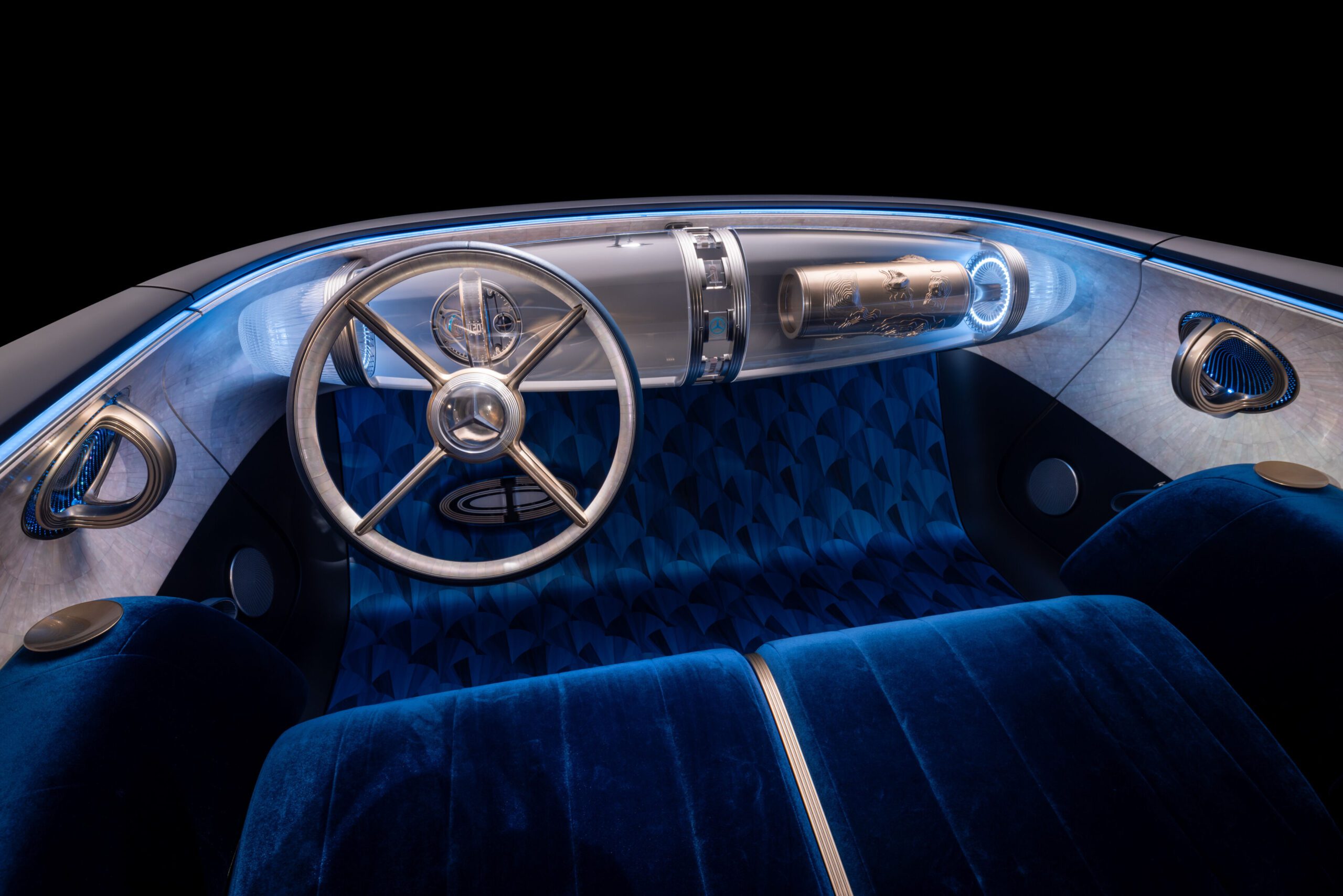
The cabin is an opulent, Art Deco-inspired masterpiece. Forget acres of black plastic and generic touchscreens. The centrepiece is a floating glass structure called the “Zeppelin,” which houses a stunning array of analogue and digital instruments that perform a cinematic animation on startup, inspired by high-end chronographs. The entire dashboard is a pillar-to-pillar screen, but it’s integrated with such finesse that it feels like part of the architecture.
The materials are simply on another level. Driver and passenger share a spacious bench seat upholstered in deep blue velvet. Lustrous mother-of-pearl inlays adorn the decorative surfaces and door panels, flowing around polished brass handles. And the floor? It’s clad in elaborate straw marquetry, a decorative technique from the 17th century revived in the 1920s, laid out in a classic Art Deco fan motif. It’s the kind of detail that separates mere luxury from true automotive artistry. Even the four-spoke steering wheel is a work of art, with the Mercedes-Benz logo floating inside a glass sphere, “clasped by the spokes like a jewel”.
The Genius Brain Hiding Beneath the Beauty
While the Vision Iconic could easily get by on its looks alone, it’s infused with some of the most advanced technology imaginable. This isn’t just a pretty face; it’s a technological pioneer.
First, there’s the Solar Paint. Mercedes-Benz is developing an innovative photovoltaic coating that can be applied to the car’s body like a thin paste. Applied across the surface of a mid-size SUV, this tech could generate enough energy for an extra 12,000 kilometres of range per year under ideal conditions. Even better, it’s highly efficient, contains no rare earths, and is easily recyclable.
Then there’s the leap into Neuromorphic Computing. In simple terms, this is a computer architecture that mimics the functioning of the human brain. The benefit is a colossal improvement in efficiency and speed. Mercedes-Benz predicts this could make AI calculations for things like autonomous driving 10 times more efficient, reducing the energy requirement by a staggering 90% compared to current systems. This means safety systems can recognise pedestrians, signs, and other hazards faster and more reliably, especially in poor conditions.
This brainpower enables a new kind of journey. The Vision Iconic is designed for a Level 4 highly automated driving system. Once you’re on the motorway, you can activate the system, and the car takes over completely. The driver can “relax without having to deal with traffic at all,” even taking a nap or streaming a video while cocooned in their velvet-lined lounge. This freedom is enhanced by a steer-by-wire system, which removes the mechanical link between the steering wheel and the wheels, allowing for improved handling, easier parking, and greater flexibility in interior design.
As Markus Schäfer, Mercedes-Benz’s CTO, states, “With groundbreaking innovations… we are setting new standards for the electric and digital age. This beautiful vehicle is a testament to our commitment to making the mobility of tomorrow a reality today”.
Tarmac Takeaway
The Mercedes-Benz Vision Iconic is far more than a concept car. It’s a rolling thesis on the future of luxury mobility. It proves that an electric, autonomous future doesn’t have to be sterile or cold. By masterfully blending its rich Art Deco heritage with revolutionary technology, Mercedes-Benz has created a true masterpiece for a new era. The only question left is, how much of this incredible dream will make it to the showroom floor?