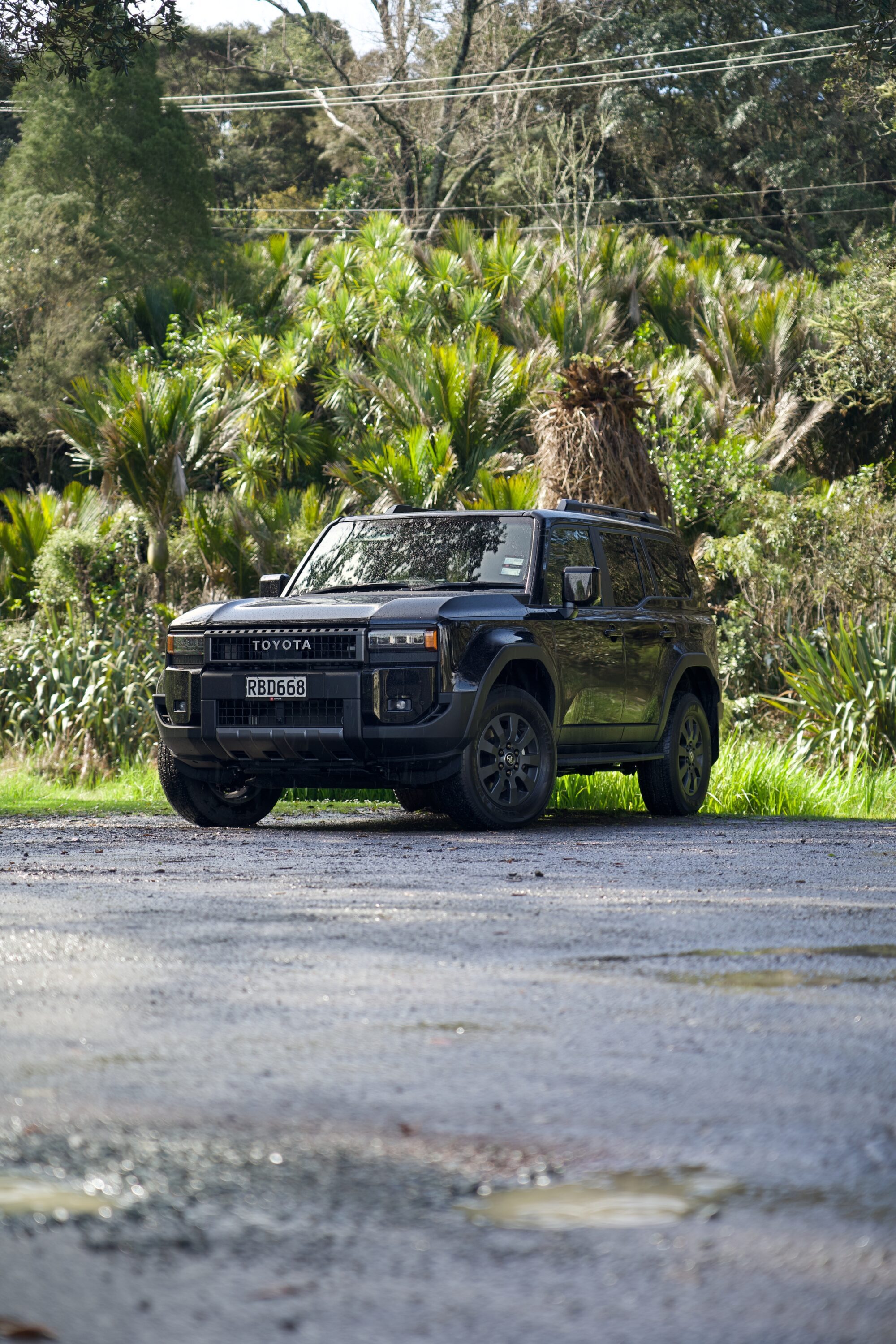
Few SUVs have a legacy as long and respected as the Toyota Land Cruiser Prado, and while many rivals have grown sleeker and softer in pursuit of urban buyers, the new gen of the Prado unapologetically leans into its off-road roots. It’s boxy, rugged, and proud of it. And my second go at it helped me understand why it is a Kiwi sweetheart.
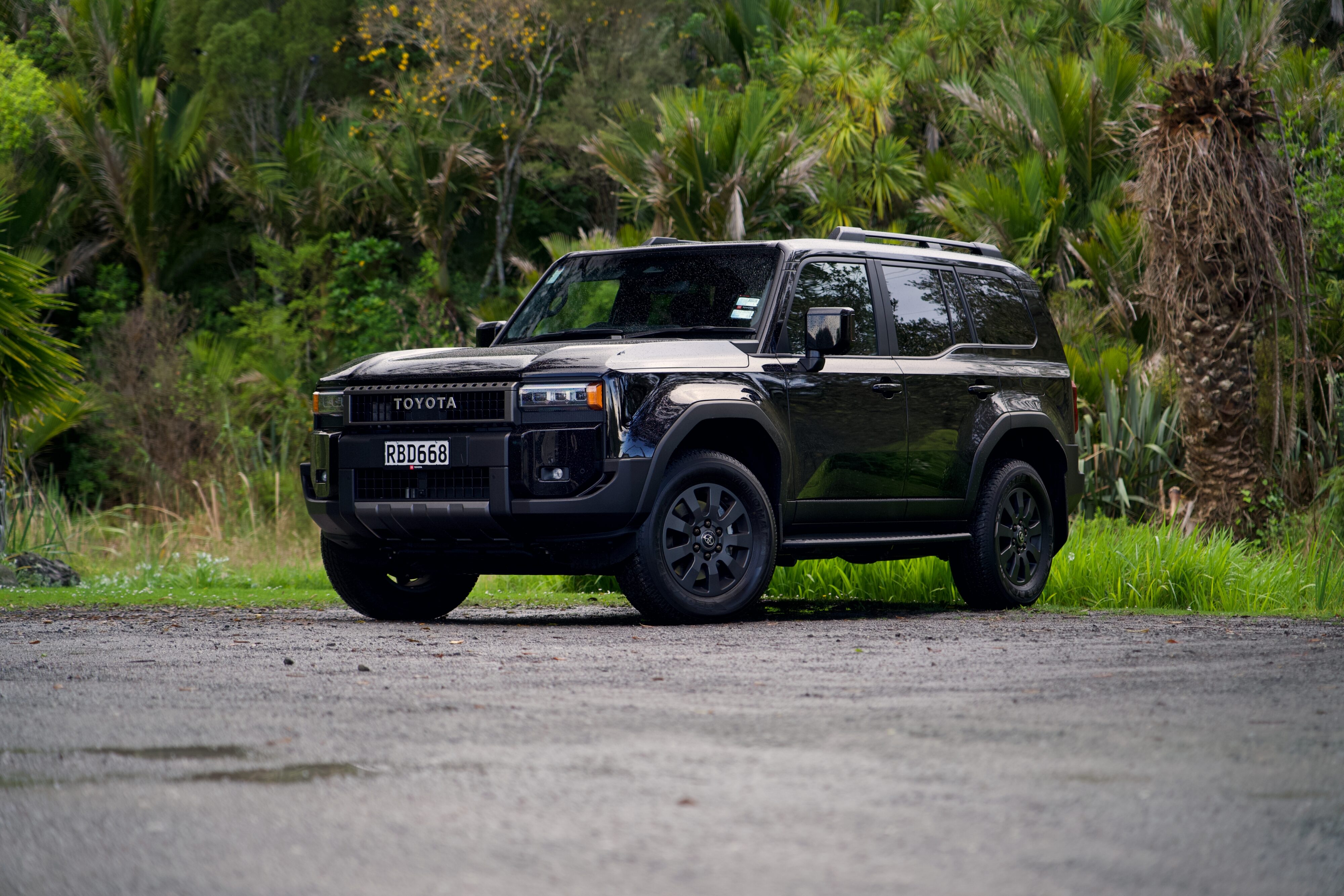
In our context, the Prado sits in a solidified and competitive segment, sharing the carpet with the full-size Land Cruiser 300, and directly competing against some serious rivals. But now, it enters the chat with something new: a diesel hybrid setup, and available in various trim levels to suit different lifestyles. Starting from around NZD 85,000 and stretching past $105k depending on spec, it’s leverages Toyota’s reputation and hybrid advantage to make it a compelling proposition for buyers who split their time between the city and the countryside.
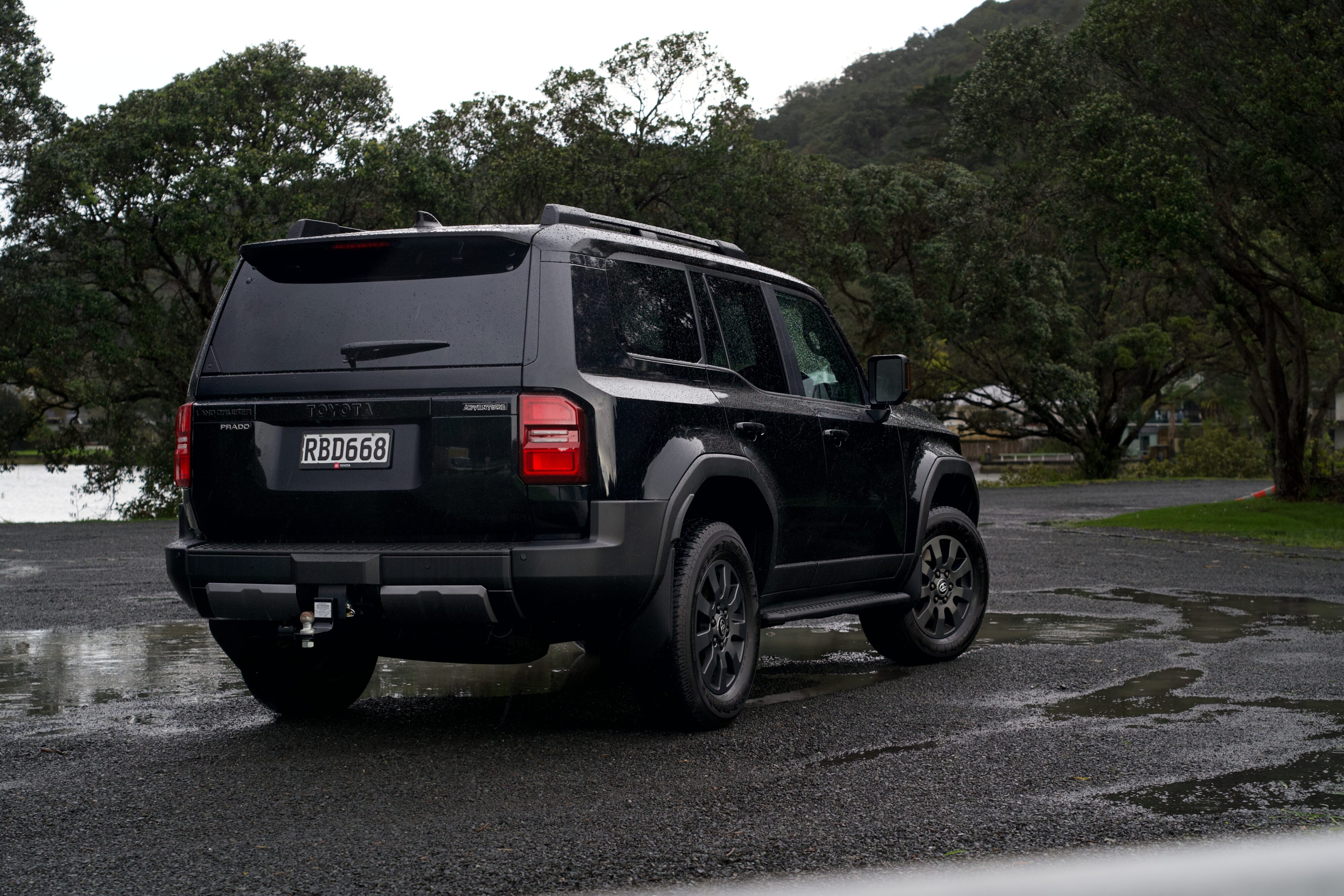
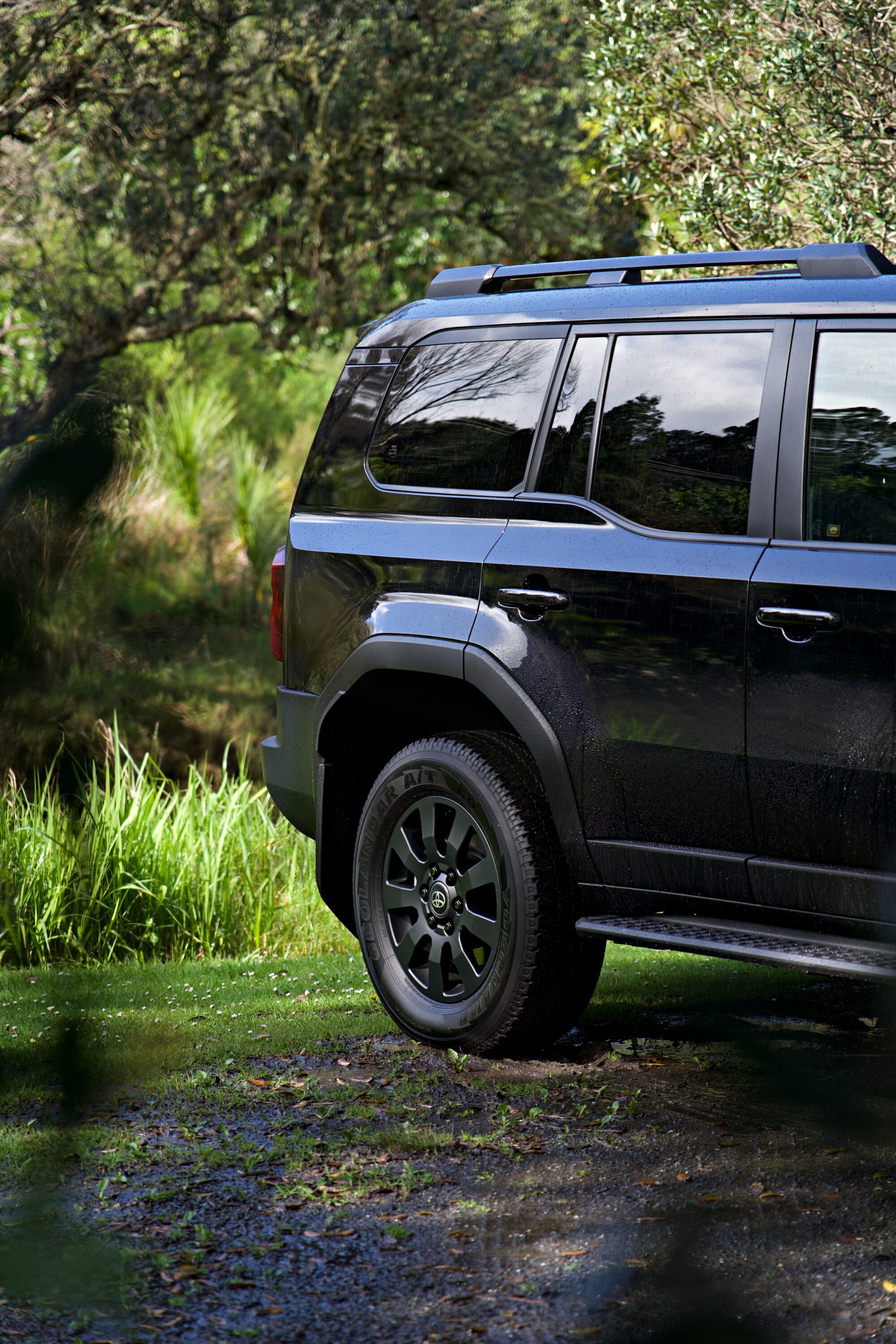
While other SUVs flirt with coupé rooflines and fancy light signatures, the Prado doubles down on boxiness. Its upright stance, bold wheel arches, and retro-inspired face feel like a greatest-hits remix of every great Land Cruiser that came. It’s more adventurous-looking than before, with a charm that feels so on brand for the nameplate. Depending on configuration, it can wear its personality two ways: as a weekend overlander or a posh urban machine. Either way, it’s a design that looks purposeful rather than polished, and that’s exactly the point.
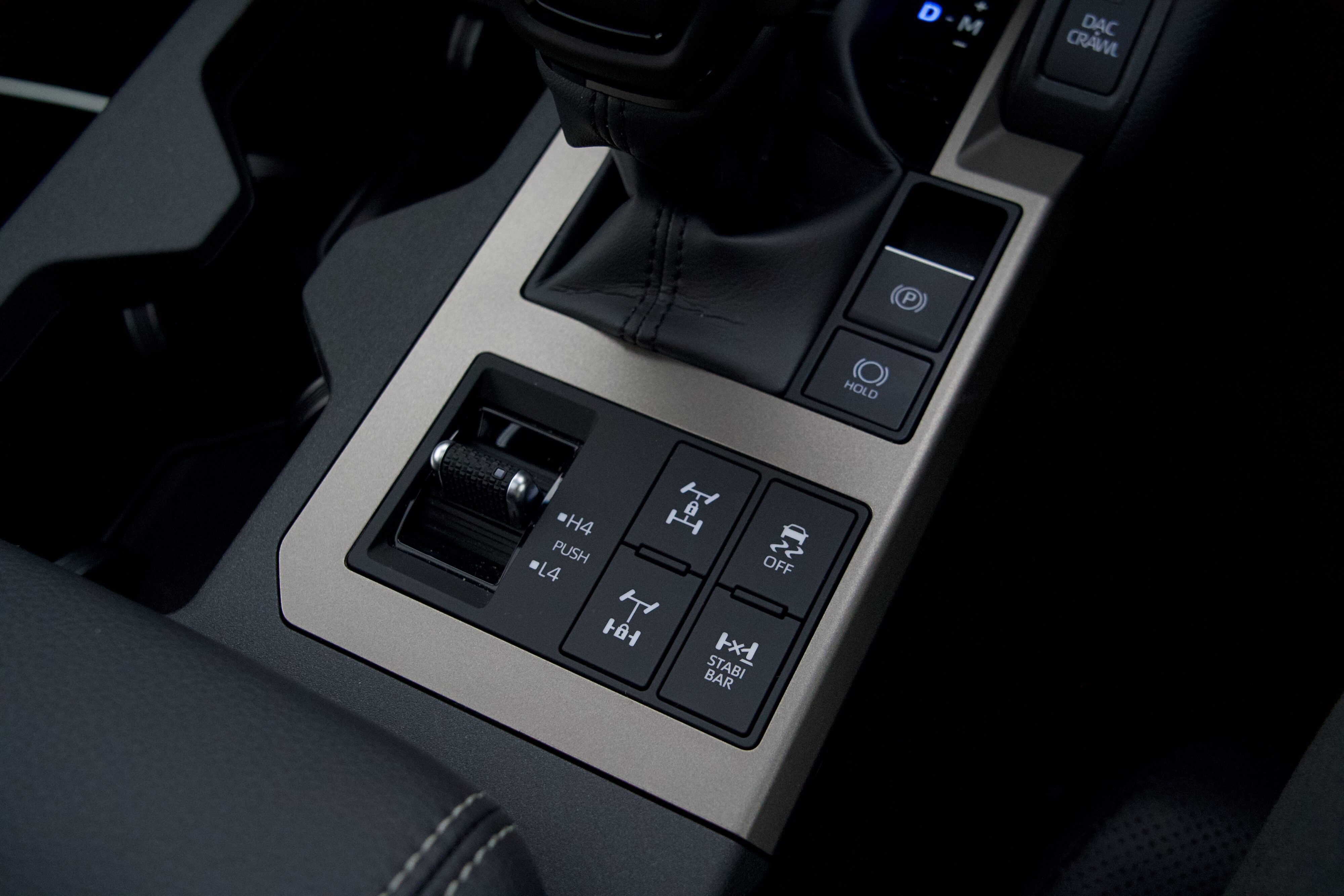
Step inside, and the theme continues. “Chunky but refined” feels like the perfect brief: you’re met with generous leather, an upright dashboard filled with real buttons (so many buttons!), and materials that blend durability without feeling cheap. Many cars out there try to get away with cheap scratchy plastic under the guide of durability and being easy to clean, but the rubberised surfaces here are a masterclass on how to resist glare and grime without hurting the experience.
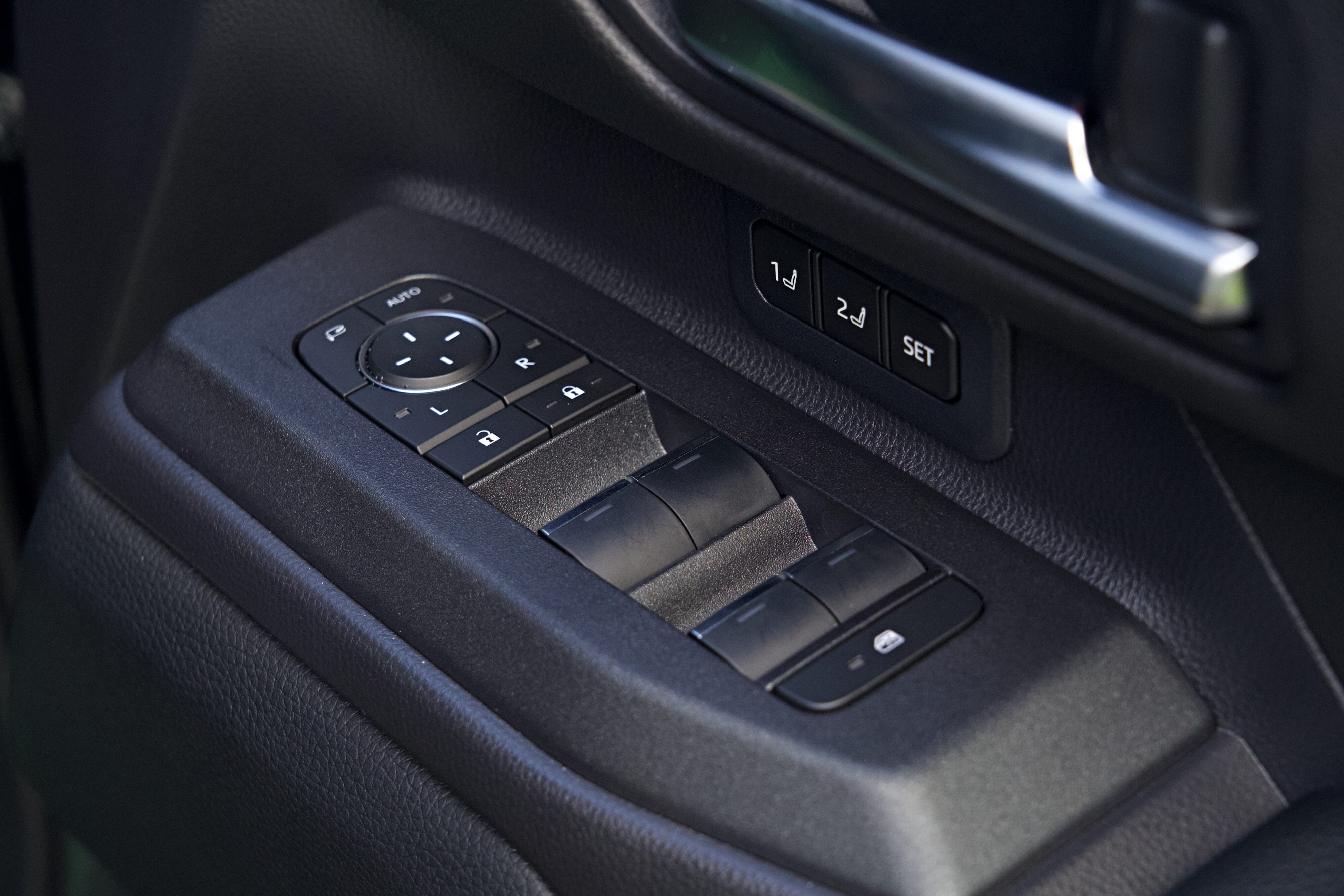
The seats offer immense adjustment up front, and the leather texture wouldn’t feel out of place in a Lexus. Some of my passengers felt overwhelmed by the sheer number of switches, but after a monologue from me, they agreed: this is ergonomics done right. Five seats in this configuration keep things simple, though seven-seat versions exist for those who need them, always with plenty of space and enough comfort solutions.
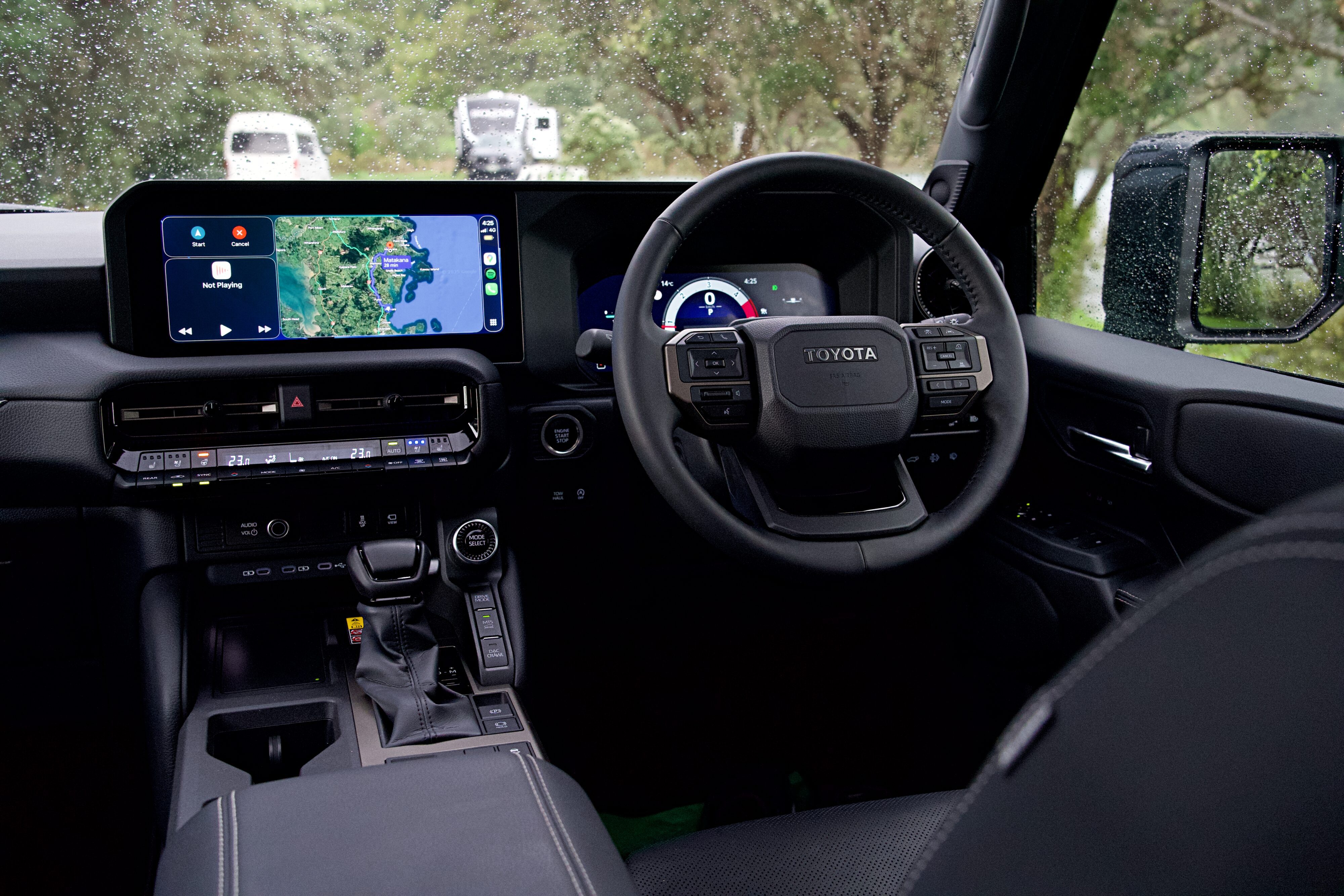
Despite its rugged soul, the Prado’s tech suite is thoroughly modern. Twin digital displays dominate the dash — one for infotainment, one for driving data — both running Toyota’s latest system. The Toyota Connect software is sharp and responsive, and although my usual small gripe of having to use the “Toyota App Shortcut” icon to go back to the main system menu from phone projection still remains, it is easily forgiven when you can control most essentials via physical buttons (and because there’s just not a whole lot to do there). Connectivity and safety systems are all first-rate, and Toyota’s latest driver assistance package feels extremely well-tuned for local roads.
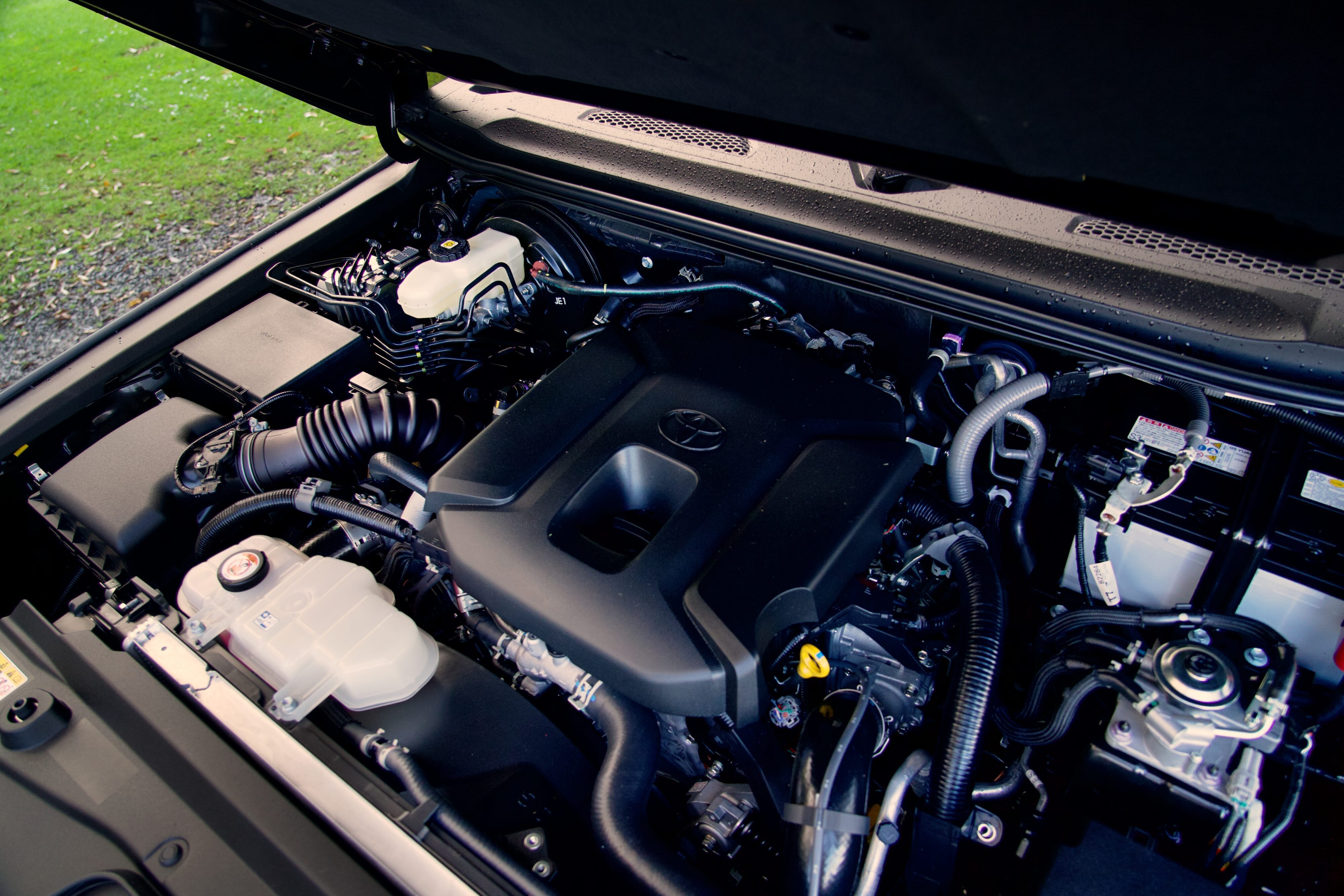
Under the bonnet, again the Prado breaks expectations. This isn’t a petrol-electric hybrid in the usual Toyota sense: it’s a diesel hybrid, pairing a 2.8-litre four-cylinder turbodiesel with a 48V mild-hybrid system. That means you won’t get full EV-only operation, nor will you see any blue badges shouting about electrification. It behaves like a sophisticated stop-start setup that smooths take-off and saves a few sips of diesel along the way. Torque delivery feels strong and immediate, with more than enough for daily driving or towing, though those who regularly haul big loads might end up looking elsewhere. Efficiency hovers around 9L/100 km – respectable given its size and capability.
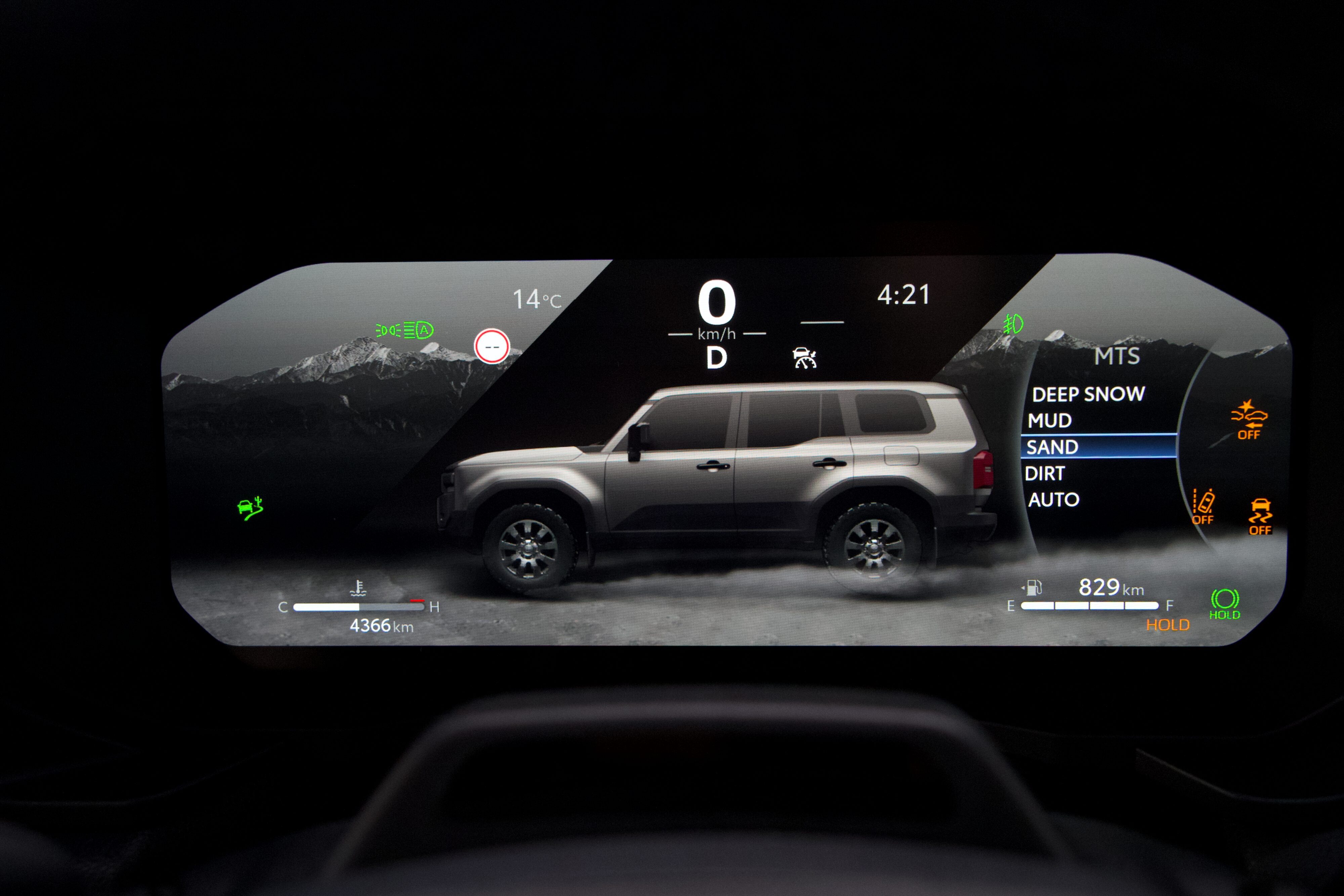
On the move, the Prado makes little effort to hide its underpinnings, with a diesel clatter that doesn’t feel unrefined, but is always present. The 2.8 litre might remind you of a Hilux on a blind test, but the suspension behaviour will quickly eliminate that thought: the Prado strikes a fine balance between comfort and confidence, and shines the most when things get rougher. It still has some of the body on frame stutter every now and again, but is a very competent mile eater regardless the surface. Drive (and Multi Terrain Select) modes make tangible, immediate changes to steering and throttle calibration, and clear feedback on-screen helps you keep track, as there are many of them. Unladen, it feels brisk enough, assisted by a gearbox that is buttery smooth in all regimens. The Adventure trim introduces disconnecting sway bars, which can only truly be appreciated off-road — and if you ever find yourself there, you’ll be glad they exist.
In a world of increasingly urbanised SUVs, the new Prado is a refreshing reminder of what these vehicles were built to do. It follows the formula some other cars developed so well, looking rugged without being crude, being modern without complication, and comfortable without losing its edge. The hybrid-diesel setup may not be electrifying in the literal sense, but it modernises the powertrain and brings efficiency gains that make sense in real life. For Kiwis wanting a do-it-all SUV that’s ready for everything from Auckland traffic to alpine trails, the Prado is once again a default shortlister, and is better than ever! Thanks, Toyota, for the opportunity, and thank you for reading this far!