With fluctuating fuel prices, tightening emissions laws, and the ever-present demand for greener travel, the life of a bus or coach operator is anything but simple. Navigating this complex landscape requires flexibility, efficiency, and a solid plan for the future. Well, it seems Scania has been listening, and they’ve just unveiled a powerful two-pronged attack to meet these challenges head-on.
The Swedish giant has launched two distinct new powertrain platforms for its buses and coaches. We’re talking about a ground-up new “Super” combustion engine platform and a seriously capable plug-in hybrid (PHEV) variant, both designed to offer long-distance operators a tailored solution for a tricky modern world. It’s a bold strategy that acknowledges one size certainly doesn’t fit all.
Redefining Efficiency: The Scania Super
Let’s be honest, in the rush towards electrification, it’s easy to think the internal combustion engine (ICE) is on its last legs. Scania is here to tell you to think again. For a huge number of the long-haul routes that connect countries (and indeed connect New Zealand from Cape Reinga to Bluff) a highly efficient diesel engine remains the most practical and viable option. The new Scania Super powertrain, already a proven winner in the company’s truck division, is now ready for people-moving duties, and it’s being touted as their most efficient and durable yet.
The headline figure is one that will make any fleet manager sit up and take notice: an exceptional fuel saving of up to 8 percent. Now, that might not sound seismic, but it’s crucial to remember this is compared to Scania’s current powertrain, which is already a leader in its class. In the world of transport, where fuel is a primary operational cost, an 8% reduction is monumental. It directly translates to lower running costs and a significant cut in CO2 emissions, a win-win for profitability and the planet.
This leap in efficiency comes from a completely new 13-litre engine paired with a new version of the slick Scania Opticruise gearbox and a brand-new aftertreatment system that also reduces harmful emissions. Scania is also clearly planning for tomorrow’s rules, as the powertrain is ready for the upcoming Euro 7 emissions legislation. Perhaps most impressively, Scania is backing its engineering with a staggering claim on durability. The new engine is designed with a target lifespan of two million kilometres. That’s not a typo. It’s a massive increase on its already tough-as-nails predecessor, signalling a huge boost in total cost of ownership and uptime.
The Flexible Future: Scania’s Long-Range PHEV
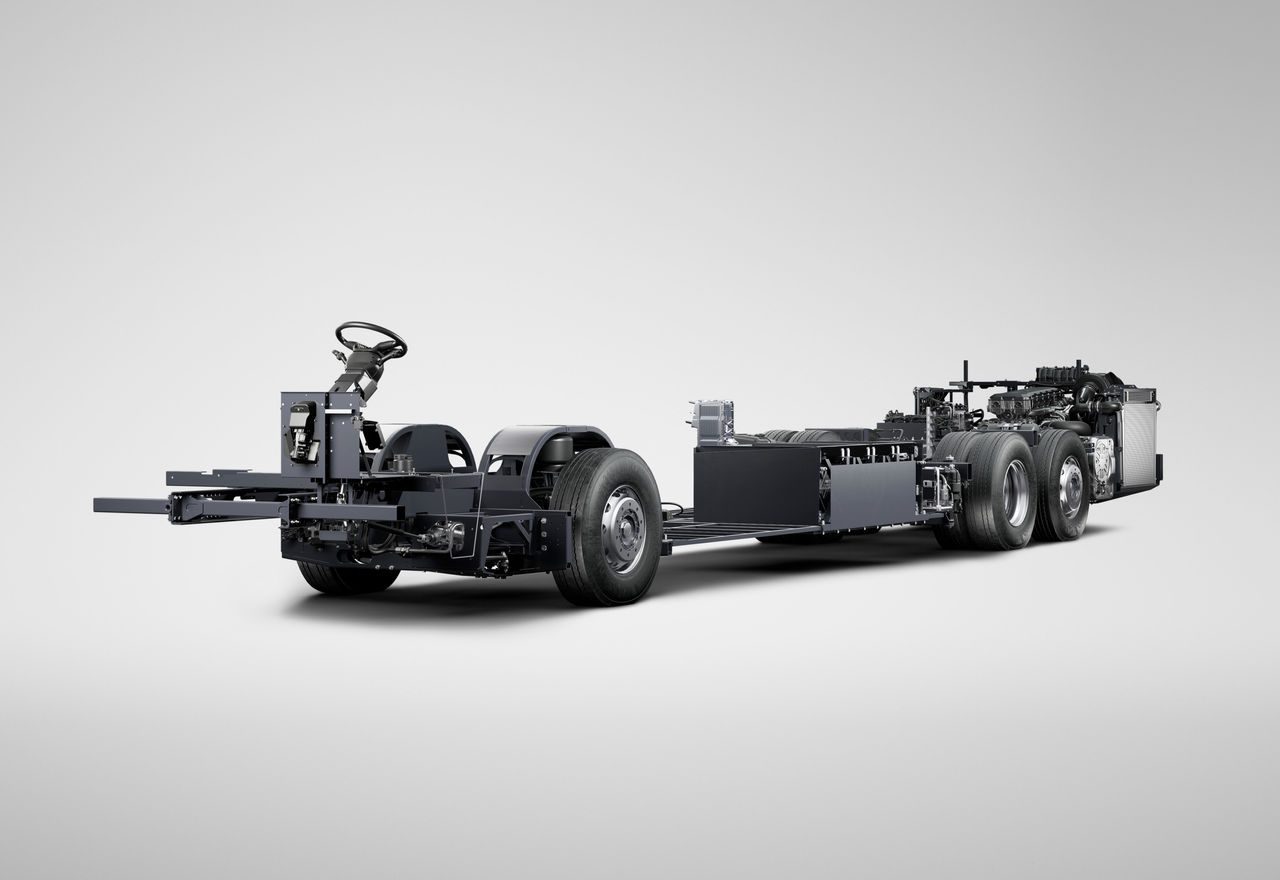
While the Super engine perfects the present, Scania’s new plug-in hybrid electric (PHEV) option is geared for the versatile demands of the future. This is the solution for operators who need to cover vast distances but also require whisper-quiet, zero-emission access to restricted city centres. The specs are compelling. The PHEV offers an all-electric range of up to 80 kilometres on a single charge, powered by a 290 kW e-machine. This gives it the ability to enter and navigate significant zero-emission zones without firing up the engine, providing a premium, silent experience for passengers and city-dwellers alike. With an integrated six-speed powershift gearbox, the system can operate in four modes: fully electric, hybrid, charge sustain, and forced charging, giving the driver ultimate control.
The real magic, however, lies in the intelligent automation. Using Scania Zone geofencing technology, operators can pre-programme the vehicle to automatically switch from its efficient hybrid mode to fully electric power upon entering a designated area. This removes the guesswork for the driver and ensures seamless compliance with local regulations, whether current or future. And the payoff? Scania claims fuel and emission savings of up to 40 percent in typical mixed coach traffic. That’s a game-changing figure that combines the environmental benefits of electric drive with the range and flexibility of a hybrid, future-proofing an operator’s business.
What This Means for New Zealand
Here in New Zealand, these two solutions feel perfectly suited to our unique transport landscape. For the iconic InterCity and tour coach routes that traverse the length of the North and South Islands, the Super combustion engine’s incredible fuel efficiency and two-million-kilometre lifespan promises unmatched reliability and cost-effectiveness on the open road. Meanwhile, the PHEV variant seems tailor-made for routes that begin and end in our major cities. Imagine a tour coach travelling from Hamilton to Auckland, running in highly efficient hybrid mode on the Waikato Expressway before automatically switching to silent, zero-emission electric drive as it enters the CBD to drop passengers at the Sky Tower or a waterfront hotel. It tackles the “last mile” problem cleanly and quietly, complying with Auckland’s and Wellington’s growing focus on clean urban air without sacrificing long-distance capability.
As Carl-Johan Lööf, Scania’s Head of Product Management for People Transport Solutions, puts it, these powertrains represent a “twin commitment to sustainability and profitability. “By launching both simultaneously, Scania isn’t forcing a single solution. Instead, they’re providing a toolbox, allowing operators in New Zealand and around the world to pick the right tool for their specific job, ensuring they can operate competitively and sustainably, both today and well into the future.