For a while there, it felt like every new BMW was locked in a battle for the biggest, boldest kidney grille. The online forums lit up, the memes flew, and the brand’s design direction became one of the most hotly debated topics in the motoring world. But with the reveal of the Neue Klasse platform and its sleek flag-bearer, the iX3, it seems BMW is hitting the reset button.
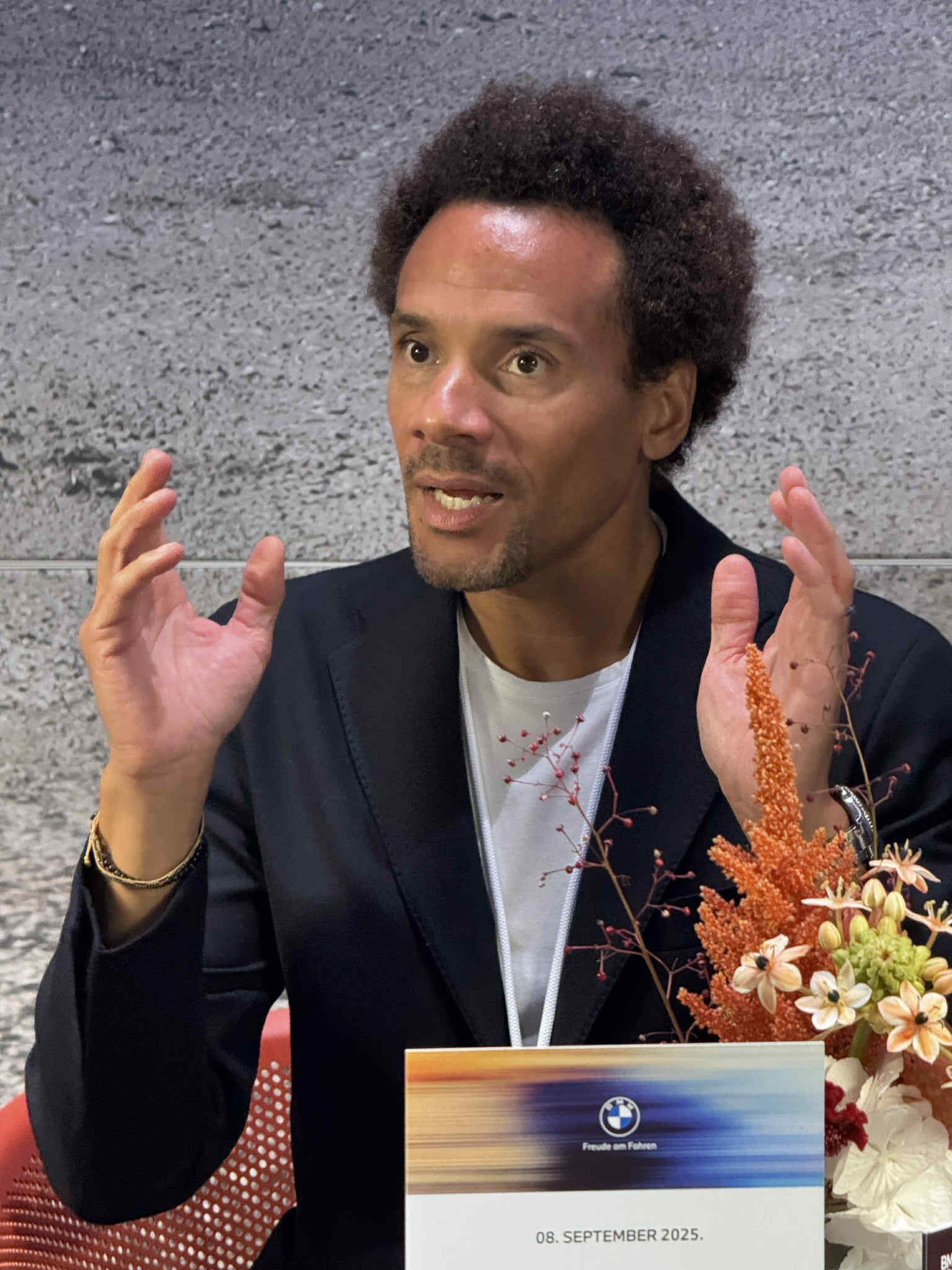
We sat down with Oliver Heilmer, Head of Design BMW Compact Class, Neue Klasse and BMW M, to get the inside scoop on this new direction. What we uncovered was a story not of evolution or reaction, but of deliberate, long-term strategy forged in a time of global crisis. A fundamental, top-to-bottom rethink of what makes a BMW, a BMW.
Not a Blank Slate, But a Return to Form
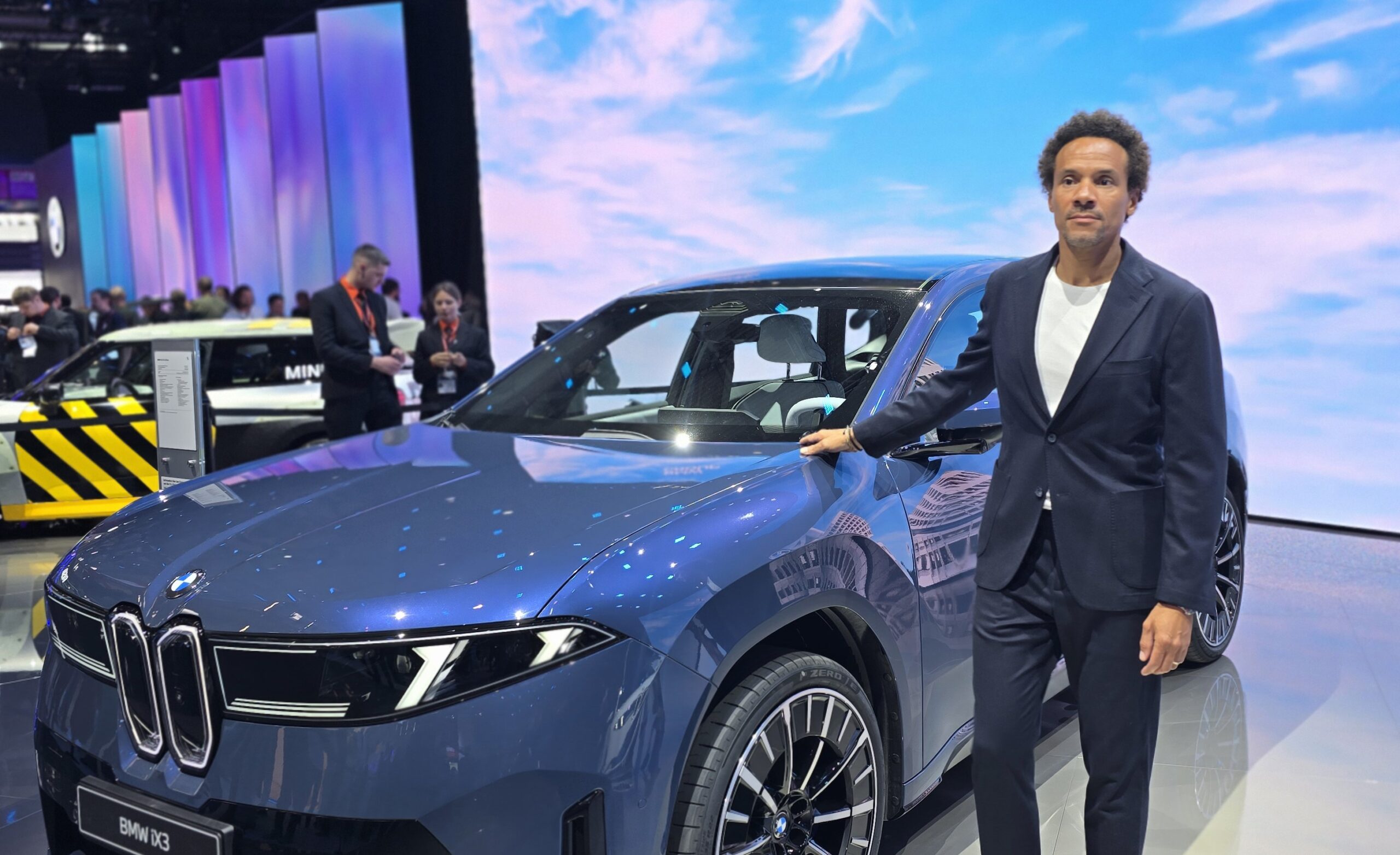
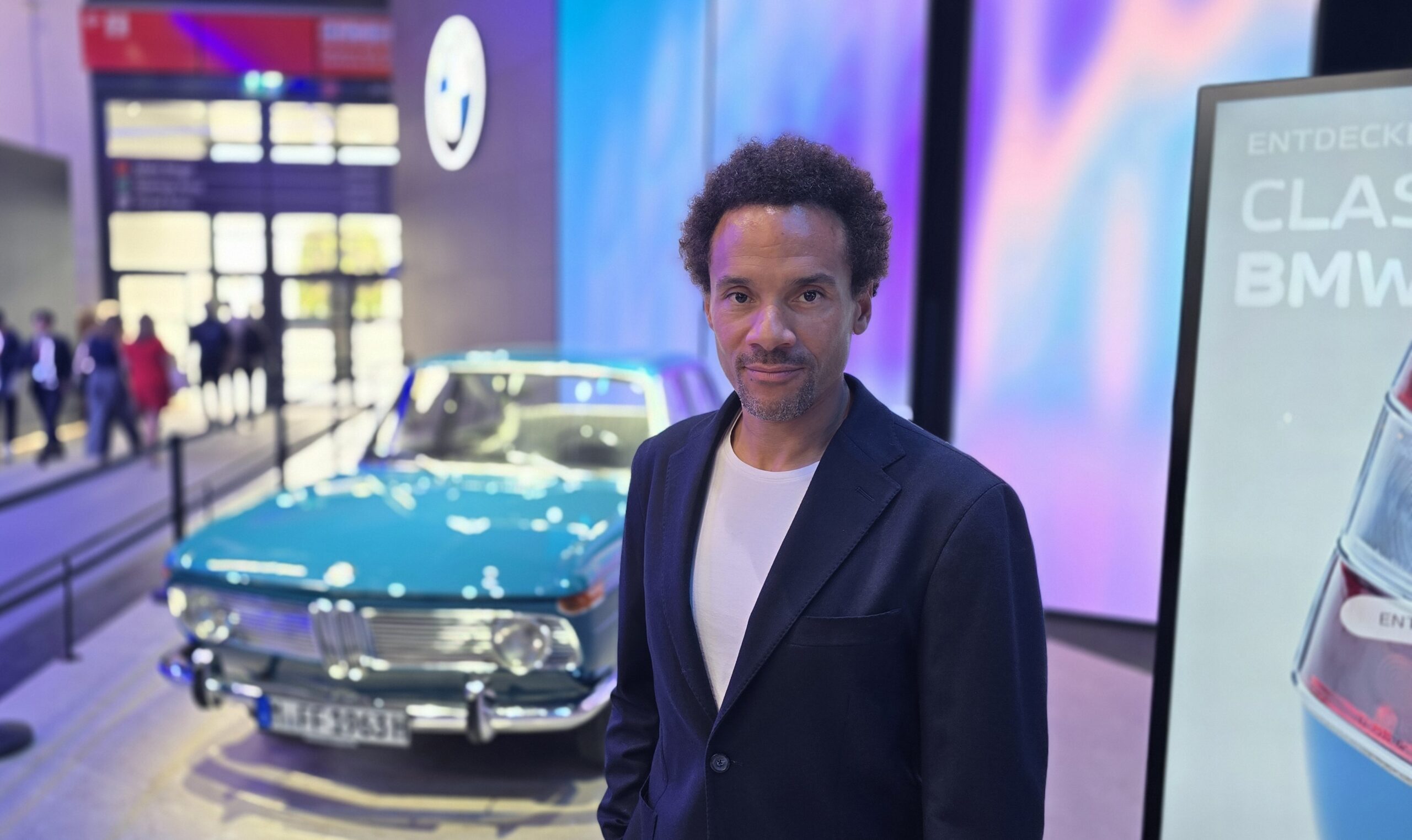
If (like me) you thought the Neue Klasse was designed from a ‘blank piece of paper,’ Heilmer is quick to correct that assumption. “To be honest, we didn’t start with the blank paper,” he states. “It was a new start for us, but the start was based on the history of BMW…more specifically, the 60s”. He says that the team’s mission was to rediscover and redefine the origins of the brand’s most successful era, the period from the 1960s through the 80s, which cemented BMW’s reputation for clean, driver-focused cars.
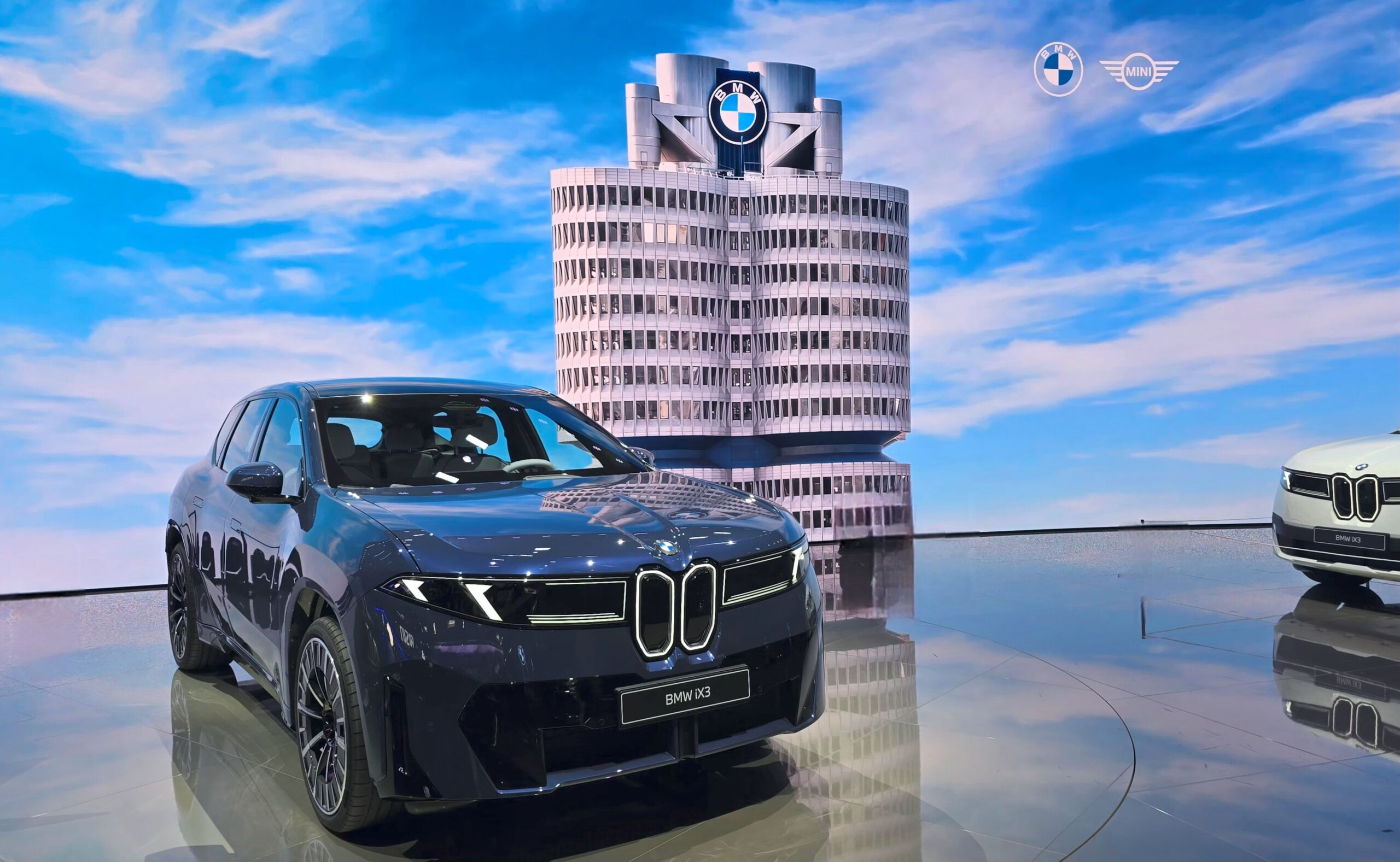
This meant a conscious return to core principles like “cleanness, reduction, lightness”. The result is a new front architecture with a strong horizontal emphasis, featuring narrower, more elegant kidney grilles. This horizontal layout, combined with the iconic ‘four eyes’ headlight signature, creates an unmistakable BMW face that will define future models. For Heilmer, the iconography is non-negotiable. A BMW without a kidney grille is simply not possible, but he stresses it’s the combination of the grille with the horizontal lights that forms the new identity.
This philosophy extends to the very surfaces of the car. Heilmer speaks of a new “sensitivity in the way we are treating surfaces,” again looking to the past for inspiration. He describes how the iX3 has “a line is accelerating…getting faster towards the rear,” an evocative image that speaks to the dynamic tension and controlled surfacing that defined classic BMWs. The goal is to create cars that are expressive and emotional, but in a calmer, more subtle way. It’s about achieving a look that is “monolithic, clean…and calm, but still highly emotional”. Try getting your head around that lot!
The Great Grille Debate: Has Size Ceased to Matter?
So, does this signal the end of the big grille era? Yes and no. For the core of the brand, represented by the new iX3, the answer is a resounding yes. The design is intentionally closer to the more subtle and classic proportions of the 1960s.
However, Heilmer is pragmatic. BMW plans to launch around 40 new models by the end of 2027, and the design language won’t be a one-size-fits-all solution. “If there will be a car in the future where we see that in terms of presence, we’re gonna need a bigger representation of the kidney, then we will do it,” he explains. But rest assured, this isn’t an admission that past designs were a mistake. When asked if they went “a bit too far” previously with some models, Heilmer provides a thoughtful answer. He sees those designs as a “representation of the trend and of that particular period of time”. Citing the vertical grilles on the M3, he notes that despite some online discussions, “the customers say they really appreciated that differentiation”.
The key takeaway is a move towards character-based design. A performance model with a combustion engine that needs significant airflow for cooling might justify a more aggressive front end. The Neue Klasse, however, represents a shift for the brand’s core, moving away from being “too much in your face” towards a more subtle and confident expression of its heritage.
A Strategy Forged in Crisis
The genesis of the Neue Klasse platform is a story in itself, born from a moment of profound global uncertainty. The project’s starting point came during the initial COVID lockdowns. Heilmer recalls. “They [BMW executives] were gathered together (on-line) and asked themselves so what’s the future? What’s going to happen – because nothing was clear”.
So with production halted and the future of the global economy unknown, the BMW board made a pivotal decision, to forge a path that was truly “future-proof”.
This led to a period of intense analysis, where they questioned “everything that has been there before”. Based on deep analysis of economic, technological, and design trends, they established a robust long-term strategy. Crucially, once this strategy was set, they stuck to it with immense discipline.
“The biggest mistake is to becoming too reactive on that what’s happening,” Heilmer asserts, noting the “insane” pace of weekly market shifts. By creating a strategy with built-in scenarios, (a most probable outcome, an ideal one, and a less-than-ideal one) they gave themselves corner points to steer within, allowing for flexibility without sacrificing the core vision.
More Than Just an Electric Platform
One of the biggest misconceptions about Neue Klasse is that it’s purely an EV platform. Heilmer is emphatic that this is not the case. Neue Klasse “stands for the technological innovation, it stands for the new design approach, for a new product approach, for a new customer experience.” So it’s way more than that.
While the iX3 is a state-of-the-art electric vehicle, the platform is designed to be flexible. BMW will also continue to offer combustion engines in the future, a strategy they stuck with even when facing intense outside pressure. “You might remember, it was tough sometimes for the board, because everyone was telling us from outside, you are wrong,” Heilmer says. As some competitors now backtrack on their EV-only commitments, BMW’s decision to remain open and listen to different customers and markets looks remarkably prescient.
“It’s the customer’s choice,” Heilmer notes. “What we want to do is offer the best product, regardless of the trip”. This flexibility is a significant competitive advantage, as their production facilities are designed to accommodate multiple powertrain types on the same line, allowing them to “easily switch if the market decides to go one way or another”.
Proportion First, Aero Second
The development of the Neue Klasse also saw a fascinating design process. Often, aerodynamics dictates a car’s basic shape, (the most efficient but aesthetically challenging being the teardrop), and designers work to make it appealing. For this iX3 project, the team flipped the script. “We said let’s start with a perfect proportion and see what we’re gonna end in terms of aerodynamics,” Heilmer explains. A direction that the board approved.
From there, the design and engineering teams worked in close collaboration, using wind tunnels and mock-ups to refine the details. “We were testing with mock-ups, adding parts here and there, making improvements along the way,” he says. The result? They not only kept the beautiful initial proportions but also “overachieved” their aerodynamic drag coefficient target. Now an impressive 0.24 cd. This proportion-first approach, a testament to the new collaborative spirit at BMW, was so successful it’s now being used for other upcoming cars.
The BMW iX3 Neue Klasse is the opening statement in a bold new chapter for the brand. It’s a confident return to the elegant, driver-focused principles that built the company, integrated with a forward-thinking, flexible strategy that seems perfectly poised for an uncertain future.
It’s BMW getting back to its roots, to confidently drive into tomorrow.