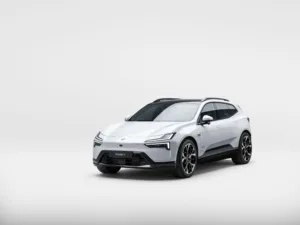
There are few things more British than a good cup of tea, the weather, and, of course, Jeremy Clarkson complaining about the state of motoring. But the grand old man of automotive television—never shy of controversy—has made a fresh case for why the BBC must revive Top Gear, that legendary car show which lately has been in permanent “pit stop” following Freddie Flintoff’s harrowing accident and his subsequent, jaw-dropping £9 million settlement.
According to Clarkson, the age of the electric car is upon us, and with it has descended a fog of confusion thicker than a morning in the Cotswolds. “Cars are changing so fast and electrical cars are coming along and nobody really understands what’s a good one and what isn’t,” he argues, suggesting the British public now need a trusted guide to steer them through the labyrinthine world of kilowatts, plug-in hybrids, mysterious charging networks, and the existential fear of running out of battery at a Little Chef in Swindon. (Clarkson himself gamely confesses, “I look at a kilowatt per hour car, I have no idea what that means.”
He harkens back to the golden age of 1950s motoring journalism, when car companies were throwing weird and wonderful ideas at the wall and car shows existed to help drivers separate the Jaguars from the jalopies. “Then by and large it was unnecessary for the last 40 years and now it’s necessary again,” he notes, suggesting that today’s chaos is reminiscent of those experimental times—and demands a new generation of motoring sages.
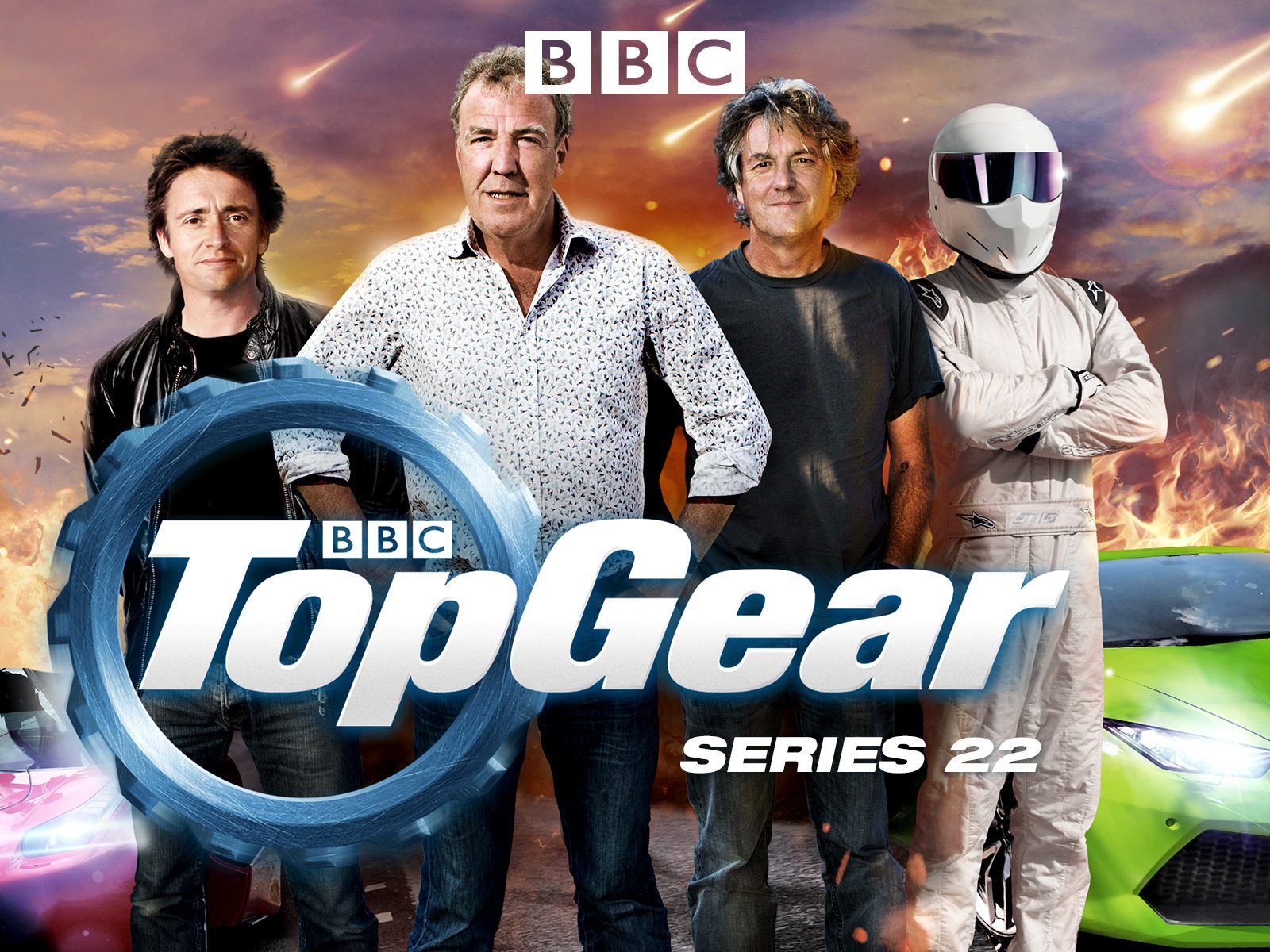
Yet, in a plot twist as inevitable as a Top Gear Reliant Robin flipping over, Clarkson rules himself out for the revived show, admitting, “I don’t understand or like electrical cars, so I wouldn’t be interested.” A classic Clarksonism: championing the cause, but refusing to drive the actual cause—at least if it runs silently and needs a charging station. Instead, he calls for a resurrection starring presenters in the mold of Chris Goffey, Frank Page, or William Woollard, who can demystify electric vehicles for befuddled Brits.
The need is palpable. Post-Clarkson, Top Gear was dramatically rested after Flintoff’s on-set crash, leaving fans (and, judging by the comments, the occasional troll) hungry for answers, laughs, and the comforting sound of an internal combustion engine snorting under the studio lights. For a country facing the confusing dawn of electrified transport, Clarkson insists the BBC would be mistaken to leave Top Gear languishing in the garage: “It would be sad if it never came back. That would be very sad.”
In summary, the world doesn’t just need Top Gear back—it needs Top Gear back with enough horsepower to cut through the static hum of electric confusion, explain why a Tesla might be good (or not), and, perhaps, finally teach Clarkson what a kilowatt-hour actually is.