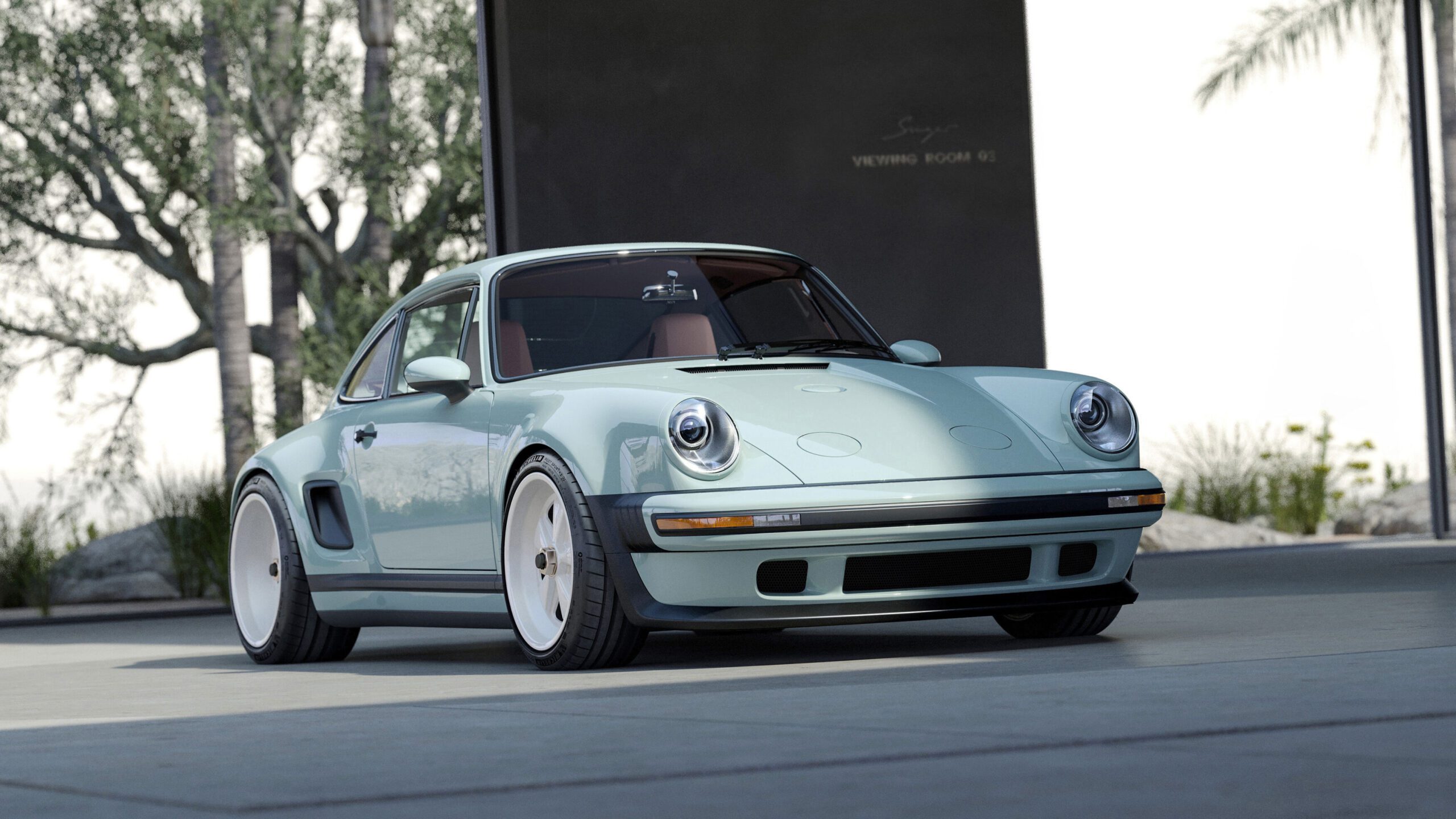
If ever there was proof that the past can be present and still outpace the future, it’s the Porsche 911 Carrera Coupe Reimagined by Singer, a tyre-smoking love letter to both classic form and contemporary high-octane substance.
What’s Old Is New (and Much, Much Better) Again
Singer’s latest project turns the nostalgia dial up to 11 by excavating the soul of the wide-bodied, naturally aspirated 1980s 911 Carrera and reasserting its place in the present-day performance pantheon—albeit with a twist of California craft, a dose of Red Bull’s engineering wizardry, and a full chorus of Cosworth-fettled flat-six fury.
Like all great symphonies, this one begins with a single note: a thirty-year-old Porsche 911 (Type 964), sent in by a hopeful owner. It is then summarily dismantled, stripped to its steel monocoque, which receives a meticulous spa treatment straight from Red Bull Advanced Technologies—think composite and steel reinforcements, simulation, and structural analysis—all to ensure a chassis rigid enough to make a granite countertop jealous, and to serve as a worthy stage for Singer’s masterwork.
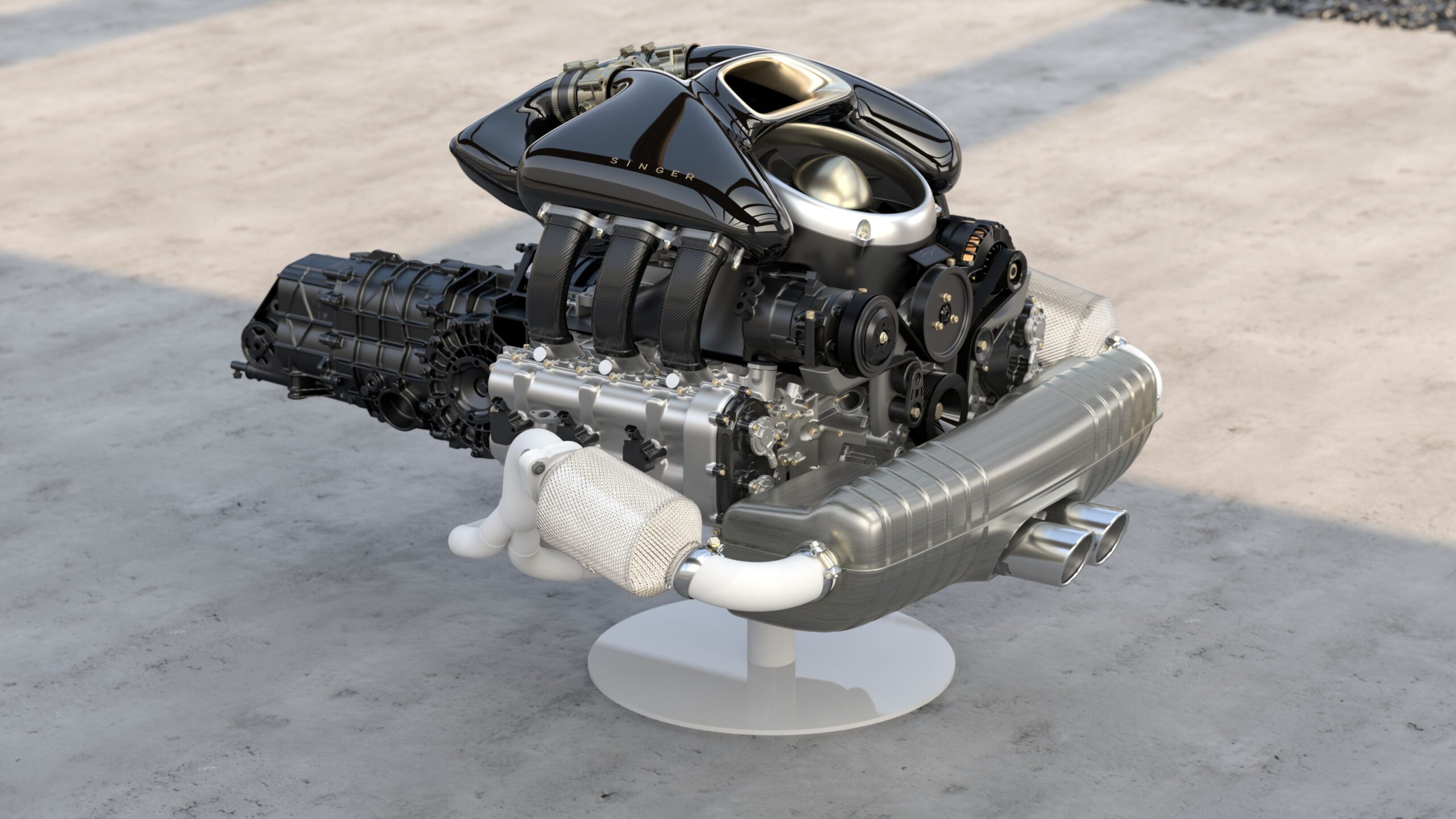
The Engine: A Flat Six-String Masterpiece
At the heart of this rolling sculpture is a naturally aspirated, 4.0-liter flat-six that values revs like a rock star appreciates groupies. Developed with the legendary Cosworth, this engine boasts 4 valves per cylinder, variable valve timing (a Singer first), water-cooled cylinder heads married to air-cooled cylinders, and an 8,000+ rpm redline. The result? A lusty 420HP and a soundtrack administered by a new titanium exhaust system . In a polite nod to analog enthusiasts, a six-speed manual shifter, featuring an exposed mechanism if you wish, channels power purely to the rear wheels. It’s a transmission for the tactile, unabashedly shunning the temptation of the double-clutch brigade.
Form and Function: Sculpted Carbon, Choice of Tail
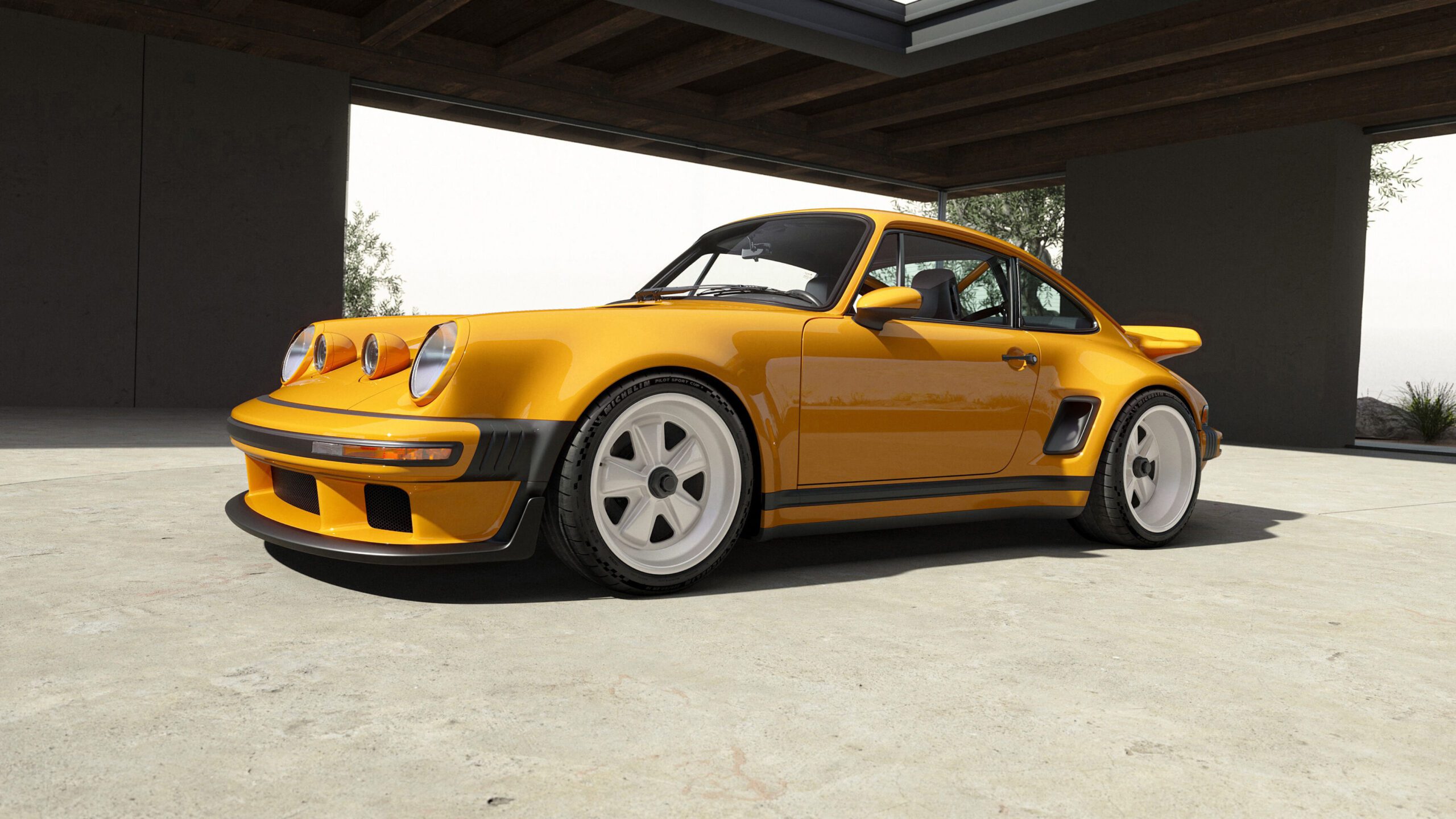
Singer doesn’t merely install a carbon fiber suit—it tailors it. Drawing on their carbon expertise, the bodywork echoes the iconic G model DNA while slicing weight, sharpening responses, and allowing for period amazements like the “whale tail” rear wing—or, perhaps, a speed-activated alternative, for the truly indecisive connoisseur. The body is wide; the stance, pure predatory poetry.
Rolling Art That Stops on a Dime
Rubber meets road via the latest Michelin Pilot Sport tires on 18” center-lock wheels. Stopping power is administered by carbon-ceramic brakes bred for racetrack bravado, ensuring that all this performance can be summoned (and reined in) at will. Four-way adjustable dampers, nose-lift systems, and carbon-ceramic anchors all conspire to make sure your smile matches your g-forces on any tarmac you dare conquer.
From Watchmaking to Whiplash: The Interior
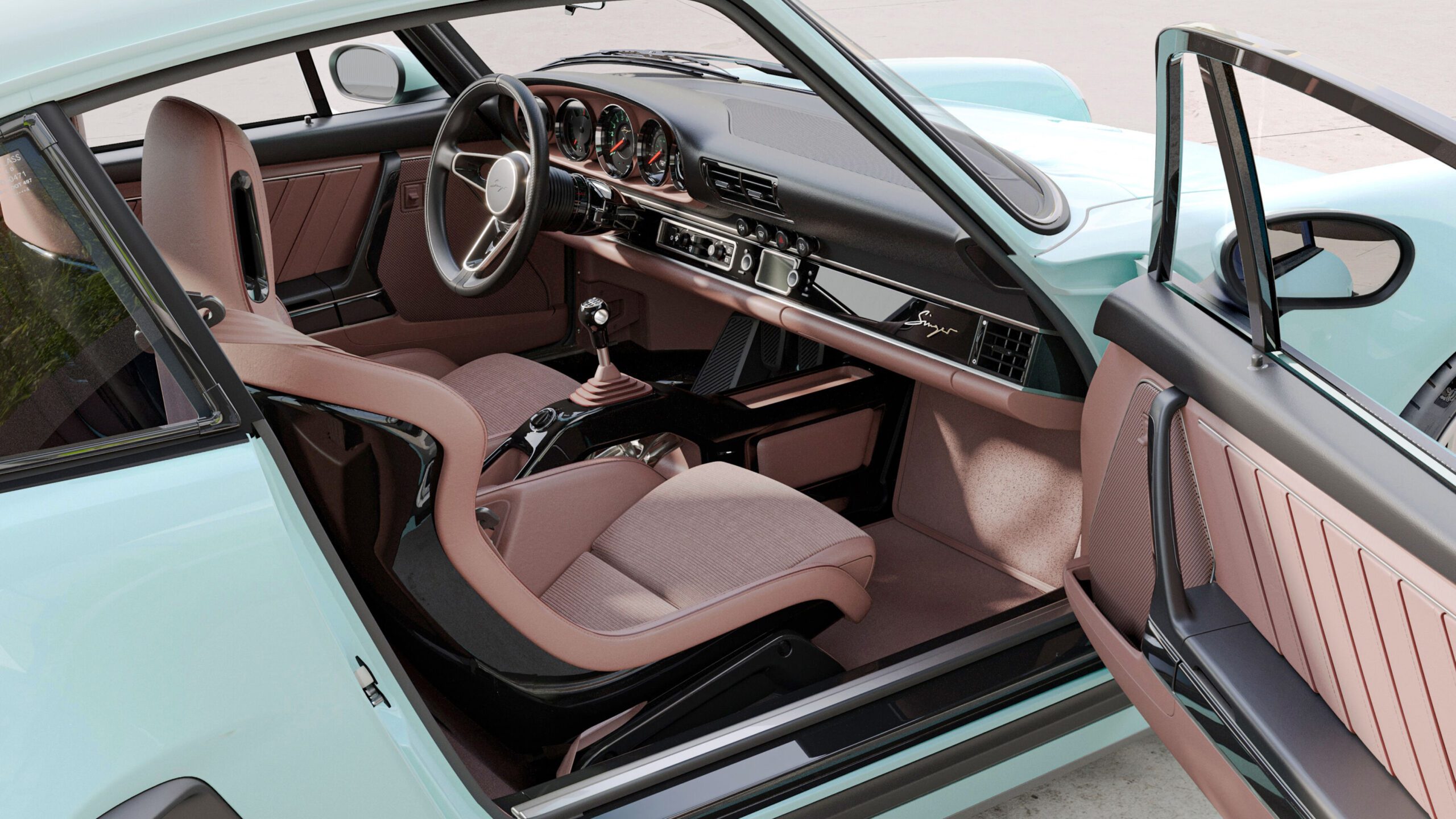
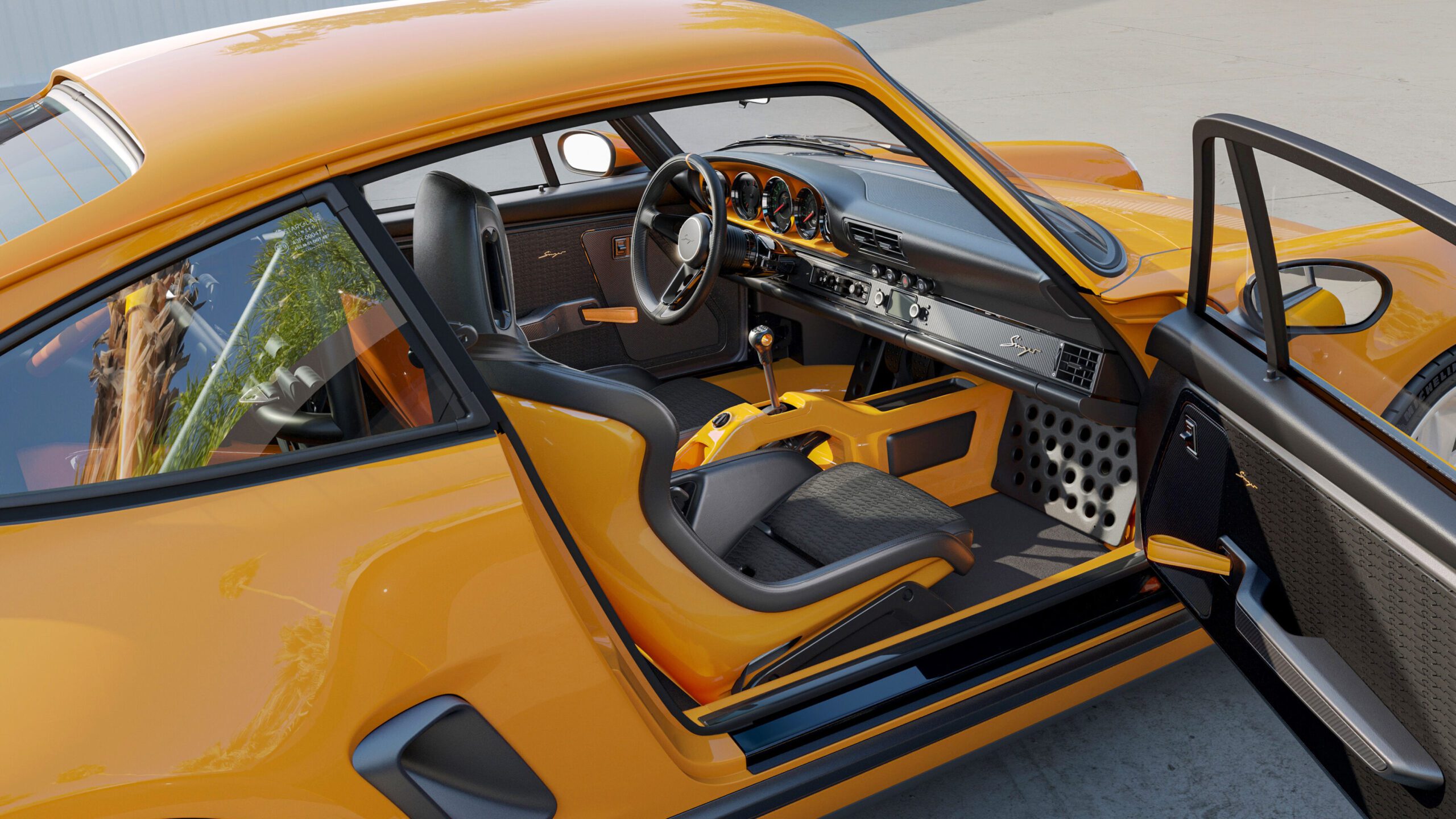
If “handcrafted” isn’t enough for you, try hand-built gauges that rival high-watchmaking standards, stitched and burnished leather seams, sports seats in velvet corduroy, or Interferenza cloth. Comfort meets craftsmanship, and all the modern needs—navigation, CarPlay, phone connectivity—are there but so discreet you might miss them if you’re not paying attention.
A Car for Every Owner (but Only 100 of You)
Personalization isn’t a word at Singer. It’s a religion. Owners specify paint, seats, leather—down to flight cases for alternative bodywork. Touring focus? Go Celeste Passalacqua blue, Mars Pink inside, and cruise with sports seats. Track hound? Giallo Segnale yellow, fixed wing, lightweight gear, and a rear cross-brace say “bring on the Nordschleife.” There are just 100 commissions—so get in, or get comfortable on the waiting list .
An Analogue Jewel for the Digital Age
Singer’s Carrera Coupe is a moving contradiction: old soul, new science, vintage aesthetic, present-day engineering. It’s a personally commissioned, heartstring-tugging celebration of the analog sports car in a world increasingly governed by chips and volts.
As Singer’s own Rob Dickinson puts it: “Our services reference this car and celebrate the era with a vision for an ultimate, naturally aspirated, G model 911, reimagined for the twenty-first century. At its heart is a remarkable flat-six, bringing together our learnings from the last fifteen years, and adding variable valve timing for the first time”.
So, if your idea of progress is an 8,000 rpm serenade filtered through hand-stitched craftsmanship, this is your machine—the past, remixed, and set to fast-forward.
Author recommends frequent use of twisty roads and the occasional glance in the rear-view mirror—if only to see the smile you left behind.